Whether a Shar Pei’s Ear Canal Can Be Flushed at Home
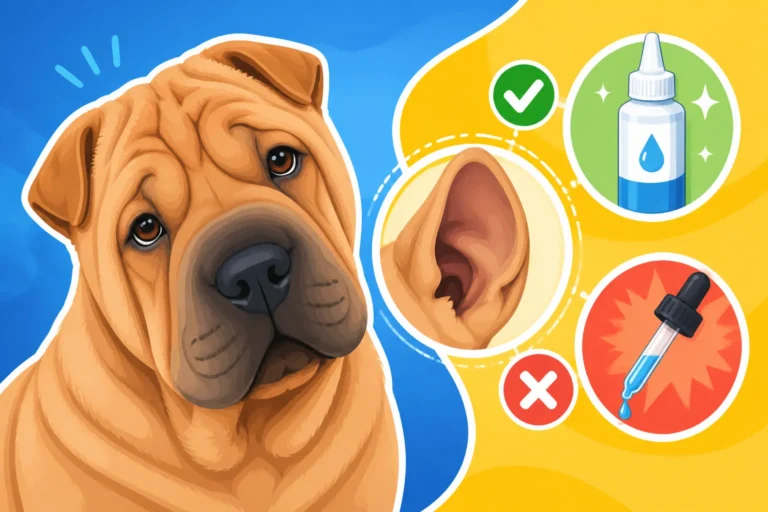
It's incredibly tempting when your beloved Shar Pei is shaking their head, pawing at an ear, or just generally looking uncomfortable, to want to dive right in and fix the problem yourself. You might even have a bottle of ear wash tucked away in the cupboard and think, "Can I just flush this out at home?" The truth is, while routine ear cleaning is a vital part of Shar Pei care, a full-blown ear flush is a very different beast, and attempting it at home can actually do more harm than good. This guide will help you understand the unique challenges of Shar Pei ears, why professional intervention is almost always necessary for a proper flush, and how to safely manage their ear health day-to-day.
The Unique Anatomy of a Shar Pei's Ear
Shar Pei are wonderfully distinctive dogs, and those adorable, tiny ears are part of their charm. However, what makes them cute also makes them incredibly prone to problems. It's not just a matter of cleaning; it's about understanding the internal structure that sets them apart.
The Narrow, Deep Canal
Imagine trying to clean a bottle with a very long, winding neck that narrows significantly towards the bottom. That's essentially what you're dealing with when it comes to a Shar Pei's ear canal. Unlike many breeds with open, relatively straight ear canals, a Shar Pei has ears that are characteristically small, thick, and lie very flat against their head, forming a tight flap. A Shar Pei Has the Narrowest Ear Canals of Any Breed. This exterior design already restricts airflow, creating a warm, moist environment – a perfect breeding ground for bacteria and yeast.
But the real challenge lies deeper. The ear canal itself is incredibly narrow and often convoluted. It takes a sharp turn, descending deeply towards the eardrum. This unique construction means that debris, wax, and moisture have a very difficult time escaping naturally. Instead, they get trapped, building up in layers that are hard to see and even harder to reach without specialized tools. This narrowness is a huge factor in why a simple squirt of liquid at home might not do what you hope; it might just sit there or even get pushed deeper, causing blockages rather than clearing them.
The Propensity for Trouble
Because of this restricted airflow and deep, narrow canal, Shar Pei are unfortunately predisposed to a host of ear issues. Why a Shar Pei's Ear Canal Is So Narrow explains this in more detail. They are champions of the chronic ear infection. We're talking about conditions that go beyond a bit of dirt and itchiness. Think persistent yeast infections, bacterial overgrowths, and even deep-seated foreign bodies like grass awns that manage to wiggle their way in.
The skin lining their ear canals can also be sensitive and prone to inflammation, sometimes exacerbated by underlying allergies, which are also common in the breed. When these issues flare up, the canal can swell even further, making it virtually impossible for any cleaning solution to penetrate or for air to circulate. Without proper, consistent care and attention, it's not a question of if your Shar Pei will get an ear infection, but when and how often. Many owners find themselves battling recurrent infections for their dog's entire life. How Often a Shar Pei Gets an Ear Infection is a testament to this reality.
Why At-Home Flushing is Generally Discouraged (and Risky)
Given the specific anatomy of a Shar Pei's ear, the idea of a comprehensive "at-home flush" should immediately raise red flags. It's not like rinsing out an open wound; it's a delicate and potentially dangerous procedure without the right knowledge, tools, and professional guidance.
Risk of Injury and Pain
Imagine trying to blindly navigate a complex maze. That's a bit like what you'd be doing trying to flush your Shar Pei's ear canal at home. Without a veterinary otoscope, which provides magnification and light, you simply cannot see what you're doing. The ear canal is not a straight shot, and probing or forcing liquid into it can cause significant trauma. You could easily perforate the eardrum, a thin, delicate membrane that protects the middle and inner ear. A perforated eardrum is incredibly painful for your dog, can lead to permanent hearing loss, and opens the door to much more severe infections that can spread to the inner ear and even the brain.
Even if you don't perforate the eardrum, simply using too much pressure or an inappropriate solution can irritate the already sensitive lining of the canal. This irritation can cause swelling, making the problem worse, and can introduce new bacteria if your equipment isn't sterile. Your Shar Pei will also find this incredibly uncomfortable and painful, making future necessary ear examinations and cleanings much more difficult due to fear and anxiety.
Pushing Debris Deeper
The very purpose of flushing is to remove debris, right? But with a Shar Pei's narrow, winding ear canal, attempting an at-home flush can have the opposite effect. Without proper suction and visualization, you're more likely to push wax, discharge, and foreign material deeper into the horizontal canal, compacting it against the eardrum. This creates a denser blockage, which then becomes even harder for a vet to remove.
Not only does this exacerbate the problem, but it can also trap moisture and bacteria closer to the eardrum, leading to a much more severe and deep-seated infection. This is especially true if you're using a syringe or similar device that delivers a strong stream of liquid. A gentle wipe of the outer ear with a vet-approved solution is one thing, but attempting to irrigate the deep canal without understanding its contours and blockages is a recipe for disaster.
Masking Underlying Issues
When your Shar Pei is showing signs of ear discomfort, it's a symptom, not the root cause. A DIY ear flush might temporarily clear some superficial gunk, but it won't address why the gunk is there in the first place. You could be masking a serious underlying issue like a severe bacterial or yeast infection, a foreign body lodged deep in the canal, polyps, or even a tumor. Some infections require specific types of medication that only a veterinarian can prescribe after identifying the pathogen, often through a cytology or culture.
By delaying a proper veterinary examination, you could be allowing a treatable condition to progress, leading to chronic pain, permanent damage, or even the need for complex, expensive surgeries down the line. For example, if the ear canal is severely swollen or When a Shar Pei's Ear Canal Closes Over due to chronic inflammation, flushing at home will be ineffective at best and painful at worst, and will simply postpone the inevitable visit to the vet for professional care.
When and How to Clean Your Shar Pei's Ears Safely (With Vet Guidance)
While a deep ear flush is best left to the professionals, routine ear care is absolutely crucial for your Shar Pei. This is where you, as an owner, can make a huge difference in preventing serious problems.
Routine Cleaning vs. Flushing
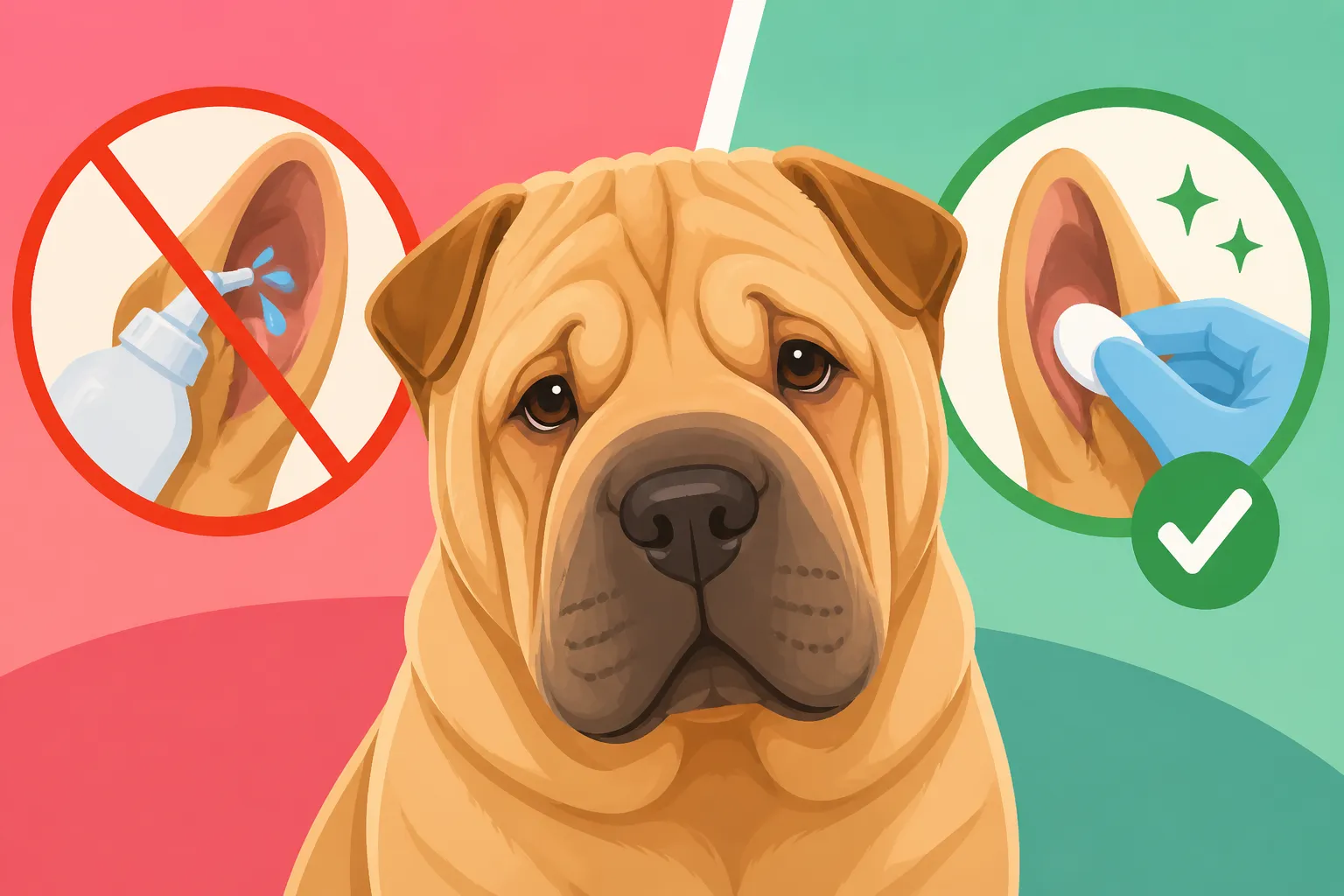
It's important to distinguish between routine ear cleaning and a medical ear flush. Routine cleaning involves gently wiping the visible parts of the outer ear flap and the uppermost part of the ear canal to remove loose debris, wax, and maintain a healthy environment. It's a preventative measure, done regularly, to keep minor issues from escalating. You're not forcing liquid deep into the canal, nor are you attempting to dislodge impacted debris.
A medical ear flush, on the other hand, is a therapeutic procedure performed by a veterinarian, often under sedation. It involves using specialized equipment to thoroughly irrigate and suction the deep ear canal, removing compacted wax, pus, and other material that cannot be reached or safely removed during routine cleaning. This is typically done when an infection is present or when the canal is significantly blocked.
The Right Products and Technique
For routine cleaning, always consult your vet for a recommendation on the best ear cleaning solution for your Shar Pei. They can advise based on your dog's specific ear health, whether they're prone to yeast, bacteria, or just general waxy buildup. You can often find these recommended solutions through reputable pet supply retailers like Chewy or Amazon.
Here's a general guide for safe routine cleaning:
- Gather your supplies: You'll need the vet-approved ear cleaning solution and plenty of clean cotton balls or gauze pads. Absolutely avoid cotton swabs or Q-tips, as these can push debris deeper and injure the delicate ear canal. Why Cotton Swabs Are Wrong for a Shar Pei's Ear cannot be stressed enough.
- Position your dog: Choose a calm environment. Having a helper to gently hold your Shar Pei can make the process easier and safer for both of you. Reward good behavior with treats!
- Apply solution: Gently lift the ear flap. Squirt the recommended amount of ear cleaning solution into the ear canal. Don't just dab it on the surface; you want it to fill the top part of the canal.
- Massage the base of the ear: Gently massage the base of your Shar Pei's ear for about 20-30 seconds. You should hear a squishing sound, indicating the solution is moving around inside. This helps loosen wax and debris.
- Let them shake: Stand back and let your Shar Pei shake their head. This is a natural way for them to bring loosened debris up and out of the ear canal.
- Wipe the outer ear: Use a fresh cotton ball or gauze pad to gently wipe away any visible solution and debris from the outer ear flap and the entrance of the ear canal. Do not dig deep. You're cleaning what comes out, not what's in.
- Repeat if necessary: If the ear is particularly dirty, you might repeat the process with a fresh cotton ball until it comes away clean.
- Praise and reward: Always end on a positive note with plenty of praise and a special treat. This makes the experience less stressful for your dog.
Consistency is key. How Often a Shar Pei's Ears Need Cleaning depends on your individual dog, but many Shar Pei benefit from weekly or bi-weekly cleanings, especially those prone to recurring issues. After baths or swimming, ensure their ears are thoroughly dried as dampness encourages infection. Whether a Shar Pei's Ears Should Be Dried After Bathing.
Recognizing When Professional Help is Needed
Knowing when to go beyond routine cleaning and seek veterinary attention is critical for a Shar Pei owner. Don't wait until the problem is severe.
Look out for these signs that your Shar Pei needs to see the vet for their ears:
- Excessive head shaking or pawing at the ears: This is a clear indicator of discomfort or pain.
- Redness or swelling: Inflammation around the ear canal or on the ear flap.
- Strong, foul odor: A sweet, yeasty, or putrid smell coming from the ear.
- Discharge: Yellow, brown, black, or bloody discharge.
- Pain: Your Shar Pei cries out, flinches, or becomes aggressive when you touch their ear.
- Changes in behavior: Lethargy, loss of appetite, or withdrawal.
- Hearing loss or disorientation: These can indicate a very deep-seated problem or even neurological involvement.
If you observe any of these symptoms, schedule a vet appointment promptly. They will properly examine the ear canal, often needing to sedate the dog to get a clear view, especially with a painful or swollen ear. Signs a Shar Pei's Ear Is Infected details what to look for. They may take a swab for cytology to identify yeast, bacteria, or mites, and might even perform an ear culture if the infection is persistent or unusual. This diagnostic step is essential for prescribing the correct medication. What a Shar Pei's Ear Culture Costs is an investment that saves future pain and expense.
The Vet's Approach to Shar Pei Ear Flushing
When your Shar Pei presents with a serious ear infection or a blocked canal, a professional ear flush is often the safest and most effective course of action. This is a medical procedure, not something to replicate at home.
Sedation and Specialized Equipment
A thorough veterinary ear flush for a Shar Pei is almost always performed under sedation or light anesthesia. This isn't just for the dog's comfort, though that's certainly a major factor; it's also for their safety and to allow the vet to do a proper job. With sedation, the vet can:
- Prevent pain and fear: A painful ear can make a dog reactive, and a Shar Pei's deep-set ears are already sensitive. Sedation ensures they remain still, preventing accidental injury. Whether a Shar Pei Needs Sedation for an Ear Exam is often a 'yes' for a full flush.
- Achieve full visualization: The narrow, winding nature of a Shar Pei's ear canal means the vet needs a clear, unobstructed view right down to the eardrum. Sedation allows for the use of an otoscope or even a video otoscope, which provides magnification and illumination, allowing the vet to assess the eardrum's integrity and identify any foreign bodies or blockages.
- Use specialized tools: Veterinary clinics have specific ear flushing machines and solutions designed to safely break down and remove compacted wax and debris. These systems often include controlled pressure irrigation and suction capabilities to ensure all material is gently removed without pushing it deeper.
The equipment used is much more advanced than anything you'd have at home, and the expertise of the veterinary staff ensures the procedure is carried out safely and effectively.
Diagnostic Steps Before Flushing
Before even beginning the flush, your veterinarian will undertake several crucial diagnostic steps. This isn't just about cleaning; it's about treating the underlying problem.
- Thorough Examination: The vet will visually inspect the outer ear and use an otoscope to examine as much of the ear canal as possible while your dog is awake. This helps them gauge the severity of inflammation and identify any obvious issues.
- Cytology: A sample of discharge or wax is often taken and examined under a microscope. This "cytology" helps identify if the infection is bacterial, yeast, or a mix of both, and can also detect ear mites. This guides the choice of ear medication.
- Culture and Sensitivity (if needed): For persistent or severe infections, a culture might be sent to a lab to identify the specific type of bacteria and determine which antibiotics will be most effective against it. This prevents using ineffective medications.
- Eardrum Assessment: This is paramount. The vet must confirm that the eardrum is intact before flushing. If the eardrum is perforated, certain cleaning solutions and medications can cause severe damage to the middle or inner ear. Sedation makes this critical assessment possible.
Only after these steps are completed and the eardrum is confirmed intact will the vet proceed with the flush, choosing appropriate solutions that won't damage the ear.
Post-Flush Care and Prevention
After a professional ear flush, your Shar Pei will likely be sent home with a course of ear medication – drops or ointment – specifically chosen based on the diagnostic findings. It is absolutely crucial to follow these instructions precisely, even if your dog's ears appear to be improving. Stopping medication too early is a common reason for recurrent infections. What Prescription Ear Drops Cost a Shar Pei Owner is an expense you don't want to incur repeatedly because of incomplete treatment.
Your vet will also advise you on a schedule for follow-up visits to recheck the ears and ensure the infection has completely cleared. They might also recommend a long-term preventative ear cleaning regimen and specific products to help keep your Shar Pei's ears healthy. This might include regular use of a drying ear cleaner if your dog is prone to moisture-related issues, or solutions with anti-fungal properties if yeast is a recurring problem.
Furthermore, if allergies are suspected to be the root cause of chronic ear infections, your vet might suggest dietary changes, such as trying a limited ingredient diet (Ollie offers tailored meal plans that can be discussed with your vet if allergies are a concern), or other allergy management strategies. Addressing underlying allergies is often key to breaking the cycle of recurrent ear problems in Shar Pei. This holistic approach, combining professional treatment with diligent at-home maintenance, is the best way to ensure your Shar Pei's ear health and comfort.
| Action | At-Home Attempt | Veterinary Procedure | Risks | Benefits |
|---|---|---|---|---|
| Routine Cleaning | Yes | No | Minor irritation if done incorrectly | Prevents buildup, maintains ear hygiene |
| Deep Ear Flush | Strongly Discouraged | Yes, often with sedation | Eardrum perforation, pushing debris deeper, severe pain, masking underlying issues | Thorough removal of impacted debris, accurate diagnosis, targeted treatment of infection |
| Eardrum Inspection | Not possible | Yes, with otoscope | Blind injury | Critical for safe treatment and avoiding damage |
| Infection Diagnosis | Not possible | Yes, with cytology/culture | Delays appropriate treatment | Identifies specific pathogens for effective medication |
Disclaimer
This article is for general informational purposes only and does not constitute professional advice. Laws, prices and regulations vary by location and change over time. Consult a qualified professional for guidance on your specific situation.