Why Cotton Swabs Are Wrong for a Shar Pei’s Ear
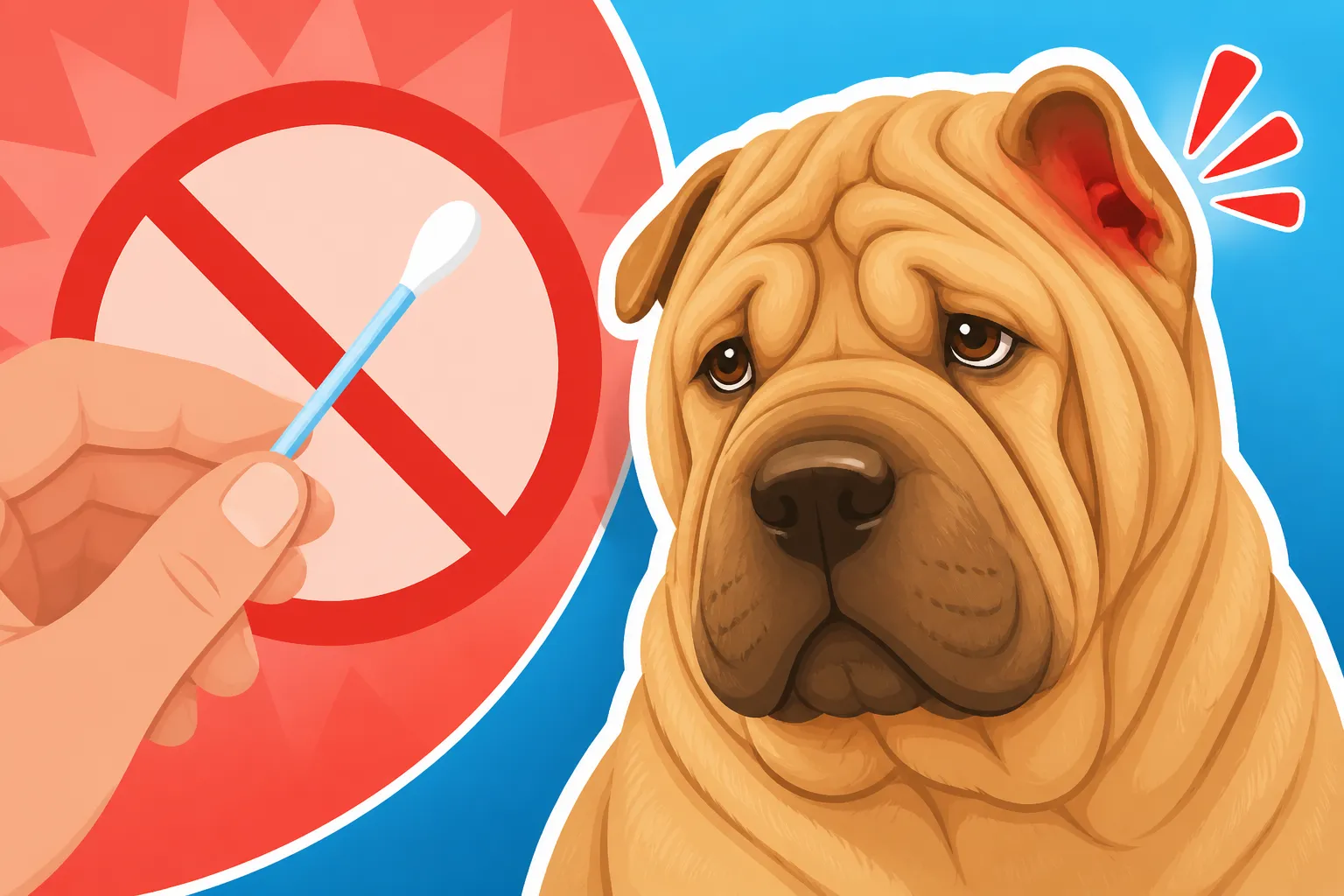
It's a common, well-intentioned mistake: you see your beloved Shar Pei shaking their head, maybe scratching at an ear, and your first thought is to reach for a cotton swab, just like you might for yourself. But for a Shar Pei, those seemingly harmless little sticks are actually one of the worst things you can introduce to their unique ear canals, and they can cause far more damage than good. This guide will walk you through why cotton swabs are a big no-no for our wrinkly friends and what you should be doing instead to keep those sensitive ears healthy and happy.
The Unique Anatomy of a Shar Pei's Ear Canal
If you've ever tried to peek into your Shar Pei's ears, you might have noticed how incredibly difficult it is to see anything. This isn't just because they might be wiggling their head; it's due to the very specific and challenging anatomy of their ear canals. Understanding this structure is the first step to realizing why certain cleaning methods, like using cotton swabs, are completely inappropriate and even dangerous for the breed.
Why the Shar Pei Ear Is Exceptionally Narrow
When we talk about a Shar Pei's ears, we're really talking about a marvel of genetic design that, unfortunately, predisposes them to a host of problems. Unlike many other breeds with wide, open ear canals that allow for good airflow and easier inspection, a Shar Pei has incredibly narrow ear canals. Think of trying to pour water through a straw versus a garden hose – the difference in diameter is stark. This narrowness isn't just a slight variation; it's a significant anatomical feature that makes them stand out, and not always in a good way when it comes to ear health. A Shar Pei Has the Narrowest Ear Canals of Any Breed
This constricted opening means that air circulation is severely limited. Moisture, whether from bathing, humidity, or even natural discharge, can get trapped much more easily than in breeds with more open ears. This warm, damp, dark environment is the absolute perfect breeding ground for bacteria and yeast, leading to recurrent infections that can be incredibly frustrating for both you and your dog. It's a constant uphill battle against nature for a Shar Pei owner.
Furthermore, the skin lining these narrow canals is just as delicate as in any other dog, but it's much more prone to irritation and swelling simply because there's so little room for expansion. Any slight inflammation, perhaps from an allergic reaction or early infection, can quickly cause the canal to swell shut, making it even harder to clean or treat. This anatomical predisposition means you, as a Shar Pei owner, have to be extra vigilant and adopt very specific care routines.
The "L-Shape" and Its Implications for Cleaning
Beyond the narrowness, a Shar Pei's ear canal isn't a straight shot to the eardrum. Instead, it takes a distinct "L-shape" turn. Imagine a long, slender corridor that suddenly turns a sharp corner before leading to a door. This bend, often referred to as the vertical and horizontal canals, is a critical component of their ear anatomy that complicates cleaning immensely. Why a Shar Pei's Ear Canal Is So Narrow
This sharp bend means that any straight object, like a cotton swab, cannot navigate the entire canal without force or without risking injury. You might think you're getting deep into the ear, but in reality, you're only reaching the initial vertical canal. Anything beyond that bend is inaccessible to a straight swab, making it completely ineffective for thorough cleaning and potentially dangerous if you try to force it.
The L-shape also serves as a natural trap for debris. Ear wax, dead skin cells, dirt, and foreign particles can easily accumulate at that bend, forming a blockage. These trapped materials further contribute to the warm, moist environment that encourages microbial growth, increasing the likelihood of chronic ear infections. It’s a design that unfortunately works against easy maintenance and often requires specialized tools and techniques for effective cleaning and examination by a vet.
The Dangers of Using Cotton Swabs in a Shar Pei's Ear
Given the unique and challenging anatomy of a Shar Pei's ear, using cotton swabs isn't just ineffective; it's downright dangerous. What seems like a quick and easy way to clean can lead to significant problems, from minor irritation to severe, painful damage that requires extensive veterinary intervention. Understanding these risks is crucial for making informed decisions about your Shar Pei's ear care.
Pushing Debris Deeper and Creating Blockages
The most immediate and common problem with using cotton swabs in a Shar Pei's ear is that you almost always push ear wax and debris further into the ear canal, rather than removing it. Imagine trying to clean a clogged drain with a plunger that's too small; you'll just compact the clog more tightly. That's essentially what happens in your Shar Pei's narrow, L-shaped ear canal. The swab can't reach around the bend, so it just acts like a ram, packing everything tighter against the eardrum.
This compacted debris creates a more solid blockage, trapping moisture and providing an even better environment for bacteria and yeast to multiply. It also makes it incredibly difficult for any ear drops or liquid cleansers to penetrate and work effectively. When you finally take your Shar Pei to the vet for an ear infection, the veterinarian might have to spend extra time and effort, sometimes even requiring sedation, just to remove the impacted wax before they can even begin to treat the actual infection. It adds to the discomfort for your dog and the cost for you.
Beyond just wax, those little cotton fibers from the swab can also detach and become embedded in the ear canal. These foreign bodies can cause irritation, trigger an inflammatory response, and further contribute to blockages, making a bad situation even worse. It's a vicious cycle where a well-meaning attempt to clean actually fuels the problem, leading to chronic discomfort and recurrent infections for your poor Shar Pei.
Causing Trauma to the Delicate Ear Canal Lining
The skin lining a dog's ear canal is incredibly delicate and sensitive, much like the inside of your own eyelid. It's not designed to withstand abrasion or poking. When you insert a cotton swab, especially into the narrow, convoluted canal of a Shar Pei, you risk causing micro-abrasions, scratches, and irritation to this fragile skin. Even if you're gentle, the sheer act of pushing the swab into such a tight space can cause damage.
These small injuries, even if not immediately visible, can become entry points for bacteria and yeast, turning a simple ear into a full-blown, painful infection. The inflammation caused by this trauma can also lead to the ear canal swelling, further narrowing an already tight space and trapping even more moisture and debris. This creates an even more favorable environment for opportunistic pathogens to thrive, making your Shar Pei's ears feel itchy, hot, and intensely uncomfortable.
Regular use of cotton swabs exacerbates this issue over time. Chronic irritation can lead to thickening and scarring of the ear canal lining, a condition known as hyperplasia. This irreversible change further constricts the canal, making future infections almost inevitable and treatment increasingly challenging. It's a harsh reminder that sometimes, trying to "help" can inadvertently cause lasting harm, turning a manageable issue into a chronic health concern for your beloved companion.
Rupturing the Eardrum: A Serious Risk
Perhaps the most severe danger of using cotton swabs in a Shar Pei's ear is the risk of rupturing the eardrum, also known as the tympanic membrane. Given the L-shaped, narrow canal, the eardrum is much closer and more vulnerable than many owners realize. A slight slip, an unexpected head shake from your dog, or simply pushing too far can lead to this painful and serious injury.
A ruptured eardrum is intensely painful for your Shar Pei and can lead to temporary or even permanent hearing loss in the affected ear. More critically, it opens a direct pathway for infection to spread into the middle and inner ear, which can result in much more serious conditions like otitis media or interna. These deep-seated infections are difficult to treat, often requiring long courses of antibiotics, powerful pain medication, and potentially even surgery. The symptoms can include head tilt, loss of balance, circling, and extreme pain.
If you suspect a ruptured eardrum, perhaps your dog cried out in pain during cleaning, or you notice a sudden increase in discharge, it's an immediate emergency. Do not attempt any further cleaning or introduce anything else into the ear. Your Shar Pei needs urgent veterinary attention. This grave risk alone should be enough to convince any owner to steer clear of cotton swabs for ear cleaning, especially in a breed as predisposed to ear issues as the Shar Pei.
Recognizing the Signs of Ear Problems in Your Shar Pei
Our Shar Pei companions can be notoriously stoic, often hiding their discomfort until a problem is quite advanced. This makes it all the more important for us as owners to be incredibly observant, especially when it comes to their ears. Catching ear issues early is key to preventing them from escalating into painful, chronic infections that are much harder and more expensive to treat.
Visual Cues and Odor Indicators
A healthy Shar Pei ear, despite its challenging anatomy, should ideally look and smell quite neutral. When you gently lift the ear flap, the skin inside should be a pale, healthy pink, without any obvious redness or swelling. There should be minimal, light-colored ear wax, and absolutely no strong or foul odor. Think of a clean, subtle doggy smell – that's what you're aiming for.
However, if you start to notice a change, that's your first warning sign. Redness is a classic indicator of inflammation or irritation. The ear canal might appear swollen, making the opening look even narrower than usual. Discharge is another huge red flag: is it dark brown and waxy, like coffee grounds? Is it yellow, green, or pus-like? Does it resemble a thick, greasy buildup? Any of these are signs of trouble. The most telling sign for many owners is a distinct, unpleasant odor – often described as yeasty, sweet, or simply foul. This smell is usually indicative of an overgrowth of bacteria or yeast. Signs a Shar Pei's Ear Is Infected
Regular, gentle inspection of the outer ear and the very entrance of the canal, without inserting anything, should be a part of your routine. Make it a positive experience with treats and praise, so your Shar Pei associates ear checks with something good. By being proactive and visually checking their ears a few times a week, you'll become attuned to what's normal for your individual dog and quickly spot any deviations.
Behavioral Changes and Discomfort
Sometimes, your Shar Pei's behavior will tell you something is wrong even before you see or smell anything. Dogs, being masters of non-verbal communication, often show subtle signs of discomfort long before they outright cry out in pain. Paying attention to these cues can give you a critical head start in addressing ear problems.
One of the most common behavioral indicators is head shaking. It might start subtly, a quick flick of the head, but as discomfort grows, it can become more frequent and vigorous. You might also see your Shar Pei pawing at their ears or rubbing them against furniture, carpets, or even your leg in an attempt to alleviate the itching or irritation. If they become sensitive to touch around their head, flinching or pulling away when you try to pet their ears or face, that's a strong sign of pain or tenderness. Some dogs might even yelp or growl if the ear is particularly sore (see Whether a Shar Pei's Head Shaking Means Infection).
Beyond these specific actions, a Shar Pei with ear pain might also show more generalized signs of discomfort. They could seem lethargic, withdrawn, or less interested in play or food. Some might even become a bit irritable or grumpier than usual, which is understandable if they're in constant pain. If you notice any of these behavioral changes, especially in conjunction with visual or olfactory cues, it's definitely time to schedule a visit to your veterinarian. Don't wait; ear infections can worsen rapidly and become significantly more difficult to resolve if left untreated.
Safe and Effective Ear Cleaning Methods for Shar Pei
So, you know what not to do. Now, let's talk about what you should be doing to keep your Shar Pei's ears healthy. The key words here are "safe" and "effective." Given the breed's unique ear anatomy and propensity for infections, a gentle, systematic approach is vital, always guided by professional advice.
The Importance of Veterinary Guidance
Before you embark on any ear cleaning routine for your Shar Pei, the absolute first step should be a visit to your veterinarian. I cannot stress this enough. What might look like a simple buildup of wax could actually be a painful infection, a ruptured eardrum, or even a foreign body lodged deep in the canal. Only a veterinarian, using specialized tools like an otoscope, can properly assess the health of the eardrum and the integrity of the canal.
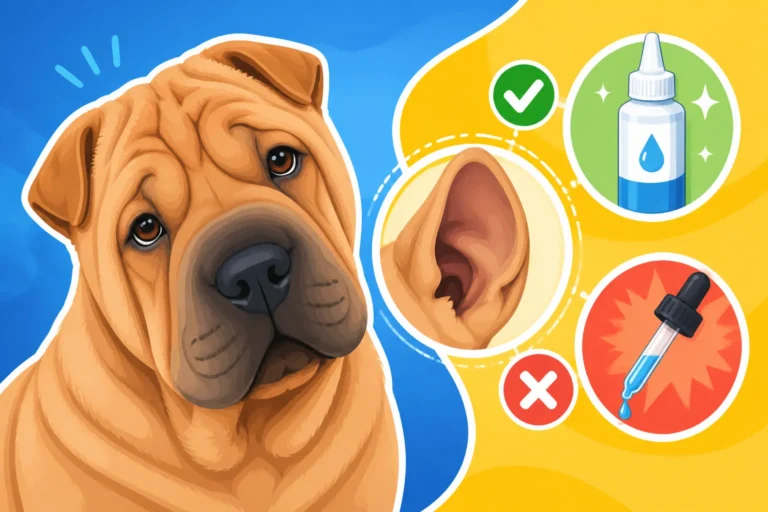
Your vet will not only diagnose any existing issues but also recommend the most appropriate ear cleanser for your dog's specific needs. Not all cleansers are created equal; some are better for dissolving wax, others for drying, and some contain antifungal or antibacterial agents. Using the wrong product can irritate the ear further or be ineffective against the specific pathogen causing the problem. They'll also provide critical advice on how often to clean, which can vary greatly depending on whether your Shar Pei has chronic issues or generally healthy ears. Whether a Shar Pei's Ear Canal Can Be Examined at All
Think of your vet as your co-pilot in maintaining your Shar Pei's ear health. Regular check-ups, especially if your dog has a history of ear problems, are essential. They can monitor the effectiveness of your cleaning routine, catch new problems early, and adjust treatments as needed. Never guess when it comes to your Shar Pei's ears; always seek professional guidance.
Proper Technique with Veterinary-Approved Cleansers
Once your vet has given you the green light and recommended a specific ear cleanser, you can begin a safe cleaning routine at home. Remember, the goal is to loosen and flush out debris, not to scrub or poke. Gather your supplies: your vet-approved ear cleanser, plenty of cotton balls or soft gauze pads (never cotton swabs!), and some treats for your patient Shar Pei.
Here's a step-by-step guide:
- Warm the Cleanser: If the cleanser is cold, it can be startling for your dog. Warm the bottle by holding it in your hands or placing it in warm water for a few minutes.
- Position Your Dog: Find a comfortable spot where your dog feels secure. If your Shar Pei is prone to wiggling, having a second person to gently hold them can be helpful. Reward calm behavior generously.
- Fill the Ear Canal: Gently pull the ear flap up and out to straighten the canal as much as possible. Hold the bottle tip near the opening of the ear canal and squeeze a generous amount of the liquid cleanser into the ear until the canal is full. You might hear a "squish" sound, which is good! Do not push the bottle tip into the ear. What to Clean a Shar Pei's Ears With
- Massage the Base of the Ear: This is the most important step. With the cleanser in the ear, gently but firmly massage the base of your Shar Pei's ear for 20-30 seconds. You should hear a squishing sound as the liquid cleanser breaks up wax and debris. This massage helps the cleanser reach all the nooks and crannies of the L-shaped canal.
- Allow Them to Shake: After massaging, stand back and allow your Shar Pei to shake their head. This helps to dislodge and expel the cleanser and debris. Be prepared; it can get a little messy, so having a towel handy is a good idea!
- Wipe the Outer Ear: Once they've shaken, use a fresh cotton ball or gauze pad to gently wipe away any visible cleanser, wax, or debris from the outer part of the ear flap and the very entrance of the canal. Remember, you are wiping out, not inserting anything in. Repeat with clean cotton balls until no more debris comes out.
- Reward: Always finish with praise and a high-value treat to make the experience positive.
It's crucial to be patient and gentle. If your Shar Pei shows signs of pain or extreme discomfort, stop and consult your vet again.
Incorporating Regular Routine Care
Consistency is key when it comes to maintaining your Shar Pei's ear health. How often you need to clean will depend largely on your individual dog and their history with ear infections. For some Shar Pei with consistently healthy ears, a thorough cleaning every 2-4 weeks might be sufficient. However, for those prone to recurrent infections, your vet might recommend cleaning once a week, or even more frequently during periods of high humidity or allergy flare-ups. How Often a Shar Pei's Ears Need Cleaning
Establishing a routine helps your Shar Pei become accustomed to the process, making it less stressful for everyone involved. Try to pick a consistent day and time, and always follow up with positive reinforcement. Many owners find quality ear cleansers at their vet's office, but you can also find a wide selection of vet-approved brands on platforms like Chewy or Amazon, just be sure to choose one specifically recommended by your vet. Some popular choices include those with drying agents or gentle, pH-balanced formulas.
The ultimate goal of routine care is prevention. By regularly flushing out debris and keeping the ear canal dry and healthy, you can significantly reduce the frequency and severity of ear infections. This proactive approach not only saves you money on vet bills and medication but, more importantly, spares your Shar Pei a great deal of discomfort and pain, allowing them to live a happier, healthier life. Don't forget, after baths or swimming, it's extra important to ensure their ears are thoroughly dried to prevent moisture from getting trapped. Whether a Shar Pei's Ears Should Be Dried After Bathing
Preventive Measures and Long-Term Ear Health
Managing your Shar Pei's ear health is often a long-term commitment, extending beyond just regular cleaning. While proper cleaning is crucial, truly safeguarding their ears means understanding and addressing the underlying factors that make them so susceptible to problems. It's about taking a holistic approach to their well-being.
Addressing Underlying Causes of Ear Infections
Many Shar Pei suffer from chronic ear infections, and often, these aren't just isolated issues but symptoms of a larger, systemic problem. One of the most common culprits behind recurrent ear infections in Shar Pei is allergies – both food and environmental. Just like humans, dogs can develop itchy, inflamed skin and ears in response to certain proteins in their diet or allergens in their environment like pollen, dust mites, or molds. If your Shar Pei is constantly battling ear infections, even with diligent cleaning, it’s essential to explore allergy testing or an elimination diet with your vet. Food Allergies in a Shar Pei
Beyond allergies, certain systemic health conditions can also manifest as chronic ear problems. Hypothyroidism, where the thyroid gland doesn't produce enough hormones, can lead to poor skin and coat health, including conditions in the ears. Similarly, some Shar Pei may have an IgA deficiency, which compromises their immune system's ability to fight off local infections, making them more vulnerable to persistent ear issues. If your vet suspects an underlying condition, they might recommend specific blood tests to investigate these possibilities. Hypothyroidism and IgA Deficiency in a Shar Pei
Treating the root cause is paramount. Simply cleaning infected ears without addressing the underlying allergy or hormonal imbalance is like trying to empty a leaking boat with a teacup – you'll never get ahead of the problem. A comprehensive approach that identifies and manages these systemic issues will not only improve your Shar Pei's ear health but also their overall quality of life, reducing their discomfort and your frustration significantly.
Professional Intervention When Home Care Isn't Enough
Despite your best efforts with home cleaning and managing underlying conditions, there might be times when your Shar Pei's ear problems escalate or become chronic. This is when professional veterinary intervention becomes absolutely critical. Sometimes, the ear canal becomes so inflamed, swollen, and filled with impacted debris that a simple at-home flush isn't enough. In these cases, your veterinarian might recommend a thorough ear cleaning under sedation.
Under sedation, your vet can use specialized instruments to safely and effectively remove stubborn wax plugs and debris from the deep, L-shaped canal. They can also get a much better view of the eardrum and collect samples for cytology or culture, identifying the specific bacteria or yeast causing the infection. Whether a Shar Pei Needs an Ear Culture This allows them to prescribe targeted medications for a more effective treatment plan. While sedation carries some risk and cost, it's often the only way to truly clear the ear and break the cycle of chronic infection, giving the ear a chance to heal.
For Shar Pei suffering from severe, chronic, and unresponsive ear infections that significantly impact their quality of life, a surgical procedure called a Total Ear Canal Ablation (TECA) might be considered as a last resort. This involves surgically removing the entire ear canal and often part of the middle ear, redirecting the outer ear into the inner ear. What a Total Ear Canal Ablation Means for a Shar Pei It's a major surgery that can lead to permanent hearing loss in the affected ear but can offer immense relief from chronic pain and infection. This is a decision made in close consultation with a veterinary surgeon, weighing the benefits against the significant implications. Ultimately, diligent home care combined with proactive veterinary partnership offers the best chance for long-term ear health and comfort for your beloved Shar Pei.
Safe vs. Unsafe Ear Care Practices for Shar Pei
To make it clear, let's lay out a quick comparison of what you should and shouldn't do when it comes to caring for your Shar Pei's delicate ears.
| Feature | Unsafe Practice (Avoid!) | Safe Practice (Recommended) |
|---|---|---|
| Tool for Cleaning | Cotton swabs, Q-tips, pointed instruments | Cotton balls, gauze pads, soft tissues |
| Method | Pushing, probing, scrubbing, inserting | Flushing, massaging, wiping gently |
| Product | Household items (vinegar, alcohol) | Vet-approved ear cleansers, specific medications |
| Frequency | Only when visibly dirty, sporadic | Regular routine (weekly/bi-weekly), as vet advises |
| Ear Examination | Trying to see deep inside with light | External visual check, smelling for odor, vet otoscope |
| Problem Solving | Self-diagnosing, waiting until severe | Early vet consultation, addressing underlying causes |
Disclaimer
This article is for general informational purposes only and does not constitute professional advice. Laws, prices and regulations vary by location and change over time. Consult a qualified professional for guidance on your specific situation.