Whether a Horse Coat Shar Pei Is Closer to the Original
Many people bringing a Shar Pei into their lives, or even just admiring them from afar, often ponder which of the distinct coat types truly harks back to the breed's ancient origins. It's not just a matter of aesthetics; there's often an underlying hope that a coat "closer to the original" might also imply a healthier, more traditional dog. This guide will explore the historical context of the Shar Pei's appearance, delve into the characteristics of its various coat types, and help clarify whether the Horse Coat truly is a direct lineage to the breed's earliest ancestors.
The Historical Tapestry of the Shar Pei's Appearance and Purpose
To understand which coat type might be closer to the original, we first need to cast our minds back to the Shar Pei's formative years in southern China, specifically the coastal provinces. These weren't pampered lapdogs; they were versatile working animals, deeply integrated into the lives of farmers and fishermen. They served as tenacious guard dogs, fiercely protecting property and livestock. They were also used for hunting, possessing a keen sense of smell and the stamina to track small game. And, somewhat controversially, their unique physical attributes were sometimes exploited in dog fighting, although this was never their primary purpose. The breed's loose skin, often cited as a fighting advantage, served a more practical purpose in protecting them from wild boars or other threats while hunting or guarding. You can learn more about their historical roles in What a Shar Pei Was Originally Bred to Do.
Descriptions from this period, though scarce and often anecdotal, paint a picture of a rugged, utilitarian dog. The focus was on functionality rather than exaggerated aesthetics. The coat, for instance, was always described as short and harsh. Imagine a bristly texture, almost like coarse sandpaper, that would offer protection from the elements, brambles, and even bites from other animals, without being so long that it would easily snag or overheat in the humid climate. This "sandpaper" feel is a hallmark trait, and it made sense for a dog that spent its days working outdoors. For insights into this unique texture, check out Why a Shar Pei's Coat Feels Like Sandpaper. The wrinkles, while present, were much less pronounced than in many modern Shar Pei. They were functional, mostly around the head and neck, allowing for a wider range of motion and possibly protecting vital areas during skirmishes. The overall impression was of an agile, muscular dog, not the massively wrinkled specimens we often see today.
Deciphering Shar Pei Coat Types: Horse Coat, Brush Coat, and the Rare Bear Coat
When we talk about Shar Pei coats, we primarily discuss two types: Horse Coat and Brush Coat. A third, much rarer type, known as Bear Coat, also exists but is not recognized by official breed standards. Each has its own distinct characteristics and implications for the dog's appearance and care.
The Horse Coat: A Prickly Pedigree
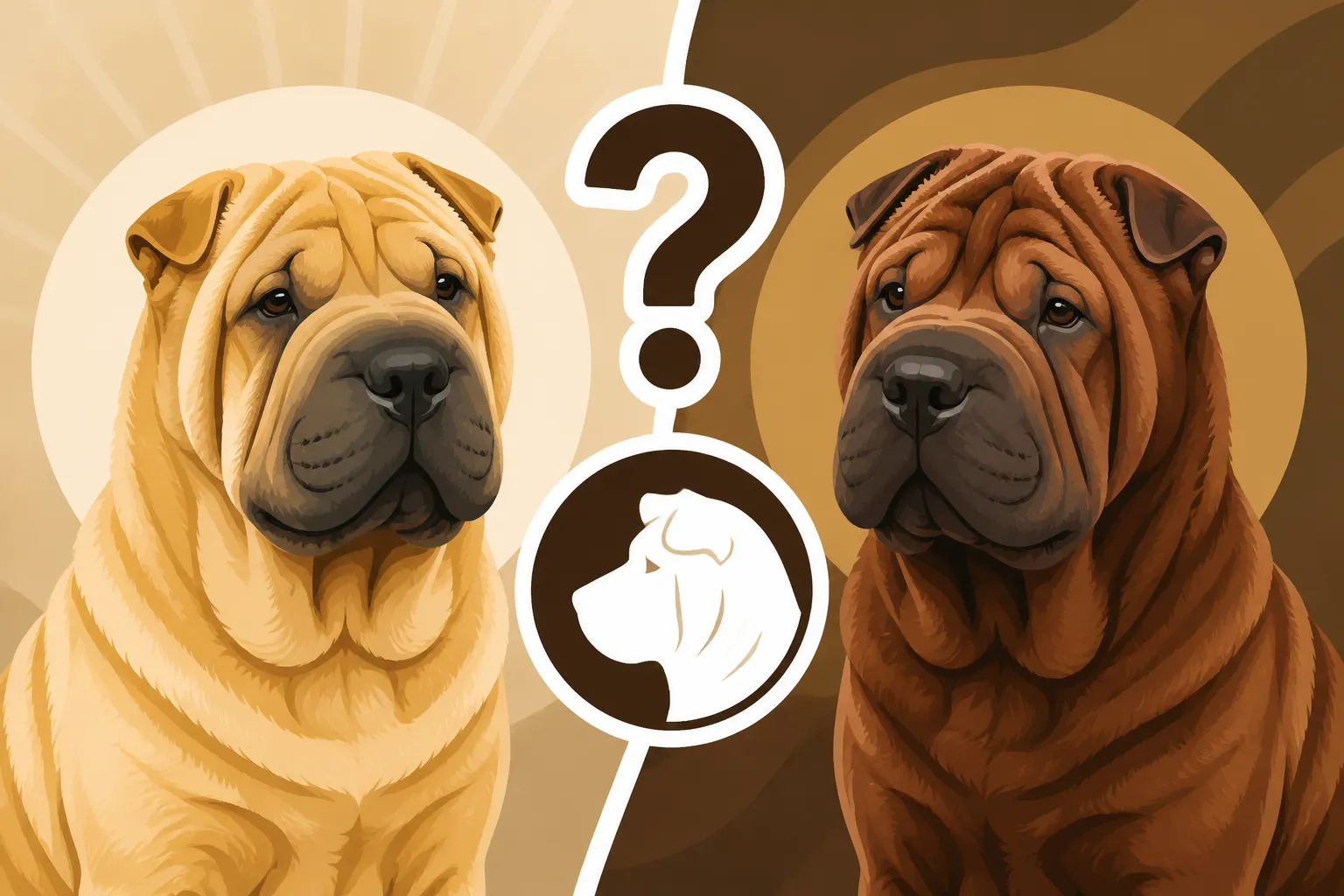
The Horse Coat is the shortest and arguably the most distinctive of the Shar Pei coats. It's less than half an inch long, incredibly harsh to the touch, and often feels like stiff bristles or even a scouring pad. There's little to no undercoat, which contributes to its rough, prickly texture. When you stroke a Horse Coat Shar Pei, your hand almost catches on the individual hairs, making it a truly unique tactile experience. This coat type is frequently associated with more abundant wrinkling, especially over the body, not just the head. The starkness of the short coat tends to accentuate these folds, making them appear even more prominent.
Historically, this Horse Coat texture is widely believed to be the closest in texture and length to the original working Shar Pei of ancient China. Its harshness would have provided excellent protection against thorny brush and insects, making it perfectly suited for a dog tasked with guarding and hunting in rugged terrain. However, while the texture might be original, it's important to remember that the degree of wrinkling on many modern Horse Coats can be an exaggeration that developed much later. From a practical standpoint, the Horse Coat can sometimes be more prone to skin irritation due to its stiffness and tendency to trap moisture within deep folds, leading to conditions like skin fold dermatitis. Owners often find these dogs shed sharp, needle-like hairs that embed themselves in furniture and clothing, which can be quite a challenge.
The Brush Coat: The More Common Companion
The Brush Coat is slightly longer than the Horse Coat, typically ranging from a half-inch to about an inch in length. It's much softer and smoother to the touch, feeling more like velvet or felt, and generally has a denser undercoat. This coat type usually presents with fewer wrinkles, which are often more confined to the head and neck, giving the dog a slightly less "exaggerated" look compared to many Horse Coats. While still a distinctive Shar Pei, the Brush Coat offers a softer aesthetic and tactile experience.
While the Brush Coat developed slightly later in the breed's history, it is still a traditional and recognized coat type. It's often favored by those who find the Horse Coat's texture irritating or prefer a dog with slightly less intense wrinkling. From a care perspective, Brush Coat Shar Pei tend to shed more visibly due to the longer hair, but their skin might be less prone to deep fold issues simply because they often have fewer, shallower folds. Grooming involves regular brushing, which can be done with a simple curry comb or slicker brush found readily on sites like Chewy or Amazon, to manage the shedding and keep the coat healthy.
The Bear Coat: The Unofficial Variant
The Bear Coat is the rarest and most striking variant, characterized by hair that is longer than one inch, often resembling a Chow Chow's coat. It is fluffy, soft, and completely covers the traditional Shar Pei wrinkles, giving these dogs a very different appearance. This coat type is considered a disqualification in breed standards and is typically seen only in dogs from less reputable breeders, often marketed as "rare." It's not historically accurate and arose from specific genetic combinations. While undeniably adorable to some, these dogs often come with their own set of unique grooming challenges due to the long, dense fur.
The Journey Through Near Extinction and the Evolution of the Breed Standard
The Shar Pei's journey through history has been tumultuous, dramatically shaping its appearance, including the prevalence of different coat types. By the 1970s, due to political changes and a dog tax in China, the breed faced near extinction, with estimates suggesting as few as sixty Shar Pei remained worldwide. It was a dire situation, prompting Matgo Law to pen a desperate appeal to Dogs magazine in 1978, effectively saving the breed from oblivion. This pivotal moment is detailed in Sixty Shar Pei Were Left in 1978 and One Letter to a Dog Magazine Saved the Shar Pei.
The influx of these few remaining dogs into Western countries, particularly America, marked the beginning of the breed's revival. However, this small gene pool meant that breeding efforts were focused on increasing numbers quickly. Unfortunately, this period also coincided with a growing fascination with the Shar Pei's unique wrinkled appearance. Western breeders, eager to highlight what made the Shar Pei distinct, began to selectively breed for more and more wrinkles. This is where the divergence from the "original" look really took off.
While the Horse Coat texture is indeed historically closer to the original Chinese working dogs, the extent of wrinkling seen in many modern Horse Coat Shar Pei is a direct result of these post-1970s breeding practices. The original Shar Pei had fewer wrinkles, primarily concentrated on the head and neck, crucial for their function as working dogs. The proliferation of body wrinkles, particularly the deep, exaggerated ones, became more pronounced as breeders tried to meet a perceived aesthetic demand. This intense selection for wrinkles inadvertently amplified the presence of the genetic mutation responsible for both the wrinkles and certain health issues, such as Shar Pei Fever. This complex relationship is explored further in Whether Breeders Knew the Wrinkle Gene Carried the Fever and Whether Western Breeders Made the Shar Pei Wrinklier. So, while the Horse Coat feels like a nod to the past, its visual manifestation today often carries the imprint of a more recent, Westernized breeding ideal.
Implications for Today's Shar Pei Owners: Health, Care, and "Originality"
For today's Shar Pei owner, understanding the historical context of coat types isn't just an academic exercise; it has real implications for daily care and expectations regarding health. When considering if a Horse Coat Shar Pei is "closer to the original," it's true in terms of its rough texture, but not necessarily in the sheer volume of wrinkles. The belief that "original" automatically equates to "healthier" is a common misconception that needs to be approached with a realistic perspective.
Care Considerations for Each Coat Type
The distinct characteristics of each coat type necessitate slightly different approaches to grooming and overall care.
- Horse Coat Shar Pei: These dogs typically require less overall brushing, but their skin demands close attention. The short, stiff hairs, combined with often deeper and more numerous wrinkles, can create environments ripe for skin issues. Moisture, dirt, and yeast can easily get trapped within the folds, leading to irritation and infections. Regular cleaning of these folds with appropriate wipes or solutions is paramount. After baths, which should be done with a veterinarian-recommended shampoo (many of which are available on Amazon or Chewy), meticulous drying is non-negotiable. Every fold, crevice, and wrinkle must be thoroughly dried to prevent fungal or bacterial growth. This meticulous drying process is critical and is often more important than the washing itself, as discussed in Drying Is More Important Than Washing on a Shar Pei. Furthermore, some individuals find the sharp, shedding hairs of a Horse Coat to be an irritant to human skin, which is something to consider if you have sensitive skin or allergies.
- Brush Coat Shar Pei: While generally having fewer and shallower wrinkles, Brush Coat Shar Pei still require attention to their skin health. Their slightly longer and denser coat means they typically shed more noticeably, often requiring more frequent brushing to manage loose hair. However, their skin tends to be less prone to the severe fold dermatitis sometimes seen in heavily wrinkled Horse Coats. Their softer texture makes them more pleasant to pet for many, and their shedding hair is usually less prickly.
- Bear Coat Shar Pei: Though not recognized by breed standards, Bear Coat Shar Pei demand the most intensive grooming. Their long, fluffy coats are prone to matting and tangling, requiring daily brushing to prevent painful knots and maintain skin health underneath. Owners of Bear Coats will find themselves frequently visiting Chewy or other pet supply stores for various brushes, combs, and detangling sprays.
The Realities of Shar Pei Health
Regardless of coat type, it's crucial to acknowledge that the Shar Pei breed as a whole carries a predisposition to certain health conditions, many of which are linked to the very genes that give them their distinctive appearance. The skin, for instance, is often referred to as the Shar Pei's largest problem by surface area due to a host of potential issues like skin fold dermatitis, allergies, and mucinosis. Skin Is the Shar Pei's Largest Problem by Surface Area delves into these challenges.
While a Horse Coat might be texturally "closer" to the original, this does not confer immunity to these breed-specific health issues. In fact, the exaggerated wrinkling often seen in modern Horse Coats can sometimes exacerbate skin problems. Responsible breeding practices, focusing on health testing and striving for a moderate, functional conformation, are far more indicative of a dog's potential well-being than simply its coat length or texture. When choosing a Shar Pei, prioritize a breeder who is transparent about health clearances, genetic testing, and the health history of their lines, rather than solely focusing on a coat type perceived as "original." A truly healthy Shar Pei is the goal, no matter the coat. Nutrition also plays a significant role in managing skin health; many owners explore specialized diets, sometimes opting for fresh food options from services like Ollie, or limited ingredient kibble from brands found on Chewy, if their vet suspects food sensitivities.
Ultimately, while the Horse Coat Shar Pei does indeed share more textural characteristics with its ancient ancestors, the modern interpretation of its appearance, particularly concerning wrinkle abundance, has evolved considerably since the breed's near extinction. The concept of "originality" offers a fascinating glimpse into history, but when it comes to the well-being of your beloved companion, responsible care, attentive grooming tailored to their coat type, and vigilance regarding breed-specific health issues are far more important than any historical lineage.
Disclaimer
This article is for general informational purposes only and does not constitute professional advice. Laws, prices and regulations vary by location and change over time. Consult a qualified professional for guidance on your specific situation.