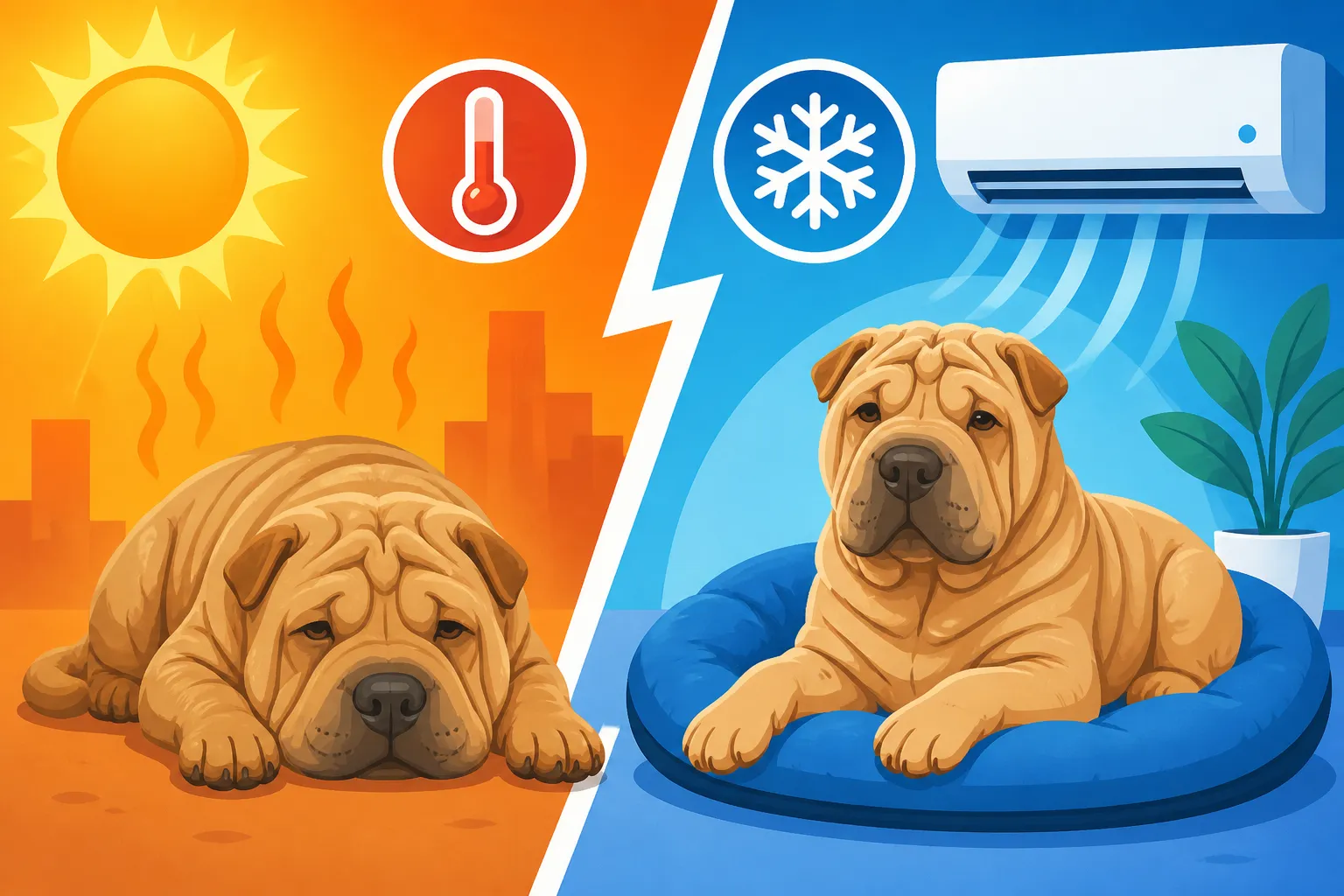
Whether a Shar Pei Needs Air Conditioning
It’s a sweltering summer day, and you're watching your beloved Shar Pei panting heavily, looking utterly miserable, even indoors. That gnawing worry sets in: are they too hot? You start to question if your home environment is truly safe for them when the temperatures climb. This guide will help you understand why Shar Peis are particularly vulnerable to heat, the serious risks of overheating, and how essential air conditioning can be in keeping your wrinkled companion comfortable and healthy, outlining practical strategies to manage the heat.
Why Shar Peis Struggle So Much with Heat
Our wonderful Shar Peis, with their distinctive features and charming personalities, unfortunately come with a few design quirks that make them particularly susceptible to overheating. It’s not just about a thick coat; it's a combination of factors rooted in their anatomy and breed characteristics that make hot weather a genuine health concern. Understanding these underlying issues is the first step in ensuring their comfort and safety.
Their Unique Anatomy and Respiratory System
One of the primary reasons Shar Peis struggle in the heat lies in their head structure. While not as extreme as some other brachycephalic (short-nosed) breeds like Bulldogs or Pugs, many Shar Peis do have a somewhat flattened or compact muzzle. This means their respiratory passages can be narrower and less efficient at cooling their bodies through panting. Dogs don't sweat like humans do; their main cooling mechanism is panting, where rapid, shallow breaths evaporate moisture from their tongues and respiratory tracts. If these passages are constricted, the process becomes much harder, like trying to breathe through a pinched straw.
Furthermore, the folds and wrinkles around their face, while iconic, can trap heat and make it difficult for air to circulate freely. This creates tiny microclimates where heat can build up, adding to their overall thermal burden. Imagine wearing a heavy blanket over your face in the heat – that’s a bit what it’s like for them. Their beautiful, often dense coats, whether they're the harsh horse coat or the softer brush coat, also act as insulation, which is fantastic in cooler climates but a significant disadvantage when the mercury rises. This means they are constantly fighting an uphill battle against rising internal temperatures, even when just relaxing indoors.
Historical Adaptation and Modern Living
Historically, the Shar Pei originated in a region of China with a varied climate, but their purpose was often to guard and hunt, tasks that didn't necessarily involve prolonged exposure to extreme, humid heat in enclosed modern homes. Their physical traits were developed for protection and utility, not for lounging in air-conditioned comfort, which wasn't an option. Today, as cherished family members, they live in diverse environments, often in urban or suburban settings where concrete and asphalt absorb and radiate heat, creating urban heat islands. This makes their immediate outdoor environment significantly hotter than a natural, shaded landscape.
Moreover, their naturally independent and sometimes stoic nature can make it hard to tell when they are truly suffering. A Shar Pei might quietly endure discomfort until they are in serious distress. This means owners must be proactive, rather than reactive, about heat management. We can't rely on them to dramatically signal their needs. It's up to us to create an environment where they don't even have to try. Knowing What Temperature a Shar Pei Is Comfortable In is crucial to avoid putting them in a risky situation from the outset.
The Serious Dangers of Overheating for a Shar Pei
Ignoring the signs of overheating in a Shar Pei isn't just about discomfort; it can quickly become a life-threatening emergency. Heatstroke is a grave concern for this breed, and understanding its progression and symptoms is absolutely paramount for every Shar Pei guardian. The consequences of not acting swiftly can be devastating, leading to irreversible organ damage or worse.
Recognizing the Signs of Heatstroke
Early recognition is key when it comes to heatstroke. While some panting is normal for a dog, excessive, rapid, and heavy panting, especially if it seems labored or involves a wide-open mouth and flared nostrils, is a major red flag. Look for changes in their gums – they might become bright red initially, then turn pale or even bluish as their condition worsens. Their tongue might also appear darker or excessively floppy. You might notice a thick, ropey saliva, indicating dehydration.
Beyond these more obvious respiratory signs, keep an eye out for behavioral changes. An overheated Shar Pei might become disoriented, stumble, or appear uncoordinated. They may seem lethargic, weak, or even collapse. Vomiting and diarrhea can also occur. As heatstroke progresses, seizures can begin, and they may lose consciousness. If you see any of these signs, particularly the more severe ones, your Shar Pei needs immediate veterinary attention. Don't delay, as every minute counts when their internal temperature is dangerously high.
Long-Term Health Consequences
The damage caused by heatstroke can extend far beyond the immediate crisis. When a dog’s body temperature rises to extreme levels, it can trigger a cascade of internal problems. Organs like the kidneys, liver, and brain are highly susceptible to heat damage. Even if a Shar Pei recovers from an acute heatstroke episode, they might be left with permanent organ impairment, making them more vulnerable to other health issues down the line. For example, severe heatstroke can damage the kidneys, potentially contributing to conditions like amyloidosis which is already a significant concern in the breed.
The lining of the gut can also be compromised, leading to issues like bloody diarrhea and increasing the risk of systemic infection. The blood clotting system can be disrupted, leading to internal bleeding. It's a full-body assault, and the recovery process, if successful, can be long and arduous, requiring extensive veterinary care. Prevention, therefore, is not just about comfort; it's about protecting their long-term health and well-being. Understanding How Easily a Shar Pei Overheats helps underscore the importance of these preventative measures.
Air Conditioning: A Necessity, Not a Luxury
Given their unique vulnerabilities, for many Shar Pei owners, air conditioning isn't merely a comfort during the summer months; it's a vital component of their dog's health and safety plan. Especially if you live in a climate with consistently high temperatures or humidity, relying solely on fans or shade might simply not be enough.
Why AC Provides Superior Cooling
Fans work by circulating air, which helps evaporate moisture from a dog's respiratory tract, aiding their natural cooling process. However, fans don't actually cool the air; they just move it around. If the ambient air temperature is already very high, a fan alone won't reduce your Shar Pei's core body temperature effectively. Think about how a fan feels to you on a really hot, humid day – it might feel slightly better, but you're still hot.
Air conditioning, on the other hand, actively removes heat and often humidity from the air, creating a truly cooler environment. This significant drop in ambient temperature directly helps your Shar Pei shed heat from their body more efficiently, allowing their panting mechanism to work without being overwhelmed. It reduces the effort their body needs to expend trying to cool down, preventing them from reaching dangerous internal temperatures. In humid climates, AC's dehumidifying function is equally important, as high humidity makes evaporative cooling (panting) much less effective. Many Shar Peis with skin issues, already prone to Skin Fold Dermatitis on a Shar Pei, can also find relief from the drier air in an AC environment.
Planning for Power Outages and Unforeseen Circumstances
While air conditioning is a fantastic solution, it's not foolproof. Power outages, especially during summer storms, can suddenly leave your home without this essential cooling. Having a backup plan is critical. This might involve identifying a friend's or family member's home with AC that you can take your Shar Pei to, or knowing the location of a dog-friendly, air-conditioned public space (like certain pet stores or malls) where you can seek temporary refuge.
Consider having an emergency cooling kit readily available. This could include pre-soaked cooling towels (that you can re-wet and chill), a spray bottle with cool water, and a supply of fresh, cold water. Cooling mats that don't require electricity (many use gel that activates with pressure) can also offer a spot of relief if the power goes out. You can find many options for cooling mats and vests on Amazon or Chewy, which are easy to keep on hand. For times when you might be away from home, understanding What a Shar Pei Owner Should Have at Home for emergency heat management is vital.
Comprehensive Heat Management Strategies
While air conditioning is incredibly important, it's just one piece of the puzzle. A holistic approach to heat management involves several layers of protection, ensuring your Shar Pei stays safe and comfortable, whether they're indoors or venturing out for a short, necessary potty break.
Optimizing Their Indoor Environment
Even with AC, there are ways to make your home even more comfortable for your Shar Pei. Keep blinds or curtains closed during the hottest parts of the day to block direct sunlight, which can significantly heat up rooms. Use ceiling fans or oscillating fans in conjunction with AC to improve air circulation, helping to disperse any pockets of warm air that might accumulate. Always ensure fresh, cool water is readily available in multiple bowls throughout the house. Adding ice cubes to their water bowl can entice them to drink more, helping with hydration. Consider a pet water fountain, which keeps water circulating and often cooler.
Create designated "cool zones" for them. This might be a tile floor in a bathroom or kitchen, or a cooling mat placed in a shaded area. Many dogs naturally gravitate to cooler surfaces. If your Shar Pei enjoys a slightly elevated bed, a mesh-style raised cot can improve airflow underneath them, preventing heat from building up where they lie. If you're a fan of fresh, nutritious meals, even brands like Ollie (or similar fresh food services) can be tempting in the heat, just ensure it's served promptly. For outdoor time, consider investing in a cooling vest, easily found on Chewy or Amazon, which can provide temporary relief during short supervised outings.
Managing Outdoor Exposure and Activity
Outdoor activity for a Shar Pei in warm weather needs to be carefully monitored and severely limited. Restrict walks and outdoor playtime to the coolest parts of the day – early morning or late evening – when temperatures are significantly lower. Always check the pavement temperature with the back of your hand; if it’s too hot for you to hold your hand there for five seconds, it’s too hot for your dog's paws. Why Heat Limits a Shar Pei's Walk is a direct result of their physiological challenges.
Even during brief outdoor excursions, carry water and a portable bowl. Avoid strenuous exercise altogether when it’s hot. Remember that humidity exacerbates heat, so a 75°F day with high humidity can feel much hotter and be more dangerous than a dry 85°F day. Never, ever leave your Shar Pei alone in a car, even for a few minutes, even with the windows cracked. The temperature inside a car can skyrocket in minutes, creating a deadly oven. It's also important to know How to Cool a Shar Pei Down quickly if they do show any signs of overheating after outdoor exposure, even a short one. The safest approach is always prevention over treatment when it comes to heat and your beloved Shar Pei.
| Cooling Method | Description | Effectiveness in High Heat | Pros | Cons |
|---|---|---|---|---|
| Air Conditioning | Actively cools and dehumidifies ambient air. | Very High | Reduces ambient temperature effectively; ideal for sustained cooling. | Requires electricity; expensive to run; not portable for emergencies or car travel. |
| Fans (Ceiling/Box) | Circulates air, aiding evaporative cooling from panting. | Moderate (if air is hot) | Inexpensive; easy to move; better than stagnant air. | Does not cool air temperature; less effective in high humidity or extreme heat. |
| Cooling Mats/Beds | Gel-filled mats or raised mesh beds that provide a cooler surface. | Moderate | Portable; some don't require electricity; provides immediate contact cooling. | Limited to the contact area; may not significantly lower core body temp in severe heat. |
| Cooling Vests/Bandanas | Worn on the dog, often soaked in water to provide evaporative cooling. | Moderate | Portable; good for short outdoor trips; offers body surface cooling. | Needs re-wetting; effectiveness diminishes as water evaporates; can be bulky. |
| Shade & Hydration | Access to shade and plenty of fresh, cool water. | Low to Moderate | Essential basic care; natural and always available outdoors. | Not enough for high temperatures; only mitigates direct sun; water can warm quickly. |
| Frozen Treats/Ice | Ice cubes in water, frozen kongs, or pet-safe popsicles. | Low | Hydrating; entertaining; offers internal cooling. | Very temporary; does not significantly impact core body temperature during prolonged heat. |
Disclaimer
This article is for general informational purposes only and does not constitute professional advice. Laws, prices and regulations vary by location and change over time. Consult a qualified professional for guidance on your specific situation.