How to Cool a Shar Pei Down
One of the most concerning challenges for any Shar Pei owner is the breed's particular vulnerability to overheating. It's not just about them getting a bit warm; their unique physiology can quickly turn a pleasant day into a dangerous emergency. This guide is here to walk you through exactly why your beloved Shar Pei struggles with heat, how to act swiftly if they do overheat, and most importantly, how to set up preventative measures to keep them cool, comfortable, and safe, no matter the season.
Why Shar Pei Are So Susceptible to Overheating
It's easy to look at a Shar Pei and see those beautiful wrinkles and that distinctive coat, but those very features, combined with some less obvious internal characteristics, make them incredibly prone to overheating. It's a frustrating reality for owners who simply want their dogs to enjoy the outdoors, but understanding these factors is the first step toward effective management.
Brachycephalic Tendencies and Breathing Challenges
While not officially classified as a brachycephalic breed like Bulldogs or Pugs, many Shar Pei, especially those with more pronounced "meat mouths," share similar anatomical traits that can hinder efficient cooling. Their relatively short muzzles and sometimes constricted airways mean they can't pant as effectively as dogs with longer snouts. Panting is a dog's primary way of dissipating heat through evaporative cooling from their tongue and respiratory tract. If this process is compromised, their internal temperature can rise rapidly.
Think about trying to breathe through a damp sponge; it's just not as efficient as clear, open airways. For a Shar Pei, the very structure of their face can create a similar struggle, especially when they're exerting themselves or the ambient temperature rises. This reduced airflow means they have to work harder to get the same cooling effect, which in turn generates more body heat, creating a dangerous cycle. It's a silent struggle that often goes unnoticed until it's too late, underscoring the need for constant vigilance.
Dense Coat and Body Heat Retention
The Shar Pei's coat, whether it's the rough "horse coat" or the slightly softer "brush coat," is remarkably dense and can act like an insulating blanket. While this might be a blessing in cooler climates, it's a significant liability when the mercury rises. Unlike dogs with thinner or double coats that can "blow" their undercoat, the Shar Pei's fur holds heat close to their body, making it difficult for natural convection to cool them down.
This insulating effect means that even if the air around them is cooler, their body heat struggles to escape. Imagine wearing a heavy wool sweater on a hot day; you'd quickly feel trapped and overheated. Your Shar Pei experiences something similar. This is compounded by the fact that Whether a Shar Pei Pants More Than Other Dogs is often true, making their only other significant cooling mechanism, panting, even more critical and potentially overtaxed.
The Role of Skin Folds in Trapping Heat and Moisture
Those iconic wrinkles are a hallmark of the breed, but they also create numerous pockets where heat and moisture can become trapped. These deep folds, especially around the face, neck, and chest, prevent air circulation against the skin. This leads to a build-up of warmth and humidity, creating a microclimate that is ripe for skin issues and, crucially, contributes to overall body heat retention.
Beyond the external wrinkles, a Shar Pei's skin itself can be prone to issues like mucinosis, which can also affect how their skin breathes and regulates temperature. Trapped moisture within these folds can also exacerbate existing skin conditions or create new ones, making proper hygiene and drying paramount for both health and comfort. Skin Is the Shar Pei's Largest Problem by Surface Area, and these folds are a significant part of that equation, impacting not just their skin health but also their ability to manage heat effectively.
Immediate Actions for an Overheated Shar Pei
Discovering your Shar Pei is overheating can be terrifying. Their condition can deteriorate very quickly, so knowing exactly what to do in those crucial first moments can make all the difference. Panicking won't help your dog, but swift, decisive action absolutely will.
Moving to a Cooler Environment Instantly
The absolute first thing you must do is get your Shar Pei out of the heat source immediately. This means moving them into a shaded area, an air-conditioned car, or ideally, an air-conditioned room indoors. Every second counts, so don't delay in seeking a cooler spot. If you're out on a walk and notice signs, cut the walk short, pick them up if possible, and head straight for the nearest shade or air-conditioned vehicle.
The difference a few degrees can make to an already struggling Shar Pei is monumental. Don't underestimate the passive cooling that simply getting out of direct sunlight or a stifling hot environment can provide. Even if it's just finding the shade of a large tree, it's a critical first response that buys you precious time while you implement further cooling measures.
Applying Cool Water, Not Ice, to Key Areas
Once you're in a cooler spot, begin to cool your dog down. The key is cool water, not ice-cold water. Ice water can cause blood vessels to constrict, actually hindering the body's ability to release heat, and can even put them into shock. Focus on applying cool water to their paws, the groin area, armpits, and neck – places where large blood vessels are close to the surface, allowing for more efficient cooling. You can use a damp towel or sponge, or gently hose them down if available.
Avoid soaking their entire body, especially if their coat is very dense, as this can trap heat. Instead, concentrate on those high-traffic areas where evaporative cooling can be most effective. You might gently fan them simultaneously to help increase the rate of evaporation. Continuously monitor their temperature if you have a rectal thermometer, aiming to bring it down slowly and steadily.
Offering Water and Electrolytes for Rehydration
An overheated Shar Pei is likely dehydrated, and rehydration is critical. Offer them small amounts of cool, fresh water. Don't let them gulp down a huge bowl, as this could cause stomach upset or even bloat. If they are unwilling to drink, you can try wetting their tongue with a little water, but never force water into their mouth.
For dogs experiencing significant heat stress, some owners keep electrolyte solutions on hand, which can be found at pet supply stores or online retailers like Chewy or Amazon. These can help replenish lost salts and minerals. However, if your dog is showing severe symptoms, water is the priority, and then a vet visit is paramount. If they're too weak to drink, a vet will be able to administer fluids intravenously.
Preventive Daily Heat Management Strategies
Prevention is always better than cure, especially when it comes to heat and Shar Pei. Integrating simple, consistent heat management practices into your daily routine can dramatically reduce the risk of your dog ever reaching a dangerous state. It's about thinking ahead and adjusting your lifestyle to suit your Shar Pei's unique needs.
Timing Walks and Outdoor Activities Strategically
This is probably the most crucial preventative measure. Avoid walking your Shar Pei during the hottest parts of the day, which are typically between 10 AM and 4 PM. Instead, plan walks for early morning or late evening when temperatures are significantly cooler. Pay attention to the ground temperature, not just the air temperature; asphalt and pavement can get scorching hot, burning paw pads and radiating heat up to your dog's body.
Even on overcast days, humidity can make the heat feel much worse for a Shar Pei. Always consider the "feels like" temperature. A short, five-minute potty break might be acceptable during the day, but anything more strenuous should be reserved for cooler hours. Remember, What Temperature Is Too Hot for a Shar Pei isn't just a number; it's a combination of temperature, humidity, and activity level. If you absolutely must be out during warmer times, keep it brief, stick to shaded grassy areas, and carry water.
Providing Constant Access to Shade and Fresh Water
This might sound obvious, but it's often overlooked. If your Shar Pei spends any time outdoors, they must have constant access to deep, inviting shade. A dog house in the sun doesn't count, and neither does a small patch of shade that disappears in an hour. Consider a sturdy canopy, a shaded patio, or bringing them inside entirely when the sun is strong.
Equally important is an abundance of fresh, cool water. Have multiple water bowls available, both inside and out. Add ice cubes to outdoor bowls to keep the water cooler for longer. Change the water frequently, as stale, warm water is far less appealing and hydrating. A portable water bottle and collapsible bowl are absolute must-haves for any outing. You can find durable, travel-friendly options for water on Chewy.
Maintaining a Cool and Comfortable Indoor Environment
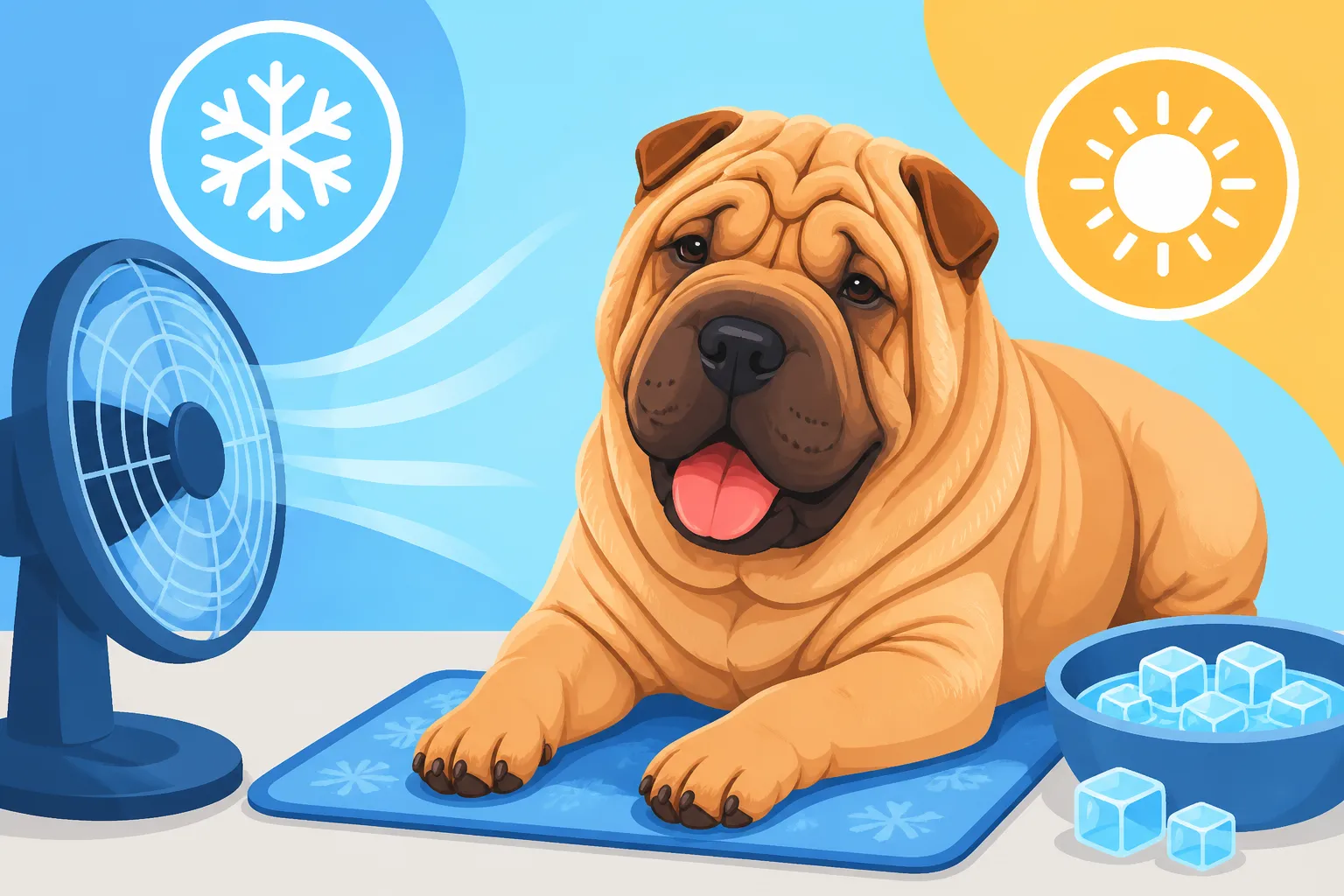
Your home should be a sanctuary from the heat for your Shar Pei. Air conditioning is ideal, but if that's not feasible, strategically placed fans can help circulate air and create a cooling breeze. Position fans at floor level where your dog spends most of their time. Consider reflective window coverings to block direct sunlight and keep rooms cooler.
Even if you have AC, setting it a little lower than you might for yourself can make a big difference for your dog. Remember, they're wearing a permanent fur coat! If you're going to be away from home, leave the AC or fans running, or ensure they have access to the coolest part of the house. Don't leave them in a closed-up room that can quickly become an oven.
Essential Cooling Gear and Accessories
Beyond environmental adjustments, there's a fantastic array of products available that can provide direct cooling relief for your Shar Pei. Investing in some of these items can be a game-changer for their comfort and safety.
Cooling Mats and Beds
Cooling mats are brilliant for Shar Pei. These mats often contain a gel that activates with pressure, providing a cool surface for your dog to lie on. They require no refrigeration or electricity, making them very convenient. Place one in your Shar Pei's favorite resting spot, and they'll quickly learn to seek it out when they feel warm. They offer localized cooling that can help bring down core body temperature.
There are many brands and sizes available, so look for one that's durable and easy to clean. You can often find a good selection on retailers like Amazon or Chewy. Some cooling mats are also designed to be placed inside a dog bed for added comfort. Whether a Cooling Mat Helps a Shar Pei is a resounding yes, as they provide a self-regulating cool spot that dogs instinctively use.
Cooling Vests and Bandanas
Cooling vests and bandanas work by evaporative cooling. You soak them in water, wring them out, and then put them on your dog. As the water evaporates, it draws heat away from your dog's body. These are particularly effective for walks or brief outdoor excursions when you need active cooling. For a Shar Pei, ensuring the vest is not too bulky or tight around their chest and neck is key, so it doesn't restrict breathing or trap more heat.
While Whether a Cooling Vest Reaches a Shar Pei's Skin is a valid concern given their dense coats and wrinkles, many designs are made with mesh or thin, absorbent materials that maximize direct skin contact. Focus on vests that cover the chest and back without adding excessive bulk, and always ensure they are damp, not dripping wet, for optimal evaporation.
Portable Fans and Water Bottles
For those times when you're on the go, a portable, battery-operated fan can be incredibly useful. Directing a gentle breeze onto your Shar Pei, especially their face and chest, can aid in evaporation and provide immediate relief. Pair this with a dedicated doggy water bottle that has an attached bowl, and you're well-equipped for any unexpected temperature rises.
These handheld fans and portable water solutions are not just for emergencies; they're excellent for taking to the park, on car rides, or even just sitting on the patio. Keeping your Shar Pei hydrated and having the ability to create a bit of airflow can prevent a situation from escalating. Don't forget that How Many Minutes a Shar Pei Has in a Warm Car is very few, so proper cooling gear and not leaving them alone in the car are non-negotiable.
Dietary and Hydration Support for Heat Management
What your Shar Pei eats and how much they drink plays a significant, though often underestimated, role in their overall ability to cope with heat. A well-hydrated dog with a healthy diet is better equipped to regulate their body temperature and maintain vital functions.
Encouraging Adequate Water Intake
Beyond just having water available, you need to actively encourage your Shar Pei to drink. Some dogs aren't big drinkers, and others might be too distracted by activity to hydrate sufficiently. Here are a few tricks:
- Multiple Bowls: Place water bowls in various locations around your home and yard.
- Fresh and Cool: Always provide fresh, cool water. Change it several times a day.
- Ice Cubes: Many dogs love to play with or chew on ice cubes, which can increase their water intake.
- Water Fountains: Some dogs are enticed by the running water of a pet fountain.
- Flavor Boosts: A tiny splash of low-sodium chicken broth can sometimes make water more appealing, but be mindful of their specific dietary needs and potential allergies.
Remember, every sip helps, and consistent hydration throughout the day is key to preventing dehydration, which compounds the risk of overheating.
Hydrating Foods and Supplements
Consider incorporating more moisture-rich foods into your Shar Pei's diet, especially during warmer months. Wet dog food, for example, has a much higher water content than kibble. You could also mix some warm water or a pet-safe bone broth into their dry kibble to increase hydration.
Certain fresh dog food brands, like Ollie, prioritize fresh ingredients with higher natural moisture content. While not a substitute for drinking water, a diet rich in moisture can contribute to overall hydration. Additionally, some supplements, like fish oil, can support overall skin health which, as we discussed, is crucial for Shar Pei, indirectly helping with their ability to manage environmental factors.
Recognizing Danger Signs and When to Call the Vet
Knowing the early signs of heat stress is critical, but it's equally important to distinguish between mild discomfort and a full-blown emergency. Your vigilance can literally save your Shar Pei's life. Don't hesitate to seek professional help if you're unsure or if symptoms worsen.
Symptoms of Heat Exhaustion Versus Heatstroke
It's vital to know the difference between heat exhaustion and the far more dangerous heatstroke.
Heat Exhaustion (Early Signs):
- Excessive panting: More than usual, heavy, or labored breathing.
- Increased thirst: Drinking more frequently or frantically.
- Dark red gums: Gums may appear bright red instead of a healthy pink.
- Slight lethargy: Your dog might seem a bit tired or sluggish.
- Warm to touch: Their body might feel unusually warm.
At this stage, immediate cooling measures as described above are crucial. If caught early, heat exhaustion can often be managed at home, but careful monitoring is still needed.
Heatstroke (Severe Signs – EMERGENCY):
- Extreme, uncontrolled panting: Gasping, struggling to breathe.
- Drooling and foamy saliva: Thick, ropey saliva around the mouth.
- Bright red or pale gums: Gums may be very red, almost brick-colored, or shockingly pale.
- Vomiting or diarrhea: Can be bloody.
- Disorientation or staggering: Loss of coordination, confusion.
- Collapse or seizures: Inability to stand, muscle tremors, fits.
- Rectal temperature over 104°F (40°C): This is a critical indicator. What Temperature a Feverish Shar Pei Reaches in heatstroke is different from a fever associated with Familial Shar Pei Fever, but both are dangerous.
If your Shar Pei exhibits any signs of heatstroke, consider it a medical emergency.
Emergency Protocols for Veterinary Care
If you suspect heatstroke, start immediate cooling measures while simultaneously preparing for a vet visit. Call your veterinarian or the nearest emergency vet clinic while you are cooling your dog. Explain the situation, your dog's breed, and the symptoms you're seeing. This allows them to prepare for your arrival, potentially saving critical minutes.
When transporting your Shar Pei, keep the car's air conditioning on full blast. Continue applying cool, damp towels to their body. Do not over-cool them, but aim to bring their temperature down steadily. Once at the vet, they will continue aggressive cooling, administer IV fluids, and monitor for secondary complications like organ damage, which can be life-threatening. The recovery from heatstroke can be long and sometimes there are lasting effects, so prevention truly is your best defense.
| Cooling Method | Best For | Pros | Cons |
|---|---|---|---|
| Shade/AC | Immediate removal from heat, ongoing comfort | Most effective way to stop heat absorption, passive cooling. | Requires available shade/AC, not always portable. |
| Cool Water/Towels | Rapid localized cooling, emergency response | Quick heat transfer from major blood vessels, widely accessible. | Can cause vasoconstriction if too cold, needs reapplication. |
| Cooling Mats/Beds | Passive cooling, long-term comfort indoors | Self-regulating, no power needed, dogs seek them out naturally. | Less effective for active cooling, not ideal for severe overheating. |
| Cooling Vests/Bandanas | Active cooling during walks/outdoors | Aids evaporation, provides body-wide cooling. | Requires soaking, can be bulky, may not reach skin effectively on all Shar Pei. |
| Portable Fans | Enhanced evaporation, targeted relief | Good for immediate, directed airflow, portable. | Requires batteries, limited range, not primary cooling method. |
| Fresh Water/Hydration | Overall health, prevention, recovery | Prevents dehydration, supports internal temperature regulation. | Not a direct cooling method, must be encouraged. |
Disclaimer
This article is for general informational purposes only and does not constitute professional advice. Laws, prices and regulations vary by location and change over time. Consult a qualified professional for guidance on your specific situation.