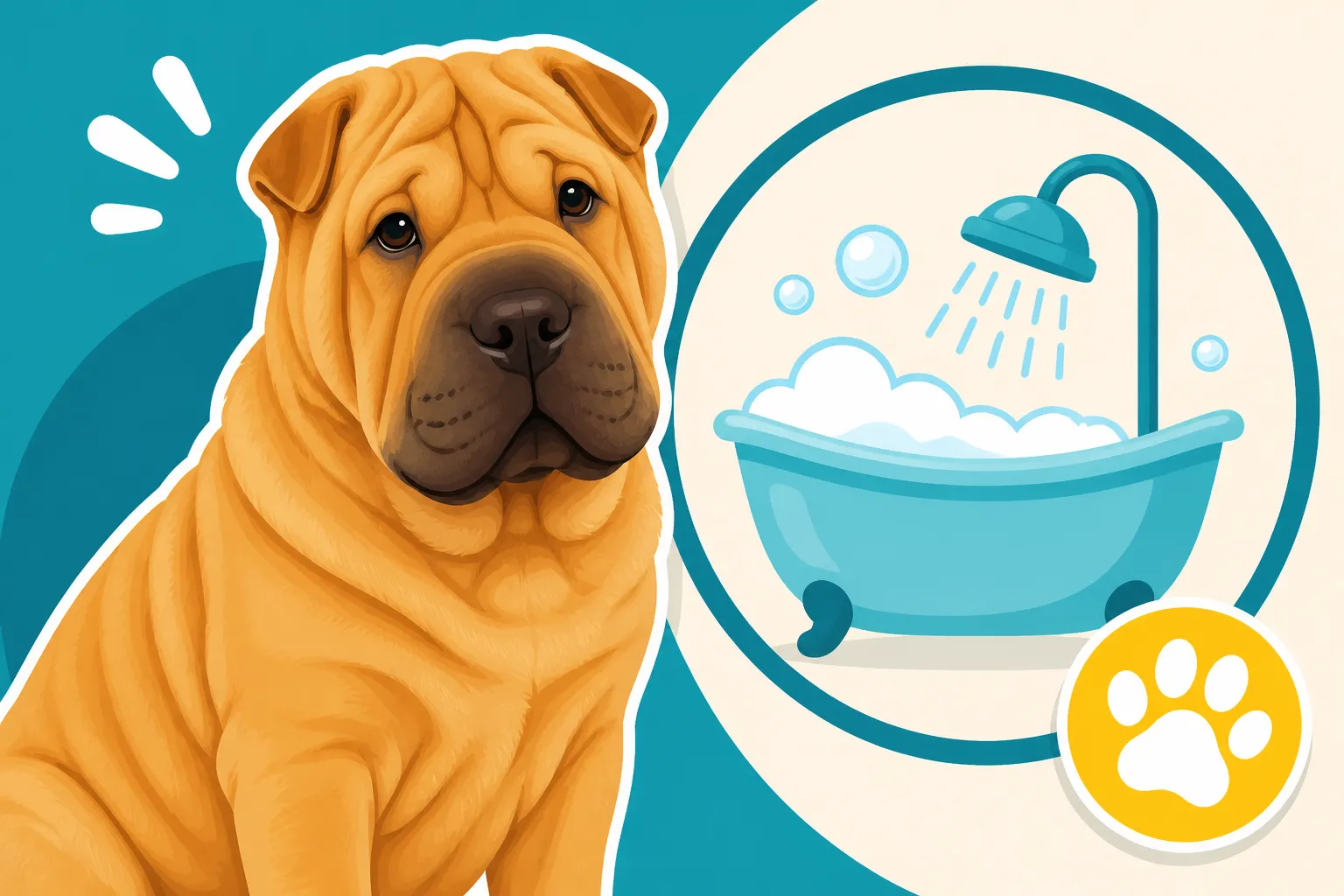
How Often a Shar Pei Needs a Bath
One of the most common head-scratchers for Shar Pei parents is figuring out just how often to bathe their wonderfully wrinkled companions. It’s not like washing a Labrador or a Golden Retriever, where a quick scrub and towel dry usually does the trick. Our Shar Pei have unique skin, deep folds, and a coat that can feel like anything from velvet to a wire brush, all of which complicate the simple act of a bath. This guide is going to take a deep dive into understanding your Shar Pei's bathing needs, helping you create a routine that keeps them clean, comfortable, and most importantly, healthy, without causing more problems than it solves.
Understanding Your Shar Pei's Unique Skin and Coat
When you bring a Shar Pei into your life, you quickly learn that their skin isn't just a pretty facade; it's a whole world unto itself, requiring a special level of attention that other breeds simply don't demand. This unique characteristic is both what draws us to them and what presents the biggest challenge in their daily care, especially when it comes to bathing. You can’t treat a Shar Pei's skin like just any other dog's, because it's prone to moisture retention, irritation, and a host of breed-specific conditions that demand a thoughtful and informed approach to hygiene.
The Shar Pei's Coat Types and Their Impact
Most Shar Pei enthusiasts know there are a couple of primary coat types: the "horse coat" and the "brush coat." While both are short and dense, they have distinct textures that influence how much dirt they pick up and how they respond to bathing. The horse coat, often described as feeling like sandpaper or bristles, is the shortest and harshest. It's often associated with more pronounced wrinkles and can be a bit more prone to skin irritations because of its stiffness rubbing against the folds. This coarse texture can sometimes make it feel like it's holding onto dirt more, but paradoxically, it can also shed debris quite efficiently once dry.
Then you have the brush coat, which is a bit longer and softer, feeling more like velvet. While still dense, it has a slightly plusher feel. This coat type might seem less "prickly" to the touch, but it can still pose its own challenges. The slightly longer hairs might trap fine dust or dander more readily, and if not dried properly, can contribute to moisture buildup within the folds. Regardless of the coat type, the fundamental rule remains: what's underneath those beautiful hairs – the skin itself – is where the real care needs to be focused. This is not a breed where you can just hose them down and call it a day; careful attention to the skin is paramount.
Why Folds and Wrinkles Affect Bathing Frequency
This is where the Shar Pei truly stands apart. Their magnificent wrinkles and folds, a hallmark of the breed, are also the biggest contributors to their specialized bathing requirements. Think of every single fold – on their face, neck, body, even their tail – as a tiny, warm, often moist pocket. These nooks and crannies are perfect breeding grounds for bacteria and yeast if not kept meticulously clean and dry. It's a constant battle against nature, and any lapse in diligent care can quickly lead to painful and smelly skin fold dermatitis. As we often say, Every Fold on a Shar Pei Is a Place Something Grows, and it's absolutely true.
The deepest wrinkles, like those around the muzzle, neck, and the infamous "tail pocket" or "saddle," are particularly vulnerable. These areas can collect food particles, saliva, sweat, and environmental grime, all of which create an ideal microclimate for skin issues. Simply rinsing the surface during a bath isn't enough; you have to actively and carefully clean within these folds. This adds time and technique to the bathing process, and it also means that the drying process becomes even more critical. Leaving any moisture trapped in these folds is an open invitation for trouble, turning a refreshing bath into a potential trigger for irritation or infection.
Factors Influencing Your Shar Pei's Bathing Schedule
Deciding how often your Shar Pei needs a bath isn't a one-size-fits-all answer. It's a dynamic equation influenced by several key factors unique to your dog, your living situation, and their overall health. What works for one Shar Pei might be completely wrong for another, and understanding these variables is crucial to establishing a bathing routine that supports their well-being rather than creating new problems. It's about finding that sweet spot where cleanliness meets skin health, and that often requires a bit of trial and error, guided by observation and a little common sense.
Lifestyle and Environment
Your Shar Pei's daily life plays a massive role in how frequently they'll need a good scrub. Does your dog spend most of their time lounging on the sofa, only venturing out for short, leashed walks around a paved neighborhood? Or are they a mud-loving adventurer, romping through fields, splashing in puddles, and rolling in whatever intriguing smells they find? A dog with an active, outdoorsy lifestyle will inevitably get dirtier, faster. They'll accumulate more mud, pollen, dust, and environmental allergens on their coat and, more importantly, deep within their folds. For these adventurous types, more frequent baths might be necessary, not just for cleanliness but to remove potential irritants.
The climate where you live also significantly impacts bathing needs. High humidity, for instance, can be a real enemy to a Shar Pei's skin, especially within those deep, dark folds. Dampness is a breeding ground for yeast and bacteria, and if your environment is constantly humid, even a relatively clean dog can develop skin issues faster. Whether a Shar Pei's Skin Gets Worse in Humidity is a common concern for owners in warmer, wetter regions. In contrast, a very dry climate might mean less concern about moisture-related fold infections, but could lead to dry, flaky skin if bathing is too frequent or if moisturizing shampoos aren't used. Consider the seasons, too: a Shar Pei might need more frequent cleaning during allergy season to wash off pollen, or during muddy winter months.
Skin Health and Specific Conditions
Perhaps the most critical factor dictating your Shar Pei's bathing schedule is the state of their skin health. This breed is unfortunately predisposed to a range of dermatological issues, from allergies to various infections, and these conditions often necessitate specific bathing protocols. If your Shar Pei suffers from environmental allergies, for example, regular bathing with a soothing, hypoallergenic shampoo can be a vital tool in washing away allergens that settle on their coat and skin, providing immense relief. Similarly, if you're dealing with Skin Fold Dermatitis on a Shar Pei, your veterinarian will almost certainly recommend targeted medicated baths more frequently than you would for a healthy dog, alongside specific cleaning agents for the folds themselves.
Conditions like bacterial skin infections (pyoderma) or yeast infections also require medicated shampoos, and these typically need to be used at least once or twice a week, sometimes more, as prescribed by your vet. The frequency isn't just about cleaning; it's about therapeutic contact time for the active ingredients in the shampoo to work. Mucinosis, a condition where the skin overproduces hyaluronic acid, can also lead to gooey, sticky skin that might benefit from more frequent, gentle cleansing. It’s absolutely essential to consult your veterinarian if you suspect any underlying skin condition. They can help diagnose the problem and recommend not only the correct type of shampoo but also the optimal bathing frequency to manage the condition effectively. Trying to guess can often lead to frustration and prolonged discomfort for your beloved Pei.
Age and General Health
A Shar Pei's age and overall health status also play a role in how often and how you approach bath time. Puppies, especially those under 12 weeks, need a very gentle introduction to bathing. While they may not need full baths as often as an active adult, they might get into messes more easily. The focus with puppies is also on positive reinforcement, making the experience pleasant so they don't develop a lifelong aversion. You'll want to use puppy-specific, mild shampoos and keep bath times short and warm. Over-bathing a puppy can dry out their delicate skin and strip essential oils.
As Shar Pei enter their senior years, their needs shift again. An older Shar Pei might have less mobility, making getting in and out of a tub or standing for long periods challenging. For these veterans, you might need to adjust your bathing technique, perhaps using a handheld shower head or even considering professional groomers who are equipped to handle older, less agile dogs. Their skin can also become more delicate or prone to dryness as they age, so gentle shampoos and careful drying are paramount. Additionally, if an older Shar Pei is on medications or dealing with chronic health issues like Feeding and Handling an Old Shar Pei, their skin might be more sensitive, meaning a vet-recommended bathing schedule is even more important. Always adapt your approach to their comfort and physical limitations.
The "How To" of Bathing Your Shar Pei Effectively
Bathing a Shar Pei isn't just about getting them wet and applying shampoo; it's a careful, deliberate process that, when done correctly, can make a huge difference in their skin health and overall comfort. Many owners dread bath time, but with the right tools and techniques, it can become a routine chore that you both tolerate, and perhaps even enjoy. The key is to be prepared, patient, and thorough, focusing particularly on those sensitive areas that make the Shar Pei so unique.
Choosing the Right Products
Selecting the right shampoo is paramount for a Shar Pei. You absolutely cannot use human shampoo; our skin pH is vastly different from a dog's, and human products will strip their natural oils, leading to dry, itchy, irritated skin. Always opt for dog-specific shampoos. For most healthy Shar Pei, a gentle, hypoallergenic, pH-balanced dog shampoo is a great starting point. Many owners find success with oatmeal-based or aloe vera formulations, which can be very soothing. However, if your Shar Pei has specific skin conditions like allergies, yeast infections, or bacterial dermatitis, your veterinarian will likely prescribe a medicated shampoo. These shampoos contain active ingredients designed to treat the underlying issue, and it's crucial to use them exactly as directed. Which Shampoo Suits a Shar Pei's Skin often comes down to individual trial and error, but always with a vet's guidance if a problem is present.
Beyond shampoo, consider a good quality dog conditioner, especially for brush coats, as it can help moisturize the skin and make the coat softer and less prone to matting (though matting is rarely a major issue for Shar Pei). You might also need specific fold cleaning wipes or solutions recommended by your vet for use between baths or for daily maintenance of particularly problematic folds. When sourcing these products, reputable pet supply stores online, like Chewy or Amazon, offer a vast selection, often with customer reviews that can guide your choices. Just be sure to read labels carefully and prioritize ingredients that are gentle and free from harsh chemicals, dyes, and strong fragrances.
Step-by-Step Bathing Process
Before you even turn on the water, some crucial preparation is in order. First, brush your Shar Pei thoroughly to remove any loose hair or surface dirt. This makes the shampooing more effective. Second, place cotton balls gently in your dog's ears to prevent water from getting in, which can lead to ear infections – a common Shar Pei problem due to their narrow ear canals. Gather all your supplies: shampoo, conditioner, towels, a non-slip mat for the tub, and treats for positive reinforcement.
Once prepped, use lukewarm water – never hot or cold – to thoroughly wet your dog's coat. Start from the neck and work your way down, ensuring the water penetrates all layers of the coat and reaches the skin. Apply shampoo, starting with the body, then moving to the legs, tail, and finally, the head and face. Be incredibly careful around the eyes and ears. Gently massage the shampoo deep into the coat and, most importantly, into every single fold. This might require using your fingertips to carefully separate the folds and work the lather in. For medicated shampoos, Whether a Medicated Shampoo Needs Contact Time on a Shar Pei is critical; follow your vet's instructions precisely, often meaning leaving the lather on for 5-10 minutes before rinsing. Rinse, rinse, and rinse again. Then, rinse one more time. Residual shampoo can cause skin irritation, so thorough rinsing is non-negotiable.
The Critical Importance of Drying
For a Shar Pei, the drying process is arguably more important than the washing itself. I cannot stress this enough: Drying Is More Important Than Washing on a Shar Pei. Leaving moisture trapped in their deep folds is an open invitation for yeast and bacterial infections, leading to hot spots, foul odors, and discomfort. Many owners get the washing part right but falter at drying, unknowingly setting their dog up for problems.
After the final rinse, gently squeeze excess water from their coat. Then, immediately start towel drying. Use multiple clean, absorbent towels to blot and rub as much moisture away as possible. Pay obsessive attention to every fold on their face, neck, body, and tail. Use the corner of a towel or even a soft, dry cloth to get deep into these crevices. Following towel drying, a low-heat hairdryer can be incredibly beneficial. Keep the dryer moving constantly, never holding it in one spot, and ensure the air isn't too hot. You want to feel the air with your own hand; if it's too hot for you, it's too hot for your dog. For particularly deep folds, some owners even use cotton swabs to gently ensure they are completely dry, though this requires extreme caution to avoid irritation. Remember, Why a Damp Shar Pei Develops Infection is a constant threat; aim for absolute dryness to prevent future skin issues.
Common Bathing Mistakes and How to Avoid Them
Even with the best intentions, it's easy to fall into common pitfalls when bathing a Shar Pei. Their unique anatomy and skin sensitivities mean that techniques suitable for other breeds can actually be detrimental to a Shar Pei. Understanding these mistakes and consciously avoiding them is key to maintaining your dog's skin health and making bath time a less stressful experience for everyone involved.
Over-Bathing vs. Under-Bathing
Finding the right frequency is a delicate balance. One common mistake is over-bathing. While it might seem counterintuitive to think that too much cleaning can be bad, frequent bathing, especially with harsh shampoos, can strip a Shar Pei's skin of its natural protective oils. These oils are vital for maintaining a healthy skin barrier and preventing dryness and irritation. Whether Bathing a Shar Pei Too Often Makes Skin Worse is a very real concern for Shar Pei owners. When the skin barrier is compromised, it becomes more susceptible to allergens, bacteria, and yeast, potentially leading to more skin problems than you started with. Signs of over-bathing include flaky, dry skin, increased itching, or a dull, brittle coat.
On the flip side, under-bathing is just as problematic, if not more so, for a Shar Pei. Infrequent baths allow dirt, dander, allergens, and dead skin cells to accumulate on the coat and deep within the folds. This buildup, combined with the natural moisture and warmth in the folds, creates a perfect environment for bacterial and yeast overgrowth. The result is often foul odors, intense itching, and painful skin infections. If you're constantly wondering Whether a Shar Pei's Folds Smell When Healthy, and the answer is "no," then it might be time to reassess your bathing schedule. It's a fine line, and adjusting based on your specific dog's lifestyle and skin condition is crucial.
Using Incorrect Products or Techniques
Another significant mistake is using the wrong products. As mentioned, human shampoos are a big no-no. Even some "dog shampoos" found cheaply at grocery stores might contain harsh detergents, artificial fragrances, or dyes that can irritate a Shar Pei's sensitive skin. Always opt for veterinary-approved, hypoallergenic, or natural ingredient-based dog shampoos. Similarly, avoiding conditioner or using one that isn't moisturizing enough can lead to dry skin.
Technique errors are equally important. Not thoroughly wetting the coat before applying shampoo means the product won't penetrate effectively. More critically, not rinsing thoroughly is a huge culprit for post-bath skin irritation. Shampoo residue left on the skin can be incredibly itchy and lead to flaking, redness, and discomfort. It's almost always better to over-rinse than under-rinse, especially with a Shar Pei's dense coat and deep folds. And, as discussed extensively, neglecting thorough drying, particularly within the folds, is an open invitation for yeast and bacterial infections to flourish.
Ignoring Subtle Skin Signals
Shar Pei are stoic creatures, and they often won't overtly complain until a problem is quite advanced. This makes it imperative for owners to become astute observers of their dog's skin. A critical mistake is ignoring subtle signs that something isn't quite right. What a Shar Pei's Skin Tells You Before Its Behavior Does is a powerful indicator of their overall health. Are you noticing a slightly different odor coming from a particular fold? Is there a bit of redness or dampness that wasn't there yesterday? Are they licking or scratching a specific area more than usual? These are all signals that warrant attention.
Don't wait until you see an overt rash or hear a whimper of pain. Regularly inspecting your Shar Pei's skin, especially within their folds, can help you catch issues early. This means gently parting the skin, sniffing for unusual smells, and feeling for any warmth, tenderness, or stickiness. If you notice any persistent changes – redness, discharge, hair loss, excessive itching, or a strong, yeasty smell – it's time to consult your veterinarian. They can help distinguish between a minor irritation that might be resolved with a simple bathing adjustment and a full-blown infection requiring medication. Early intervention is always better for your Shar Pei's comfort and your wallet.
Establishing a Personalized Bathing Routine
Creating a bathing schedule for your Shar Pei really isn't about rigid rules, but about understanding their individual needs and building a flexible routine that promotes their overall health and happiness. Because of their unique characteristics, what works for one Shar Pei might be completely off for another. It's a journey of observation, adjustment, and continuous learning, always keeping their comfort and skin integrity at the forefront.
The "Average" Shar Pei Bathing Frequency
If there's such a thing as an "average" bathing frequency for a healthy Shar Pei without active skin conditions, it generally falls somewhere between every 3 to 8 weeks. For a healthy, indoor Shar Pei with no specific issues, bathing every 4 to 6 weeks often works well. This schedule helps keep their coat clean, manages shedding, and allows you to give those critical folds the attention they need, without stripping away essential natural oils.
However, this is just a starting point. A Shar Pei with a horse coat might appear to need more frequent bathing because their stiff hair can feel dirtier, whereas a brush coat might trap more fine dust. Factors like how much time they spend outdoors, if they roll in anything questionable (because, let's be honest, they will!), or if they have seasonal allergies, can easily push that frequency up to every 2-3 weeks for a period. The key is to remember that this isn't a hard and fast rule, but rather a flexible guideline that needs to be adapted to your dog's specific circumstances.
Creating a Flexible Schedule
The most effective bathing routine for a Shar Pei is one that's flexible and responsive to changes in their environment, activity level, and, most importantly, their skin health. During periods of high pollen counts, for example, your allergic Shar Pei might benefit from more frequent baths to wash away irritants. After a particularly muddy adventure, a quick rinse-off and thorough drying of the folds might be all that's needed, rather than a full shampooing. If your vet prescribes a medicated shampoo for a skin issue, your bathing frequency will temporarily be dictated by that medical protocol.
Consider keeping a simple log or journal. Note down when you bathe your Shar Pei, what products you use, and any observations about their skin before and after. Did they seem itchier after a certain shampoo? Did stretching the time between baths lead to a new hot spot? This kind of tracking can provide invaluable insights, helping you fine-tune the schedule to what truly benefits your individual dog. The goal isn't to adhere to a rigid timetable but to maintain optimal skin health through informed, adaptive care.
Integrating Other Grooming Practices
Bathing is just one piece of the Shar Pei grooming puzzle. To truly keep them in top condition, it needs to be integrated with other essential care practices. Regular fold cleaning, even between full baths, is absolutely vital. Using pet-safe wipes or a damp cloth to gently clean and then thoroughly dry the facial, neck, and tail folds a few times a week can prevent many skin issues. How Often a Shar Pei's Folds Need Cleaning depends on the individual dog and depth of wrinkles, but daily spot checks are never a bad idea.
Ear cleaning is another critical component, as Shar Pei are prone to ear infections due to their narrow ear canals. How Often a Shar Pei's Ears Need Cleaning should be discussed with your vet, but typically a weekly or bi-weekly gentle cleaning with a vet-approved solution is recommended. Don't forget nail trims; long nails can be uncomfortable and affect their gait. Nails, Teeth and the Small Jobs on a Shar Pei are often overlooked but contribute significantly to their overall well-being. By combining a thoughtful bathing schedule with these routine grooming tasks, you'll be providing comprehensive care that addresses the unique needs of your beloved Shar Pei.
| Factor | Suggested Bathing Frequency (Healthy Shar Pei) | Considerations & Adjustments |
|---|---|---|
| Average Healthy Adult | Every 3-8 weeks | Baseline for a well-maintained, mostly indoor dog. Adjust as needed. |
| Active/Outdoorsy | Every 2-4 weeks or as needed | More exposure to dirt, mud, allergens. May need more frequent full baths or targeted rinse-offs. |
| Allergies (Seasonal) | Every 1-2 weeks during allergy season | Helps wash off pollen and environmental irritants. Use soothing, hypoallergenic shampoos. |
| Skin Fold Dermatitis | As directed by vet (often 1-2 times/week) | Medicated shampoos are crucial. Follow vet's specific instructions for frequency and contact time. |
| Dry/Sensitive Skin | Every 6-8 weeks (or less) | Focus on moisturizing shampoos and conditioners. Avoid over-bathing to prevent stripping natural oils. |
| Senior Dog | Less frequently, as needed | Prioritize comfort and ease of bathing. May need help in and out of the tub. Gentle products. |
| Mucinosis | As needed for stickiness/gooeyness | Gentle cleansing may help manage symptoms. Consult vet for best approach. |
| Strong Odor | More frequently (investigate cause) | A healthy Shar Pei shouldn't smell strongly. Increased odor often indicates a skin issue or damp folds. |
Disclaimer
This article is for general informational purposes only and does not constitute professional advice. Laws, prices and regulations vary by location and change over time. Consult a qualified professional for guidance on your specific situation.


