Whether a Shar Pei Needs a Coat in Winter
The crisp bite of winter air can bring joy for many, but for us Shar Pei owners, it often brings a knot of worry. You look at your beloved, wrinkly companion, with that distinctive bristly coat, and wonder: is this enough to keep them warm? It’s a common frustration, feeling unsure if your Shar Pei is genuinely comfortable or secretly shivering, especially when you see other breeds trotting happily through the snow. This guide is here to shed light on exactly when and why your Shar Pei might need that extra layer to stay cozy and healthy through the colder months.
Understanding the Shar Pei Coat in Cold Weather
Let's start with the basics of what makes a Shar Pei, well, a Shar Pei, and how that impacts their ability to cope with chilly temperatures. Their coat is one of their most defining features, but it's not built for Arctic expeditions. Unlike many dogs, your Shar Pei isn't sporting a thick, insulating double coat designed for harsh winters. This fundamental difference is key to understanding their cold tolerance.
The Horse Coat vs. Brush Coat in Winter
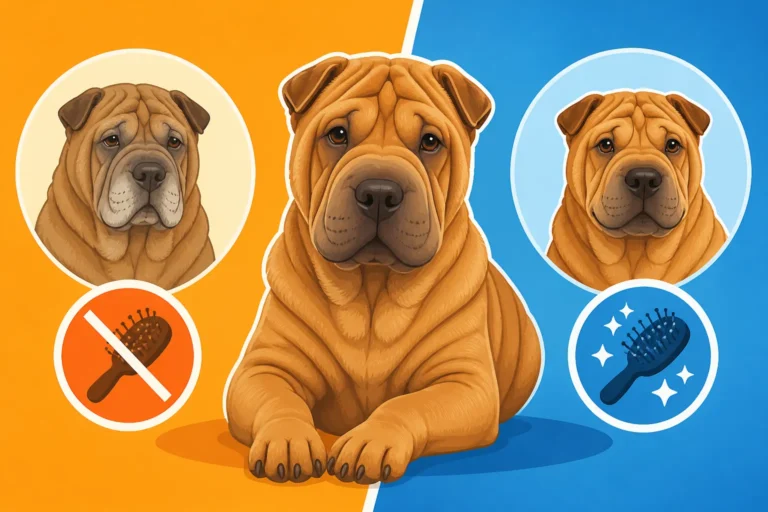
Shar Pei come in different coat types, primarily the "horse coat" and the "brush coat." While they might feel different to the touch, neither offers substantial protection against the cold.
The horse coat is notoriously short, extremely stiff, and feels almost like sandpaper. It's truly unique, but what it gains in texture, it lacks in insulation. Imagine wearing a single, thin layer of very rough fabric in freezing temperatures – that's a bit like what a horse coat Shar Pei experiences. It offers minimal thermal barrier, meaning cold air penetrates directly to the skin. Owners of horse coat Shar Pei often notice their dogs getting colder faster, especially if there's any wind or dampness. These dogs genuinely need more consideration when temperatures drop, sometimes even for relatively mild "winter" days that other breeds might shrug off. It’s not just about comfort; it's about preventing them from expending too much energy trying to stay warm, which can impact their overall well-being. This unique texture and lack of density are reasons why Why a Shar Pei's Coat Feels Like Sandpaper is so true, and it has implications for their care.
The brush coat is slightly longer, softer, and perhaps a touch denser than the horse coat. While it might give the illusion of more warmth, it's still far from a robust winter coat. Think of it as wearing a slightly thicker t-shirt instead of a thin one; it's an improvement, but hardly a winter jacket. Brush coat Shar Pei will still feel the cold significantly, though perhaps not quite as acutely as their horse-coated brethren. They might tolerate a few degrees lower temperature or a slightly longer walk before showing signs of discomfort, but they are by no means equipped for prolonged exposure to cold. Neither coat type is designed to trap a significant layer of warm air close to the body, which is what truly insulates a dog. This is a crucial distinction from breeds with lush, thick coats that can brave much colder conditions.
The Lack of an Insulating Undercoat
This is perhaps the most critical factor in a Shar Pei's cold sensitivity. Most cold-hardy dog breeds, like Huskies, Malamutes, or even many retrievers, possess a dense, fluffy undercoat beneath their coarser outer guard hairs. This undercoat acts like a built-in down jacket, trapping warm air and providing exceptional insulation against the cold and wet.
Your Shar Pei, whether horse-coated or brush-coated, simply doesn't have this. They are single-coated dogs. This means there's no secondary layer of soft, dense fur to keep them toasty. When you feel their coat, you're pretty much feeling all the protection they've got. This absence of an undercoat makes them highly susceptible to heat loss, especially in windy, damp, or truly freezing conditions. It's not just about the ambient temperature; wind chill can make a mild winter day feel much colder to a Shar Pei because their thin coat offers little resistance to the biting wind stripping away body heat. Rain and snow are even worse, as their coat offers poor water resistance, and a wet dog loses heat incredibly rapidly. For this reason, Horse Coat or Brush Coat Changes How You Care for a Shar Pei in more ways than just brushing!
Factors Influencing a Shar Pei's Cold Tolerance
While the coat is a huge piece of the puzzle, it’s not the only factor determining how well your Shar Pei handles the cold. Just like people, individual dogs have varying tolerances, and several other elements play a significant role in their comfort and safety during winter. It's a holistic picture, not just about the fur on their back.
Age and Health Considerations
Puppies and senior Shar Pei are much more vulnerable to cold temperatures. A young Shar Pei puppy, still developing its immune system and body fat reserves, hasn't yet learned to regulate its body temperature as effectively as an adult. Their small size means they lose heat more quickly. You might notice a young pup shivering after just a few minutes outdoors on a chilly day. It’s paramount to protect them, as prolonged cold exposure can quickly lead to hypothermia in tiny bodies.
On the other end of the spectrum, our older Shar Pei deserve extra care. As dogs age, their metabolism often slows down, their circulation can become less efficient, and they may have underlying health conditions that make them less resilient to temperature extremes. An older Shar Pei might have arthritis that stiffens in the cold, or a thyroid condition that affects their ability to stay warm. A senior dog with less muscle mass and potentially thinner skin will feel the chill far more acutely. It’s worth checking in with your vet to see if your senior Shar Pei has any specific needs for winter, especially since Caring for a Shar Pei Past Seven involves many considerations.
Any Shar Pei with an existing health issue, such as heart disease, kidney problems, or even a compromised immune system, will also be more susceptible to the cold. Their body is already working harder to manage their condition, and adding the stress of trying to stay warm can tax their system further. Keep a close eye on them, as they might not show obvious signs of discomfort until they are already quite cold.
Activity Level and Metabolism
An active Shar Pei generates more body heat than one standing still. If you’re out for a brisk walk, your dog’s muscles are working, increasing their core temperature. In this scenario, they might tolerate cooler temperatures for longer periods. However, if your Shar Pei is simply standing around in the cold – perhaps waiting for you outside a shop, or just doing their business in a chilly backyard – they are not generating as much internal warmth, making them more vulnerable.
Think about a leisurely stroll versus an energetic game of fetch. In the latter, your Shar Pei might feel warm enough even without a coat, at least for a while. But as soon as they stop moving, that warmth dissipates quickly. This is particularly important to remember for short potty breaks. Even if it's just five minutes, if your Shar Pei is mostly stationary, that can be enough time for them to get uncomfortably cold, especially if the ground is frozen. Their metabolism also plays a role; a dog with a faster metabolism might naturally run warmer, but this is less common for a Shar Pei breed known for its more sedate temperament in many cases.
Body Condition and Fat Reserves
A Shar Pei with a healthy, lean body condition might look great, but they also have fewer fat reserves to provide natural insulation. While we never want our dogs to be overweight, a dog that is too thin will certainly feel the cold more acutely. Fat acts as an insulator, and a bit of a healthy layer can help retain body heat.
Conversely, an overweight Shar Pei, while having more fat, might also have other health issues that compromise their ability to regulate temperature or move comfortably in the cold. It’s all about balance. A veterinarian can help you determine the ideal body condition for your Shar Pei, ensuring they have enough lean muscle and a healthy fat layer without being overweight. This healthy body condition, combined with an appropriate diet, contributes significantly to their overall resilience, not just against cold but throughout their How Long a Shar Pei Lives.
When a Coat Becomes Essential for Your Shar Pei
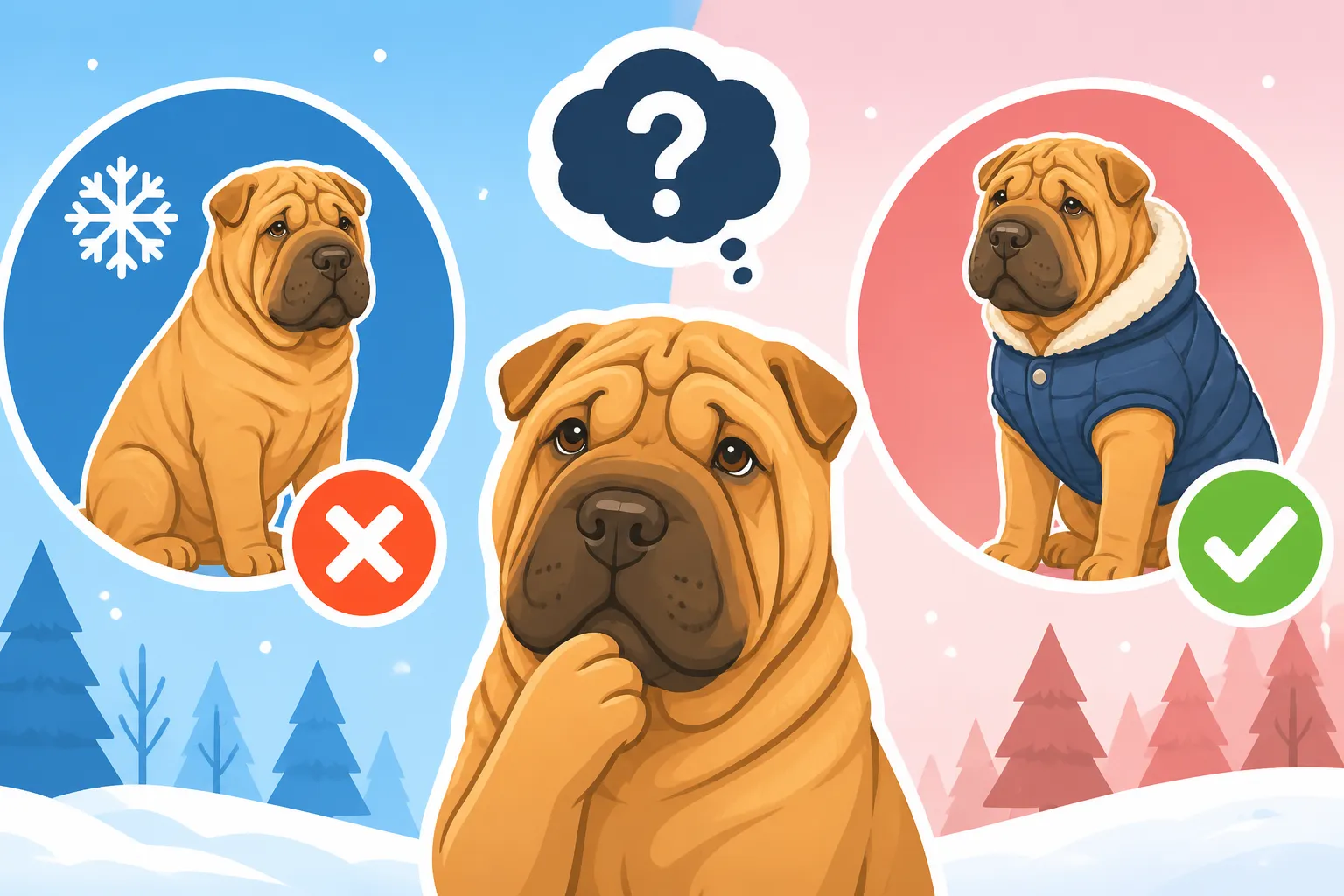
So, how do you know if it's truly time to bundle up your Shar Pei? It’s not always about seeing snow; sometimes, a brisk wind or damp chill is enough to cut through their thin coat. There are some practical guidelines and clear signs your Shar Pei will give you that indicate they need that extra layer of protection. Don't wait until they're shivering uncontrollably.
Temperature Thresholds for Concern
Generally, for a single-coated breed like the Shar Pei, temperatures dipping below 45°F (7°C) should start to raise a flag, especially if your dog is older, a puppy, or has health issues. At this temperature, if they are not actively exercising, they will start to feel the chill.
When the mercury drops below 32°F (0°C), a coat becomes highly recommended for almost any Shar Pei, particularly for any prolonged outdoor time. At this point, the risk of discomfort and even hypothermia begins to significantly increase, depending on wind, dampness, and their individual constitution. If it's windy, rainy, or snowy, the perceived temperature (wind chill) will be much lower, and you should consider a coat even in slightly warmer temperatures, perhaps from 40°F (4°C) downwards. Remember, their coat doesn't offer much resistance to wetness or wind, making those conditions particularly harsh. You'll want to take note of What Temperature a Shar Pei Is Comfortable In and observe your own dog.
A good rule of thumb: if you need a heavy jacket to be comfortable standing outside for more than a few minutes, your Shar Pei likely needs a coat. Don't just consider the thermometer; consider the entire environmental picture – wind, dampness, and cloud cover.
Reading Your Shar Pei's Body Language
Your Shar Pei will communicate their discomfort, sometimes subtly, before they start shivering. Learning these cues is vital.
- Hunching or Curling Up: If your Shar Pei is standing with their back hunched, their tail tucked, or attempting to curl into a tight ball even while standing, they're trying to conserve body heat. This is a clear sign they're cold.
- Shivering or Trembling: This is the most obvious sign. Shivering is an involuntary muscle contraction designed to generate heat. If you see this, get them inside or put on a coat immediately.
- Seeking Warmth: They might try to press against your leg, burrow into a bag, or seek shelter behind a bush or wall to escape the wind. This is their attempt to find warmth.
- Reluctance to Move: A cold Shar Pei might become lethargic or reluctant to continue their walk or play. They might slow down, stop frequently, or try to turn back towards home.
- Lifting Paws: If the ground is cold enough to warrant a coat, it's probably cold enough to bother their paw pads. Lifting one or more paws off the ground intermittently is a sign of cold feet. This might also signal a need for paw protection.
- Whining or Whimpering: While less common, some Shar Pei might vocalize their discomfort with soft whines or whimpers.
Specific Scenarios
Consider the context of their outdoor time.
- Short Potty Breaks: Even a quick dash outside can expose them to cold for a critical few minutes. If it's below freezing, a coat for a short potty break is a good idea, especially if they take their time or stand still.
- Longer Walks or Outdoor Play: For anything beyond 10-15 minutes in cold weather, a well-fitting coat is essential. This is particularly true if you live in an area with snowy or icy conditions. Remember, their activity level might keep them warm initially, but once they stop to sniff around or rest, the cold will set in fast.
- Snowy vs. Dry Cold: Snow and ice are much more problematic than dry cold. Their thin coat gets wet quickly, leading to rapid heat loss. A waterproof outer layer on their coat is crucial in these conditions. Furthermore, chemicals used to melt ice on sidewalks can irritate their paws.
- Car Rides: If your Shar Pei is waiting in a car (even with the engine running and heat on, ensure it's safe and supervised!), or if the car cools down quickly, they'll need a coat just like you would. The metal and glass of a vehicle can get very cold.
It’s always better to be proactive than reactive. If you're questioning whether they need a coat, err on the side of caution and put one on.
Choosing the Right Winter Wear for Your Shar Pei
Okay, so you've determined your Shar Pei needs a coat. Great! But not all dog coats are created equal, and a Shar Pei's unique body shape (those wrinkles, that deep chest, that often narrow waist) means you can't just grab any old jacket off the shelf. We want comfort, warmth, and a good fit without chafing or restricting movement.
Material and Insulation
When you're looking for a coat for your Shar Pei, think about what you wear to stay warm. Layers, good insulation, and weather protection are key.
- Inner Layers: Look for soft, insulating materials against your Shar Pei's skin. Fleece, synthetic down, or even wool blends are excellent choices. These materials excel at trapping body heat. Fleece is particularly popular because it's lightweight, warm even when damp (though we prefer our Shar Pei to be dry!), and generally comfortable. Consider that their sensitive skin, prone to issues, will appreciate a soft lining.
- Outer Shell: This is where weather resistance comes in. For anything beyond a dry, chilly day, you'll want a waterproof or at least highly water-resistant outer layer. Nylon or other synthetic fabrics with a DWR (durable water repellent) finish are ideal. This is crucial because, as we discussed, a wet Shar Pei gets cold very quickly. A windproof outer shell is equally important to prevent heat loss from wind chill. Brands available on sites like Chewy or Amazon often specify these features, so you can easily compare options.
- Fill/Insulation: Some coats come with a polyester or synthetic down fill, providing an extra layer of warmth, much like a puffer jacket for humans. This is a fantastic option for truly cold or freezing temperatures, offering that much-needed bulk to keep your dog toasty.
When browsing, imagine your Shar Pei encountering a cold, wet gust of wind or walking through light snow. Will that coat genuinely protect them?
Fit and Coverage
This is where things get a little tricky with a Shar Pei. Their body shape isn't always standard.
- Chest and Neck: Shar Pei often have a broad, deep chest but a relatively thick neck. You need a coat that allows full range of motion for their front legs without chafing their armpits or feeling too tight around their neck. Adjustable straps around the chest are a huge plus.
- Length: The coat should ideally cover the majority of their back, extending from the base of their neck to the tail. This ensures their core body temperature is maintained. However, make sure it doesn't hang too far down, which could get messy during potty breaks, especially for males.
- Belly Coverage: Many Shar Pei benefit from coats that offer some belly coverage. This provides extra warmth to their underside, which is often exposed and can be vulnerable to splashes from puddles or snow. Look for coats with a chest panel that extends back along the belly. Again, ensure it doesn't impede urination or defecation.
- Wrinkles: Be mindful of where straps and seams sit, especially if your Shar Pei has prominent neck or body wrinkles. You don't want anything rubbing or causing irritation. A coat that is too tight can also gather up in their folds, creating hot spots or discomfort.
- Visibility: For evening or early morning walks, consider coats with reflective piping or bright colors. This is just good common sense for safety, especially in winter when daylight hours are shorter.
Measure your Shar Pei carefully according to the manufacturer's guidelines – usually around the neck, chest girth, and back length. Don’t assume their size based on weight alone, as their proportions can vary.
Where to Find Good Options
Thankfully, the market for dog apparel has exploded, and there are many excellent options available.
- Online Retailers: Websites like Chewy and Amazon offer an enormous selection of dog coats from various brands. You can filter by size, material, and features, and read customer reviews, which can be invaluable for figuring out how a coat fits on different body types. Look for reviews from owners of similar "bully" or broad-chested breeds, as their experiences might align more closely with a Shar Pei's fit needs.
- Specialty Pet Stores: Visiting a physical pet store allows you to try on coats for your Shar Pei, which is often the best way to ensure a perfect fit, especially with their unique physique. The staff can also help guide you to appropriate options.
- Brands known for quality: Some brands consistently get good reviews for durability and warmth. Look for names known for outdoor gear or coats designed for active dogs. While some high-end brands might have a steeper price tag, they often offer superior materials and construction that will last for many winters. Don't be afraid to invest in a quality coat; it's an investment in your Shar Pei's health and comfort.
Remember to consider a coat as a functional piece of gear, not just a fashion statement. Its primary job is to keep your Shar Pei warm and dry.
Beyond the Coat: Comprehensive Winter Care
While a good winter coat is a fantastic tool for keeping your Shar Pei warm, it's just one piece of the puzzle. Holistic winter care means looking at the bigger picture to ensure their overall comfort and health when temperatures drop. Think about their environment, their feet, and even their diet.
Paw Protection
It’s easy to focus on the body and forget the feet. A Shar Pei's paw pads are tough, but they are still susceptible to cold, ice, and chemical irritants.
- Cold and Ice: Walking on frozen ground, ice, or compacted snow can cause frostbite or painful cracking of their paw pads. Small balls of ice can also form between their toes, causing discomfort and lameness.
- De-icing Chemicals: Many municipalities and homeowners use salt and chemical de-icers on sidewalks and roads. These can be corrosive and irritate your Shar Pei's paws, leading to stinging, redness, and even chemical burns. If licked off, they can cause digestive upset.
- Paw Balm: Before going out, apply a protective paw balm (available on Amazon or Chewy) to create a barrier against cold and chemicals. After walks, always wipe their paws thoroughly with a warm, damp cloth to remove any salt, ice melt, or debris.
- Dog Boots: For prolonged walks in snowy or icy conditions, or if your Shar Pei is particularly sensitive, dog boots are an excellent investment. It might take some getting used to – your Shar Pei might do a comical high-stepping dance at first – but with patience and positive reinforcement, most dogs adapt. Look for boots that are durable, waterproof, and have good traction. They are instrumental in protecting against both cold and chemicals. This is particularly relevant when considering Whether a Shar Pei Needs Boots in Snow.
Indoor Warmth and Comfort
What happens inside the house is just as important as what happens outside. Your Shar Pei needs a warm, draft-free haven.
- Drafts: Check for drafts near windows, doors, and even electrical outlets. Shar Pei tend to seek out warm, cozy spots, and if their favorite resting place is constantly being hit by a cold draft, they won't be truly comfortable.
- Warm Bedding: Provide soft, warm bedding, ideally elevated off a cold floor. A dog bed with orthopedic foam can also be beneficial for older Shar Pei with stiff joints. Blankets are also much appreciated; many Shar Pei love to burrow and make nests. Consider a self-warming pet bed or a heated bed for extra comfort, especially for seniors or those with health issues.
- Appropriate Home Temperature: While we need to be mindful of energy costs, don't let your home get too chilly. If you're comfortable in a sweater, your Shar Pei is probably okay, but if you're pulling out heavy blankets, it might be too cold for them too. A Shar Pei is not a breed that thrives in consistently cool indoor temperatures. Remember that Whether Air Conditioning Is a Shar Pei Expense is often considered in summer, but adequate heating is just as important in winter.
Hydration and Nutrition
Winter weather can subtly affect your Shar Pei's internal needs, so keep these considerations in mind.
- Hydration: Dogs can still get dehydrated in winter, especially if they are less inclined to drink cold water or if the air is dry from indoor heating. Ensure fresh water is always available. If your Shar Pei is reluctant to drink, you can try adding a splash of low-sodium broth to their water bowl.
- Nutrition: While most Shar Pei won't need a drastic change in diet for winter unless they are spending significantly more time outdoors in extreme cold, it's always worth consulting your vet if you have concerns. Generally, maintaining their regular, high-quality diet is sufficient. If your Shar Pei is a picky eater, ensure they are still getting adequate calories to maintain their body heat. For Shar Pei with dietary sensitivities, sticking to their proven food, perhaps from a brand like Ollie (though known for fresh food, not winter gear), is key year-round.
- Weight Management: Ensure your Shar Pei maintains a healthy weight throughout the winter. As discussed earlier, being underweight offers less natural insulation, while being overweight can lead to other health problems. Regular exercise, even shortened and coat-protected, helps maintain muscle mass and a healthy metabolism.
By considering all these aspects of winter care – from their paws to their bedding to their diet – you can help your unique Shar Pei not just survive, but truly thrive through the colder months.
| Aspect of Care | Recommendation for Shar Pei in Winter |
|---|---|
| Coat Type (General) | Single-coated, thin; provides minimal insulation. |
| Temperature Range | Below 45°F (7°C) for caution, below 32°F (0°C) generally requires a coat. |
| Weather Conditions | Wind, rain, snow significantly reduce cold tolerance; waterproofing is key. |
| Age | Puppies & seniors highly vulnerable; extra protection always needed. |
| Health Status | Compromised health increases cold sensitivity; consult vet. |
| Activity Level | Active dogs generate more heat, but still need protection when slowing down. |
| Body Condition | Healthy weight provides some fat insulation; underweight dogs chill faster. |
| Coat Material | Insulating inner layer (fleece, synthetic), waterproof/windproof outer shell. |
| Coat Fit | Covers back & belly, adjustable straps, no chafing on wrinkles/armpits. |
| Paw Protection | Paw balm or boots for ice, salt, and cold ground; wipe paws after walks. |
| Indoor Environment | Draft-free, warm bedding (elevated/heated optional), comfortable room temp. |
| Hydration/Nutrition | Consistent fresh water; maintain regular, high-quality diet. |
Disclaimer
This article is for general informational purposes only and does not constitute professional advice. Laws, prices and regulations vary by location and change over time. Consult a qualified professional for guidance on your specific situation.