Whether a Shar Pei Should Eat Grain Free
It's a common struggle for us Shar Pei owners, isn't it? We look at our unique, sensitive pups, often with their delicate skin and a predisposition to all sorts of quirks, and we desperately want to feed them the very best. The world of dog food is a minefield of marketing claims and conflicting advice, and the "grain-free" trend has certainly added another layer of confusion. Many of us have found ourselves wondering if ditching grains is the magic bullet for our Shar Pei's health issues, especially when they're itching or dealing with a finicky tummy. This guide will walk you through the truth about grain-free diets, discuss what actually matters for your Shar Pei's nutrition, and help you make an informed decision alongside your veterinarian.
The Grain-Free Trend: What's Behind the Buzz for Dogs?
Walking down the pet food aisle or browsing online, you've no doubt noticed the sheer volume of "grain-free" options. It’s a marketing term that has really taken hold, promising a more natural, ancestral diet for our beloved companions. For a while, it felt like the answer to so many common canine complaints.
Understanding the "Grain-Free" Label
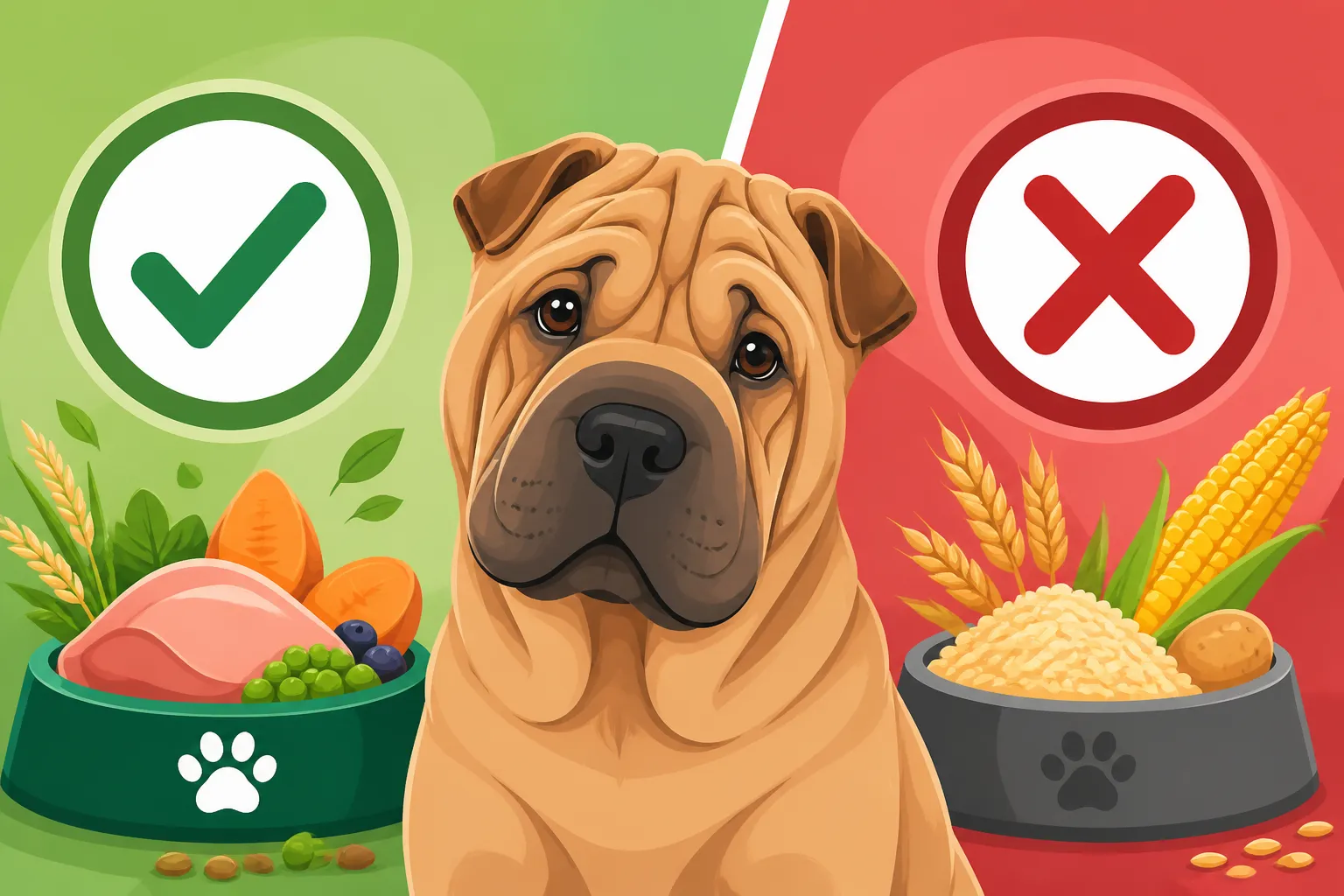
When a dog food proudly declares itself "grain-free," it simply means that traditional grains like corn, wheat, rice, barley, and oats are not included in the recipe. This doesn't mean it's carbohydrate-free, though! Far from it. What often replaces these grains are alternative carbohydrate sources like peas, lentils, potatoes, sweet potatoes, and tapioca. These ingredients provide energy and fiber, much like grains do, but they're often perceived as "better" or "less allergenic" by consumers.
For Shar Pei owners, who are often battling a host of potential health challenges, this promise of a "healthier" or "less problematic" carbohydrate source felt like a beacon of hope. We hear about so many issues with our breed, from the specific skin irritations that can lead to Skin Fold Dermatitis on a Shar Pei to the general sensitivity they exhibit, that we're naturally keen to try anything that might offer relief. The idea that common grains might be contributing to these issues, even without clear evidence, can be very compelling.
The Initial Appeal for Allergic Dogs
The initial surge in popularity for grain-free diets was largely driven by the belief that grains are a common cause of food allergies in dogs. Many owners, watching their dogs scratch endlessly or suffer from digestive upset, turned to grain-free options hoping to eliminate potential allergens. While true food allergies in dogs are far less common than often assumed, and grains themselves are actually quite low on the list of typical canine allergens compared to proteins like beef or chicken, the perception persisted.
For Shar Pei, whose sensitive skin and immune systems are often a battle, this appeal was particularly strong. We know our dogs can be prone to various skin ailments, and when they start itching, the first thing many of us look at is their food. It's an understandable leap to assume that something in their diet, especially a common ingredient like grain, could be the culprit. The market responded, and suddenly, almost every brand offered a grain-free line, making it seem like the obvious choice for any dog with a sniffle, a scratch, or a tummy rumble. This narrative, while well-intentioned, began to overshadow the actual science behind canine nutrition.
Shar Pei and Dietary Sensitivities: Why Owners Are Often Looking for Answers
Owning a Shar Pei means you're already acutely aware of their unique health considerations. They're not just any dog, and their dietary needs can feel complex. It’s no wonder we scrutinize every ingredient when our beloved wrinkly companion isn't feeling their best.
Common Shar Pei Health Issues Influencing Diet Choices
Our Shar Pei are notorious for a few health quirks that often send us down the path of dietary investigation. Skin issues, in particular, are almost a rite of passage for many Shar Pei families. You might find yourself meticulously cleaning folds to prevent Skin Fold Dermatitis on a Shar Pei, or constantly looking for the cause of persistent itching that seems to plague their sensitive hides. When these problems arise, our immediate thought often turns to their food. Could it be an allergy? Is there something in this kibble that's just not agreeing with my dog?
Beyond the visible skin problems, Shar Pei can also face internal challenges. Some are known to have conditions like IgA deficiency, which can impact their immune system and make them more susceptible to infections and inflammatory responses, including in the gut. While not directly caused by grains, these underlying sensitivities can make owners hypersensitive to any ingredient that might exacerbate symptoms. You're trying your best to mitigate any potential triggers, and a grain-free diet might seem like a simple way to rule out a whole category of ingredients. It's a testament to our dedication as Shar Pei owners that we dig deep into these details, always seeking that perfect balance for our companions.
The Role of Food in Managing Skin and Gut Health
It's absolutely true that diet plays a crucial role in managing your Shar Pei's overall health, including their skin and gut. A high-quality, well-balanced diet can support a healthy immune system, promote a lush coat, and ensure proper digestion. However, the key isn't necessarily the presence or absence of grains, but rather the overall quality and suitability of the ingredients for your individual dog.
For Shar Pei who genuinely suffer from Food Allergies in a Shar Pei, the problem is almost always with a specific protein source, such as chicken, beef, or dairy, rather than grains. If your vet suspects a food allergy, they will likely recommend a strict elimination diet to identify the culprit. This often involves feeding a novel protein (one your dog has never eaten before) or a hydrolyzed protein diet for a period of weeks, and then slowly reintroducing ingredients one by one. This process helps pinpoint the actual allergen, which is a much more effective strategy than simply going grain-free. You might be surprised to find that the very food your Shar Pei seems to react to is something you thought was perfectly benign.
Sometimes, the issue isn't a full-blown allergy but a sensitivity, and in those cases, looking at the entire ingredient list for common irritants or opting for a limited ingredient diet can be beneficial. These diets simplify the ingredient profile, making it easier to identify what might be causing issues. What's important is working with your vet to determine the true cause of any skin or gut problems, rather than making assumptions based on general trends.
The Potential Risks and Current Veterinary Stance on Grain-Free Diets
While the idea of a grain-free diet for your Shar Pei might sound appealing, especially given their general sensitivities, there's a significant caution flag that veterinarians want us all to be aware of. It's a concern that has shifted the veterinary community's perspective quite dramatically on these diets in recent years.
The DCM Connection: What Every Shar Pei Owner Needs to Know
The most critical concern regarding grain-free diets emerged with a growing body of evidence linking these diets to a heart condition called Dilated Cardiomyopathy (DCM). DCM is a serious disease where the heart muscle thins and weakens, leading to an enlarged heart and reduced pumping ability, ultimately resulting in heart failure. Historically, certain large and giant breeds like Dobermans or Great Danes were known to have a genetic predisposition to DCM.
However, in recent years, veterinary cardiologists and the FDA began investigating an alarming increase in DCM cases in breeds not typically predisposed to the condition, including smaller breeds and even mixed breeds. The common thread in many of these atypical cases was a diet labeled "grain-free," or one that heavily featured legumes (peas, lentils, chickpeas) or potatoes as primary ingredients, often high up on the ingredient list.
While the exact mechanism is still being researched, the theory is that these diets might interfere with nutrient absorption or metabolism, particularly affecting taurine levels, an amino acid crucial for heart health. It's a complex issue, and not every dog on a grain-free diet will develop DCM, nor is it definitively proven that all grain-free diets cause it. But the correlation is strong enough that veterinary professionals are urging extreme caution. For us Shar Pei owners, while our breed isn't generally known for DCM, it's a general canine health concern that we absolutely need to be aware of when choosing their food. The risk applies across the board, not just to those breeds previously identified with DCM. This is why many vets now strongly advise against feeding grain-free diets unless there's a specific, medically diagnosed reason to do so.
The Importance of a Balanced, Veterinarian-Recommended Diet
Given the concerns surrounding grain-free diets and DCM, the veterinary community's stance has solidified: prioritize a balanced, scientifically formulated diet from a reputable brand that adheres to strict nutritional guidelines and has undergone feeding trials. These are often referred to as "grain-inclusive" diets because they use grains as a source of carbohydrates, fiber, and other nutrients, and these diets have not been linked to the same DCM concerns.
If your Shar Pei is experiencing symptoms that make you suspect a food issue—be it itching, digestive upset, or something else—the absolute best first step is to consult your veterinarian. They can help you differentiate between a true food allergy and other issues, like environmental allergies, parasites, or even underlying conditions such as Signs a Shar Pei's Thyroid Is Low. A vet might suggest an elimination diet to properly identify any dietary culprits. This is where you would introduce a novel protein or hydrolyzed diet, often for 8-12 weeks, under strict supervision. Once a diet is chosen, whether it's grain-inclusive or a specific prescription diet, you'll need to monitor your Shar Pei's progress carefully. Reputable pet food brands, often available through retailers like Chewy or Amazon, offer a wide range of formulas, including those for sensitive stomachs or specific life stages, ensuring you can find something suitable and safe. Some owners even explore fresh food options, like those offered by Ollie, under veterinary guidance for very specific dietary needs.
The takeaway here is that grains are not inherently bad for dogs. In fact, they provide valuable nutrients and are a safe and healthy part of a balanced diet for most dogs. Focusing on quality, research-backed nutrition over marketing trends is always the safest bet for your Shar Pei.
Making Informed Dietary Choices for Your Shar Pei
Navigating the world of dog food for a Shar Pei can feel overwhelming, especially with all the advice and trends swirling around. However, with the right approach and your vet by your side, you can make the best choices for your wrinkly friend.
Consulting Your Veterinarian: Your Best Resource
Let me tell you, as a Shar Pei owner, your veterinarian is going to be your absolute best friend when it comes to diet. Forget the online forums for a moment, and put your trust in the professional who knows your dog's individual health history inside and out. They understand the unique predispositions of the breed, from their sensitive skin to their potential for conditions like Hypothyroidism and IgA Deficiency in a Shar Pei or even kidney issues, which might require a specialized diet like Whether a Shar Pei Needs a Special Diet for Its Kidneys.
When you consult your vet, be open about any concerns you have – itching, digestive upsets, changes in energy, or anything that makes you question their current food. Your vet can guide you through the process of diagnosing actual food allergies versus other sensitivities or health problems. They can recommend specific brands that meet rigorous nutritional standards and have a proven track record of safety and efficacy. Trying to self-diagnose and switch foods based on internet advice can not only be ineffective but, as we've discussed with grain-free diets, potentially harmful. Trust me, getting professional advice tailored to your Shar Pei is worth its weight in gold.
Prioritizing Quality Ingredients and Proven Formulations
Instead of getting hung up on whether a food is "grain-free" or not, shift your focus to the overall quality of the ingredients and the scientific backing of the formulation. Look for dog foods that list identifiable protein sources as the first ingredient – things like chicken meal, lamb, or fish. Avoid foods with vague ingredients like "meat meal" or excessive fillers. Essential fatty acids, vitamins, and minerals are also crucial for your Shar Pei's skin, coat, and overall vitality, and a well-formulated diet will provide these in appropriate amounts.
Grains, when properly processed and included in a balanced recipe, are an excellent source of energy, fiber, and nutrients. They are not the enemy! Many high-quality, reputable brands produce grain-inclusive diets that are perfectly healthy and safe for Shar Pei. If your Shar Pei does have a specific sensitivity, a limited ingredient diet (LID) might be a better approach, focusing on fewer, novel ingredients, regardless of whether they contain grains or not.
When researching foods, look for brands that conduct feeding trials and have veterinary nutritionists on staff. You can find many excellent options through reputable pet supply retailers like Chewy or Amazon, where you can read ingredient lists and customer reviews. Some owners also explore options from companies like Ollie, which offer fresh, human-grade food that can be customized to specific dietary needs, though always discuss such changes with your vet first.
Monitoring Your Shar Pei's Health and Wellness
Changing your Shar Pei's diet isn't a one-and-done decision; it's an ongoing process of observation and adjustment. Once you've settled on a new food with your vet's guidance, you need to become a keen observer of your dog's health and wellness. Changes don't happen overnight, so give any new food at least 6-8 weeks to see a full effect.
What should you be looking for? Pay close attention to their coat quality – is it shinier, less flaky? Is their itching reduced? Observe their stool consistency and frequency; healthy digestion is a great indicator of a suitable diet. Also, watch their energy levels, their general demeanor, and if they're maintaining a healthy weight. What a Shar Pei's Skin Tells You Before Its Behavior Does is often a good indicator of their internal health, so keep a close eye on any redness, bumps, or excessive oiliness.
Keep a log if necessary, noting down any improvements or new concerns. Sometimes, what seems like a food issue could be something else entirely, such as environmental allergies, or even an underlying health condition. If problems persist or new ones arise, it's time to circle back to your veterinarian. They can help you fine-tune the diet further or investigate other potential causes. Your goal is a happy, healthy Shar Pei thriving on a diet that provides all the essential nutrients without causing adverse reactions.
Here's a quick comparison to help you visualize the differences:
| Feature | Grain-Free Diet (Common Perception) | Grain-Inclusive Diet (Veterinary Recommended) |
|---|---|---|
| Primary Carbohydrates | Peas, lentils, potatoes, sweet potatoes, tapioca | Corn, wheat, rice, barley, oats |
| Allergy Belief | Often perceived as "hypoallergenic" due to absence of grains. | May contain common allergens, but grains are rarely the primary cause. |
| Main Health Concern | Linked to Dilated Cardiomyopathy (DCM) in atypical breeds. | No known link to DCM or similar widespread health concerns. |
| Nutritional Balance | Can be balanced, but formulations with high legume content raise concern. | Scientifically formulated to be complete and balanced. |
| Digestibility | Varies greatly by specific ingredients and formulation. | Generally highly digestible, providing essential fiber. |
| Cost | Often perceived as "premium," can be more expensive. | Wide range of prices, generally more accessible. |
| Shar Pei Suitability | Not generally recommended due to DCM concerns and lack of evidence for widespread grain allergies. | Generally recommended as a safe, balanced option for most Shar Pei. |
Choosing the right food for your Shar Pei is a journey, not a destination. It involves careful consideration, good communication with your vet, and ongoing observation of your unique companion. Don't fall for marketing hype; instead, arm yourself with knowledge and trust the experts to ensure your Shar Pei thrives on a truly nourishing and safe diet.
Disclaimer
This article is for general informational purposes only and does not constitute professional advice. Laws, prices and regulations vary by location and change over time. Consult a qualified professional for guidance on your specific situation.