How a Horse Coat Shar Pei Differs From a Brush Coat
One of the first things prospective Shar Pei owners, or even seasoned veterans, grapple with is understanding the nuances of their dog's unique coat. It's not just about aesthetics; the specific type of coat your Shar Pei sports – primarily horse coat or brush coat – can significantly impact their grooming needs, how they feel to the touch, and even how you manage their skin health. This guide dives deep into what makes these two coat types distinct, helping you understand what to expect and how best to care for your wrinkly companion.
The Distinct Origins of Shar Pei Coat Types
When we talk about Shar Pei coats, we're really talking about two main types that trace their lineage back through the breed's history. It’s not just a casual difference; these coat types emerged from the original gene pool and have been maintained through careful breeding, though sometimes without fully appreciating the health implications tied to each. Understanding where these differences come from helps us appreciate why they manifest the way they do in our beloved dogs.
How Different Coat Genes Manifest
The distinction between a horse coat and a brush coat Shar Pei isn't just arbitrary; it's a genetic lottery, so to speak. Both coat types stem from the same foundational genetics of the Shar Pei breed, but variations in specific genes dictate the length and texture of their fur. It’s a bit like how human hair can be straight or curly, thick or fine—it’s all about the underlying genetic code at play. For Shar Pei, this genetic expression leads to very noticeable differences in their appearance and feel.
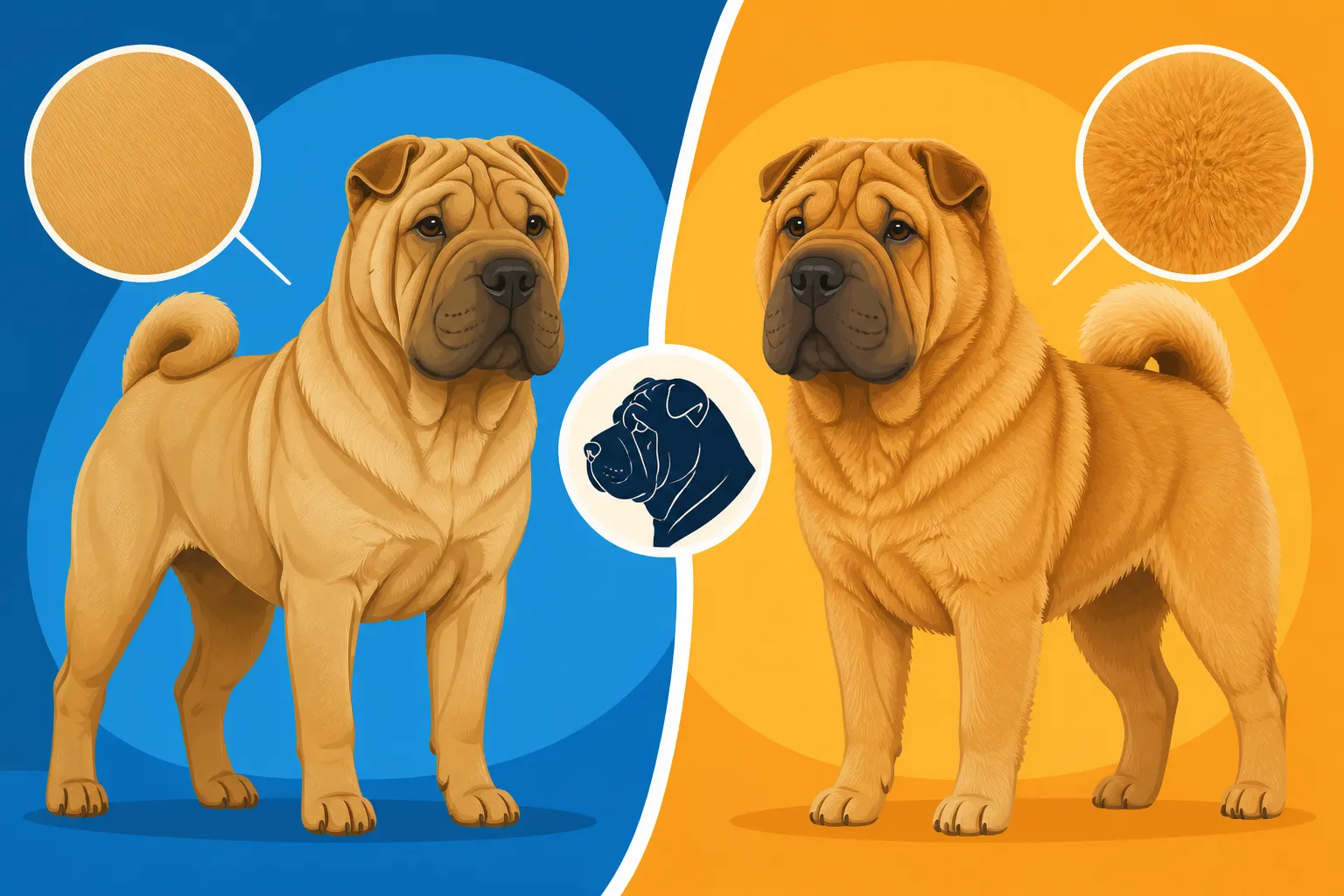
For those who love a dog with a distinctive look, these coat types offer variety within the breed. A horse coat Shar Pei, for instance, has a very short, coarse, and often prickly coat, almost like touching a horse's mane, hence the name. On the other hand, a brush coat Shar Pei boasts a slightly longer, softer, and smoother coat, which feels more like a standard dog's fur, albeit still dense. These aren't just cosmetic differences; they can inform how you might approach grooming and even managing skin sensitivities, as we'll explore later.
It’s worth noting that while these are the two primary recognized coat types, some anecdotal discussions mention a "bear coat." However, the bear coat is generally considered an outlier, a longer, fluffier variant that isn't typically recognized by breed standards and often carries additional health concerns. For the purpose of this deep dive, we'll focus on the two mainstream and widely recognized types: horse and brush coats, which are the ones you'll most commonly encounter and need to understand for responsible ownership.
Historical Context of Coat Development
The Shar Pei's coat types weren't just randomly introduced; they developed over time, likely influenced by the original purposes of the breed in ancient China. The rough, short coat would have offered some protection against brush and other environmental factors in the working dogs of old, perhaps even making it harder for an adversary to grip if the dog was used for guarding or hunting. The practicality of a low-maintenance, hardy coat was likely paramount in those early days.
As the breed evolved and was eventually saved from near extinction, breeders made choices that solidified these coat distinctions. While the push was often to save the breed itself, and later, to meet emerging breed standards in Western countries, the intrinsic characteristics of the horse and brush coats became ingrained. What was once perhaps a natural variation in a working dog population became a defining trait that breeders now consciously select for, influencing the appearance of modern Shar Pei lines.
This historical journey reminds us that every aspect of a Shar Pei, down to the texture of its coat, tells a story about its heritage. It’s not just about current trends or aesthetic preferences; it’s about a legacy passed down through generations. Understanding this background helps us appreciate that our Shar Pei's coat is more than just fur; it's a living piece of canine history, carrying with it echoes of the past and implications for their present care.
Horse Coat Shar Pei: A Deep Dive
The horse coat Shar Pei is often considered the more "traditional" or "original" coat type, especially for those familiar with the breed's working origins. It's incredibly distinctive, and once you've felt one, you rarely forget it. This coat type comes with its own set of characteristics and, consequently, its own unique care considerations that owners absolutely need to be aware of.
Texture and Appearance
The defining characteristic of a horse coat Shar Pei is its incredibly short, coarse, and bristly texture. Imagine running your hand over a stiff brush or, indeed, a horse's hide – that's the sensation you get. The hairs are typically no more than half an inch long, lying very close to the body, giving the dog a sleek yet rugged appearance. This isn't a fluffy dog by any stretch of the imagination, and that can sometimes be a surprise to first-time owners expecting a softer companion.
Visually, the horse coat emphasizes the Shar Pei's unique silhouette, making the skin folds appear more pronounced as there's no soft fur to obscure them. The individual hairs, while short, are quite stiff and can sometimes have a somewhat uneven feel, almost like small spikes. This texture is not just a tactile experience for humans; it plays a role in how the dog interacts with its environment and can even be a factor in potential skin irritation, both for the dog and for people with sensitive skin. How a Shar Pei's Coat Feels Like Sandpaper indeed describes this experience perfectly.
While some might find this coat type less cuddly than a brush coat, many enthusiasts appreciate its authentic look and feel. It’s a testament to the breed's hardy nature and a direct link to its ancestral working purposes. For those who prioritize the classic Shar Pei aesthetic, the horse coat is often the preferred choice, embodying the raw, distinctive charm of the breed in its purest form.
Grooming and Skin Care Challenges
Because of its unique texture, the horse coat presents specific grooming and skin care challenges. That short, bristly hair, while appearing low-maintenance, can actually be quite prone to shedding, and the stiff hairs can embed themselves stubbornly into carpets and furniture. Regular brushing, even with such short hair, is essential not only to manage shedding but also to distribute natural oils and provide a gentle massage that stimulates circulation.
Furthermore, the coarseness of the horse coat can sometimes exacerbate skin issues, especially within the deep folds where moisture and debris can easily get trapped. These areas become prime breeding grounds for bacteria and yeast, leading to conditions like skin fold dermatitis. Owners of horse coat Shar Pei need to be exceptionally diligent with Every Fold on a Shar Pei Is a Place Something Grows, ensuring that all folds are kept meticulously clean and dry to prevent irritation and infection. This might involve daily wiping with gentle, pet-safe wipes and ensuring thorough drying after baths or wet weather.
The sensitive skin beneath the horse coat also means choosing the right shampoos and conditioners is crucial. Harsh chemicals or strong fragrances can strip natural oils or cause allergic reactions. Many horse coat owners opt for hypoallergenic or medicated shampoos, sometimes available through online retailers like Chewy or Amazon, especially if their dog is prone to skin sensitivities. It's about finding a routine that cleans effectively without irritating that delicate, exposed skin, making "less is more" often the best approach for these unique coats.
Brush Coat Shar Pei: What Makes It Different
Moving from the horse coat, we encounter its softer cousin, the brush coat. While still distinctly Shar Pei, this coat type offers a different tactile experience and, in some subtle ways, presents its own set of considerations for care. Many people who are new to the breed might find the brush coat more approachable due to its softer feel.
Texture and Appearance
A brush coat Shar Pei has a slightly longer, denser, and noticeably softer coat compared to the horse coat. The hairs typically range from half an inch to an inch in length, giving the dog a fuller, more plush appearance. Instead of the bristly feel of a horse coat, a brush coat feels smoother, more akin to the velvet texture of some other dog breeds, though still quite coarse by general canine standards. It's not a truly "soft and fluffy" coat, but it lacks the sharp, irritating quality that some people find in the horse coat.
This increased length and density can give a brush coat Shar Pei a somewhat "softer" outline, with the wrinkles appearing less starkly defined than on a horse coat. While the characteristic folds are still very much present, they might be slightly less prominent due to the extra coverage of fur. For some, this makes the brush coat Shar Pei seem more approachable or "cuddly." Whether a Brush Coat Shar Pei Has More Wrinkles is an interesting question often debated; while the perception might be fewer due to more fur, the underlying skin structure is still very much a Shar Pei’s.
The brush coat still requires attention, but its gentler texture means that it might be less prone to causing skin irritation for sensitive family members. It also tends to be slightly less prone to the "sandpaper" feel that gives the horse coat its unique description. This subtle difference in texture can be a deciding factor for families with young children or those who are particularly sensitive to coarse pet hair.
Grooming and Skin Care
While softer, the brush coat is by no means maintenance-free. Its greater length and density mean it can trap more dirt, debris, and moisture than a horse coat, potentially making it more susceptible to matting if not brushed regularly, especially behind the ears or in areas with deeper folds. Routine brushing, perhaps a couple of times a week, is vital to keep the coat free of tangles, remove loose hair, and ensure good air circulation to the skin. How Often a Shar Pei Needs Brushing is a good article to consult for a deeper dive into this.
Just like with horse coats, vigilant skin care within the folds is paramount for brush coats. While the hairs are softer, they still cover deep creases, and these areas can become breeding grounds for infections if neglected. Daily checks and cleaning of facial, neck, and tail folds are highly recommended. A damp cloth followed by a thorough drying can prevent common issues like yeast infections and bacterial dermatitis. Considering that Skin Is the Shar Pei's Largest Problem by Surface Area, this diligence is non-negotiable for both coat types.
When it comes to bathing, brush coat Shar Pei owners should choose shampoos and conditioners formulated for sensitive skin or those with moisturizing properties. Given the slightly longer hair, ensuring the shampoo is thoroughly rinsed out is even more critical to prevent residue buildup, which can irritate the skin. Drying is equally, if not more, important for brush coats due to the potential for moisture retention within the denser fur, leading to skin issues. Drying Is More Important Than Washing on a Shar Pei emphasizes this universal Shar Pei care principle. Many owners find effective, gentle grooming products on platforms like Amazon or Chewy that cater to their Shar Pei’s unique skin and coat needs.
Comparison of Horse Coat and Brush Coat Shar Pei
It's clear that both horse coat and brush coat Shar Pei have their distinct characteristics, but seeing them side-by-side really highlights the practical implications for ownership. This isn't just about what looks good; it's about understanding how your dog's coat type influences daily life, health, and grooming routines.
Key Differences and Similarities
While their textures are the most obvious differentiator, several other factors contribute to the experience of owning either a horse coat or a brush coat Shar Pei.
| Feature | Horse Coat Shar Pei | Brush Coat Shar Pei |
|---|---|---|
| Hair Length | Very short (less than 0.5 inch) | Slightly longer (0.5 to 1 inch) |
| Texture | Coarse, bristly, rough, "sandpaper-like" | Denser, smoother, softer to the touch, velvet-like |
| Appearance | Sleek, emphasizes wrinkles, stark silhouette | Fuller, plush, wrinkles may appear slightly softer |
| Shedding | Sheds stiff, often hard-to-remove hairs | Sheds softer hairs, potentially more visible |
| Skin Irritation | Can cause skin irritation for sensitive human skin | Less likely to cause irritation for human skin |
| Drying Time | Faster to dry due to short hair | Slower to dry due to denser, longer hair |
| Historical View | Often considered more "traditional" | More popular in some modern breeding lines |
| Grooming Needs | Regular brushing for shedding, diligent fold care | Regular brushing for shedding/matting, diligent fold care |
Despite these differences, there are fundamental similarities that unite all Shar Pei. Both coat types share the breed's infamous deep skin folds, which, regardless of coat length, demand rigorous, consistent attention to prevent skin infections. Both require a diet suitable for their potentially sensitive stomachs and both are prone to a range of breed-specific health issues, such as Familial Shar Pei Fever Is Not an Infection and Entropion in a Shar Pei Puppy Is an Emergency, Not a Cosmetic Issue. Their stoic, independent personalities, and often guarded nature with strangers are also traits that transcend coat type.
Moreover, the core care principles remain constant. All Shar Pei need regular veterinary check-ups, appropriate socialization from a young age (we're talking before twelve weeks to avoid problems later on as highlighted in Socialize a Shar Pei Before Twelve Weeks or Pay for It Later), and mental stimulation to thrive. So, while the coat makes for different grooming tasks, the heart of Shar Pei ownership remains consistent across both varieties.
Health Implications Related to Coat Type
While both coat types share a predisposition to certain Shar Pei health challenges, the texture and length of the coat can subtly influence how some of these manifest or how easily they are managed. For instance, the very short, stiff nature of the horse coat can sometimes lead to what's known as "Shar Pei itch" – a feeling of constant irritation for the dog, even without an obvious rash, simply due to the prickliness of their own fur. This isn't universally true for all horse coats, but it's a known concern.
The denser brush coat, while softer, might inadvertently hold onto allergens or moisture for longer, potentially exacerbating issues like environmental allergies or contributing to persistent dampness in skin folds, which then encourages bacterial or yeast overgrowth. Skin Fold Dermatitis on a Shar Pei is a common issue for both, but the management of it might look slightly different based on how easily air can circulate and moisture can evaporate from the folds. Owners need to be extra vigilant about drying these areas thoroughly after baths or walks in damp weather.
However, it's crucial to remember that the most significant health implications for a Shar Pei often stem from the same genetic mutations that give them their wrinkles, not directly from the coat length itself. Conditions like Familial Shar Pei Fever and Amyloidosis, for example, are linked to the HA synthase 2 (HAS2) gene duplication that causes the excess hyaluronic acid, which leads to the wrinkles and the potential for inflammatory responses. The coat type is more of a secondary characteristic, albeit one that dictates specific day-to-day care routines.
Choosing Between a Horse Coat and a Brush Coat
Deciding which coat type of Shar Pei is right for you involves more than just a preference for looks. It's about aligning your lifestyle, your sensitivities, and your commitment to grooming with the specific needs that each coat type brings to the table. Both are wonderful dogs, but understanding these distinctions can prevent surprises down the line.
Lifestyle Considerations for Each Coat Type
If you or anyone in your household has particularly sensitive skin or allergies, the horse coat might present more challenges. The stiff, short hairs can be quite irritating upon contact and, once shed, can embed themselves in upholstery and clothing, making them difficult to remove. If a dog's fur causing skin reactions is a major concern, the horse coat might require extra consideration, perhaps even a "test pet" if you have the opportunity to interact with a horse coat Shar Pei beforehand.
For families who are meticulous about cleanliness and drying, the horse coat might seem easier because its short nature allows for quicker drying times after baths or wet outdoor adventures. However, if you are someone who appreciates a slightly softer touch and perhaps a dog that feels a bit more "conventional" in its fur texture, the brush coat might be more appealing. It's all about finding that balance between what you're comfortable with and what you're prepared to manage.
Ultimately, the Shar Pei is a dog that requires significant commitment to health and training regardless of coat type. Their independent nature and unique health needs mean that prospective owners need to be prepared for the breed as a whole. The coat choice then becomes a fine-tuning of those expectations, not the primary decision driver.
What to Ask a Breeder
When you're speaking to a breeder, don't be shy about asking specific questions regarding coat types. A reputable breeder will be transparent and knowledgeable about the distinctions and will even be able to tell you which coat types their litters are likely to produce. You should ask to see both the parents, if possible, and any older siblings from previous litters to get a sense of the adult coat type.
Beyond just identifying the coat type, delve into the health history associated with their lines. Ask if they track any common skin issues specific to either horse or brush coats they've produced. A good question might be, Whether Breeders Knew the Wrinkle Gene Carried the Fever and how that impacts their breeding decisions regarding coat and wrinkle severity. They should be able to discuss how they manage skin health in their dogs, the products they recommend, and how often they advise grooming for each coat. This shows they are thinking beyond just aesthetics.
It's also perfectly acceptable to ask about shedding patterns and any potential for skin irritation from either coat type. A responsible breeder will prioritize the health and well-being of their puppies and will be honest about the realities of owning a Shar Pei, regardless of its coat. They might even offer insights into how their dogs respond to different grooming tools, like specific brushes or wipes from brands available on Chewy or Amazon, helping you prepare for your new family member's arrival.
Caring for Your Shar Pei's Unique Coat
No matter if you bring home a horse coat or a brush coat Shar Pei, dedicated coat and skin care will be a significant part of your routine. These aren't wash-and-wear dogs; their wrinkles and unique skin require consistent, mindful attention.
Essential Grooming Practices
Regular brushing is non-negotiable for both coat types. For horse coats, daily or every-other-day brushing helps remove those stiff, shedding hairs that can otherwise irritate the skin or embed themselves into everything. For brush coats, brushing a few times a week prevents tangles and keeps the denser fur from holding onto debris. Using a rubber curry brush or a short-bristled brush is often recommended, as it can effectively remove loose hair without being too harsh on their delicate skin. Which Brush Suits a Shar Pei will give you more detailed guidance on selecting the right tools.
Bathing should be done with a gentle, hypoallergenic shampoo, specifically formulated for dogs with sensitive skin. Avoid anything with harsh detergents or strong perfumes. The frequency of bathing will depend on your individual dog's activity level and skin needs, but generally, once every 2-4 weeks is a good starting point unless a medicated shampoo is prescribed more frequently. After bathing, the most critical step is thorough drying, especially within all the skin folds. A towel and a cool-setting hairdryer can be your best friends here. You want to ensure every crevice is bone dry to prevent bacterial or yeast overgrowth.
Beyond brushing and bathing, routine fold cleaning is paramount. Their unique wrinkles, particularly around the face, neck, and tail, can trap moisture, food particles, and dirt. Using pet-safe wipes or a soft, damp cloth followed by a dry one daily can make a huge difference in preventing infections. If you notice any redness, odor, or discharge in the folds, it's time to consult your vet. This preventative maintenance is key to keeping their skin healthy and comfortable.
Specialized Skin and Coat Products
Given the Shar Pei's propensity for skin issues, investing in specialized skin and coat products is a smart move. Many owners find success with medicated shampoos prescribed by their vet, especially if their dog is prone to skin fold dermatitis or yeast infections. These shampoos often contain ingredients like chlorhexidine or miconazole to combat bacterial and fungal growth. Over-the-counter options, such as those designed for sensitive skin or allergies, are also widely available through pet suppliers like Chewy and can be a good choice for general maintenance.
For daily fold cleaning, a variety of pet-safe wipes are available. Look for wipes that are fragrance-free and contain soothing ingredients like aloe vera or witch hazel. Some owners even use plain water and cotton pads for sensitive areas. For drying, consider a high-quality microfiber towel that absorbs moisture effectively. For stubborn moisture, some vets might recommend a light, medicated powder for very dry areas, but always consult your vet before using any powders, as they can sometimes irritate rather than help.
Finally, consider dietary supplements. Omega-3 fatty acids, often found in fish oil supplements (which you can easily find on Amazon), can significantly improve skin and coat health, reducing inflammation and promoting a healthier barrier. Probiotics can also support overall gut health, which is closely linked to skin condition. Always discuss any supplements with your veterinarian to ensure they are appropriate for your individual Shar Pei's needs and won't interact with any existing medications or conditions. Whether a Shar Pei Needs Fish Oil for Its Skin is a topic worth exploring further with your vet.
When to Seek Veterinary Advice
Even with the most diligent care, Shar Pei can develop skin or coat issues due to their unique physiology. Knowing when to reach out to your vet can make all the difference in catching problems early and preventing them from becoming more severe or painful for your dog.
Recognizing Signs of Trouble
Your Shar Pei's skin and coat are often the first indicators of underlying health problems. Keep an eye out for any changes that seem out of the ordinary. Persistent itching, redness, or inflammation, especially within the skin folds, are major red flags. If you notice a foul odor emanating from their skin, ears, or folds, that's often a sign of bacterial or yeast infection brewing. Excessive shedding, bald patches, or a dull, unhealthy-looking coat can also indicate internal issues like Signs a Shar Pei's Thyroid Is Low or dietary deficiencies.
Lumps, bumps, or sores that don't heal are also causes for concern. Shar Pei can develop conditions like cutaneous mucinosis, which causes jelly-like bumps under the skin, or more serious skin growths. What Cutaneous Mucinosis Is explains this particular phenomenon, but any new lump warrants a vet visit. Changes in the skin's texture, like thickening or darkening, especially in areas of chronic irritation, should also prompt a professional evaluation.
Don't dismiss these signs as "just Shar Pei things." While they are prone to skin issues, these are not normal or acceptable for your dog to endure. Early intervention can prevent minor irritations from escalating into painful, chronic conditions that require more aggressive and costly treatments.
When to Consult a Specialist
While your primary veterinarian is an invaluable resource, there are times when a specialist, particularly a veterinary dermatologist, is the best next step. If your Shar Pei experiences recurrent skin infections, persistent itching that doesn't respond to initial treatments, or unusual skin lesions, a dermatologist can offer advanced diagnostics and treatment plans. They have specialized knowledge and tools to pinpoint the exact cause of complex skin conditions, from rare allergies to autoimmune diseases. Whether a Shar Pei Owner Should See a Dermatologist is a question many owners face, and the answer is often yes when standard treatments aren't working.
A specialist can perform advanced tests like skin biopsies, allergy testing (like intradermal testing), or more comprehensive bacterial and fungal cultures to guide treatment. They can also provide nuanced advice on managing chronic conditions, including dietary recommendations, specialized topical treatments, and long-term medication strategies. Sometimes, what seems like a simple itch can be a manifestation of a deeper immune system issue, such as What IgA Deficiency Means for a Shar Pei, which a specialist is uniquely equipped to diagnose and manage.
Remember, your dog's comfort and quality of life are paramount. If you've been battling a skin issue with your Shar Pei for weeks or months without significant improvement, or if your gut tells you something more serious is at play, don't hesitate to ask your vet for a referral. Seeking specialized help is a proactive step that can lead to better outcomes and a happier, healthier Shar Pei in the long run.
Disclaimer
This article is for general informational purposes only and does not constitute professional advice. Laws, prices and regulations vary by location and change over time. Consult a qualified professional for guidance on your specific situation.