Whether a Shar Pei Needs Boots in Snow
If you're a Shar Pei owner, you've probably faced that moment on a crisp winter day where you wonder, "Are my dog's paws really okay out here?" It’s not just about a little chill; the unique characteristics of a Shar Pei, from their skin to their general health predispositions, mean that snowy, icy conditions can pose a genuine threat. This guide will walk you through everything you need to know about protecting your beloved companion's paws and overall well-being when winter weather rolls in, helping you make informed decisions about whether boots are truly a necessity.
Understanding Your Shar Pei's Cold Tolerance
It's easy to look at a sturdy-looking dog like a Shar Pei and assume they're built to handle all sorts of weather, but their anatomy tells a different story, especially when it comes to cold. Their body, while compact and muscular, isn't always equipped with the natural defenses you might expect from a "tough" breed. Understanding these nuances is the first step in knowing when and why extra protection, like boots, becomes crucial.
The Shar Pei's Natural Coat and Insulation
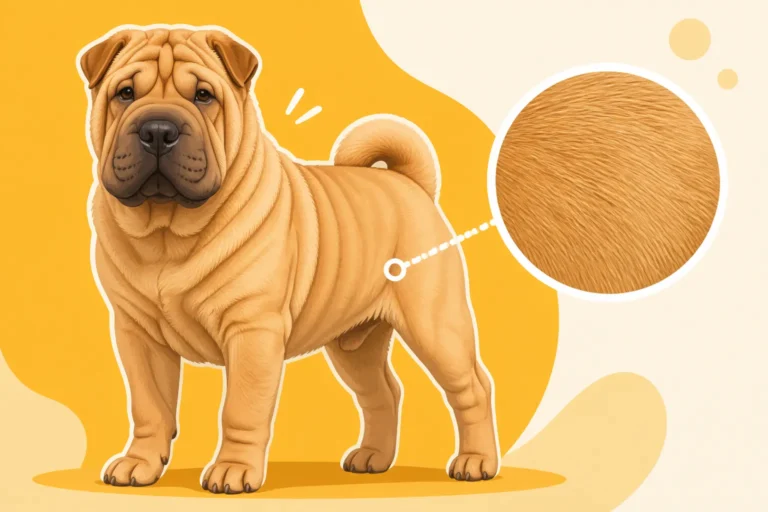
Many dog breeds have a thick double coat designed to trap warm air and insulate them from the cold. Think of a Husky or a Newfoundland—they have an inherent winter wardrobe. A Shar Pei, however, is a different story entirely. Most Shar Pei have what's known as a "horse coat" or a "brush coat," both of which are single-layered and relatively short. The "horse coat" is particularly coarse and stiff, giving the dog its distinctive texture, often described as feeling like sandpaper. This type of coat, while protective against some elements, offers minimal insulation against biting cold or deep snow. It simply isn't designed to keep them toasty.
Unlike breeds with dense undercoats, your Shar Pei's skin is more exposed to the elements. This means that cold, wind, and dampness can penetrate much more easily, leading to discomfort and rapid heat loss. While their wrinkles might seem like extra padding, they don't provide the thermal barrier of a proper undercoat. In fact, if moisture gets trapped in those folds and then freezes, it could even cause localized irritation or frostbite. You can learn more about how different coats affect care in Horse Coat or Brush Coat Changes How You Care for a Shar Pei and get a sense of its unique texture in Why a Shar Pei's Coat Feels Like Sandpaper. This lack of natural insulation means that when temperatures drop, especially below freezing, your Shar Pei isn't just "feeling the cold" a little; they're genuinely vulnerable to it in a way many other breeds are not.
Recognizing Signs of Cold Stress
Your Shar Pei might be stoic, but that doesn't mean they're not feeling the cold. Learning to read their subtle cues is vital, as they can’t just tell you they’re freezing. One of the most common signs you'll see in a cold Shar Pei is shivering or trembling, much like humans do. This is your dog's body trying to generate heat, and it's a clear signal that they are uncomfortable and getting too cold.
Another key indicator involves their paws. If your Shar Pei repeatedly lifts their paws off the cold ground, tries to stand on only three legs, or seems hesitant to walk across snowy or icy patches, they're telling you their paws are hurting. You might also notice them slowing down significantly on walks, refusing to move, or trying to turn back toward home sooner than usual. Their ears, nose, and paw pads might also feel unusually cold to the touch. Don't mistake their reluctance to move for stubbornness; it's often a genuine reaction to pain or extreme discomfort. Keeping an eye on What a Shar Pei's Skin Tells You Before Its Behavior Does can help you interpret their physical signals.
Individual Variation in Cold Sensitivity
Just like people, not all Shar Pei are created equal when it comes to tolerating cold. While the breed generally has less natural cold protection, individual factors can make some Shar Pei even more sensitive. Puppies, for instance, have less body fat and a less developed thermoregulation system, making them much more susceptible to rapid heat loss. An older Shar Pei, too, might find winter conditions more challenging. As dogs age, their circulation can become less efficient, and conditions like arthritis can be exacerbated by cold and damp, making icy walks painful. Caring for a Shar Pei Past Seven touches on how their needs change as they age.
Shar Pei with underlying health conditions, such as hypothyroidism, which can affect metabolism and heat production, or those recovering from illness, will also feel the cold more acutely. Even their weight can play a role; a very lean Shar Pei might struggle more than one with a little extra insulation. It's crucial to consider your individual dog's age, health, and activity level when deciding how much protection they need. A brief, brisk walk might be fine for a healthy adult, but a senior or a puppy will likely need significant extra consideration, including shorter outdoor times and proper gear. In general, it's always better to err on the side of caution when the mercury drops, especially when you consider Whether a Shar Pei Tolerates Cold Better Than Heat.
Why Boots Might Be Essential in Snowy Conditions
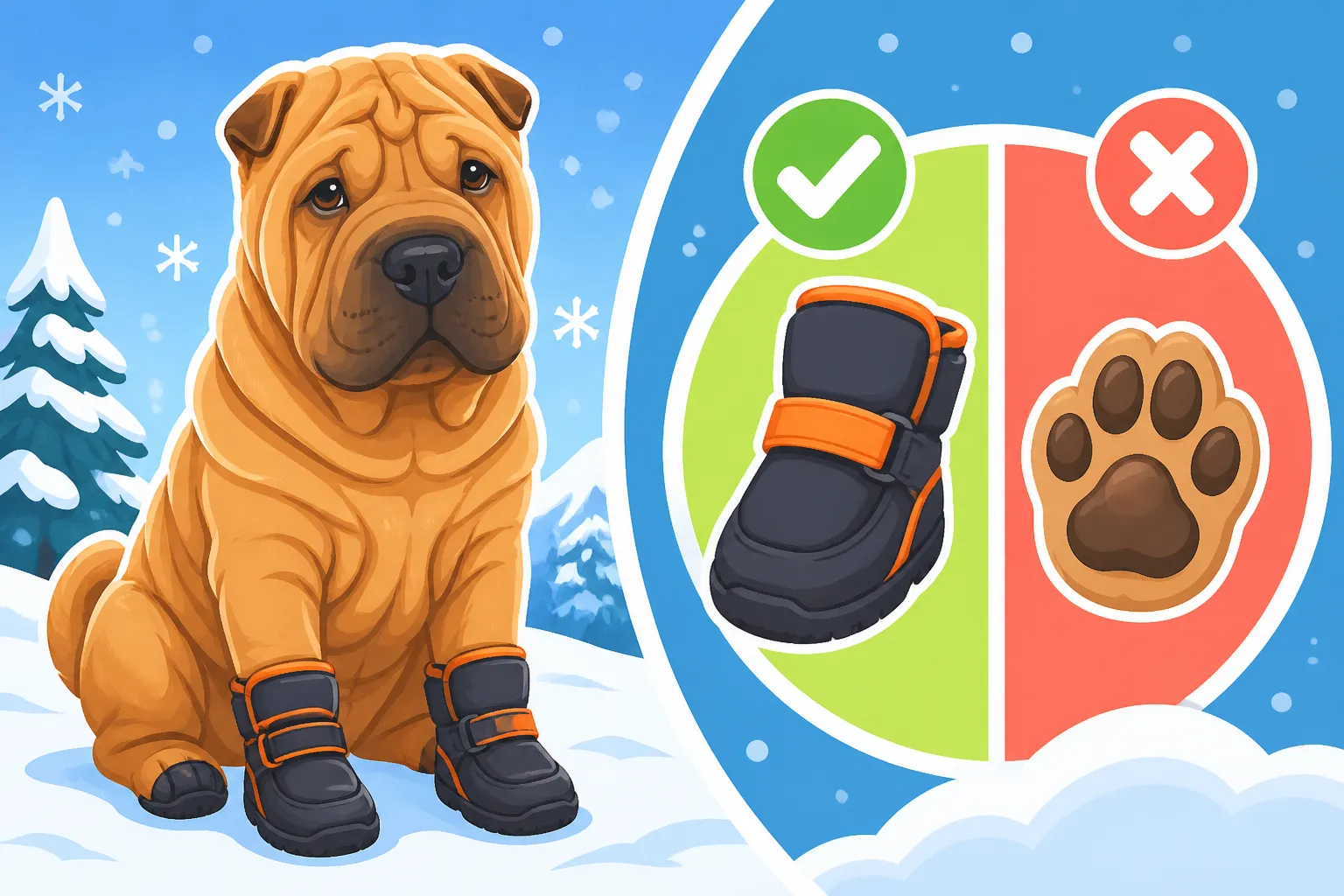
When winter truly hits, it’s not just about the chill in the air; the ground itself becomes a gauntlet of hazards for unprotected paws. For a Shar Pei, whose sensitive skin and paw pads can be more vulnerable than other breeds, boots aren't just a fashion statement—they're often a vital piece of protective gear. Ignoring these ground-level threats can lead to serious discomfort, injury, or even long-term health issues.
Protecting Paws from Ice, Snow, and De-Icers
Walking through snow and ice without protection can quickly become painful for your Shar Pei. Snow can pack between their paw pads and toes, forming uncomfortable and sometimes sharp ice balls. These can act like tiny razor blades, digging into the soft skin, causing abrasions, bleeding, and deep irritation. Imagine trying to walk with gravel painfully wedged between your toes – that's what it can feel like for them.
Beyond the physical discomfort, the chemicals used for de-icing sidewalks and roads pose a significant threat. Rock salt, calcium chloride, and other de-icing agents are corrosive and can cause severe chemical burns to paw pads. These substances are not only painful on contact but can also be toxic if ingested, which often happens when a dog licks their paws after a walk. Even if you rinse their paws immediately, the damage might already be done. Boots create a physical barrier, shielding your Shar Pei's delicate paw pads from these harsh elements, preventing both ice ball formation and chemical burns. For general well-being, it's important to remember What Temperature a Shar Pei Is Comfortable In.
Enhancing Traction and Preventing Slips
Icy surfaces aren't just uncomfortable; they're incredibly dangerous. A Shar Pei's natural paw pads offer some grip on dry, textured surfaces, but on slick ice or packed snow, they have little to no traction. This can lead to slips, falls, and potentially serious injuries. Imagine your Shar Pei, with their somewhat heavy build, slipping awkwardly. This could result in sprains, strains, torn ligaments, or even fractures, especially for older dogs whose bones and joints are more brittle.
A good set of dog boots designed for winter conditions will feature textured, rubberized soles that provide significantly improved grip. This enhanced traction allows your Shar Pei to walk more confidently and safely on slippery sidewalks, icy driveways, and uneven snowy paths. It reduces the risk of painful falls, protecting their joints and muscles from sudden impacts. While you want your Shar Pei to get How Much Exercise a Shar Pei Needs, ensuring their safety during these walks is paramount.
Maintaining Core Body Temperature
While we often think of keeping the body warm through coats, our dog's paws are actually critical points for heat loss. When your Shar Pei's paws are in direct contact with freezing ground, they act as radiators, rapidly dissipating body heat. This constant cooling of the extremities can significantly contribute to a drop in your dog's overall core body temperature, leading to hypothermia in prolonged exposure or very cold conditions.
Boots act as an insulating layer, much like a pair of thermal socks for humans. They help to trap warmth around the paw pads, preventing the rapid transfer of cold from the ground to your dog's body. By keeping their paws warmer, you help their entire body regulate its temperature more effectively, reducing the risk of them getting dangerously cold. This is particularly important for Shar Pei, who, as discussed, don't have a thick insulating coat to begin with. Pairing boots with a good dog coat, especially for Whether a Shar Pei Needs a Coat in Winter, creates a more comprehensive defense against the cold.
Choosing the Right Boots for Your Shar Pei
So, you’ve decided boots are a good idea for your Shar Pei. Great! But walking into a pet store or browsing online can be overwhelming with the sheer number of options. Not all boots are created equal, and what works for a tiny terrier might not be suitable for your sturdy Shar Pei. Picking the right pair is crucial for both protection and your dog's comfort and willingness to wear them.
Key Features to Look For in Winter Dog Boots
When selecting winter boots for your Shar Pei, you'll want to prioritize functionality and durability. Look for boots that are waterproof or highly water-resistant to keep paws dry and warm, as wet paws get cold much faster. Materials like neoprene, synthetic leather, or tough nylon with a waterproof coating are excellent choices.
The sole is perhaps the most critical feature. It should be thick, flexible, and have a robust tread pattern, similar to a hiking boot. This provides insulation from the cold ground and, more importantly, offers superior traction on ice and snow. Thin, flimsy soles won't cut it for a Shar Pei. Finally, consider the closure system. Straps with strong Velcro or adjustable elastic bands are usually best. You need a secure fit that won't easily slip off mid-walk but also won't pinch or chafe. Some boots feature an expandable opening for easy paw insertion, which can be a huge plus for dogs who aren't keen on having their paws manipulated. You can find a huge variety of options on sites like Chewy or Amazon, where you can compare different brands and read reviews from other dog parents to see what has worked for others.
Here's a quick comparison of common boot features:
| Feature | Description | Ideal for Shar Pei |
|---|---|---|
| Material | Neoprene, synthetic leather, tough nylon, silicone | Durable, waterproof/resistant materials that withstand abrasion and cold |
| Sole | Thick rubber, textured tread, flexible | Excellent grip on ice and snow, good insulation, allows natural paw movement |
| Closure | Dual Velcro straps, elastic cords with toggles, zippered openings | Secure fit to prevent slipping off, adjustable for comfort, easy to put on/take off |
| Height | Ankle height, mid-calf | Taller boots offer more protection against deeper snow and prevent snow ingress |
| Lining | Fleece, synthetic insulation | Adds warmth and comfort, wicks away moisture |
| Reflectivity | Reflective strips or material | Enhances visibility in low light, adding a layer of safety |
Sizing and Fitting for Comfort and Security
Getting the right size is paramount. Boots that are too loose will twist, fall off, and potentially cause tripping hazards. Boots that are too tight will restrict blood flow, cause discomfort, and might even lead to chafing or sores. To measure your Shar Pei's paw, have them stand on a piece of paper. Lift the opposite paw to ensure full weight is on the paw you're measuring, then trace around the paw, including the nails. Measure the widest part and the length from the back of the largest pad to the tip of the longest nail. Always check the brand's specific sizing chart, as they vary. When in doubt, it's often better to size up slightly and use the adjustable straps to snug them down, rather than risk a too-tight fit.
Once you have the boots, try them on indoors first. Your Shar Pei should be able to stand and walk naturally, with no noticeable limping or severe awkwardness. The boot should fit snugly around the ankle but not cut off circulation. You should be able to slide a finger easily under the strap. Watch for any rubbing or pinching points, especially around the dewclaws. Remember, their comfort is key to their acceptance of wearing boots.
Alternatives and Supplementary Paw Protection
While boots are highly effective, they aren't the only option, and sometimes a multi-pronged approach is best. For very short outings in mild snowy conditions, or if your Shar Pei simply refuses boots, paw balms or waxes can offer some degree of protection. Products like Musher's Secret or various paw balms create a protective barrier that moisturizes pads, helps prevent snow and ice from sticking, and offers a minor shield against de-icing chemicals. However, these are generally not as robust as boots and need frequent reapplication. They won't protect against sharp ice or provide much traction.
Another alternative is to simply adjust your walking routine. On days with heavy snow or ice, opt for shorter walks, stick to cleared paths where de-icers haven't been used, or even switch to indoor play. If you're concerned about chemicals, you can also use warm water and a towel to thoroughly rinse and dry your Shar Pei's paws immediately after coming inside. And of course, ensuring your Shar Pei is in peak physical condition, perhaps by feeding them a high-quality, nutritious diet from a brand like Ollie, can bolster their overall resilience to environmental stressors, including the cold, even if it doesn't directly protect their paws. While boots are a targeted solution, these supplementary measures can help ensure your Shar Pei stays healthy and comfortable throughout the winter months. For broader care considerations, check out How to Cool a Shar Pei Down (relevant for understanding temperature regulation) or Whether an Old Shar Pei's Skin Gets Better or Worse.
Acclimating Your Shar Pei to Wearing Boots
Okay, you've got the perfect boots. Now comes the fun part: getting your Shar Pei to actually wear them. For many dogs, especially independent thinkers like the Shar Pei, this can be quite an amusing, if sometimes frustrating, process. They might do the "boot dance" – high-stepping, shaking their paws, or looking at you with utter bewilderment. Patience, positive reinforcement, and a gradual approach are your best friends here.
Positive Reinforcement and Gradual Introduction
The key to success is to make the boots a positive experience from the very start. Don't just strap them on and expect your Shar Pei to walk off happily. Begin indoors, in a quiet, familiar environment. Start by simply showing them the boots and offering a high-value treat or praise. Let them sniff the boots, associate them with good things.
Next, try putting just one boot on for a few seconds. Immediately give a treat and lavish praise. Take the boot off. Repeat this several times over short sessions, gradually increasing the time the boot stays on. Once they're comfortable with one, try two, then all four. The goal is to build a positive association, not force it. Keep the sessions short and upbeat. If your Shar Pei seems stressed or upset, take a break and try again later. Consistency is important, but so is not pushing them past their comfort zone. Remember, building positive associations with new experiences is vital for your Shar Pei, whose independent nature can make them resistant to coercion.
Making It a Fun, Not Frightening, Experience
When your Shar Pei finally has all four boots on, their initial reaction might be pure theatrical confusion. They might lift their paws high, walk gingerly, or even freeze in place. This is normal! Resist the urge to laugh or scold them. Instead, keep the atmosphere light and encouraging. Offer treats, play a favorite game, or use their absolute favorite squeaky toy to distract them.
Start with very short "walks" inside, just a few steps, immediately followed by praise and a reward. Then, try a short walk in the yard on soft grass or familiar terrain before tackling snow or ice. The idea is to associate wearing the boots with enjoyable activities and rewards, rather than something scary or restrictive. If they associate the boots with exciting walks and tasty treats, they'll be far more willing to accept them. Think about all the effort you put into keeping them happy and healthy in other areas, like managing their shedding, covered in How Much a Shar Pei Sheds Day to Day – this is just another aspect of their care.
Troubleshooting Common Boot Challenges
Even with the best intentions, you might run into some challenges. One common issue is refusal to walk. If your Shar Pei acts like their paws are glued to the floor, try tossing a treat a short distance away to encourage a step. Another trick is to immediately go outside for a very short, exciting walk – the novelty of being outdoors and the motivation to explore can often override their boot-induced stiffness.
Some Shar Pei might try to chew or shake the boots off. Ensure the boots are fitted snugly enough not to be easily dislodged, but not so tight they are uncomfortable. Distraction with a toy or command ("leave it!") can help if they start chewing. If boots keep falling off, you might need a different style with a more secure closure or a taller cuff. It’s a bit of trial and error, but finding the right boot and establishing a positive routine will make winter walks safer and more enjoyable for both of you.
Disclaimer
This article is for general informational purposes only and does not constitute professional advice. Laws, prices and regulations vary by location and change over time. Consult a qualified professional for guidance on your specific situation.