Whether a Shar Pei Tolerates Cold Better Than Heat
Many Shar Pei owners find themselves constantly monitoring the thermostat, watching the weather, and worrying about their beloved companion's comfort. It's a genuine struggle, often feeling like you're trying to keep a finicky houseplant alive in ever-changing conditions. This guide aims to shed light on a common question for Shar Pei guardians: do these wonderfully unique dogs handle cold better than heat, and what does that mean for their daily care?
Understanding the Shar Pei's Unique Physiology and Temperature Regulation
Our wrinkly friends are certainly distinctive, and those very traits that make them so adorable also play a huge role in how they cope with different temperatures. It's not just about their short coat; it's a whole package deal, from their skin to their snout. Understanding these physiological quirks is the first step to becoming a true temperature-savvy Shar Pei parent.
The Double-Edged Sword of Those Signature Wrinkles
Those luscious wrinkles, the hallmark of the Shar Pei breed, are undeniably charming. They're what draw many of us to these dogs in the first place, creating that perpetually concerned and deeply endearing expression. However, from a practical standpoint, these folds of skin, especially on the face and neck, are a major factor in how your Shar Pei regulates its body temperature.
Think of those deep wrinkles as tiny, insulated valleys. In warm or humid weather, these valleys can trap heat and moisture against the skin. Unlike a smoother-skinned dog where air can circulate freely across their body, a Shar Pei's extensive folds act like a blanket, preventing heat from radiating away efficiently. This trapped heat can quickly lead to your dog feeling uncomfortably warm, even when the ambient temperature might not seem extreme to you. Furthermore, these warm, moist pockets become prime breeding grounds for yeast and bacterial infections, compounding the discomfort and stress your dog experiences when trying to cool down. It’s a constant battle, and it means we have to be extra vigilant about keeping them cool and dry. You might find yourself wiping down their face folds multiple times a day in summer, just to try and mitigate this inherent challenge. This is a critical aspect of Every Fold on a Shar Pei Is a Place Something Grows.
A Coat Not Built for Extreme Cold
While those wrinkles might hinder cooling, the Shar Pei's coat isn't exactly built for arctic conditions either. Most Shar Pei have what's known as a horse coat or a brush coat. Both are short, dense, and can feel surprisingly bristly, almost like sandpaper, to the touch. This distinctive texture is part of their charm, but it's not designed for significant insulation.
A horse coat, being extremely short and coarse, offers minimal protection against biting winds, sleet, or heavy snow. A brush coat is slightly longer and softer, providing a little more density, but still pales in comparison to breeds with thick double coats, like Huskies or Newfoundlands. These northern breeds have a soft, downy undercoat that traps air close to their body, creating an insulating layer. Our Shar Pei, with their single, sparse coat, simply don't have this natural defense mechanism. They can get chilly quickly when exposed to prolonged cold, especially if they are standing still or the ground is frozen. Imagine going outside in just a thin t-shirt on a frosty day; that’s often what it feels like for a Shar Pei without proper protection. This is why considering Whether a Shar Pei Needs a Coat in Winter is not just about fashion, but function.
Brachycephalic Tendencies (Even Without the Flat Face)
When people think of brachycephalic breeds, they often picture Bulldogs or Pugs with their distinctly flat faces. While a Shar Pei doesn't have the extreme brachycephalic structure of these breeds, their relatively shorter, broader muzzle can still present a challenge when it comes to efficient heat exchange through panting.
Panting is a dog's primary mechanism for cooling down. As they pant, air rapidly passes over the moist surfaces of their tongue, mouth, and respiratory tract, allowing for evaporative cooling. A longer, more open airway facilitates this process more effectively. For a Shar Pei, while not severely compromised, their slightly more compact facial structure means they may not be as efficient at this vital cooling process as a dog with a longer snout, like a Labrador or a Greyhound. This isn't usually an issue in mild conditions, but when temperatures climb, or during strenuous exercise, this subtle difference can mean they reach their overheating threshold faster. They have to work harder to pant effectively, and that effort itself generates more heat, creating a vicious cycle. It’s a subtle disadvantage that adds to their overall sensitivity to high temperatures.
Why Heat Poses a Significant Threat to Shar Pei
If there’s one thing every Shar Pei owner quickly learns, it’s that heat is the enemy. It's not just about discomfort; it can be downright dangerous. The combination of their unique physiology, genetic predispositions, and the simple reality of warm weather means we have to be constantly on guard.
The Dangers of Overheating and Heatstroke
Overheating in a Shar Pei isn't just a minor inconvenience; it's a medical emergency waiting to happen. Our dogs can escalate from being a bit warm to full-blown heatstroke alarmingly fast, often before we even realize the severity. The signs can be subtle at first, such as excessive panting that seems disproportionate to their activity level. You might notice their gums are a brighter red than usual, or perhaps they start to drool more heavily. As it progresses, you could see lethargy, weakness in their legs, uncoordinated movements, or even stumbling. Their body might feel hot to the touch, and their eyes could appear glazed over.
Imagine taking your Shar Pei for what seems like a perfectly pleasant evening walk. The sun has gone down, but the pavement is still radiating heat from the day, and there's not much of a breeze. Your dog, eager to be with you, might push through its discomfort, but within minutes, that heavy panting could turn into raspy breathing, and their strong gait might falter. This is where the danger lies: once heatstroke sets in, it affects their organs, potentially leading to irreversible damage to kidneys, liver, brain, or heart. It's a truly terrifying scenario for any pet parent, and for a Shar Pei, whose cooling mechanisms are already somewhat challenged, it's an ever-present risk. This highlights the importance of understanding How Heat Limits a Shar Pei's Walk and adjusting your routine accordingly.
Humidity: The Silent Amplifier of Heat Stress
While high temperatures are an obvious concern, humidity often gets overlooked as a significant factor in a dog's ability to cool down. For a Shar Pei, high humidity acts like a silent amplifier, making an already challenging situation even worse. Dogs cool themselves primarily through evaporative cooling when they pant. Moisture evaporates from their mouth, tongue, and respiratory tract, carrying heat away from their body.
However, when the air is already saturated with moisture – high humidity – this evaporative process becomes much less efficient. The air simply can't absorb much more water, so your dog's panting doesn't effectively release heat. It's like trying to dry clothes in a rainforest; nothing seems to ever get truly dry. For a Shar Pei, whose unique physical traits already make them prone to overheating, a humid environment means they’re struggling even harder with their limited cooling capacity. A 75-degree day with 90% humidity can be far more dangerous than an 85-degree day with dry air. Owners in the American South, the Mid-Atlantic, or any coastal region know this struggle intimately during summer months. Even a short stroll around the block can become a risky venture on a sticky, muggy day. Always check the humidity levels, not just the temperature, before heading out for any extended period.
Genetic Predispositions and Heat
It’s impossible to talk about Shar Pei health and heat without touching on their well-known genetic predisposition to Familial Shar Pei Fever (FSF), also sometimes referred to as Shar Pei Autoinflammatory Disease (SPAID). While heat doesn't cause FSF, stress and environmental factors, including becoming overheated, can sometimes act as triggers for an episode in a susceptible dog.
A fever episode is characterized by an elevated body temperature, typically between 103 to 107 degrees Fahrenheit, accompanied by lethargy, pain, and often swelling of the hocks. If your dog is already struggling with external heat, and then an FSF episode kicks in, their internal temperature regulation goes haywire. This creates a critical situation where their body is fighting both external and internal heat, placing immense strain on their systems. It's a double whammy that can quickly become life-threatening. Managing a feverish Shar Pei, especially in warm weather, requires swift action to try and bring their temperature down. This is where understanding Whether a Shar Pei Should Be Cooled During a Fever becomes paramount. This underlying genetic vulnerability means that temperature management isn't just about comfort; it's a vital part of managing their overall health and trying to prevent exacerbations of their breed-specific condition. For more context, it's good to remember Familial Shar Pei Fever Is Not an Infection, meaning it's an internal inflammatory response, not an external bug.
Navigating Cold Weather with Your Shar Pei
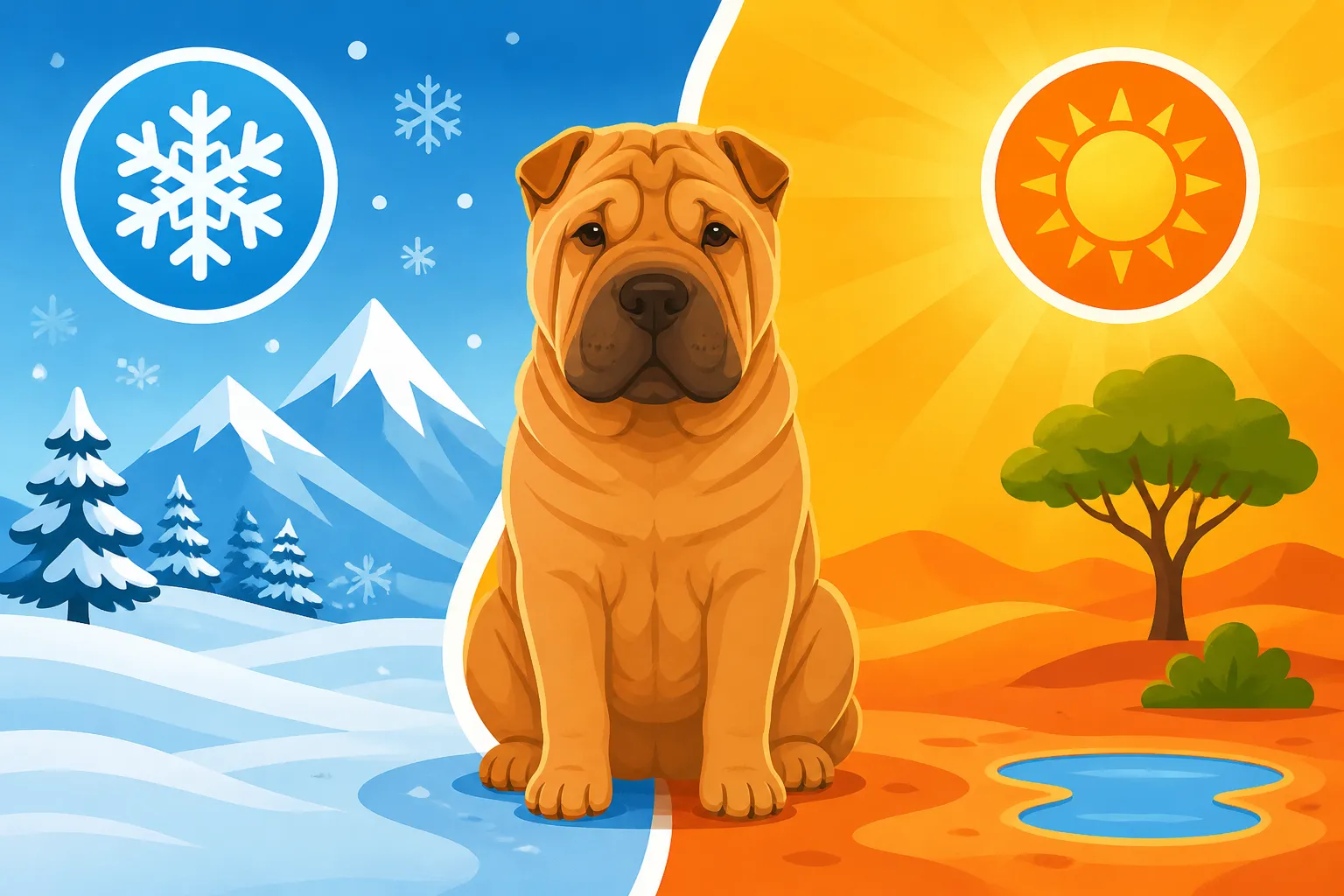
While heat is the primary concern for most Shar Pei owners, it doesn't mean our dogs are suddenly Arctic explorers when the temperature drops. They generally tolerate cold better than heat, but that's a relative term. We still need to be mindful and provide appropriate care to ensure they're comfortable and safe.
Cold Tolerance: Better, But Still Not Invincible
It's true, in a head-to-head comparison, a Shar Pei will typically fare better in cooler temperatures than in hot, humid conditions. This is largely due to the challenges they face in dissipating heat, as discussed earlier. When it's cold, their body can more easily conserve warmth, and their short coat isn't actively working against them by trapping heat. They don't have the same risk of rapid, life-threatening overheating that they do in summer. You'll often find them more energetic and playful in crisp autumn or mild winter weather, truly enjoying their walks and outdoor time.
However, "better" does not equate to "invincible." They are not built for extreme, prolonged cold, especially if it's accompanied by dampness or strong winds. Unlike breeds with thick double coats, a Shar Pei lacks the natural insulation to withstand freezing temperatures for long periods. Their sparse coat offers limited protection, and their thinner skin compared to some other breeds means they can feel the chill more readily. They'll appreciate a brisk walk, but they're not going to be happy spending hours building snowmen with the kids. It's a common misconception that because they suffer in heat, they must thrive in deep cold. The reality is that they simply have a wider margin for error in cooler conditions before reaching a dangerous state.
Recognizing Signs of Being Too Cold
Just as it's crucial to spot the signs of overheating, it's equally important to recognize when your Shar Pei is too cold. This isn't usually as acute an emergency as heatstroke, but sustained cold can lead to hypothermia and other health issues. The most obvious sign is shivering – just like humans, dogs shiver to generate heat when their body temperature drops. You might also notice your Shar Pei hunching its back, tucking its tail, and trying to make itself as small as possible to conserve warmth.
Other indicators include reluctance to move or a stiff gait, seeking warmth by trying to burrow under blankets or lean against you, and cold ears or paws. Their normally vibrant gums might appear pale or bluish in severe cases, which warrants immediate veterinary attention. Imagine taking your Shar Pei out for a potty break on a bitter winter morning. If they rush back to the door after only a minute, picking up their feet, and then immediately curl into a tight ball once inside, they were clearly uncomfortably cold. If the ground is wet and cold from rain or melted snow, this feeling can be amplified significantly, as dampness pulls heat away from the body much faster than dry air. Drying Is More Important Than Washing on a Shar Pei applies in this context too – keeping them dry after any damp outdoor excursion is crucial.
Practical Cold Weather Management
Since Shar Pei aren't equipped with a built-in fur parka, we, their devoted human companions, need to step in to provide that extra layer of warmth when the mercury drops. The good news is that managing cold for a Shar Pei is generally simpler than managing heat.
For outdoor adventures in chilly weather, consider investing in a dog sweater or a winter coat. These aren't just for show; they provide a much-needed barrier against wind and cold, especially for a horse coat Shar Pei. You can find a fantastic array of options at pet supply retailers like Chewy or even on Amazon, ranging from lightweight fleece sweaters for crisp autumn days to waterproof, insulated coats for snowy outings. When choosing, ensure it covers their chest and belly well, as these areas are particularly vulnerable to cold. Limit the duration of walks and outdoor playtime when temperatures are freezing, especially if there's a wind chill or precipitation. A quick potty break is fine, but prolonged exposure should be avoided. For older Shar Pei, or those with underlying health issues like arthritis, cold can exacerbate joint pain, so shorter, more frequent outings are often best. Indoors, ensure they have a warm, draft-free place to sleep with plenty of cozy blankets. A raised dog bed can help keep them off cold floors. Even simply bringing a dog bed closer to a warm vent or space heater (safely, of course!) can make a world of difference.
Proactive Management and Year-Round Care for Temperature Sensitivity
Living with a Shar Pei means being a proactive manager of their environment, especially when it comes to temperature. It’s not just about reacting to the weather outside; it’s about creating a stable, comfortable world for them year-round, backed by good nutrition and regular veterinary care.
Creating a Temperature-Controlled Home Environment
Your home is your Shar Pei's sanctuary, and making it a temperature-controlled haven is perhaps the most significant thing you can do for their comfort and health. In the scorching summer months, air conditioning isn't a luxury; it's often a necessity for a Shar Pei. Keeping your indoor temperature consistently moderate, typically between 70-75 degrees Fahrenheit, helps prevent the stress of constantly trying to cool down. If you don't have central air, consider strategically placed window units or fans to create cool zones where your dog can retreat.
Beyond air conditioning, simple tools can make a big difference. Cooling mats, which activate with pressure or simply by being cooler than room temperature, can be a godsend on warm days. Elevated dog beds allow air to circulate underneath, preventing heat buildup from the floor. You can easily find various types of cooling mats and elevated beds on Amazon or at your local pet store. During colder months, ensure your heating system is working well, and avoid drafts, especially where your Shar Pei sleeps. A cozy, insulated dog bed or plenty of blankets for burrowing will be much appreciated. The goal is consistency and moderation: avoid extreme fluctuations and provide options for your dog to adjust their comfort level within your home. Knowing What a Shar Pei's Cooling Gear Costs might influence your choices, but these investments are crucial for their well-being.
Hydration and Nutrition as Protective Measures
It might seem obvious, but proper hydration and a high-quality diet are foundational to your Shar Pei's ability to cope with temperature extremes. A well-hydrated dog can regulate its body temperature more effectively, as water is crucial for all metabolic processes, including cooling through panting and sweating (though dogs sweat minimally). Always ensure fresh, clean water is available, both indoors and outdoors, and consider adding extra water bowls around the house in summer. Some owners even offer ice cubes as a treat on hot days, which can help with hydration and provide a little internal cooling.
Nutrition also plays a vital role. A balanced, nutrient-rich diet supports overall health, a strong immune system, and healthy skin – all factors that contribute to a dog's resilience against environmental stressors. If your Shar Pei suffers from allergies or sensitivities, which are common for the breed, ensuring they are on a diet that minimizes these issues can indirectly help them manage temperature stress better, as skin flare-ups can add to their discomfort. Brands like Ollie offer fresh, human-grade food options that can be beneficial for dogs with specific dietary needs, though you'll always want to discuss any major dietary changes with your vet. A healthy body, fueled by good nutrition, is simply better equipped to handle the challenges of heat or cold. For those dealing with sensitivities, remember to reference Feeding a Shar Pei That Reacts to Its Food to ensure you're providing the best possible diet.
When to Consult Your Vet
As a Shar Pei owner, you become intimately familiar with your dog's quirks and normal behaviors. Any significant deviation from that baseline, especially concerning their response to temperature, warrants a call to your veterinarian. If you notice your Shar Pei becoming lethargic or exhibiting extreme panting at temperatures that normally wouldn't bother them, or if they seem overly sensitive to cold despite protective measures, it's time for a professional opinion.
Your vet can help rule out underlying health issues that might be contributing to their temperature intolerance. For example, a dog with an undiagnosed thyroid condition might have trouble regulating its body temperature. Kidney issues, which are unfortunately common in Shar Pei, can also impact their overall resilience. Don't hesitate to seek veterinary advice if you're concerned. They can provide tailored recommendations, check for hidden problems, and give you peace of mind. Regular check-ups are always a good idea, and your vet's input is invaluable in creating a comprehensive care plan for your unique Shar Pei. Sometimes, the issue isn't just external; it could be What a Shar Pei's Skin Tells You Before Its Behavior Does, indicating an internal struggle impacting their comfort.
Heat vs. Cold Tolerance: A Quick Comparison
Here's a straightforward look at how Shar Pei generally fare in different temperature extremes and the proactive steps we can take.
| Factor | Heat Tolerance (High Temp, High Humidity) | Cold Tolerance (Low Temp, Wind, Dampness) |
|---|---|---|
| Physiology | Poor due to wrinkle-trapped heat, less efficient panting, genetic predisposition to FSF triggers. | Better, but limited due to single, short coat lacking insulation. |
| Risk Level | HIGH (rapid heatstroke, organ damage, FSF episodes). | Moderate (hypothermia, discomfort, exacerbated joint pain). |
| Key Indicators | Excessive panting, red gums, lethargy, drooling, stumbling. | Shivering, hunching, seeking warmth, cold ears/paws, reluctance to move. |
| Proactive Care | AC, cooling mats, elevated beds, hydration, avoid midday exercise, choose shaded paths, watch humidity. | Sweaters/coats, limit outdoor time, dry bedding, avoid dampness, warm resting spots. |
| Emergency Action | Immediately move to cool area, offer water, apply cool (not ice) water to skin, seek vet care. | Move to warm, dry area, wrap in blankets, offer warm water, seek vet care if severe. |
Internal Links to Relevant Content:
- How Heat Limits a Shar Pei's Walk
- What Temperature a Shar Pei Is Comfortable In
- Whether a Shar Pei Should Be Cooled During a Fever
- Whether a Shar Pei Needs a Coat in Winter
- Drying Is More Important Than Washing on a Shar Pei
- Familial Shar Pei Fever Is Not an Infection
- What a Shar Pei's Skin Tells You Before Its Behavior Does
- Feeding a Shar Pei That Reacts to Its Food
- What a Shar Pei's Cooling Gear Costs
- An Hour a Day Suits a Shar Pei, and Heat Cuts It Short
Disclaimer
This article is for general informational purposes only and does not constitute professional advice. Laws, prices and regulations vary by location and change over time. Consult a qualified professional for guidance on your specific situation.