Whether a Shar Pei Should Be Walked Only at Dawn in Summer
The scorching summer months bring a unique set of worries for Shar Pei owners, and the thought of protecting our wrinkly companions from the heat can feel like a full-time job. Many of us grapple with the question of when it’s truly safe to take our beloved Shar Pei for a walk, often defaulting to the idea that only a pre-dawn stroll is acceptable. This comprehensive guide will explore the nuances of exercising your Shar Pei in warm weather, examining why heat is such a concern for the breed, when dawn walks are best, and how you can safely manage their exercise and enrichment during the hotter parts of the year without confining them strictly to the earliest hours of the day.
Understanding Why Summer Walks Are a Challenge for Shar Pei
It’s not just a matter of dogs getting hot; for a Shar Pei, summer heat presents a very real, potentially dangerous challenge. Their unique physical characteristics, while charming, unfortunately predispose them to overheating faster than many other breeds. Understanding these vulnerabilities is the first step in keeping them safe.
The Shar Pei's Unique Heat Sensitivity
Our Shar Pei friends weren't built for endless summer frolics. Many, especially those with more pronounced "meat mouth" features, can have shorter muzzles, which can sometimes make them less efficient at panting, their primary method of cooling down. While not classified as a brachycephalic breed in the same way a bulldog might be, some individuals can certainly lean in that direction. Beyond their facial structure, that wonderfully dense, sometimes coarse coat that feels like sandpaper, coupled with their extensive skin folds, can act like an insulating blanket, trapping heat close to their body. Imagine wearing a heavy, non-breathable coat in summer – that's somewhat what it's like for them. Their ancestral roots also play a role; while hardy, they weren't designed for sustained activity in humid, tropical heat. Heat Management Is Daily Work With a Shar Pei, and it becomes even more critical when you consider these inherent sensitivities. Every wrinkle, every fold, every inch of that distinct coat can contribute to their struggle to regulate internal temperature.
Recognizing the Early Signs of Overheating
The danger with overheating is how quickly it can escalate from mild discomfort to a life-threatening emergency. As a devoted Shar Pei owner, you need to be acutely aware of the early warning signs. Initial indicators might include excessive panting, often heavier and faster than normal, accompanied by noticeable drooling or foaming at the mouth. Their gums might appear a darker red than usual, or even purplish. As they get hotter, you might observe lethargy, weakness, or a reluctance to move. Some dogs may even stumble or appear disoriented. If you see any of these signs, it's crucial to stop activity immediately and get your dog to a cooler environment. These aren't just minor discomforts; they are urgent signals that your Shar Pei's body is struggling to cope, and ignoring them could lead to heatstroke, which can cause organ damage and be fatal. This is why our natural instinct to ask "whether a Shar Pei should be walked only at dawn in summer" comes from a place of genuine concern, because the stakes are incredibly high.
Is Dawn the Only Time? Debunking the Myth of Exclusive Early Morning Walks
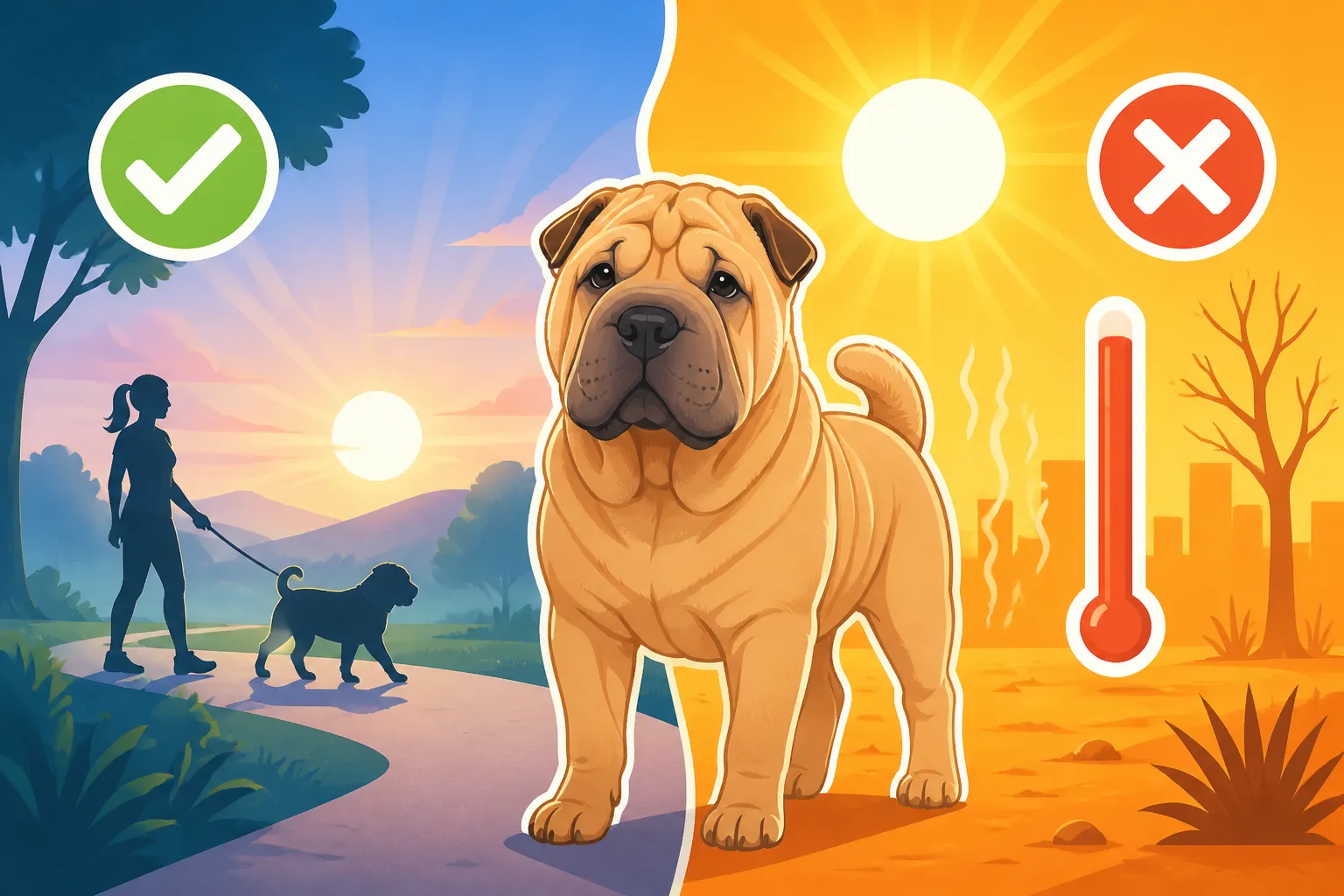
While the idea of only walking your Shar Pei at dawn in summer is born from a protective instinct, it's not strictly the only option. However, it is often the best option, and understanding why helps us make informed choices for our dogs.
The Benefits of Dawn and Dusk Walks
There's a reason why so many experienced dog owners, especially those with heat-sensitive breeds like the Shar Pei, gravitate towards dawn and dusk. The primary benefit, of course, is the ambient temperature. Early morning, just as the sun is rising, and late evening, after the sun has set and the day's heat has dissipated, are typically the coolest parts of the day. This lower air temperature makes it significantly easier for your Shar Pei to cool down through panting and to simply avoid absorbing too much heat from their surroundings.
Beyond air temperature, there's the critical issue of pavement temperature. Asphalt and concrete absorb and retain heat throughout the day, becoming scorching hot long after the air temperature drops. A quick test with your bare hand – if you can't comfortably hold it on the pavement for five seconds, it's too hot for your dog's paw pads. Dawn and late evening provide the longest recovery time for these surfaces to cool down, protecting those sensitive paws from burns. This is a common, silent danger that can cause painful blistering and infection. Furthermore, these times often mean fewer people and other dogs are out and about. For a breed that can sometimes be reserved or even wary of strangers and other canines, a calmer walking environment can lead to a more relaxed and enjoyable experience. Remember, Why a Shar Pei Startles: It Cannot See You Coming, and a quiet walk reduces the chance of unexpected encounters.
Factors Beyond the Clock: Temperature, Humidity, and Surface
While "dawn" is a good guideline, it's not a magic shield against heat. The actual safety of a walk depends more on specific environmental factors like the true temperature, humidity levels, and the walking surface, rather than simply the time on the clock. For instance, in some southern climates, even dawn can be uncomfortably warm and very humid, especially after a particularly hot night.
A general rule of thumb many veterinarians suggest is to avoid walks when the temperature is consistently above 75-80°F (around 24-27°C), but it's important to remember that individual dogs vary, and humidity plays a massive role. Humidity makes it harder for dogs to cool themselves through panting because the air is already saturated with moisture, making evaporation from their tongues and respiratory tracts less efficient. A 75°F day with high humidity can feel, and be, far more dangerous than an 80°F day with very low humidity. Always feel the pavement with your hand for five seconds before stepping out. If it's too hot for you, it's too hot for their paws. Prioritize walking on grass, dirt trails, or shaded areas whenever possible, as these surfaces don't retain heat as much as asphalt or concrete. How Far a Shar Pei Should Walk Daily needs to be adjusted based on these real-time conditions.
Strategies for Safe Summer Exercise Beyond Just Timing
So, if dawn isn't the only time, what other strategies can we employ to keep our Shar Pei active and happy during the summer? It's all about adaptation and smart planning.
Adapting Your Shar Pei's Exercise Routine
When the mercury rises, traditional long walks might need a rethink. Instead of one long outing, consider several shorter, more frequent potty breaks and very brief strolls during the coolest parts of the day. This allows your Shar Pei to stretch their legs and relieve themselves without overexerting in the heat. Think of it as a series of quick "reconnaissance missions" rather than a marathon hike.
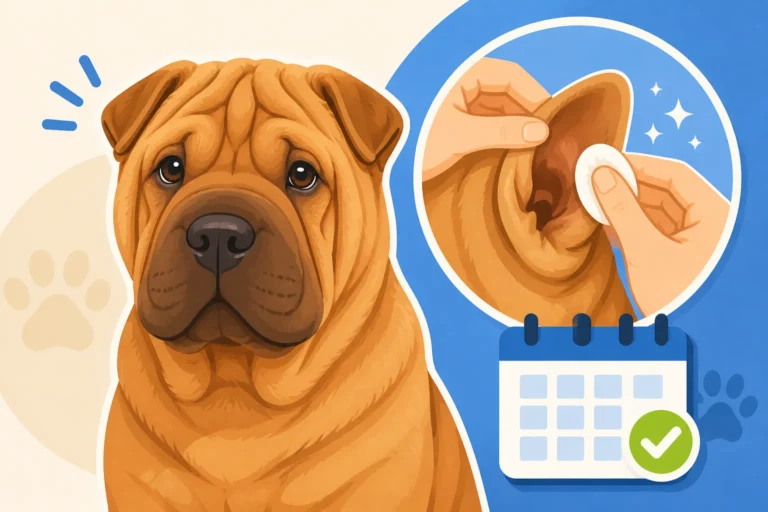
Beyond physical exertion, mental stimulation is incredibly important. If it's too hot for a walk, indoor games can be a lifesaver. Hide-and-seek with treats, puzzle toys filled with a portion of their meal (many excellent ones are available on Chewy or Amazon), or even short indoor training sessions practicing new tricks can tire out their minds just as effectively as a physical walk, and without the heat risk. For those rare Shar Pei who enjoy water, a shallow kiddie pool in a shaded spot can offer a fantastic way to cool down and play. Just be mindful of their ears; Shar Pei have notoriously narrow ear canals, and water exposure can quickly lead to infections. Always dry their ears thoroughly after any water play. A Shar Pei Has the Narrowest Ear Canals of Any Breed, so vigilance is key. If you're considering a swimming pool, ensure proper supervision and a safe exit. Remember to learn Whether a Shar Pei Should Swim first.
Essential Gear and Preparedness for Hot Weather Walks
Having the right tools and a solid plan can make all the difference in managing your Shar Pei's summer routine. Hydration is non-negotiable; always carry plenty of fresh water and a portable bowl on any outing, no matter how short. There are many great collapsible bowls available on Amazon that clip right onto your leash.
Cooling gear has also come a long way. Cooling vests or bandanas, often designed with evaporative cooling technology, can help keep their core temperature down. Brands like Ruffwear and Hurtta offer quality options that can be found on Chewy or Amazon. These vests typically need to be soaked in water, wrung out, and then put on your dog. As the water evaporates, it draws heat away from their body. Cooling mats are also fantastic for indoor use or even a shaded patio area, providing a cool spot for them to rest. Whether a Cooling Mat Helps a Shar Pei is a resounding yes! For paw protection, while many Shar Pei may resist them, dog booties can be considered for very hot pavement if outdoor walks are absolutely necessary and unavoidable. However, they must be introduced slowly and positively.
Most importantly, have an emergency plan. Know the location and phone number of the nearest emergency vet clinic. If your Shar Pei shows signs of overheating, immediately move them to a cool, shaded area, offer small amounts of water, and if possible, apply cool (not icy) water to their belly, armpits, and groin. A wet towel laid over them can also help. If symptoms persist or worsen, get to a vet immediately. Being prepared means knowing What a Shar Pei Owner Should Have at Home to deal with a sudden temperature spike.
When to Skip the Walk Entirely (and What to Do Instead)
There will be days when, despite your best intentions and all your planning, the weather simply isn't safe for any outdoor exercise. Recognizing these conditions and having indoor alternatives ready are crucial components of responsible Shar Pei ownership.
Recognizing Unsafe Conditions
It’s tempting to feel guilty if your dog misses a walk, but a missed walk is always better than a trip to the emergency vet. You must learn to recognize when conditions are truly unsafe, even for a quick dawn or dusk outing. Pay attention to local weather advisories for extreme heat or humidity. If the heat index is high, meaning the "feels like" temperature is significantly elevated due to humidity, it’s a clear sign to stay indoors. As we discussed, What Temperature Is Too Hot for a Shar Pei isn't just about a number; it's about the combination of heat, humidity, and sun exposure. If the air feels thick and heavy, and you're sweating just standing still, your Shar Pei is going to struggle even more. On these days, even shaded grass can radiate significant heat. Prioritize their safety above all else. Why a Shar Pei Should Not Be Walked at Midday is an absolute given, but the principle extends to other times when conditions are extreme.
Indoor Activities and Enrichment
Just because outdoor walks are off the table doesn't mean your Shar Pei has to become a couch potato! This is where creative indoor enrichment comes into play. Think about activities that engage their senses and mind without requiring strenuous physical effort.
- Scent Work and Puzzles: Hide small, high-value treats around the house and let your Shar Pei sniff them out. This engages their powerful sense of smell and provides mental exercise. Interactive puzzle toys, available widely on Chewy and Amazon, are fantastic for this. They require your dog to manipulate the toy to get a reward, stimulating their problem-solving skills.
- Training Sessions: Short, fun indoor training sessions are great for reinforcing basic commands or teaching new tricks. Use positive reinforcement with tasty treats.
- Chew Toys and Lick Mats: A durable chew toy or a lick mat smeared with peanut butter (ensure it's xylitol-free!), yogurt, or a specialized dog paste can keep your Shar Pei happily occupied for a good stretch. These can also be calming and help reduce anxiety.
- Indoor Play: Gentle games of tug-of-war (with appropriate rules and release commands) or fetch in a large room can offer some physical outlet without the heat risk. Just keep it low-key to avoid overheating indoors.
- Grooming and Cuddle Time: Sometimes, simply spending quality time with your Shar Pei – a relaxing grooming session, a gentle massage, or just quiet cuddles on the couch – can be the most enriching activity of all. This strengthens your bond and provides comfort.
Remember, a bored Shar Pei can be a destructive Shar Pei. Providing plenty of indoor stimulation during hot weather is key to their well-being and your sanity.
| Condition | Best Time for Outdoor Activity | Recommendations for Safe Walks | What to Consider/Avoid |
|---|---|---|---|
| Mild Summer Day (below 70°F/21°C) | Anytime | Regular walks, monitor for comfort. | Still avoid hottest part of the day if sunny. |
| Warm Summer Day (70-75°F/21-24°C) | Morning (before 9 AM), Evening (after 7 PM) | Shorter, more frequent walks. Stick to shaded paths. Carry water. | Pavement can get warm. Watch for increased panting. |
| Hot Summer Day (75-85°F/24-29°C) | Early Dawn (before 7 AM), Late Evening (after 9 PM) | Very short potty breaks only. Seek grass/dirt paths. Cooling gear essential. | Pavement is dangerously hot. Humidity compounds risk. Avoid direct sun. |
| Extreme Heat/Humidity (85°F+/29°C+) | No outdoor walks | Focus on indoor enrichment. Utilize AC/fans. | Do not risk heatstroke. Even dawn can be too warm and humid. |
Disclaimer
This article is for general informational purposes only and does not constitute professional advice. Laws, prices and regulations vary by location and change over time. Consult a qualified professional for guidance on your specific situation.