Where a Shar Pei’s Folds Are
If you're a Shar Pei owner, or even just a devoted admirer of the breed, you know their wrinkles are their most defining characteristic. But these aren't just charming aesthetic features; they're an integral part of their anatomy that requires understanding and specific care. Many new owners feel overwhelmed trying to figure out where exactly all these folds are and why they matter so much. This guide will walk you through the distinct locations of a Shar Pei's folds, explaining their unique presentation, the health implications associated with them, and how to keep your wrinkly companion comfortable and healthy.
The Iconic Wrinkles: Understanding the Shar Pei's Unique Anatomy
There's no mistaking a Shar Pei. That distinctive, heavily wrinkled skin is what captures everyone's attention, setting them apart from almost every other breed out there. But for those of us living with these wonderful dogs, those wrinkles are more than just a visual quirk; they are a complex part of their genetic makeup and physical structure that influences everything from their vision to their skin health. It's a hallmark we adore, but one that comes with a unique set of responsibilities.
More Than Just Skin Deep: What Defines a Shar Pei's Folds
The Shar Pei's wrinkles are essentially an overabundance of mucin, a jelly-like substance made of hyaluronic acid. This isn't just loose skin; it's genetically determined. This specific characteristic is tied to a mutation in the HAS2 gene, which leads to increased production of hyaluronic acid in the skin. This overproduction causes the skin to thicken and fold, creating those iconic ripples and rolls we recognize. Why Hyaluronic Acid Makes a Shar Pei Wrinkle explains this in more detail. It's a natural biological process for the breed, but one that requires us to be ever-vigilant as owners.
These folds aren't uniformly distributed or shaped across every Shar Pei, nor are they static throughout their life. They vary greatly in depth, number, and location, giving each dog a truly unique appearance. Understanding this underlying biological reality helps us appreciate that these aren't just cosmetic features; they are a key to understanding their health needs and why routine care is so vital. It’s a beautiful trait, but one that demands a proactive approach to prevent potential issues.
The Difference Between Puppy Wrinkles and Adult Folds
If you've ever seen a Shar Pei puppy, you'll know they often seem to be drowning in their own skin. Those adorable, excessive wrinkles are a defining characteristic of their youth. Puppies tend to have much more prominent and widespread wrinkling across their entire body – their head, neck, back, and even legs are often covered in deep rolls. This is largely because their skeletal structure and musculature are still developing, and they haven't "grown into" their skin yet. Think of it like a hand-me-down sweater that's several sizes too big; there's just a lot of extra fabric.
As a Shar Pei puppy matures into adulthood, something quite magical (and often relieving for owners) happens: many of those body wrinkles tend to stretch out and flatten. While adult Shar Pei will always retain their distinctive look, the most pronounced folds usually become concentrated around the head, neck, and sometimes the base of the tail. Why a Shar Pei Puppy Has More Wrinkles Than an Adult delves into this fascinating developmental process. It's important for owners not to panic if their puppy looks like a walking pile of blankets; it's a normal part of their growth, but it doesn't mean those folds can be ignored in the meantime. The excess skin, even if it smooths out, still requires attention in its younger, wrinklier form.
Mapping the Folds: Key Areas to Locate on Your Shar Pei
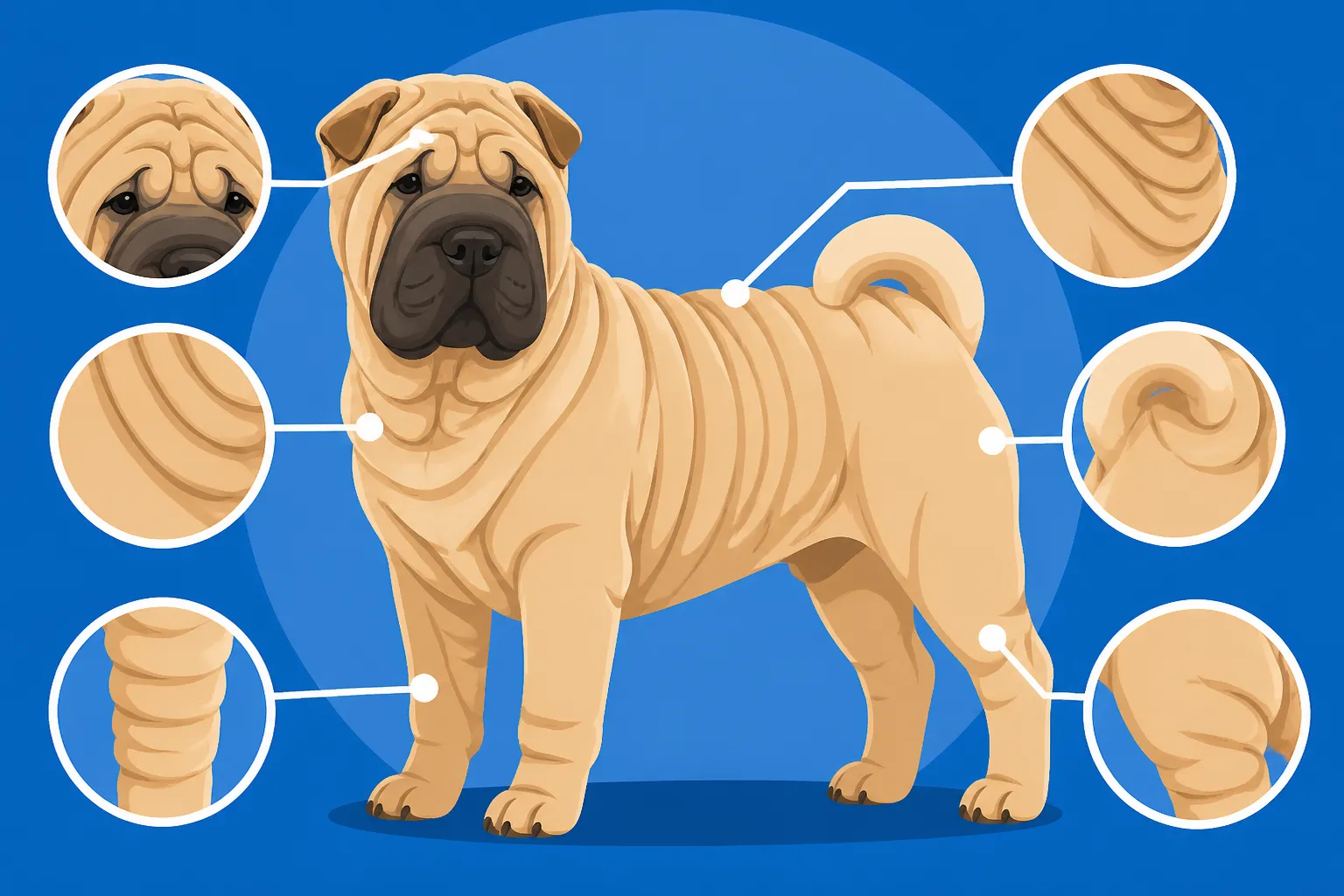
When we talk about a Shar Pei's folds, it's not just a blanket term for "all over." There are distinct regions where these wrinkles concentrate, each presenting its own challenges and requiring specific attention. Knowing exactly where to look is the first step in effective preventative care. It helps us identify potential problem spots before they escalate and ensures we're not overlooking any critical areas.
The Prominent Head and Facial Folds
Undoubtedly, the most iconic folds on a Shar Pei are those found on their head and face. These include the deep furrows on their forehead, the rolls above their eyes, and the significant jowls and muzzle folds. These particular wrinkles are almost always present, even in adults whose body wrinkles have smoothed out. They contribute to the breed's sagely, often worried, expression that owners find so endearing.
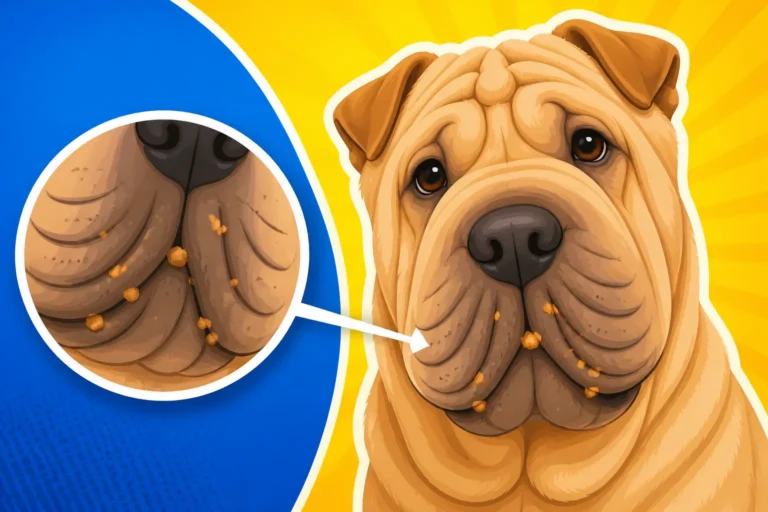
However, these facial folds are also ground zero for some of the breed's most pressing health concerns. The folds around the eyes can push against the eyelids, causing conditions like entropion, where the eyelids roll inward, irritating or even damaging the cornea. What Entropion Does to a Shar Pei Puppy's Eye highlights just how serious this can be. Similarly, the deep folds on the muzzle and around the mouth can trap food, moisture, and debris, creating a warm, moist environment ripe for bacterial or yeast infections, often manifesting as skin fold dermatitis. Regular inspection and cleaning of these areas are non-negotiable for any Shar Pei owner.
Neck, Body, and Leg Folds: Beyond the Face
While less universally exaggerated in adults than facial folds, many Shar Pei still exhibit significant wrinkling on their neck, especially the dewlap area, and sometimes across their shoulders and back. Puppies, as mentioned, will typically have these in abundance, often resembling a small, furry accordion. Even in adults, a certain amount of neck and shoulder creasing is considered characteristic of the breed, particularly in the "meat mouth" type.
The folds on the body and legs, when present, also demand our attention. In these areas, the folds can rub against each other, leading to friction, irritation, and potential breakdown of the skin barrier. Moisture can get trapped deep within these creases after a bath, a romp in the dewy grass, or even from panting on a hot day. This creates an ideal breeding ground for skin infections. Skin Fold Dermatitis on a Shar Pei is a common issue arising from neglected body folds. It's not just about bathing; it's about meticulous drying and regular checks, even in areas that might seem less critical than the face.
The Sometimes Overlooked Tail and Rear Folds
It's easy to focus on the expressive face and those big body wrinkles, but a Shar Pei's tail and hindquarters often have their own set of folds that are frequently overlooked. The tail itself, which typically curls over the back, often has a deep fold at its base. This area, especially where the tail meets the rump, can be a surprising hotspot for moisture and debris accumulation. Think about how many times your dog sits down on damp surfaces or uses their tail as a rudder; all of this can push grime into those folds.
Furthermore, the skin around the perineum and hind legs can also have smaller, yet significant, folds. These areas can trap fecal matter, urine residue, and other irritants, leading to discomfort, itching, and potential infections if not cleaned regularly. Because these areas are less visible and often require a bit more effort to inspect, they can be easily neglected. However, proactive hygiene in these regions is crucial for preventing what can be very unpleasant and persistent skin issues. It's not the most glamorous part of Shar Pei care, but it's absolutely essential.
Variations in Wrinkles: Horse Coat, Brush Coat, and Meat Mouth vs. Bone Mouth
Not all Shar Pei are created equal when it comes to wrinkles. Just like people have different hair types or body shapes, Shar Pei come with variations in their coat and overall structure that significantly impact how their folds appear and, by extension, how much care they require. Understanding these distinctions is key to anticipating your dog's specific needs.
How Coat Type Influences Fold Appearance
There are primarily two recognized coat types in Shar Pei: the "Horse Coat" and the "Brush Coat." While the "Bear Coat" is occasionally mentioned, it's generally considered a deviation from the standard, often having a longer, softer fur. Each of these official coat types interacts differently with the underlying skin and its folds.
The Horse Coat is the shortest and harshest of the two, feeling bristly and stiff, almost like sandpaper. Because the hair is so short and sparse, the skin's folds are often much more prominent and clearly defined. There's less fur to "cushion" or obscure the deepness of the wrinkles. This can mean that while the folds are more visible, they might also be more susceptible to friction and irritation because there's less hair protecting the skin within the creases. Horse Coat or Brush Coat Changes How You Care for a Shar Pei by influencing how easily moisture can penetrate and linger in folds, and how abrasive the skin-on-skin contact can be.
The Brush Coat has a slightly longer, softer coat, usually up to an inch in length. With this extra bit of fur, the folds might appear a little less dramatic, as the hair provides some coverage and softness. However, this longer hair can also trap more moisture and debris within the folds, potentially making them more prone to infections if not thoroughly dried and cleaned. Owners of brush coat Shar Pei need to be extra diligent about drying deep into the folds after baths or wet outdoor adventures, as the longer hair can hold onto dampness, creating a perfect humid microclimate for yeast and bacteria to thrive.
The Distinctive Folds of Meat Mouth and Bone Mouth Shar Pei
Beyond coat type, another significant factor influencing a Shar Pei's wrinkle distribution is their "mouth type"—specifically, whether they are considered a "Meat Mouth" or a "Bone Mouth." These terms refer to the structure of their muzzle and general head shape, which in turn dictates the amount and placement of their facial and head wrinkles.
The Meat Mouth Shar Pei is the type most commonly seen and recognized today, often characterized by a thicker, more padded muzzle and generally more exaggerated head and facial wrinkles. Their skin tends to be looser, giving them a "hippo-like" appearance around the muzzle and often extensive rolls on their forehead and neck. This excess skin, particularly around the muzzle and jowls, can create very deep folds that require constant vigilance to prevent trapped moisture and infections. This is the look that became popular during the breed's boom in the Western world, and it comes with a greater propensity for skin and eye issues directly related to the volume of their folds.
In contrast, the Bone Mouth Shar Pei is considered closer to the original working Shar Pei type from China. They possess a more slender muzzle, a tighter overall skin, and significantly fewer wrinkles, especially on the face. Their head shape is less padded, and their body skin is also generally much tighter, often only showing wrinkles on the forehead and a small neck dewlap. Because they have less excess skin, bone mouth Shar Pei typically experience fewer issues related to skin fold dermatitis or entropion, simply due to the reduced amount of skin to cause problems. What a Meat Mouth Shar Pei Is and What a Bone Mouth Shar Pei Is go into further detail about these fascinating distinctions, showing how their physical structure directly relates to their health profile.
| Feature | Meat Mouth Shar Pei | Bone Mouth Shar Pei |
|---|---|---|
| Muzzle | Thicker, padded, fuller | More slender, less padded |
| Facial Wrinkles | More exaggerated, deep, prominent | Fewer, tighter, mainly on forehead |
| Body Wrinkles | Often more extensive, especially as puppies | Generally tighter, fewer body folds overall |
| Overall Skin Looseness | More abundant loose skin | Tighter skin |
| Common Health Concerns | Higher risk of entropion, skin fold dermatitis | Lower risk of entropion, skin fold dermatitis |
| Appearance | "Hippopotamus" look, widely recognized | More "traditional" or "original" working dog look |
Why Those Folds Matter: Health Considerations and Common Issues
Those charming wrinkles, while a defining feature of the Shar Pei, are also the root cause of many of the breed's most common and often chronic health issues. As responsible owners, we need to understand why these folds are problematic, not just that they are. This knowledge empowers us to be proactive in prevention and quick to recognize signs of trouble.
Trapped Moisture and Skin Fold Dermatitis
The deepest and most problematic issue stemming from a Shar Pei's folds is their propensity to trap moisture. Imagine sweat, bath water, rain, drool, tears, or even just humidity getting caught deep within the skin creases. When this moisture can't evaporate easily, it creates a warm, dark, and damp microenvironment – essentially a perfect petri dish for bacteria and yeast to flourish. This often leads to a condition known as skin fold dermatitis, or intertrigo. Every Fold on a Shar Pei Is a Place Something Grows.
This dermatitis typically presents as redness, inflammation, itching, and a foul odor emanating from the affected folds. If left unchecked, it can progress to painful raw skin, open sores, and even deep-seated infections that require veterinary intervention, including antibiotics or antifungals. The facial folds (around the eyes, nose, and muzzle), neck folds, and tail folds are particularly susceptible. Regular cleaning and, crucially, thorough drying are paramount to preventing this uncomfortable and recurring issue. Without proper care, your Shar Pei can live in constant discomfort, which impacts their quality of life significantly.
Eye and Ear Concerns Related to Folds
The placement and depth of a Shar Pei's folds can also directly impact their vision and hearing, leading to specific health challenges unique to the breed. The heavy folds on their forehead and around their eyes can literally push the eyelids inward, causing a condition called entropion. This means the eyelashes and fur rub directly against the delicate surface of the eyeball, leading to chronic irritation, pain, excessive tearing, corneal ulcers, and potentially even blindness if left untreated. Entropion in a Shar Pei Puppy Is an Emergency, Not a Cosmetic Issue.
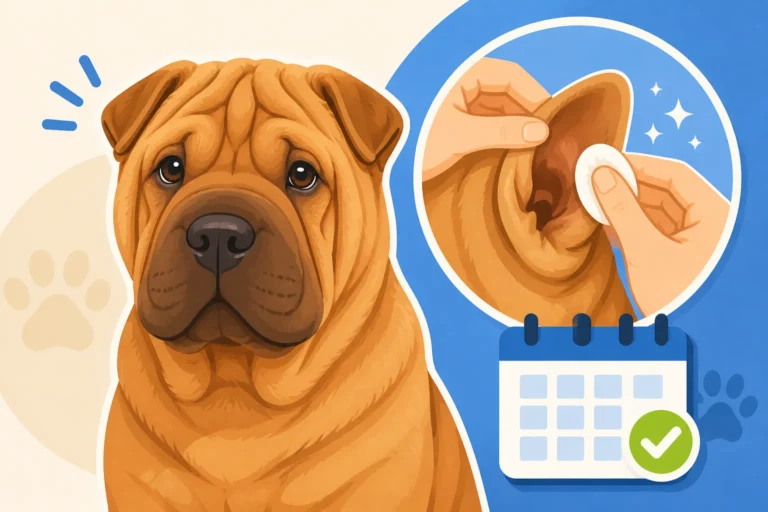
This is why you'll often see Shar Pei puppies with their eyelids "tacked" up, a temporary procedure to alleviate the irritation until they grow or can have permanent surgery. Similarly, the unique structure of the Shar Pei's ears, often referred to as "shell ears," combined with the potential for excessive skin around the ear canal, makes them highly prone to ear infections. A Shar Pei Has the Narrowest Ear Canals of Any Breed. The folds can contribute to restricted airflow and trapped moisture within the already narrow canals, creating a perfect breeding ground for yeast and bacteria. These ear infections are notoriously stubborn and often chronic, requiring diligent cleaning and frequent veterinary visits.
The Genetic Link: How Wrinkles Connect to Health Conditions
It's not just physical irritation that makes the folds a concern; the very genetics that give a Shar Pei their distinctive wrinkles are also linked to other serious health conditions. The genetic mutation that causes the excessive hyaluronic acid production responsible for the wrinkles is also associated with a predisposition to Familial Shar Pei Fever (FSF). This condition involves recurrent episodes of unexplained fever, swelling of the hocks (ankles), and general malaise. One Mutation Gave the Shar Pei Its Wrinkles and Its Fever.
The connection is that the overproduction of mucin can lead to a systemic inflammatory response, which is thought to trigger these fever episodes. These fevers, in turn, can sometimes lead to a more devastating condition called amyloidosis, where abnormal protein deposits build up in organs, most commonly the kidneys, eventually causing organ failure. Amyloidosis Is What Actually Kills a Shar Pei. So, while the wrinkles themselves are usually visible and manageable with care, they are a stark reminder of a deeper genetic predisposition that requires holistic health management and careful monitoring throughout a Shar Pei's life. It truly puts into perspective why those adorable wrinkles demand such dedicated attention.
Essential Fold Care: Keeping Your Wrinkly Friend Healthy
Living with a Shar Pei means embracing a lifestyle of proactive care, especially when it comes to their distinctive folds. It's not a chore, but rather an essential part of keeping your beloved companion comfortable, healthy, and happy. Just like brushing your own teeth, it becomes a routine that makes a world of difference.
Daily Inspection and Cleaning Routines
The cornerstone of fold care for any Shar Pei is a consistent daily routine of inspection and cleaning. This isn't something you can skip for a few days and expect no consequences. Moisture and irritants can accumulate quickly, turning a healthy fold into an inflamed mess in a matter of hours.
Start by gently lifting and separating each fold, especially those on the face, around the muzzle, and at the base of the tail. Look for any redness, swelling, discharge (like pus or excessive moisture), a foul odor, or signs of discomfort from your dog. Pay close attention to the skin within the deepest parts of the crease. For daily cleaning, a soft, damp cloth or veterinary-approved medicated wipes are your best friends. These wipes, often available at pet stores like Chewy or on Amazon, are formulated to be gentle on sensitive skin while effectively removing dirt, debris, and excess moisture. Always wipe thoroughly to clean, then follow up with a dry cloth or cotton pad to ensure the area is completely dry. Leaving any moisture behind defeats the purpose and can exacerbate problems. How Often a Shar Pei's Folds Need Cleaning should ideally be daily, or even twice daily for very deep or problematic folds, especially in warm, humid climates. This diligence helps prevent bacterial and yeast overgrowth before it even has a chance to start.
Choosing the Right Products for Fold Hygiene
The market is flooded with pet care products, and knowing which ones are genuinely beneficial for a Shar Pei's unique skin can feel overwhelming. The key is to choose products that are specifically designed for sensitive skin, are non-irritating, and ideally possess antimicrobial properties to combat yeast and bacteria.
For regular cleaning, opt for unscented, alcohol-free wipes that are specifically for pets. Brands like Petkin or Vet's Best offer good options that you can often find at local pet stores or online retailers like Amazon. For areas prone to recurring issues, your veterinarian might recommend medicated wipes containing ingredients like chlorhexidine or miconazole. These active ingredients help to kill bacteria and yeast on contact, preventing infections from taking hold. For baths, use a gentle, hypoallergenic shampoo, or a medicated shampoo prescribed by your vet if skin issues are present. Avoid harsh soaps or human products, as they can strip your Shar Pei's natural skin oils and cause further irritation. After bathing, drying is paramount: use soft towels to blot, and a cool-setting hairdryer can be used, carefully lifting folds to ensure every crevice is bone-dry. What to Clean a Shar Pei's Folds With depends on whether you're performing routine maintenance or treating an active infection, so always consult your vet for persistent problems.
When to Seek Veterinary Advice for Fold Issues
While daily care is crucial, there will inevitably be times when you need to call in the professionals. Shar Pei skin issues can escalate quickly, and early veterinary intervention can prevent a minor irritation from becoming a major problem.
You should contact your vet if you notice any of the following: persistent redness or inflammation despite regular cleaning; a strong, foul odor that doesn't dissipate; thick, cheesy, or discolored discharge; any signs of pain or tenderness when you touch the folds; your dog constantly licking, scratching, or rubbing at a particular area; or if you see open sores, scabs, or hair loss within the folds. These are all indicators that a bacterial or yeast infection has taken hold, or that there's a more serious underlying issue. Your vet might recommend a skin scraping, culture, or cytology to properly diagnose the type of infection and prescribe appropriate oral antibiotics, antifungals, or stronger topical medications. Sometimes, surgical intervention (like fold reduction or eye tacking for entropion) might be necessary for chronic, severe cases that don't respond to medical management. Don't hesitate to seek help; your vet understands the unique challenges of Shar Pei skin and can provide tailored advice and treatment.
Disclaimer
This article is for general informational purposes only and does not constitute professional advice. Laws, prices and regulations vary by location and change over time. Consult a qualified professional for guidance on your specific situation.