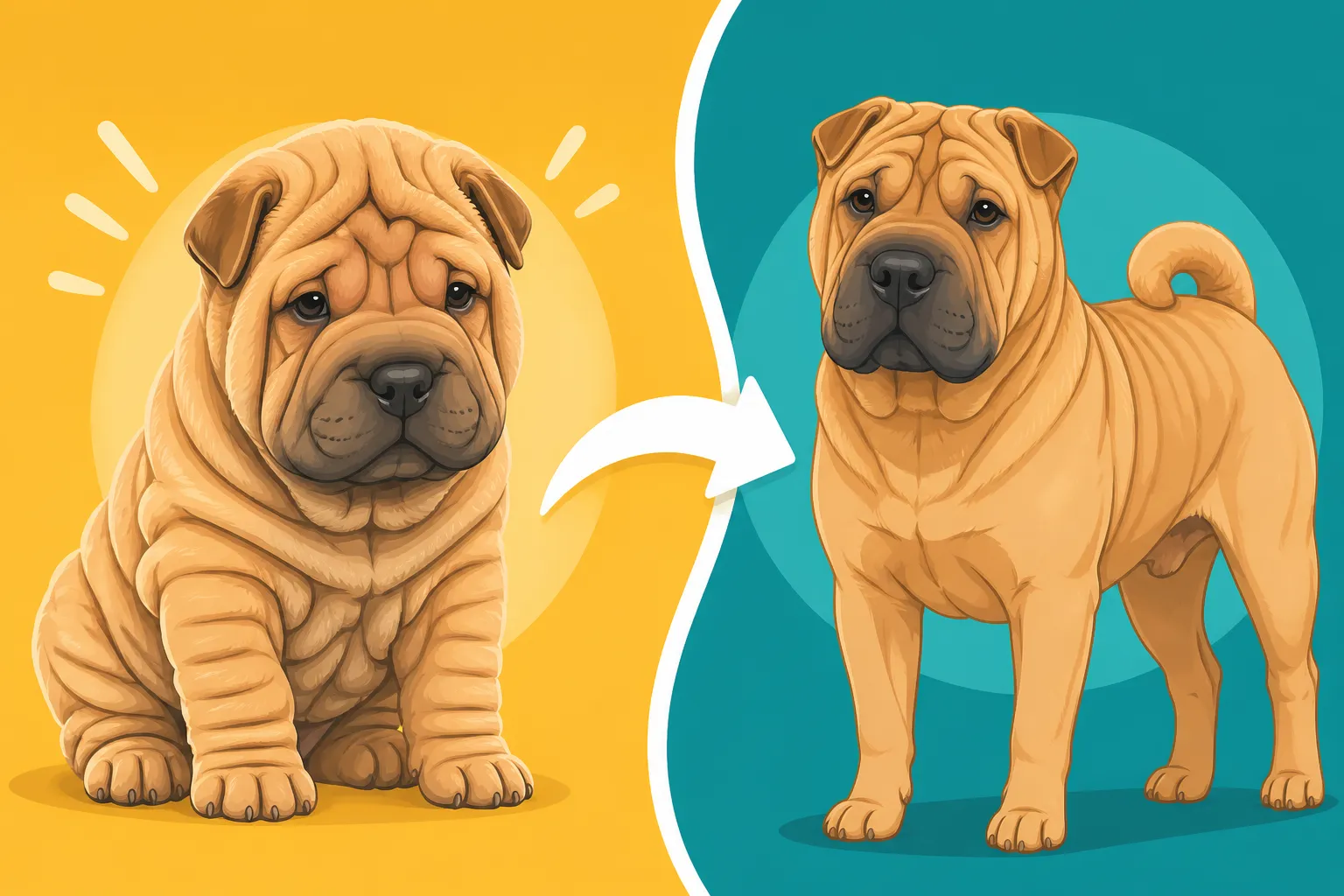
Why a Shar Pei Puppy Has More Wrinkles Than an Adult
It’s a common sight that makes new Shar Pei owners pause: the ridiculously wrinkly puppy who, seemingly overnight, starts to "iron out" as they grow. You look at those adorable, squishy folds as a baby, and then a few months later, your majestic adult Shar Pei has significantly fewer. This isn't just your imagination playing tricks; there's a fascinating biological reason why your Shar Pei puppy seems to have borrowed skin from a dog twice its size, only to grow into it later. This guide will delve into the science and the lifecycle of those iconic wrinkles, explaining what's happening beneath the surface as your little bundle of folds matures into a dignified adult.
The Biology Behind Those Adorable Puppy Wrinkles
Those deep, velvety folds that make Shar Pei puppies so irresistible are not just a quirk of the breed; they're a direct result of a specific genetic characteristic. Understanding this biological foundation helps us appreciate both their unique appearance and the potential health considerations that come with it.
The Role of Hyaluronic Acid in Shar Pei Skin
At the heart of a Shar Pei's wrinkly charm is a substance called hyaluronic acid (HA). In most animals, HA is a normal component of connective tissues, playing a crucial role in hydration, joint lubrication, and skin elasticity. However, in Shar Pei, there's a well-documented genetic mutation involving the HAS2 gene. This particular mutation leads to an overexpression, or overproduction, of hyaluronic acid in their skin. Think of it like a faucet that's constantly dripping, filling the skin with more of this jelly-like substance than is strictly necessary.
This excess HA creates what's known as cutaneous mucinosis – a build-up of mucin (which is largely HA) that manifests as the thick, puffy, and wrinkled skin we associate with the breed. It's not just extra skin; it's skin that's swollen and cushioned by this overabundance of mucin. This is a defining characteristic, and the degree of wrinkling can often be linked back to how many copies of this specific gene duplication a Shar Pei carries. You can learn more about Which Gene Duplication Causes a Shar Pei's Wrinkles and how it impacts their appearance and health.
Why Puppies Have More of It Temporarily
So, why are puppies often so much wrinklier than their adult counterparts? It's a combination of this HA overproduction and the puppy's rapid growth phase. Imagine putting a brand-new, slightly too-large sweater on a small child. The sweater bunches up, creating folds and wrinkles everywhere. Now, imagine that child growing into the sweater. That's essentially what happens with a Shar Pei puppy.
Puppies are in a period of intense development, and their bodies are rapidly laying down new tissues, including skin. The genetic predisposition to produce excessive hyaluronic acid is already in full swing, but their skeletal and muscular structures haven't fully expanded to "fill out" that skin yet. Their smaller, more compact frame simply can't stretch out all the available, mucin-filled skin, leading to those dramatic, adorable folds over their entire body. It's a temporary state where their skin is, quite literally, too big for their britches, all thanks to that generous supply of hyaluronic acid acting like a natural filler.
The Transformation from Wrinkly Puppy to Regal Adult
The journey from a tiny, wrinkled wonder to a sleek, dignified adult Shar Pei is truly remarkable to witness. It's a process of growth and maturation where nature finds a balance, reducing the prominent folds many fell in love with.
Growing Into Their Skin: The Physical Changes
As your Shar Pei puppy matures, a beautiful transformation takes place. Their body starts to grow into that "oversized" skin. This isn't just about the skin shrinking; it's about the puppy's underlying structure expanding. Their bones lengthen, their muscles develop and strengthen, and their overall body mass increases. This physical growth acts like an internal stretcher, gradually pulling the excess skin taut.
The mucin, or hyaluronic acid, in the skin also seems to become less abundant or more evenly distributed as they age. While the genetic predisposition for high HA levels remains, the acute "puffiness" seen in puppies often subsides. The skin, instead of being loose and billowy, becomes more firm and sculpted, conforming more closely to their developing physique. Most Shar Pei will have largely grown into their adult coat and appearance by the time they are 12 to 18 months old, though some continue to fill out until they are two years of age. Understanding The Age a Shar Pei Reaches Full Weight can give you a better idea of when to expect this transformation to stabilize. Typically, an adult Shar Pei will retain significant wrinkles around their face and neck, but their body, legs, and tail will become much smoother.
Hormonal and Developmental Factors
Beyond just physical growth, hormonal and developmental factors play a subtle yet significant role in this transition. As puppies mature into adolescence and then full adulthood, their endocrine system, responsible for hormone production, undergoes changes. Hormones influence everything from growth rates to metabolism and even skin health. While not as dramatic as the HAS2 gene mutation, these shifts can contribute to the regulation of hyaluronic acid production and distribution.
The overall maturation of their physiological systems helps to stabilize the skin's structure and composition. The rapid cell turnover and high metabolic activity characteristic of puppyhood give way to the more regulated processes of an adult dog. This stabilization means that the body is no longer in a hyper-growth state, and the skin can find a more permanent, less excessive state of mucin production. It’s a complex interplay of genetics, growth, and physiological maturation that collectively sculpts the Shar Pei from a wrinkly pup into the distinctive adult we know and love.
Understanding the Health Implications of Wrinkles
While those deep folds are undeniably cute, it's crucial for any Shar Pei owner to understand that the very characteristic that makes them unique also comes with a specific set of health challenges. Being aware of these helps you provide the best possible care for your wrinkly companion.
The Link Between Wrinkles and Health Challenges
The excessive skin and underlying mucin that create the Shar Pei's wrinkles, particularly when concentrated, are unfortunately linked to several breed-specific health issues. One of the most common and persistent problems is skin fold dermatitis. This occurs when moisture, oils, and bacteria get trapped within the deep folds, especially around the face, neck, and tail. The constant rubbing and lack of airflow create a warm, moist environment perfect for yeast and bacterial infections to flourish, leading to irritation, redness, odor, and discomfort. Caring for this can be an ongoing battle, as we explore in Skin Fold Dermatitis on a Shar Pei.
Beyond skin issues, the facial wrinkles are a direct contributor to eye problems. Entropion, a condition where the eyelid rolls inward, causing eyelashes to rub against the cornea, is alarmingly common in Shar Pei puppies. This is a painful condition that can lead to corneal ulcers and even blindness if left untreated. For a puppy, What Entropion Does to a Shar Pei Puppy's Eye can be an emergency situation. The excess skin around their eyes in puppyhood often necessitates a temporary procedure called "eye tacking" to prevent damage.
Perhaps the most serious implication, though often less directly visible than skin or eye issues, is the link between the wrinkle-causing gene and Familial Shar Pei Fever (FSF). The same genetic mutation that causes the excess hyaluronic acid is also believed to trigger inflammatory responses in the body, leading to episodes of high fever, swelling, and pain. It's a stark reminder of How the Wrinkle Gene Also Triggers Fever, connecting their iconic look directly to a potentially life-threatening condition. FSF can, in turn, lead to amyloidosis, a deadly disease where abnormal proteins deposit in organs like the kidneys and liver. Given these complex and potentially expensive health concerns, many Shar Pei owners wisely consider pet insurance. Providers like Healthy Paws can offer a safety net, helping to cover unexpected veterinary bills for these breed-specific conditions, allowing you to focus on your dog's health without the added financial stress.
When Wrinkles Might Be a Concern
While some degree of wrinkling is normal and expected, especially in a young Shar Pei, there are instances when the wrinkles themselves, or the way they present, should raise a red flag. It's important to distinguish between typical Shar Pei appearance and signs of a developing problem.
Excessive Mucinosis: While all Shar Pei have excess mucin, some puppies, particularly those with an extremely "puffy" or "overdone" appearance, might exhibit more severe mucinosis. This can sometimes lead to what feels like fluid-filled blisters or bubbles under the skin, especially on the muzzle or hocks. This is different from typical wrinkles and might indicate a more pronounced form of the condition that could be more challenging to manage. You might recall discussions around What Cutaneous Mucinosis Is and its implications.
Eye Irritation: Any sign of squinting, excessive tearing, redness, or discharge from the eyes in a wrinkly puppy is an immediate concern. This almost certainly points to entropion, and delaying veterinary attention can result in permanent damage to the cornea. Don't assume they will grow out of it without intervention.
Skin Inflammation or Odor: If you notice redness, heat, tenderness, or a distinct, yeasty or foul odor emanating from any of your Shar Pei's folds, particularly those on the face, neck, or around the tail, it's a clear sign of skin fold dermatitis. This requires prompt cleaning and often medication from your veterinarian to resolve.
Breeding for Health: Responsible breeders are increasingly mindful of these health connections. While the "wrinkly look" is characteristic, there's a growing movement to breed for a more moderate conformation, which often means fewer excessive wrinkles, particularly on the body. Many question Whether a Less Wrinkled Shar Pei Is Healthier, and the consensus among health-focused breeders is often yes, moderation can contribute to better welfare. If you have concerns about your Shar Pei's specific wrinkle pattern or suspect a health issue, a vet visit is always the best course of action. Having pet insurance, like a plan from Healthy Paws, can certainly ease the decision to seek expert advice, even for seemingly minor issues, potentially preventing them from escalating into more serious and costly problems.
Caring for Your Wrinkly Wonder Through the Ages
The unique nature of a Shar Pei's skin means that their care isn't always "one size fits all." From puppyhood through their senior years, understanding and addressing their specific needs is paramount to keeping them healthy and comfortable.
Essential Puppy Wrinkle Care
When your Shar Pei is a puppy, those adorable, plentiful wrinkles demand extra attention. This is a critical period for establishing good hygiene habits and monitoring for potential issues.
Regular Fold Cleaning: This is non-negotiable. Those deep folds, particularly around the face, lips, and neck, are prime breeding grounds for bacteria and yeast. You should aim to clean them daily, or at least every other day. Use a soft, damp cloth, a mild pet-safe wipe, or a cotton ball soaked in a gentle antiseptic solution recommended by your vet. Be thorough but gentle, making sure to reach the bottom of each fold. For more in-depth guidance, check out How Often a Shar Pei's Folds Need Cleaning.
Drying is More Important Than Washing: After cleaning or bathing, thorough drying is absolutely crucial. Any residual moisture trapped within the folds will create the perfect humid environment for infections. Use a soft towel to pat dry each fold individually. Many owners even use a cool setting on a hairdryer to ensure complete dryness, especially in deeper folds. This principle is so important it bears repeating, as discussed in Drying Is More Important Than Washing on a Shar Pei. Never leave your Shar Pei to air dry if they have significant folds, as this can quickly lead to irritation and infection.
Early Monitoring for Entropion: With so much loose skin around their eyes, Shar Pei puppies are highly susceptible to entropion. Observe your puppy's eyes daily. Look for squinting, excessive tearing, redness, or any discharge. If you see their eyelashes constantly touching their eyeball, or if they struggle to open their eyes fully, contact your veterinarian immediately. Early intervention, often with temporary eye tacking, can prevent permanent damage to their vision.
Maintaining Skin Health in Adulthood
While many of the body wrinkles will disappear as your Shar Pei grows, the facial and neck folds will likely remain, requiring continued vigilance. Even on smoother areas, their unique skin structure means they're prone to certain conditions throughout their lives.
Continued Vigilance and Routine: Even as an adult, those remaining facial and neck folds still need regular cleaning and drying. Establish a routine that works for both of you. Regular grooming, including gentle brushing, can also help distribute natural oils and remove loose hair, contributing to overall skin health. Be mindful that even a "brush coat" Shar Pei, which tends to have fewer wrinkles than a "horse coat" type, still requires this specialized attention.
Dietary Considerations: A healthy diet plays a massive role in skin and coat health. Many Shar Pei are prone to allergies, which can manifest as skin irritation, itching, and recurrent infections, making their folds even more susceptible to problems. If your adult Shar Pei is experiencing persistent skin issues, discussing potential Food Allergies in a Shar Pei with your vet and exploring limited ingredient or novel protein diets could be beneficial. High-quality omega-3 fatty acid supplements can also support skin barrier function and reduce inflammation.
Regular Vet Check-ups: Consistent veterinary care is vital. Your vet can not only help manage any acute skin flare-ups but also monitor for underlying conditions like hypothyroidism or IgA deficiency, both of which can impact skin health. Regular check-ups allow for early detection and management of chronic issues. For instance, as your Shar Pei ages, their skin might become thinner or less resilient, and their overall health, including kidney function, needs careful monitoring. This is especially important when Caring for a Shar Pei Past Seven, as older dogs can develop new or exacerbated health problems. Pet insurance, such as that offered by Healthy Paws, can be incredibly valuable for these ongoing preventative measures and any treatments that arise, providing peace of mind that you can afford the best care for your lifelong companion.
Here’s a quick overview of how wrinkles typically compare between Shar Pei puppies and adults:
| Feature | Shar Pei Puppy | Adult Shar Pei | Key Health Considerations |
|---|---|---|---|
| Wrinkle Extent | Profuse, often covering most of the body | Primarily concentrated on head, neck, and sometimes base of tail | Skin fold dermatitis, entropion, yeast/bacterial infections |
| Skin Texture | Soft, puffy, often with a "jelly-like" feel due to high mucin | Firmer, tighter, less "puffy," though still distinctive | Continued risk of skin fold issues in remaining wrinkles |
| Growth Phase | Rapid growth, skeletal and muscular development ongoing | Full grown, body has filled out into excess skin | Monitoring for chronic conditions, age-related skin changes |
| Primary Concerns | Entropion (eyes), severe skin fold infections | Managing chronic skin conditions, FSF, allergies | Early detection and ongoing management are crucial |
Disclaimer
The information provided in this article is for general informational purposes only and is not a substitute for professional veterinary advice. Always consult with a qualified veterinarian for any health concerns or before making any decisions related to your pet's health and treatment.


