Whether a Shar Pei Can Sleep Outside in Winter
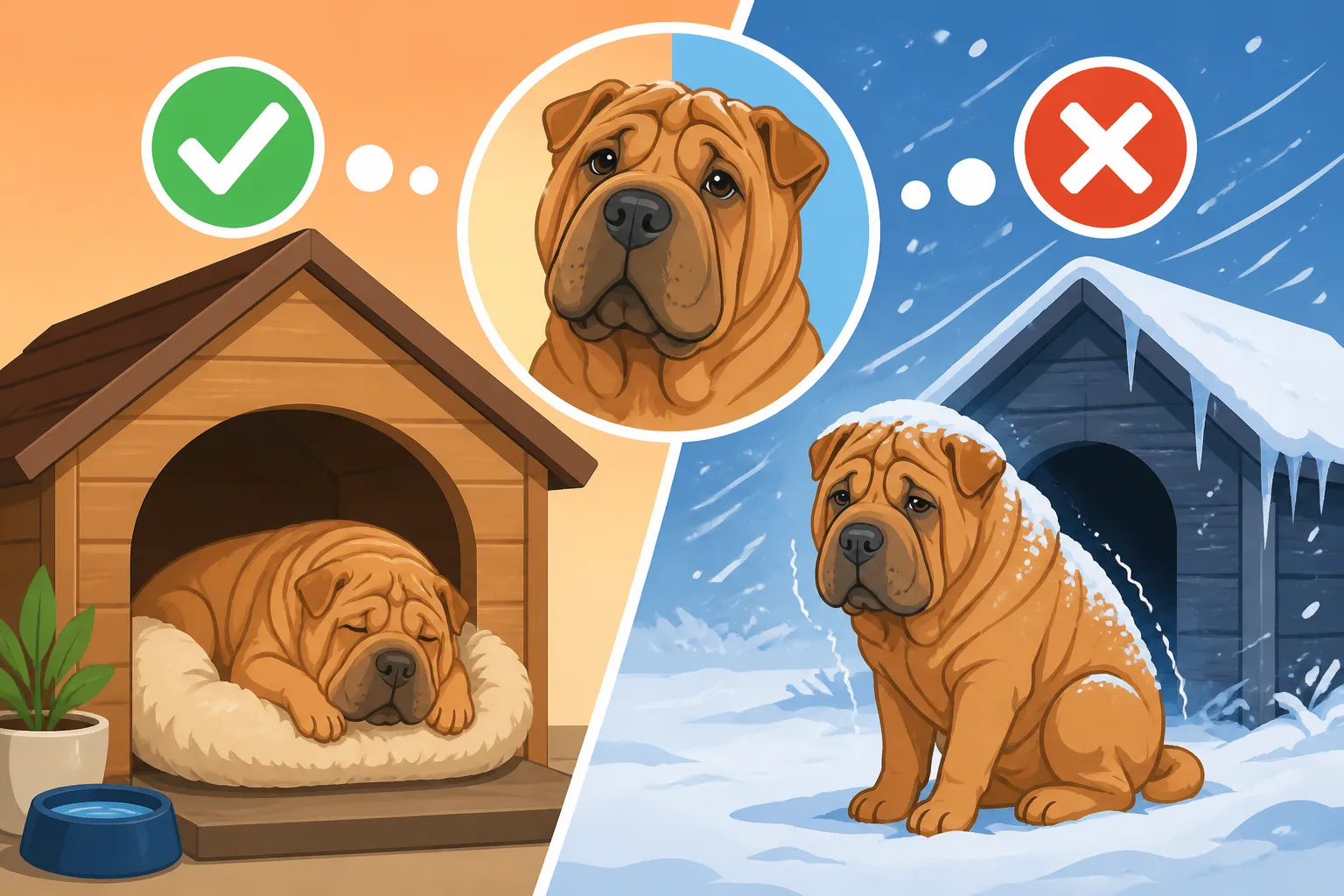
It's a common thought for dog owners, especially those with breeds traditionally known for their hardiness or outdoor working capabilities: "Can my dog sleep outside?" When it comes to a Shar Pei, the short answer, particularly in winter, is a resounding no, and trying to make them is setting them up for a world of pain and serious health complications. This guide will delve into why a Shar Pei is fundamentally unsuited to sleeping outdoors in cold weather, outlining the breed-specific vulnerabilities and offering practical advice on how to keep your cherished companion safe and warm when temperatures drop.
Understanding Your Shar Pei's Cold Tolerance
When we think about a dog's ability to withstand cold, we often picture thick, double-coated breeds with origins in harsh, icy climates. A Shar Pei, with its distinctive appearance, might seem robust, but their physiology tells a different story entirely. Their unique coat and body structure actually make them surprisingly susceptible to the cold.
Coat Type and Insulation
The Shar Pei breed typically comes in two main coat types: the "horse coat" and the "brush coat." Both are single coats, meaning they lack the dense, insulating undercoat that breeds like Huskies or Newfoundlands possess. The horse coat, which is very short and bristly, offers minimal protection against the elements. It feels quite coarse, almost like sandpaper, and does little to trap warm air against the skin. Imagine wearing a single thin shirt in freezing temperatures – that's often the equivalent for a horse coat Shar Pei. How a Horse Coat Shar Pei Differs From a Brush Coat sheds more light on the nuances of these coats, but neither is designed for prolonged exposure to cold.
The brush coat is slightly longer and softer, offering a modicum more insulation, but it's still far from sufficient for cold weather outdoor living. These coats are built for warmer climates, originally from southern China, where extreme cold isn't the primary concern. Their skin is their largest organ and their primary defense against the world, and without that insulating layer, they simply cannot maintain their core body temperature when the mercury drops. Exposing them to freezing temperatures for extended periods, especially overnight, can quickly lead to their body temperature plummeting to dangerous levels. Whether a Horse Coat Shar Pei Feels the Cold More directly addresses this vulnerability, confirming that neither coat type is genuinely cold-hardy.
Body Fat and Metabolism
While some Shar Pei can carry a fair amount of body mass, it's not the same as having a thick layer of insulating fat designed for arctic survival. Their body fat, like ours, helps with energy storage and some insulation, but it doesn't compensate for a lack of proper coat. Furthermore, their metabolism, while efficient, isn't geared towards generating massive amounts of internal heat to counteract sustained cold exposure. When a Shar Pei gets cold, their body will start to burn calories at an accelerated rate to try and stay warm, which can quickly deplete their energy reserves and lead to exhaustion.
This isn't just about shivering; it's about the entire physiological system being under immense strain. Puppies and senior Shar Pei are particularly vulnerable because their metabolic regulation might not be as robust. Puppies haven't fully developed their thermoregulation, and older dogs, whose systems are naturally slowing down, struggle to maintain warmth. Caring for a Shar Pei Past Seven emphasizes the increased needs of senior Shar Pei, which definitely includes warmth.
The Wrinkles and Skin Sensitivity
The very feature that makes the Shar Pei so distinct – their abundant wrinkles – becomes a significant liability in cold, damp outdoor conditions. These folds, while endearing, are hotspots for moisture retention and skin infections. If a Shar Pei is sleeping outside, even in a sheltered area, dampness from snow, rain, or even just condensation can collect deep within their skin folds. This creates a breeding ground for bacteria and yeast, leading to painful and persistent skin fold dermatitis. Every Fold on a Shar Pei Is a Place Something Grows and Skin Is the Shar Pei's Largest Problem by Surface Area highlight just how prone they are to these issues.
When these skin issues flare up, they're not just uncomfortable; they can be incredibly painful, leading to itching, raw skin, and even open sores. The cold further compromises their skin barrier, making them more susceptible to these infections. What might start as a mild irritation can rapidly escalate into a severe skin infection requiring veterinary intervention, which can be costly and distressing for both you and your dog. Keeping these areas clean and dry is paramount, a task that becomes nearly impossible if they're left to fend for themselves outdoors in winter.
The Dangers of Outdoor Winter Living for a Shar Pei
Allowing a Shar Pei to sleep outside during winter exposes them to a range of severe health risks that can lead to chronic illness or even be fatal. It's not just about comfort; it's about survival. Their physiology simply isn't equipped for it, and the consequences can be devastating.
Hypothermia and Frostbite
The most immediate and life-threatening dangers are hypothermia and frostbite. Hypothermia occurs when a dog's core body temperature drops below normal levels, typically from prolonged exposure to cold. As their body temperature falls, their metabolic processes slow down, leading to lethargy, weakness, shallow breathing, and eventually, organ failure. Early signs include shivering, cold ears and paws, and a reluctance to move. As it progresses, these signs become more severe, and without prompt intervention, hypothermia can be fatal.
Frostbite, on the other hand, is tissue damage that occurs when body parts freeze. The extremities are most vulnerable: paws, ears, and tail. Because a Shar Pei's ears are already small and close-set, they might seem protected, but they are still susceptible. Their short coats leave their skin directly exposed, and any dampness accelerates heat loss and increases the risk of freezing. Frostbitten skin often appears pale, waxy, or even blue, and can become painful, swollen, and eventually slough off. This is not only incredibly painful but can lead to permanent tissue damage, infection, and even amputation. These are entirely preventable tragedies.
Exacerbated Skin Issues
As mentioned, the Shar Pei's iconic wrinkles are a beautiful characteristic, but they are also a maintenance challenge. In a cold, damp outdoor environment, these folds become a haven for problematic moisture. Snow, sleet, or rain can accumulate in facial folds, neck rolls, and even around the tail. This constant dampness combined with cold air strips the skin of its natural oils, impairs its barrier function, and creates the perfect environment for bacterial and yeast overgrowth. The result is often severe skin fold dermatitis.
The itching, redness, and inflammation associated with these conditions are miserable for the dog. They might rub or scratch excessively, leading to open wounds that are then vulnerable to secondary infections. The skin can become thickened, discolored, and incredibly painful. These aren't minor irritations that clear up on their own; they often require veterinary treatment with medicated shampoos, topical creams, and sometimes even oral antibiotics or antifungals. What a Shar Pei's Skin Costs a Year provides a stark look at the financial implications of managing these common issues, costs that skyrocket when preventative indoor care isn't provided. Drying Is More Important Than Washing on a Shar Pei also touches on the critical need for dryness, which is impossible to guarantee outside.
Stress on Overall Health
Beyond the immediate concerns of cold and skin, forcing a Shar Pei to live outside in winter places immense stress on their entire physiological system. The constant effort to stay warm burns through energy, weakening their immune system and making them more susceptible to other illnesses. This chronic stress can also exacerbate underlying health conditions common in the breed, such as Familial Shar Pei Fever Is Not an Infection or issues related to Why a Shar Pei's Kidneys Need Watching From Two Years Old.
When a dog's body is constantly fighting to maintain temperature, it diverts resources away from other vital functions, like immune response and organ maintenance. This can make them more vulnerable to respiratory infections, and if they are prone to Shar Pei Fever (FSF), the stress of cold exposure could even trigger an episode or worsen its severity. What a Shar Pei Fever Episode Looks Like illustrates the severity of these events, and adding cold stress to the mix is an avoidable risk. A well-known health challenge is Amyloidosis Is What Actually Kills a Shar Pei, and chronic stress and inflammation are never good for dogs predisposed to such conditions. The bottom line is that a Shar Pei thrives in a stable, temperate indoor environment, where their body isn't constantly battling the elements.
Creating a Safe Indoor Winter Environment
Since letting a Shar Pei sleep outside in winter is off the table for their health and well-being, the focus shifts to ensuring they have a comfortable, safe, and warm indoor environment. This doesn't necessarily mean turning your home into a tropical paradise, but it does mean being mindful of their needs.
Proper Bedding and Sleeping Areas
A warm, soft, and elevated bed is non-negotiable for a Shar Pei in winter. While they might love to sprawl on a cool floor in summer, direct contact with cold surfaces can quickly draw heat from their bodies. Look for orthopedic beds with plenty of cushioning, ideally with raised sides that allow them to curl up and retain body heat. Memory foam beds or those with a plush, fleecy cover are excellent choices. You can find a wide range of options on platforms like Chewy or Amazon, offering everything from heated beds (a fantastic luxury for older or particularly cold-sensitive dogs) to self-warming mats that use their own body heat.
Place their bed in a draft-free area, away from exterior doors or windows that might let in a chill. A corner of a living room or a bedroom is usually ideal. Consider having multiple designated sleeping spots throughout the house so they can choose where they feel most comfortable and secure. For dogs that truly feel the cold, a dog sweater or coat designed for indoor wear can provide an extra layer of warmth, especially if your home fluctuates in temperature.
Managing Indoor Temperature
Maintaining a consistent and comfortable indoor temperature is key. While we all want to save on heating bills, a Shar Pei isn't built for a cold indoor environment either. Aim for a temperature that is comfortable for you without a sweater – typically between 68-72°F (20-22°C). Be especially vigilant about drafts, which can be sneaky. Check around windows and doors for cold air seeping in, and use draft stoppers if necessary.
Some Shar Pei might naturally gravitate towards warmer spots, like sunbeams or near a vent. However, be cautious with direct heat sources like space heaters or fireplaces, ensuring your dog cannot get too close and risk burns. Radiant floor heating, if you have it, is a dream for many dogs, including Shar Pei. The goal is a stable, warm background temperature that allows them to relax without constantly working to stay warm. If you notice your Shar Pei shivering indoors, curling up tightly, or constantly seeking warm spots, it's a clear sign they are feeling too cold.
Outdoor Time in Winter
While sleeping outside is out, short, supervised outdoor excursions for potty breaks and brief exercise are still necessary. However, these need careful management. Limit their time outside, especially when temperatures are below freezing or there's wind chill. A good rule of thumb is to only stay out for as long as it takes for them to do their business, then bring them back inside immediately.
Consider a well-fitting dog coat or sweater for their winter walks. Look for options that cover their chest and back, providing insulation against the cold. Many brands offer durable, weather-resistant coats suitable for Shar Pei. For their paws, consider dog booties to protect against ice, salt, and freezing temperatures, which can cause painful cracks or chemical burns. After every outing, wipe down their paws and any damp areas of their coat, paying special attention to drying between their paw pads and within their skin folds to prevent moisture-related issues. Whether a Shar Pei's Ears Should Be Dried After Bathing is a good reminder of the importance of drying all parts of their body.
Essential Winter Care Tips for Shar Pei Owners
Beyond just where they sleep, a holistic approach to winter care can significantly improve your Shar Pei's comfort and health during the colder months. It’s about being proactive and understanding their specific needs.
Nutrition and Hydration
Winter weather, even if your Shar Pei is indoors, can subtly affect their nutritional needs. Dogs might burn slightly more calories trying to maintain body heat, even in a comfortable home, or simply because they’re doing a little more outdoor activity than expected. Discuss with your vet if a slight adjustment to their food intake is necessary, especially if they seem to be losing condition or are more active than usual. Quality food is always important, and if your Shar Pei has specific dietary sensitivities, sticking to their tailored diet is crucial. For example, if your vet has recommended a limited ingredient diet, you can find many options from brands like Ollie or Chewy, which often stock specialized foods. Feeding a Shar Pei That Reacts to Its Food emphasizes the ongoing importance of their diet.
Hydration is equally vital. Ensure your Shar Pei always has access to fresh, clean water. Dogs can sometimes drink less in colder weather, or if their water bowl is in a chilly spot. Consider offering warm (not hot) water, which can be more appealing, especially if they're typically finicky drinkers. Adequate hydration supports overall health, kidney function (which is especially important for Shar Pei given their predisposition to issues like Amyloidosis), and helps maintain skin integrity.
Paw Protection and Grooming
Winter brings unique challenges for a Shar Pei's paws. Ice, snow, salt, and de-icing chemicals on sidewalks and roads can be harsh and irritating. As mentioned, dog booties are an excellent preventative measure for walks outside. If booties aren't an option, or even as an added layer of protection, consider applying a paw balm before going out. These balms create a protective barrier and help moisturize the paw pads, preventing cracking and dryness. You can find these at most pet stores or on Amazon.
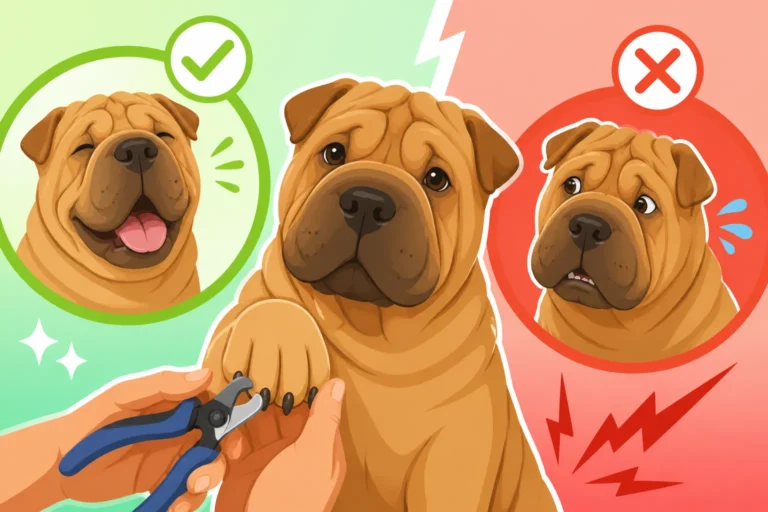
After every winter walk, it’s critical to clean your Shar Pei's paws thoroughly. Use a warm, damp cloth to wipe away any salt, ice melt, or debris that might have collected between their pads. Don't forget to dry them completely, especially the spaces between the toes, to prevent irritation and infection. Regularly check their paws for any signs of cracking, redness, or tenderness. For the rest of their body, ensure their skin folds are kept meticulously clean and dry, as cold, damp conditions can quickly lead to painful fold dermatitis. Nails, Teeth and the Small Jobs on a Shar Pei reminds us that these smaller, often overlooked, grooming tasks are crucial for their overall well-being. Regular brushing, even for their short coats, can help stimulate circulation and remove loose hair, contributing to healthier skin.
Disclaimer
This article is for general informational purposes only and does not constitute professional advice. Laws, prices and regulations vary by location and change over time. Consult a qualified professional for guidance on your specific situation.