Whether a Horse Coat Shar Pei Feels the Cold More
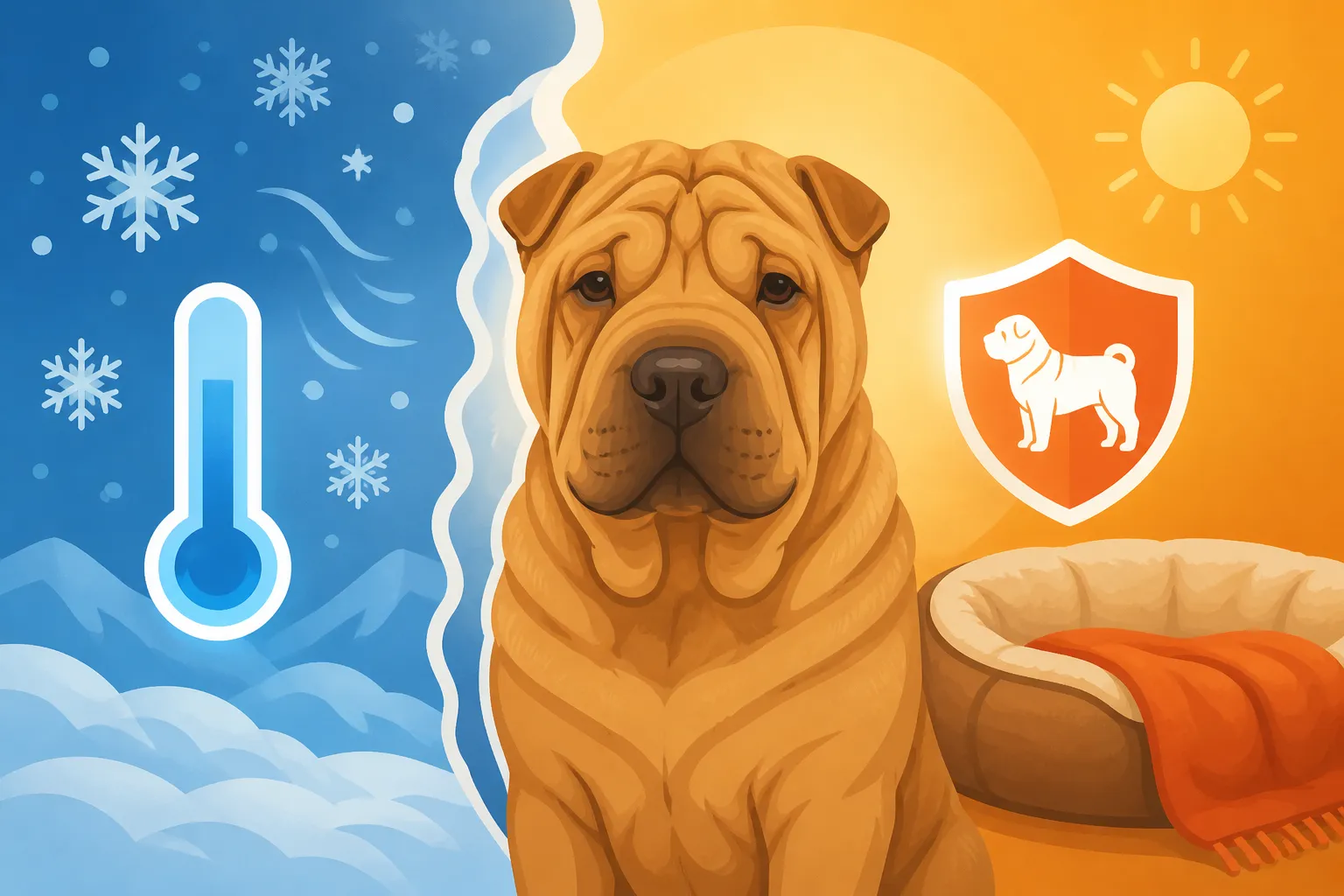
One of the most common worries I hear from fellow Shar Pei parents, especially as the temperatures drop, is whether their unique coats truly offer enough protection. It's easy to assume that all dogs are built to withstand the elements equally, but when you look at a Shar Pei, particularly one with that distinctive, bristly "horse coat," you start to wonder. This guide will delve deep into the nuances of Shar Pei coat types, specifically focusing on how a horse coat impacts their ability to stay warm, and what practical steps you can take to ensure your wrinkly friend is comfortable and safe all year round.
Understanding Shar Pei Coat Types and Their Function
The Shar Pei breed is truly one of a kind, and their coats are no exception. Unlike many double-coated breeds with plush, insulating undercoats, the Shar Pei's skin and fur are quite distinct. These differences play a significant role in how well they tolerate various weather conditions, particularly the cold. It’s not just about aesthetics; it’s about their fundamental physiology.
The Horse Coat: A Closer Look
The "horse coat" is perhaps the most famous and, for some, the most challenging Shar Pei coat type. It's incredibly short, coarse, and stiff to the touch, feeling much like the bristles of a horse's mane. This coat lies very close to the body, offering minimal loft or insulation. While it's fantastic for shedding dirt and drying quickly, which helps prevent skin issues in humid climates, it's far less effective at trapping warm air against the skin. Imagine wearing a thin, stiff shirt in winter versus a thick fleece – that's essentially the difference a horse coat presents. This lack of natural insulation means that dogs with this coat type are inherently more susceptible to feeling the cold and will need extra consideration when the mercury drops.
This unique texture isn't just a surface characteristic; it's deeply tied to the breed's genetics. The short, stiff hairs don't provide the same barrier against wind and cold as a denser, softer coat would. There's no thick underlayer to protect them from the chill. Many owners describe it as feeling almost like sandpaper, which is a perfect descriptor for its insulating qualities – or lack thereof. When you run your hand over a horse coat Shar Pei, you can often feel their skin relatively easily, which is a good indicator of how exposed they are to ambient temperatures.
The Brush Coat: A Comparison
In contrast to the horse coat, the "brush coat" is slightly longer and softer, often ranging from half an inch to an inch in length. While still short compared to many breeds, it has a bit more density and a slightly softer texture, giving it a brush-like feel rather than a bristly one. This extra length and slight increase in density allow the brush coat to offer a bit more insulation. It can trap a thin layer of warm air closer to the body, providing a marginal improvement in cold tolerance.
However, it's crucial not to overstate this difference. Even a brush coat Shar Pei is not equipped with the thick, insulating undercoat found in breeds like Huskies or Newfoundlands, dogs truly built for cold weather. They are still fundamentally a short-coated breed that lacks significant natural cold protection. So, while a brush coat might give you a tiny bit more leeway on a chilly day, it doesn't mean your Shar Pei is suddenly immune to the cold. They will still require warmth and protection, albeit perhaps not as immediately or intensely as their horse-coated counterparts. Understanding Horse Coat or Brush Coat Changes How You Care for a Shar Pei is key to providing appropriate protection.
How Coat Type Relates to Insulation
The primary function of a dog's coat, beyond protection from scratches and sun, is temperature regulation. Many breeds have a double coat system: a coarse outer guard coat to repel water and dirt, and a soft, dense undercoat that traps air to insulate the body. The Shar Pei, particularly the horse coat variety, largely lacks this robust insulating undercoat. Their single, short coat struggles to create the necessary air pockets that would keep them warm.
Think of it like this: if you wear a single thin layer of clothing in freezing weather, you'll feel the cold much faster than if you wear multiple layers, even if the total thickness is similar. Those layers trap air, and it's the trapped air that really insulates. With a horse coat, there's very little 'layering' effect from the fur itself. This means their body heat dissipates more quickly into the surrounding cold air. This lack of natural insulation is a significant factor in What Temperature a Shar Pei Is Comfortable In, and it means that a horse coat Shar Pei will almost always feel the cold more acutely than a brush coat Shar Pei, and certainly more than a breed with a proper cold-weather coat.
Shar Pei and Cold Tolerance: The Horse Coat Specifics
It’s not just a hunch; there's a real physiological basis for why horse coat Shar Pei struggle in cold temperatures. Their distinctive coat, combined with their unique skin structure, leaves them particularly vulnerable. As owners, recognizing this vulnerability and understanding its implications is the first step toward keeping them safe and happy when winter bites.
Why a Horse Coat Offers Less Protection
The horse coat's short, stiff hairs offer minimal thermal resistance. They don't stand away from the body enough to create an insulating air layer, and they certainly don't have the dense, woolly undercoat that traps warmth so effectively in cold-adapted breeds. When a horse coat Shar Pei steps outside into chilly air, that cold air penetrates almost directly to their skin. The lack of natural loft means that wind chill can also be a major factor, stripping away any warmth their body manages to generate. It’s like standing in a cold breeze with only a T-shirt on; you feel it instantly and deeply.
Furthermore, the Shar Pei's unique skin, while characteristic, can also play a role. While the wrinkles themselves might seem like they offer extra bulk, they don't provide significant insulation. In fact, if moisture gets trapped in the folds and then freezes, it could even exacerbate the feeling of cold. Their skin is relatively thin, and without that dense furry buffer, it's directly exposed to the cold environment. This inherent lack of a thermal barrier means that when the temperature drops, a horse coat Shar Pei will feel it much sooner and more intensely than many other dogs.
Signs Your Horse Coat Shar Pei Is Cold
Learning to read your Shar Pei's body language in the cold is essential. They can't tell you they're chilly with words, but their behavior will certainly give you clues. The most obvious sign is shivering or trembling, much like humans do. You might notice them hunching their back, tucking their tail tightly between their legs, or lifting their paws off the cold ground. Their ears might feel unusually cold to the touch, and they may be less enthusiastic about outdoor activities, even short walks.
Sometimes, their entire demeanor will change. A normally playful dog might become subdued, seek out warm spots like sunbeams or heated floors, or try to burrow under blankets or into your lap more than usual. If you take them outside, they might try to cut the walk short, pulling to go back inside, or even refuse to move at all. Persistent whining or crying after being outside in the cold could also be a sign they’re uncomfortably chilly. Always pay attention to these subtle cues, as they are your Shar Pei's way of communicating their discomfort. Remember that A Shar Pei Hides Pain, so early detection of discomfort is vital.
Geographical Considerations for Horse Coats
Where you live significantly impacts the level of care and preparation a horse coat Shar Pei will need. If you're in a region with mild winters, perhaps occasional dips into the 40s or 50s Fahrenheit, a simple sweater or jacket for outdoor excursions might suffice. However, if you reside in an area that regularly experiences freezing temperatures, snow, and ice, the challenges are far greater. In colder climates, a horse coat Shar Pei will require extensive protection, including insulated coats, booties, and significantly shorter outdoor times.
Consider the ambient temperature, but also factor in wind chill and precipitation. A damp, windy 35°F day can feel far colder and be more dangerous than a dry, still 25°F day. Owners in northern states or regions with heavy snowfall might find themselves investing in substantial winter wardrobes for their dogs, and even limiting outdoor potty breaks to quick dashes. Those in warmer states might worry more about overheating in summer, but winter still demands vigilance. Being prepared for your specific climate is not just about comfort, it's about preventing potentially serious health issues like frostbite or hypothermia.
Practical Strategies for Keeping a Horse Coat Shar Pei Warm
The good news is that with a bit of foresight and the right gear, you can ensure your horse coat Shar Pei stays cozy and protected, even when it's biting cold outside. It really comes down to being proactive and mindful of their needs, understanding that their natural defenses against the cold are limited. It's about creating a warm haven indoors and providing ample protection when they venture out.
Indoor Comfort and Bedding Solutions
Your home should be a warm sanctuary for your horse coat Shar Pei, especially in colder months. Ensure their main resting areas are away from drafts, cold windows, or uninsulated exterior walls. Many Shar Pei appreciate a heated bed or a self-warming mat, which can be easily found on platforms like Chewy or Amazon. These provide a constant, gentle warmth that can be incredibly soothing. Think about soft, thick bedding that allows them to burrow and create their own warm nest. Fleece blankets are often a favorite.
For older Shar Pei or those with joint issues, a supportive, orthopedic bed with a plush, warm cover can make a huge difference. If your home tends to be on the cooler side, consider strategically placed space heaters (always with safety in mind, far from flammable materials and out of reach of curious paws) in their favorite lounging spots. Remember, simply having a roof over their head isn't enough; the internal environment of your home needs to be comfortable for them. Sometimes, simply allowing them to snuggle up on the couch under a blanket with you is the best solution for both warmth and bonding.
Outdoor Gear and Cold Weather Protocol
When it comes to outdoor excursions in cold weather, proper gear is non-negotiable for a horse coat Shar Pei. An insulated dog coat or sweater that covers their chest and belly is essential. Look for materials that are waterproof or water-resistant to protect against snow and sleet. Brands available on sites like Chewy or Amazon offer a wide range of options, from simple fleece vests to heavy-duty winter parkas. For really severe cold, a combination of a sweater and a waterproof coat can provide optimal layering.
Booties are also incredibly important, not just for warmth but to protect their paw pads from ice, snow, road salt, and harsh chemicals. Cold pavement or icy patches can quickly cause discomfort or even frostbite. Introduce booties slowly and positively, as many dogs take time to adjust. Keep outdoor potty breaks brief and avoid long walks or extended play sessions in frigid temperatures. Always check their paws for cracks, redness, or ice buildup after coming inside. For general care, always remember Drying Is More Important Than Washing on a Shar Pei, especially after they've been out in damp conditions, to prevent skin irritation or chills.
Dietary Adjustments for Winter Months
While it's not a universal rule, some dogs may benefit from slight dietary adjustments during winter, especially if they are more active outdoors or if they naturally struggle to maintain body temperature. A dog's metabolism works harder to stay warm in cold weather, which can mean they burn more calories. If your Shar Pei is maintaining a healthy weight and activity level, you might not need to change anything drastically. However, if you notice them losing a bit of weight or seeming to shiver more, a small increase in calorie intake through their regular food or high-quality, dense treats might be considered.
Consulting your veterinarian before making significant dietary changes is always a wise move. They can help you determine if an increase in food or a different type of food, such as a slightly higher fat content, is appropriate for your individual dog's needs, health, and What an Adult Shar Pei Weighs. For those looking for quality food, services like Ollie offer fresh, human-grade options that can be rich in nutrients. Just ensure any changes are introduced gradually to avoid digestive upset. Keeping them well-hydrated is also crucial, as dry winter air can be dehydrating. Ensure fresh water is always available.
| Feature | Horse Coat Shar Pei | Brush Coat Shar Pei |
|---|---|---|
| Coat Length | Very short, less than 0.5 inches | Slightly longer, 0.5 to 1 inch |
| Texture | Stiff, bristly, rough | Softer, smoother, brush-like |
| Insulation Level | Low, minimal air trapping | Moderate, slightly better air trapping |
| Cold Tolerance | Poor, highly susceptible to cold | Fair, better than horse coat but still sensitive |
| Winter Gear Need | Essential (insulated coats, booties) | Recommended (sweaters, lighter coats) |
| Drying Time | Very fast | Fast |
| Risk in Cold | Higher risk of hypothermia/frostbite | Moderate risk |
Ultimately, whether your Shar Pei has a horse coat or a brush coat, their well-being in colder weather hinges on your attentiveness. A horse coat Shar Pei will almost certainly feel the cold more acutely due to their shorter, stiffer hair and lack of an insulating undercoat. They require more proactive measures to stay warm and comfortable. By providing a warm indoor environment, investing in appropriate outdoor gear, and being mindful of their individual needs and comfort cues, you can help your unique companion thrive through the chillier months.
Disclaimer
This article is for general informational purposes only and does not constitute professional advice. Laws, prices and regulations vary by location and change over time. Consult a qualified professional for guidance on your specific situation.


