How Often a Shar Pei Should Be Bathed With Skin Disease
As a Shar Pei owner, few things are as disheartening or confusing as watching your beloved dog suffer from persistent skin issues. The endless itching, the redness, the unpleasant odor, and the constant worry about doing the right thing for their sensitive coat can feel like an overwhelming burden. This guide is here to cut through the confusion, offering practical, empathetic advice on how often you should bathe your Shar Pei when they're grappling with skin disease, and how to make those baths truly effective.
The Unique Sensitivity of Shar Pei Skin
Let's be honest, the Shar Pei's magnificent, distinctive wrinkles are a huge part of their charm, but they also bring a unique set of challenges. Their skin isn't just "skin" in the way it is for many other breeds; it's a complex landscape of deep folds, a coarse, often prickly coat, and a genetic predisposition to various dermatological nightmares. You're not imagining things – your Shar Pei's skin really is more prone to trouble. It's a fundamental truth that Skin Is the Shar Pei's Largest Problem by Surface Area, and understanding why is the first step towards managing it effectively.
The Genetic Blueprint for Skin Issues
At the heart of many Shar Pei skin problems lies their unique genetics. We all adore those wrinkles, but they come at a cost. The very gene responsible for their adorable folds, specifically an overproduction of hyaluronic acid, contributes to their distinctive appearance but also creates an environment ripe for skin irritation and inflammation. It's a fascinating and frustrating paradox; Why Hyaluronic Acid Makes a Shar Pei Wrinkle is also linked to some of their most common health complaints. This isn't a flaw in your dog; it's an inherent part of the breed, a consequence of their journey from near extinction to global adoration.
Beyond the wrinkles themselves, Shar Pei can be prone to certain immune-mediated conditions that manifest heavily on the skin. This isn't just about surface-level issues; it's deeply rooted in their biology. Sometimes, these skin problems can even be an early indicator of more systemic issues, so paying close attention to their coat and skin health is crucial for their overall well-being. Think of their skin as a window into their internal health; What a Shar Pei's Skin Tells You Before Its Behavior Does can provide valuable clues to other underlying conditions.
The Perfect Storm: Folds, Moisture, and Microbes
Imagine living your life with constant hidden crevices. That's essentially what life is like for a Shar Pei with their abundant skin folds. While adorable to look at, these folds can become miniature incubators for all sorts of trouble. Moisture gets trapped, warmth builds up, and air circulation is often minimal. This creates a dark, damp, and cozy environment where bacteria and yeast absolutely thrive. It's like a tiny, humid greenhouse for microbes, constantly battling against your best efforts to keep it clean.
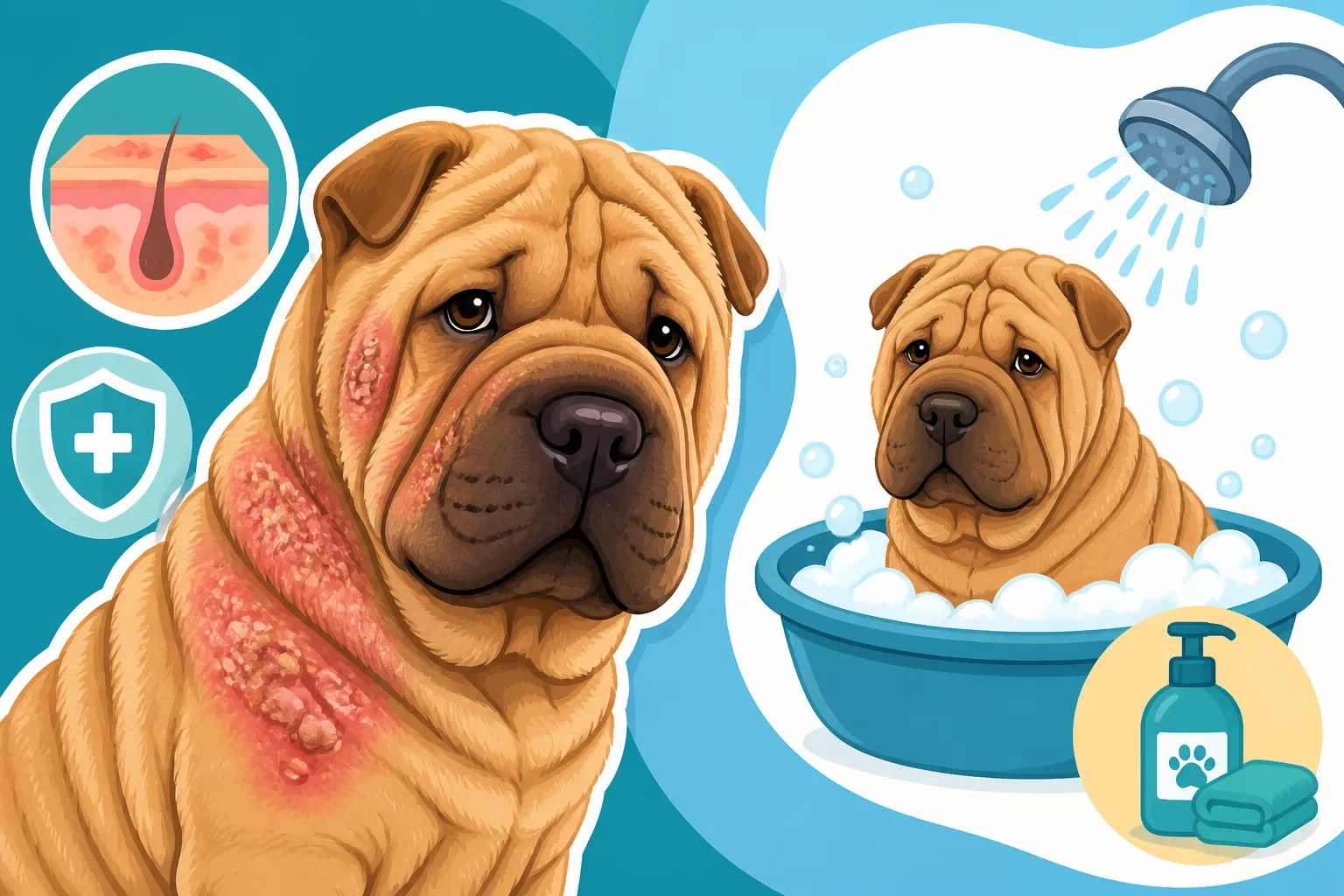
This isn't just about the deep facial folds, though those are certainly a prime offender. You'll find these problematic folds under their chin, around their neck, in their armpits, along their belly, and especially at the base of their tail. Essentially, Every Fold on a Shar Pei Is a Place Something Grows. When these areas become inflamed, it’s often referred to as skin fold dermatitis, which can quickly lead to painful infections. This predisposes them to conditions that often require regular, targeted bathing to manage.
Establishing the Right Bathing Routine for Skin Disease
When your Shar Pei is battling a skin disease, the question of "how often should I bathe them?" isn't just about cleanliness; it's a critical part of their treatment plan. There's no one-size-fits-all answer here, and honestly, that can be incredibly frustrating. What works for one Shar Pei with yeast dermatitis might be too much or too little for another dealing with bacterial pyoderma or severe allergies. The key is finding a rhythm that effectively manages their specific condition without stripping their skin or causing further irritation. This is where your veterinarian's guidance becomes truly invaluable.
Initial Treatment: When Infections or Allergies Flare
If your Shar Pei has an active skin infection – be it bacterial, yeast, or a combination – or is experiencing a severe allergic flare-up, your vet will likely prescribe a medicated shampoo. In these situations, bathing frequency is often more intensive to get the infection under control. You might be looking at bathing your Shar Pei as frequently as every 2-3 days initially.
For example, if your vet has diagnosed a nasty bacterial infection (pyoderma), they might recommend a chlorhexidine-based shampoo. The goal is to reduce the bacterial load on the skin surface quickly and efficiently. Each bath needs to be thorough, ensuring the medicated shampoo has adequate "contact time" – meaning it sits on the skin for 5-10 minutes before rinsing – to do its job. For some specific shampoos, Whether a Medicated Shampoo Needs Contact Time on a Shar Pei is absolutely critical for efficacy. It's not just a quick wash; it's a medicated treatment session.
Similarly, if yeast is the primary culprit, a miconazole or ketoconazole shampoo might be prescribed. These fungal infections can be incredibly itchy and smelly, and frequent medicated baths are often the fastest way to bring relief and clear up the infection. You'll often see a dramatic improvement in smell and visible irritation within the first week or two of consistent bathing.
Ongoing Management: Adapting to Chronic Conditions
Once the initial flare-up or infection is under control, the bathing frequency typically shifts to a maintenance schedule. For Shar Pei with chronic skin conditions like allergies or recurrent fold dermatitis, regular bathing remains a cornerstone of management, but it won't be as frequent as the initial treatment phase.
A common maintenance schedule for a Shar Pei prone to skin issues is once or twice a week. This regular bathing helps to:
- Wash away allergens from the coat.
- Remove environmental irritants that can trigger flare-ups.
- Keep the natural skin flora in balance, preventing yeast and bacteria from overgrowing.
- Distribute therapeutic agents from specialized shampoos.
If your Shar Pei suffers from environmental allergies, for instance, a weekly bath can literally wash off pollen and other airborne irritants that settle on their coat, preventing them from being absorbed through the skin. This can significantly reduce their itchiness. If you notice your Shar Pei's skin gets particularly bad after being outside, especially when Whether a Shar Pei's Skin Gets Worse in Humidity, a bath might be even more necessary after outdoor adventures. The goal here is prevention and ongoing comfort, not just treating an active crisis.
The Iterative Process: Adjusting Frequency as Needed
This isn't a static schedule. You'll become an expert in reading your Shar Pei's skin. If you notice a particular week has been especially itchy, or if they've been swimming more, or if there's a change in the weather, you might need to adjust. Perhaps an extra bath is in order. Conversely, if their skin is looking fantastic, vibrant, and calm, you might be able to stretch the time between baths a little, under your vet's guidance.
Keep a log if it helps. Note down when you bathe them, what shampoo you use, and how their skin looks and feels afterward. This data can be incredibly useful for your vet in tailoring their recommendations. Remember, the journey to healthy Shar Pei skin is often a partnership between you, your vet, and a flexible, responsive bathing routine. It's truly a process of trial and observation, always aiming for that sweet spot of cleanliness and comfort.
| Skin Condition | Initial Bathing Frequency | Maintenance Bathing Frequency | Key Considerations |
|---|---|---|---|
| Bacterial Pyoderma | Every 2-3 days for 2-4 weeks | Once-twice weekly, or as needed | Use veterinary-prescribed antimicrobial shampoo. Strict contact time is essential. Often combined with oral antibiotics. |
| Yeast Dermatitis | Every 2-3 days for 2-4 weeks | Once-twice weekly, or as needed | Use veterinary-prescribed antifungal shampoo. Focus on thorough drying, especially in folds. |
| Allergic Dermatitis | 2-3 times weekly during flare-up | Once-twice weekly | Hypoallergenic or soothing oatmeal shampoos. Helps remove allergens. Often part of a multi-modal approach including diet changes Food Allergies in a Shar Pei and medication. |
| Skin Fold Dermatitis | Every 2-3 days | 2-3 times weekly, with daily fold cleaning | Focus on medicated shampoos for infection, then gentle cleansers for maintenance. Crucial to dry folds completely after every cleaning/bath. |
| Cutaneous Mucinosis | As directed by vet, often less frequent | Less frequent, usually symptom-based | This condition often benefits from less bathing to avoid stripping natural oils. Specific treatments are usually systemic. Focus on gentle, non-irritating products if bathing is needed. |
Mastering the Bathing Technique for Sensitive Skin
Bathing a Shar Pei with skin disease isn't just about how often you do it; it's crucially about how you do it. The technique matters immensely. A hurried, incomplete bath, or one that leaves too much moisture behind, can actually exacerbate their skin problems. You need to be methodical, patient, and thorough to ensure the bath truly helps, rather than harms.
Choosing the Right Shampoo and Tools
This is not the time for generic human shampoo or even a standard dog shampoo you'd grab off any shelf. Your vet will likely recommend a specific medicated shampoo tailored to your Shar Pei's diagnosis. It might be antibacterial, antifungal, antiparasitic, or a combination. Stick to their recommendations. For maintenance, a gentle, hypoallergenic shampoo designed for sensitive skin, possibly with soothing ingredients like oatmeal or aloe vera, is a good choice. Always check with your vet before introducing new products, especially if your dog has allergies.
When it comes to the mechanics, lukewarm water is key. Too hot can be irritating; too cold can be uncomfortable. A non-slip mat in the tub or shower helps keep your Shar Pei secure and reduces stress. You might also find a handheld shower sprayer invaluable for thoroughly wetting and rinsing their dense coat and those tricky folds. Many owners find quality shampoos, and even the right bathing accessories, available through online retailers like Chewy or Amazon, making it easier to keep a steady supply.
The Step-by-Step Process for a Therapeutic Bath
- Preparation: Before they even get in the tub, gather everything you'll need: shampoo, conditioner (if recommended), towels, cotton balls (for ears), and perhaps a few treats for positive reinforcement. Brush your Shar Pei's coat thoroughly to remove loose hair and debris.
- Wet Thoroughly: Start wetting their coat from the neck down, gradually moving to their head (avoiding eyes and ears directly). Ensure their entire body is saturated, right down to the skin. This dense coat can be surprisingly water-resistant!
- Apply Shampoo: Dispense the medicated shampoo and work it into their coat, paying special attention to all the folds. Gently massage the shampoo into the skin. If your Shar Pei has folds on their face, use a damp cloth with a little shampoo to clean these delicate areas, being extra careful around their eyes.
- Contact Time: This is crucial for medicated shampoos. Follow your vet's instructions for how long the shampoo needs to stay on their skin – usually 5 to 10 minutes. This is where those treats come in handy!
- Rinse, Rinse, Rinse: This might be the most important step. Rinse all the shampoo out. Residual shampoo can irritate the skin, leading to more itching and dryness. Use the handheld sprayer to lift the folds and rinse thoroughly, ensuring no suds remain. Keep rinsing until the water runs clear and their coat feels squeaky clean, not slick.
- Conditioner (Optional but Recommended): If your vet recommends a moisturizing conditioner, apply it now. Conditioners can help restore moisture to the skin and coat, especially important after medicated shampoos which can be drying. Let it sit for the recommended time, then rinse thoroughly again.
The Non-Negotiable Step: Thorough Drying
I cannot stress this enough: Drying Is More Important Than Washing on a Shar Pei. Leaving a Shar Pei damp, especially within their folds, is an open invitation for yeast and bacterial infections to bloom. This is where many owners accidentally undermine their good bathing efforts.
After rinsing, gently squeeze excess water from their coat. Then, towel dry them thoroughly. Don't just pat; rub and work the towel into their coat, getting as much moisture out as possible. Follow this with a blow dryer on a cool or low-heat setting. Lift and separate the folds, directing the air into every crevice until the skin underneath is completely dry. You'll need to check carefully, feeling the skin with your fingers to ensure there's no lingering dampness. This can take time, but it's time well spent. A damp Shar Pei can quickly develop "hot spots" or new infections, erasing all the good you just did with the bath. For those hard-to-reach areas, a soft cloth or cotton pad can be used to absorb any remaining moisture in deep folds.
Beyond the Bath: Holistic Skin Management and When to Call the Vet
While a proper bathing routine is a powerful tool, it’s rarely the only solution for a Shar Pei with skin disease. Their complex skin issues often require a holistic approach, combining various strategies to keep them comfortable and healthy. And critically, you need to know when your best efforts at home aren't enough and it's time to seek professional help.
Recognizing When Bathing Isn't Enough
Sometimes, despite your diligent bathing schedule and the perfect products, your Shar Pei's skin just isn't getting better, or perhaps it's even worsening. This is your sign to consult your veterinarian again without delay. It could mean the current treatment isn't working, the diagnosis needs to be re-evaluated, or there's an underlying issue that hasn't been addressed.
Here are some red flags that indicate a vet visit is necessary:
- Persistent or Worsening Itching: If the scratching, licking, or chewing continues unabated, or even increases, it's a sign of ongoing discomfort.
- New or Spreading Lesions: Fresh areas of redness, scabbing, pustules, or hair loss mean the infection or inflammation is progressing.
- Foul Odor: A strong, unpleasant smell, even after bathing, often indicates a thriving bacterial or yeast infection.
- Pain or Discomfort: If your Shar Pei flinches when you touch certain areas of their skin, they're in pain.
- Lethargy or Loss of Appetite: Systemic illness can sometimes accompany severe skin infections, impacting their general health.
Your vet might need to perform further diagnostics, like skin scrapes to check for mites (Whether a Shar Pei Gets Demodectic Mange), cytology to identify specific bacteria or yeast, or even biopsies in more complex cases. They might also consider broader solutions, such as dietary changes. Feeding a Shar Pei That Reacts to Its Food is a common strategy, as food allergies can manifest strongly in the skin.
Complementary Skin Care Strategies
Bathing is one piece of the puzzle. Here are other strategies that often work in conjunction with a good bathing routine to support your Shar Pei's skin health:
- Dietary Management: Many Shar Pei benefit from diets formulated for sensitive skin, often featuring novel proteins or hydrolyzed ingredients. Avoiding common allergens can drastically reduce skin inflammation. Look for foods from reputable brands, often found at pet supply stores like Chewy, or even specialized fresh food services like Ollie that cater to specific dietary needs.
- Environmental Control: Reducing exposure to environmental allergens like pollen, dust mites, and certain grasses can make a big difference. This might involve more frequent vacuuming, using air purifiers, and wiping your Shar Pei down after outdoor excursions.
- Supplements: Omega-3 fatty acids (fish oil) are widely recommended for skin health due to their anti-inflammatory properties. Probiotics can also support gut health, which in turn can influence skin immunity. Always discuss supplements with your vet first.
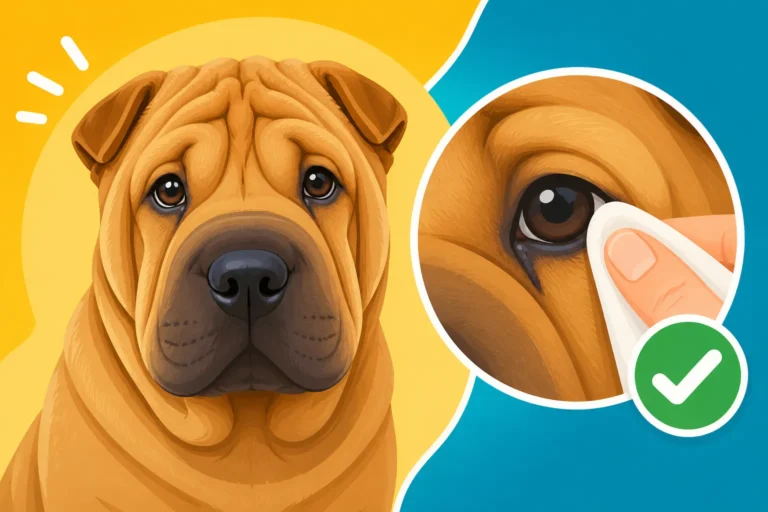
- Regular Fold Cleaning: Even between baths, spot-cleaning the deepest folds is essential. Use veterinary-approved wipes or a damp cloth to gently clean and then thoroughly dry these areas daily. This is a quick way to prevent minor irritations from escalating into full-blown infections.
By taking a comprehensive approach, combining a smart, responsive bathing schedule with attentive daily care and regular veterinary oversight, you can significantly improve your Shar Pei's skin health and overall quality of life. It’s a commitment, but the comfort and happiness of your wrinkled companion are absolutely worth it.
Disclaimer
This article is for general informational purposes only and does not constitute professional advice. Laws, prices and regulations vary by location and change over time. Consult a qualified professional for guidance on your specific situation.