Whether a Shar Pei’s Coat Should Be Brushed Against the Grain
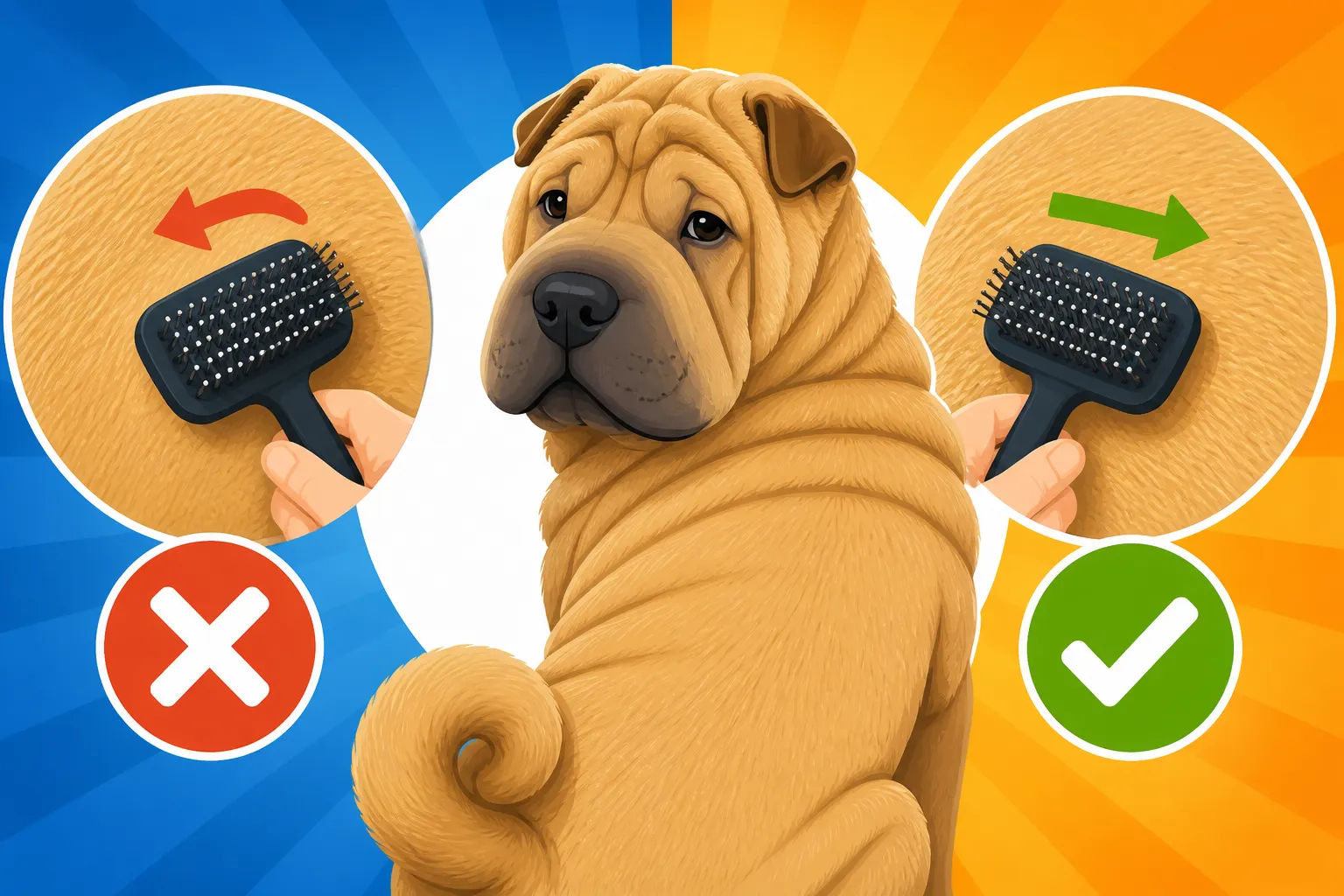
One of the trickiest parts of owning a Shar Pei is figuring out how to care for that truly unique coat and the sensitive skin underneath. Many of us have been taught to brush "against the grain" to really get at shedding hair or stimulate the skin, but for a Shar Pei, this seemingly helpful technique can actually cause more harm than good. This guide will walk you through why that particular brushing method is often a misstep for our wrinkled friends and offer better ways to keep their coat healthy and their skin happy.
The Unique Landscape of a Shar Pei's Skin and Coat
When you run your hand over a Shar Pei's back, it's immediately clear that their coat isn't like most other dogs. It's an experience, isn't it? That distinctive texture isn't just for show; it's a key factor in how we approach their grooming and overall skin health. Understanding this unique biological tapestry is the first step in providing the best care.
Understanding the "Sandpaper" Feel
That famous "sandpaper" coat, as it's often described, isn't just a quirky characteristic; it's a dense, short, and often bristly coat that serves as a protective layer. Unlike dogs with longer, softer fur, a Shar Pei's coat doesn't easily part or lie flat in all directions. The individual hairs are typically stiff and grow in a very specific direction, designed to shed water and offer a degree of protection. If you've ever owned a Shar Pei with a true horse coat, you know exactly what I mean – it can feel quite prickly. This inherent texture means that attempting to brush against the natural lay of the hair isn't like fluffing up a poodle's mane; it's more like trying to smooth sandpaper backward. It resists, creating friction and potential irritation where you least want it, especially given Why a Shar Pei's Coat Feels Like Sandpaper.
Moreover, the skin beneath this distinctive coat is often thin and quite sensitive. It's not a robust, thick hide like you might find on some working breeds. This sensitivity is exacerbated by the high levels of mucin in their skin, which contributes to their characteristic wrinkles but also makes them prone to various dermatological issues. Even without visible skin problems, simply applying too much pressure or going against the grain can overstimulate or even scratch this delicate skin, leading to a cascade of potential issues that we, as Shar Pei owners, are constantly trying to avoid.
Horse Coat vs. Brush Coat: A Critical Distinction
While all Shar Pei coats are unique, there are two primary types that influence grooming practices: the horse coat and the brush coat. The horse coat is the shortest, coarsest, and most prickly of the two, often described as feeling like steel wool. It's dense and lies very close to the body. Brush coats are slightly longer, softer, and often a bit denser than the horse coat, feeling more like velvet. While still short, it offers a bit more cushion and is generally less irritating to the touch. Horse Coat or Brush Coat Changes How You Care for a Shar Pei in profound ways, particularly when it comes to brushing.
For a Shar Pei with a horse coat, brushing against the grain is almost universally a bad idea. The stiff, short hairs act like tiny needles if pushed the wrong way, digging into the skin and causing discomfort, redness, or even folliculitis (inflammation of the hair follicles). Owners of horse coat Shar Pei often describe their dogs as being more prone to skin irritation even from everyday contact, so adding aggressive, reverse brushing to the mix is a recipe for trouble. Even brush coats, while softer, still have that underlying skin sensitivity and dense hair growth pattern that makes reverse brushing counterproductive. Regardless of the coat type, the goal of grooming a Shar Pei is always to work with their natural biology, not against it, to prevent any unnecessary stress on their already predisposed skin.
Why Brushing Against the Grain Can Be a Problem
It’s tempting to think that a vigorous, all-directions brush will do a better job of removing loose hair and stimulating the skin, especially with a short-coated breed. However, for a Shar Pei, this common grooming technique can actually be quite detrimental. Their genetics and unique skin structure mean they respond differently to external stimuli, and what works for other breeds often falls short—or actively harms—our wrinkled companions.
The Delicate Balance of Shar Pei Skin
The skin of a Shar Pei is one of its most defining features, but also its Achilles' heel. It's rich in hyaluronic acid, leading to those signature wrinkles, but this also means it can be unusually delicate and prone to inflammation. Skin Is the Shar Pei's Largest Problem by Surface Area, making diligent care paramount. When you brush against the grain, you are essentially forcing the stiff hairs back into the hair follicles and against the natural direction of growth. This creates unnecessary friction and can disrupt the skin's surface integrity. Imagine rubbing sandpaper backward against your own skin – it's uncomfortable, right? For a Shar Pei, this sensation is magnified due to their underlying skin sensitivity, which can manifest as redness, itching, or even small abrasions that might not be immediately visible through the coat.
This irritation isn't just superficial discomfort; it can lead to more serious problems. The skin is a vital barrier against external pathogens. Any breach in this barrier, even microscopic ones caused by improper brushing, can open the door to bacterial or yeast infections. Our Shar Pei already battle predispositions to skin issues, so intentionally creating conditions that invite further irritation is something we absolutely want to avoid. The goal of grooming should always be to support skin health, not to compromise it.
Risk of Irritation and Micro-Tears
Brushing against the natural lay of a Shar Pei’s coat can cause literal micro-tears on the surface of the skin. The short, stiff hairs, when pushed backward, can scrape or abrade the epidermis. These tiny injuries might seem insignificant, but for a breed prone to inflammatory skin conditions, they can quickly escalate. The skin's natural response to injury is inflammation, which can lead to redness, swelling, and increased itchiness. This, in turn, can prompt your Shar Pei to scratch, lick, or rub the affected areas, leading to a vicious cycle of irritation and self-trauma.
Furthermore, this continuous irritation can lead to a condition called folliculitis, where the hair follicles themselves become inflamed. You might notice small bumps, pimple-like lesions, or even areas of hair loss. These are clear signs that the skin's delicate balance has been disturbed. It’s a painful and uncomfortable experience for your dog, often requiring veterinary intervention to resolve. Preventing these issues starts with gentle, mindful grooming techniques that respect the unique nature of their coat and skin.
Exacerbating Fold Issues
The Shar Pei's folds are iconic, but they are also zones that demand special attention. Every Fold on a Shar Pei Is a Place Something Grows, and these moist, warm, and often constricted areas are perfect breeding grounds for bacteria and yeast, leading to conditions like skin fold dermatitis. When you brush against the grain, especially near these folded areas on the face, neck, or tail, you risk pushing hair and debris deeper into the folds. This can trap moisture and irritants, exacerbating existing fold dermatitis or even initiating a new flare-up.
Proper fold care involves keeping these areas clean and dry, which is disrupted by aggressive, reverse brushing. Instead of cleaning, you might inadvertently be causing more problems by pushing irritants into areas already prone to infection. It’s a bit like trying to clean a tight crease by scrubbing it roughly; you’re more likely to cause chafing than to truly clean it. The goal is always gentle cleaning within the folds and smooth brushing around them to keep the skin healthy and prevent moisture and debris from accumulating.
The Right Way to Brush Your Shar Pei's Coat
Given the sensitivities and unique texture of a Shar Pei's coat, knowing the proper brushing technique is crucial. It’s not about force or going against the grain; it’s about gentle, consistent care that respects their delicate skin while effectively managing shedding and promoting overall health.
Choosing the Right Tools for the Job
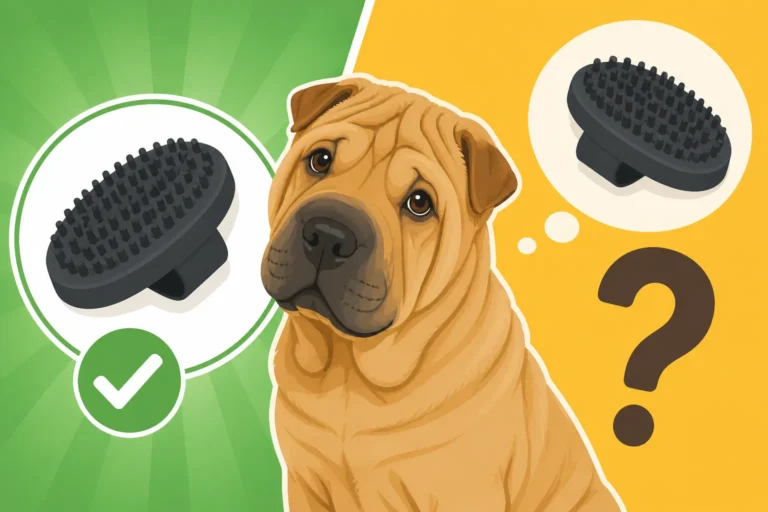
The battle for a healthy coat and skin often begins with the right arsenal of tools. For a Shar Pei, harsh brushes or combs designed for long, thick coats are completely out. You need tools that are gentle yet effective. A good quality rubber curry brush or a shedding blade (used very lightly) are often excellent choices. These tools work with the coat's natural direction to gently lift loose hair and stimulate the skin without scratching or pulling. You can find many suitable options on platforms like Chewy or Amazon, often with reviews from other short-coated dog owners.
- Rubber Curry Brush: These are fantastic because the soft rubber nubs massage the skin, improving circulation, while also trapping loose hair. They are gentle enough not to cause irritation, even on sensitive skin. Whether a Rubber Curry Suits a Shar Pei is often a resounding yes for many owners.
- Shedding Blade (Loop Type): For periods of heavier shedding, a shedding blade can be used, but with extreme caution and a very light hand. You are merely skimming the surface to gather loose hair, not digging into the coat.
- Soft Bristle Brush: A soft bristle brush can be used for a final pass to smooth the coat and distribute natural oils, leaving a nice sheen. This is less about removing shedding hair and more about finishing and light stimulation.
Avoid slicker brushes or metal combs with sharp teeth, as these can easily damage a Shar Pei's skin, especially if you have a horse coat variety. Always prioritize softness and gentleness in your tool selection.
Gentle Strokes, With the Grain
The golden rule for brushing a Shar Pei is to always brush with the direction of hair growth. This means starting from the head and working your way down the body, following the natural lie of the coat. Use short, gentle strokes, applying just enough pressure to make contact with the skin without dragging or pulling. This method allows you to effectively remove loose hair, distribute natural oils, and provide a light massage without causing any stress or irritation to the skin or follicles. How Often a Shar Pei Needs Brushing typically depends on their shedding cycle, but even daily light brushing with the grain can be beneficial.
When you brush with the grain, you're helping the coat do what it's naturally designed to do: lie flat and protect the skin. It also helps to prevent matting (though rare in Shar Pei due to their short coats) and keeps the coat looking sleek and healthy. Pay particular attention to areas where wrinkles are more pronounced, like the neck and tail base, but always gently and carefully, ensuring you're not pushing debris deeper into the folds. This consistent, gentle approach builds a positive grooming experience for your dog, making them more tolerant and even enjoyable.
Focusing on Shedding and Circulation
Brushing a Shar Pei, even with a short coat, is crucial for managing shedding. While they might not leave tumbleweeds of fur like some long-haired breeds, they do shed, and that hair needs to go somewhere. Regular brushing, done correctly, helps to remove dead hair before it ends up all over your furniture. This is especially true during seasonal changes when shedding can increase. You'd be surprised How Much a Shar Pei Sheds Day to Day even with their short coats. By brushing with the grain, you're effectively collecting these loose hairs, keeping them off your clothes, and reducing allergens in your home.
Beyond shedding, proper brushing also promotes healthy circulation to the skin. The gentle massage action stimulates blood flow, which in turn delivers nutrients to the hair follicles and skin cells. This contributes to a healthier, shinier coat and can even help the skin's natural healing processes. Think of it as a mini-spa treatment for your Shar Pei. A healthy skin barrier is crucial for Shar Pei, who are prone to a myriad of dermatological challenges. Regular, gentle grooming is one of the easiest and most cost-effective ways to maintain this vital protective layer.
| Brushing Method | Suitable for Shar Pei | Key Benefits | Potential Risks |
|---|---|---|---|
| With the Grain | Yes | Removes loose hair, distributes oils, stimulates circulation, prevents mats | Less effective for deeply embedded loose hair (if too light) |
| Against the Grain | No | Rarely removes more hair but not worth the risk | Skin irritation, micro-tears, folliculitis, exacerbates fold issues |
| Rubber Curry Brush | Yes | Gentle, massages skin, effective for shedding, good for sensitive skin | May not remove extremely deeply embedded hair in heavy shedding |
| Shedding Blade (light) | Yes | Good for heavy shedding | Risk of skin irritation if used too firmly or incorrectly |
| Slicker Brush/Metal Comb | No | Designed for longer/denser coats, too harsh | Scratches skin, pulls hair, causes pain and aversion to grooming |
Beyond the Brush: Comprehensive Skin and Coat Care
While proper brushing is a cornerstone of Shar Pei care, it's just one piece of the puzzle when it comes to maintaining their unique skin and coat health. A holistic approach that includes regular skin checks, appropriate bathing, and a thoughtful diet is essential for these special dogs.
The Importance of Regular Skin Checks
Because Shar Pei are so prone to skin issues, daily or at least very frequent skin checks are just as important as brushing, if not more so. You know your dog better than anyone, and you’ll be the first to notice subtle changes that could indicate a problem. After a gentle brush, take a moment to carefully part the fur, especially in their deepest wrinkles and around their neck, armpits, and groin. Look for any signs of redness, bumps, scabs, excessive oiliness, flakiness, or unusual odor. These can all be early indicators of irritation or infection.
It’s easy for minor irritations to escalate quickly in a Shar Pei, transforming from a small red patch into a full-blown infection in a matter of hours. What a Shar Pei's Skin Tells You Before Its Behavior Does is often a lot, long before they show discomfort. Catching these issues early can save you and your dog a lot of discomfort, and potentially, significant vet bills. If you notice any concerning changes, don't hesitate to consult your veterinarian. They might recommend medicated wipes, shampoos, or other treatments to address the specific issue. Brands available on Amazon or Chewy often carry recommended veterinary shampoos or wipes.
Diet, Environment, and Overall Skin Health
The health of your Shar Pei’s coat and skin isn't just about what you put on it; it's profoundly influenced by what goes into their body and their surrounding environment. A high-quality diet, rich in essential fatty acids like Omega-3s and Omega-6s, can do wonders for skin elasticity and coat luster. Look for foods with good protein sources and minimal fillers, as some Shar Pei can have sensitivities to common ingredients. While I won't name specific food brands, many reputable pet food manufacturers focus on these nutritional elements.
Beyond diet, their living environment plays a significant role. High humidity can exacerbate skin fold dermatitis and yeast infections, while excessively dry air can lead to flaky, itchy skin. Ensuring a clean living space, free of dust and common allergens, can also help. Regular bathing with appropriate shampoo, as prescribed by your vet or chosen carefully for sensitive skin, is also key to managing skin flora and preventing buildup in their folds. Remember, drying is paramount after bathing to prevent moisture from getting trapped in those characteristic wrinkles. By taking a comprehensive approach to their care, from how you brush to what they eat and where they live, you can significantly improve your Shar Pei's comfort and quality of life.
Disclaimer
This article is for general informational purposes only and does not constitute professional advice. Laws, prices and regulations vary by location and change over time. Consult a qualified professional for guidance on your specific situation.