Whether a Cooling Vest Reaches a Shar Pei’s Skin
That intense summer sun can turn a casual walk into a risky endeavor for our beloved Shar Pei, and it’s a constant source of worry for us devoted owners. We see those wonderful, unique wrinkles and their usually dense coat, and when we consider cooling vests, a common thought immediately pops up: "Will that even reach their actual skin and do any good?" It's a completely understandable concern, and one we’re going to explore thoroughly to help you keep your wrinkly companion safe and comfortable.
Understanding the Shar Pei's Unique Cooling Challenges
Our Shar Peis are undeniably charming, but those distinctive features that make them so beloved also present some very real physiological challenges when it comes to regulating their body temperature. It’s not just about looking cute; their anatomy directly impacts how they handle heat.
The Double-Edged Sword of Those Adorable Wrinkles
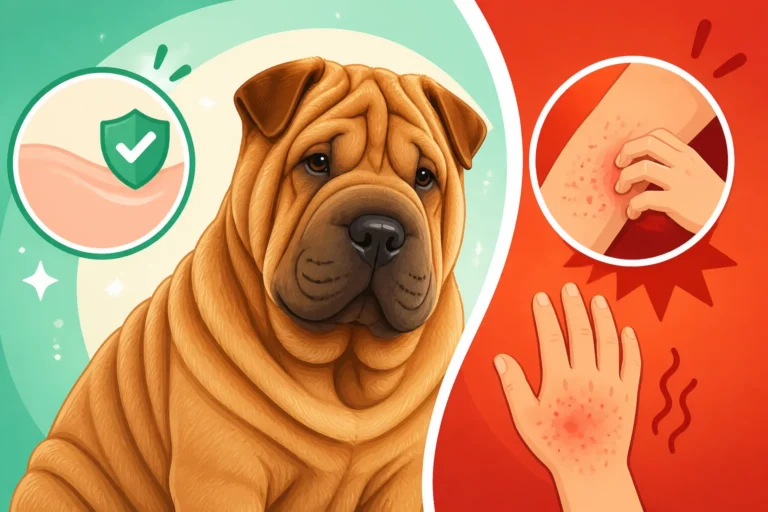
Those deep, luxuriant folds of skin are the hallmark of the Shar Pei, and while they're incredibly endearing, they can also act like miniature insulated pockets, trapping heat and moisture close to the body. Imagine wearing a heavy, intricately folded blanket on a hot day – that's somewhat what it's like for a Shar Pei with extensive wrinkling. These folds, particularly around the neck, face, and torso, can prevent air circulation from reaching the underlying skin. When a cooling vest is applied, it needs to make contact with the skin to effectively transfer coolness or facilitate evaporation. If the vest sits on top of a layer of wrinkles, the direct cooling benefit is significantly diminished. It becomes a barrier that's trying to cool another barrier. This is a common frustration for owners who invest in these products, only to feel like they aren't working as intended.
Coat Types and Their Insulating Effects
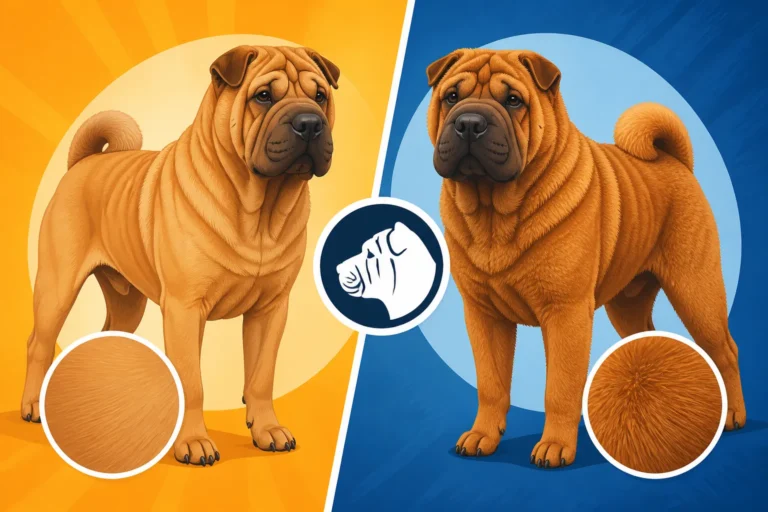
Shar Peis come in a few different coat types, and each plays a role in how well they can regulate temperature and how effective a cooling vest might be. The most common are the "horse coat" and the "brush coat." A horse coat is short, harsh, and bristly. While it might seem less insulating than a longer coat, its density can still hold heat. A brush coat is slightly longer and softer, often giving the dog a more plush appearance. This extra length can provide even more insulation, making it harder for external cooling methods to penetrate to the skin. Then there's the rarer "bear coat," which is even longer and more dense, essentially acting like a built-in winter coat all year round.
Regardless of the specific coat type, the sheer density of a Shar Pei’s fur, combined with their thick skin, creates a natural barrier. This means that a cooling vest, which relies on evaporation or direct transfer of coolness, has a tougher job getting that benefit right down to where it’s needed. It's a bit like trying to cool a thermos from the outside; you're battling layers designed to maintain temperature, not dissipate it. Knowing this helps set realistic expectations for any cooling product you might use. You can read more about Horse Coat or Brush Coat Changes How You Care for a Shar Pei.
Brachycephalic Tendencies and Heat Sensitivity
While not as severely brachycephalic as some breeds like Bulldogs or Pugs, many Shar Peis still have somewhat shortened muzzles compared to more traditional dog breeds. This anatomical feature, combined with their relatively small nostrils, can make breathing less efficient, especially when they're hot or exerting themselves. Dogs primarily cool themselves by panting, which involves rapid, shallow breathing that increases airflow over the moist surfaces of the tongue and mouth, facilitating evaporative cooling. If a dog's respiratory system is even slightly compromised by a shorter muzzle, their ability to pant effectively and release heat is reduced.
This makes them inherently more susceptible to overheating. When you combine this reduced internal cooling capacity with the external challenges of dense coats and insulating wrinkles, it's clear why Heat Management Is Daily Work With a Shar Pei and why extra measures like cooling vests become so appealing, and yet so frustrating when they don't seem to work perfectly. It's a critical factor in why we need to be extra vigilant and proactive about keeping our Shar Pei cool.
How Cooling Vests Are Supposed to Work (and Why It's Tricky for a Pei)
Cooling vests aren't magic, but they do leverage some smart science to help keep dogs comfortable. Understanding their basic function, and then overlaying that with the unique physiology of a Shar Pei, reveals why we often hit a snag.
The Principle of Evaporative Cooling
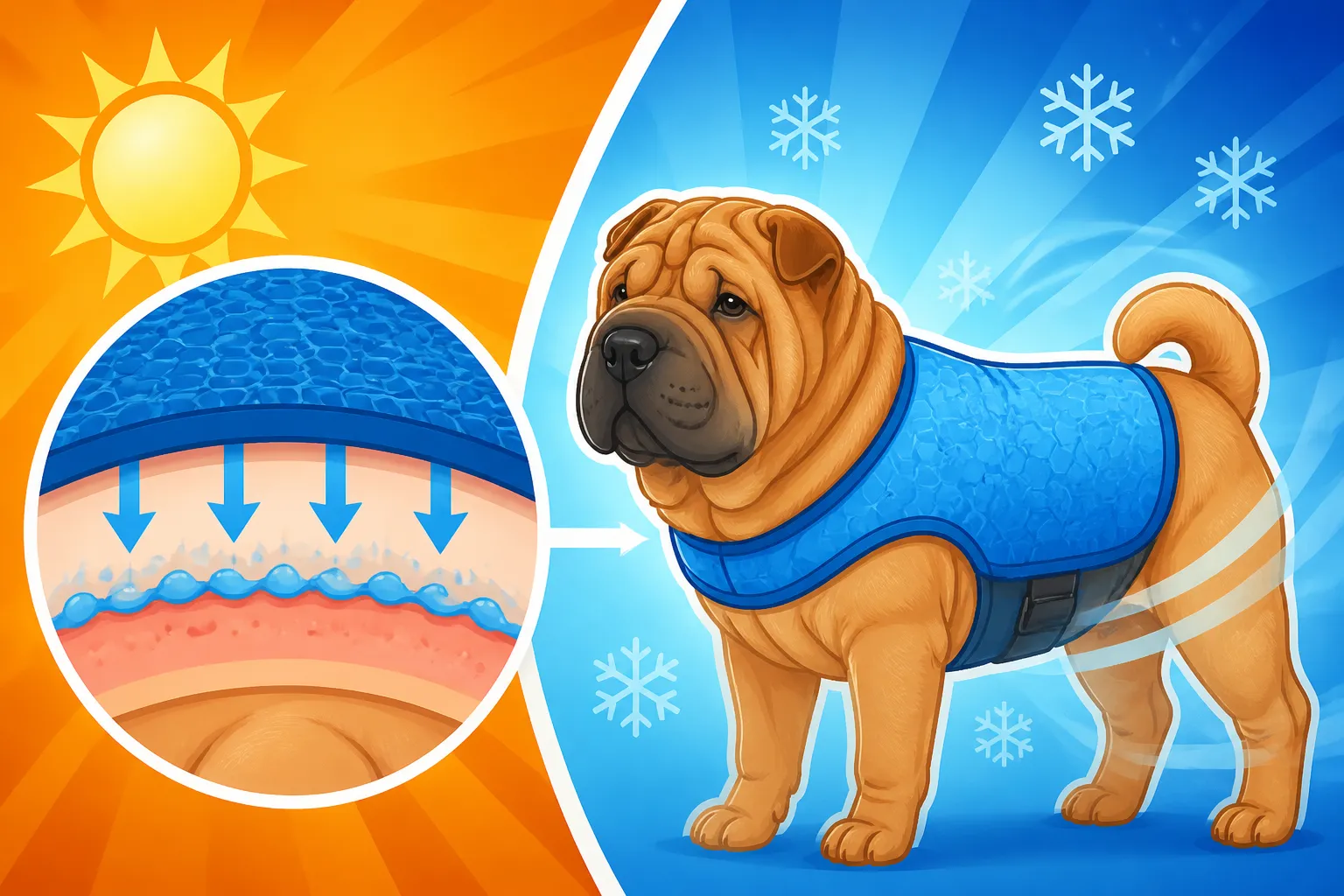
Most cooling vests work on the principle of evaporative cooling. Think about how your body sweats: as the sweat evaporates from your skin, it takes heat with it, leaving you feeling cooler. Many cooling vests for dogs are designed to be soaked in cold water, wrung out, and then placed on the dog. As the water slowly evaporates from the vest fabric, it draws heat away from the dog’s body, creating a cooling effect. Some vests might also contain cooling gels or phase-change materials that absorb heat and slowly release coolness. These often work via direct conduction, transferring the cooler temperature of the gel to the dog's body.
The key to both methods is effective contact with the body, and efficient heat transfer. If the vest material can’t get close enough to the skin, or if the dog’s coat and wrinkles create too much of a barrier, that heat exchange becomes less efficient. It's like trying to cool a room by placing a fan far away from the open window – some air exchange happens, but it’s not as effective as direct airflow.
The Obstacle Course of a Shar Pei's Anatomy
Here's where the Shar Pei’s unique body structure becomes an "obstacle course" for a cooling vest. Their deep, plush wrinkles, especially on the neck, shoulders, and chest, mean that a vest might sit on top of these folds rather than making flush contact with the skin beneath. This trapped air and skin creates a layer of insulation, preventing the cooling vest from directly accessing the blood vessels close to the surface of the skin, which are crucial for heat exchange.
Furthermore, a Shar Pei's coat, whether horse or brush, is quite dense. Even if the vest makes decent contact in some areas, the dense fur itself can trap air and moisture, again reducing the direct transfer of coolness. The cooling effect needs to penetrate this furry layer to truly be effective. It’s not just a matter of the vest "reaching" the skin in one spot; it needs to effectively cover large areas where heat dissipation is most critical, like the chest and back. This anatomical challenge means owners need to be very discerning in their choice and application of a cooling vest.
Common Vest Designs and Their Limitations
Cooling vests come in a variety of designs, from simple fabric vests that you soak in water to more advanced options with gel inserts or battery-powered fans. Each has its own set of pros and cons, especially when considering a Shar Pei.
- Soak-and-Wring Vests: These are the most common and generally most affordable. They rely purely on evaporative cooling. The limitation for a Shar Pei is that the fabric might not conform tightly enough to navigate the wrinkles, and the moisture might get trapped in the folds, potentially leading to skin irritation if not managed properly. The cooling effect diminishes as the water evaporates or warms up, requiring re-soaking.
- Gel Pack Vests: These vests have pockets for reusable gel packs that you freeze or chill. They offer direct conductive cooling. However, the rigidity of the gel packs might make it difficult for the vest to fit snugly around a Shar Pei’s contoured, wrinkly body. If the gel pack isn't directly touching the skin or is separated by deep folds, its effectiveness is reduced.
- Phase-Change Material Vests: These use specialized materials that absorb heat at a specific temperature, providing a more consistent cooling effect without being excessively cold. They tend to be more expensive but can be effective. Again, the challenge lies in ensuring good skin contact despite the wrinkles and dense coat.
It’s clear that a one-size-fits-all approach to cooling vests simply doesn’t work for a Shar Pei. We need to think carefully about the vest's ability to conform to their unique shape. You can often find a good selection and user reviews on sites like Amazon or Chewy to help you compare designs.
Maximizing the Effectiveness of a Cooling Vest for Your Wrinkly Friend
So, with these challenges in mind, how can we make sure a cooling vest truly helps our Shar Pei when the mercury rises? It’s all about smart choices, proper application, and diligent monitoring.
Choosing the Right Vest Design and Fit
When selecting a cooling vest for your Shar Pei, fit is paramount – even more so than for other breeds. You need a vest that can, as much as possible, make contact with the underlying skin despite the folds.
- Flexible and Conforming Materials: Look for vests made from highly flexible, thin, and stretchy materials. These are more likely to mold around your Shar Pei’s contours and hopefully slip into some of those larger wrinkles rather than just bridging over them. Rigid or bulky vests will create air gaps, defeating the purpose.
- Targeted Cooling Areas: Consider vests that specifically target key cooling points: the chest, underbelly, and back. These are areas where major blood vessels run close to the surface, making them efficient spots for heat exchange. Some vests are designed more like harnesses, which can be less effective than full-coverage options.
- Adjustability: Vests with multiple adjustable straps and closures allow for a more customized, snug fit. This is critical for getting the vest close to the body without being restrictive or causing chafing in the folds. You want it secure but not tight enough to pinch the skin.
- Thinness vs. Durability: You want a vest that's thin enough to penetrate the outer layers of the coat and folds, but still durable enough to withstand your Shar Pei's activities. A flimsy vest that tears easily won't be a good investment.
- Ventilation: Even though it's a cooling vest, good airflow around the vest (where it's not directly against the body) helps evaporation and prevents the vest from becoming a heat trap itself.
When shopping, especially on platforms like Chewy or Amazon, pay close attention to reviews from other owners of deep-chested, wrinkly, or thick-coated breeds. Their experiences can be incredibly insightful.
Pre-Cooling and Proper Application Techniques
Once you have the right vest, how you prepare and put it on your Shar Pei can significantly impact its performance.
- Deep Pre-Soaking (for evaporative vests): Don't just dampen the vest. Soak it thoroughly in cold water for several minutes. If possible, use iced water. Then, wring it out just enough so it's not dripping heavily, but still saturated. The more water available for evaporation, the longer the cooling effect will last.
- Chilling (for gel/phase-change vests): Ensure any gel packs or phase-change inserts are properly chilled or frozen according to the manufacturer's instructions. Placing them in the refrigerator or freezer for a good amount of time before use is essential for maximum coolness.
- Direct Contact Focus: When putting the vest on, try to gently push the fabric into larger folds, especially on the chest and neck, to maximize skin contact. Smooth the vest over the back and sides. You might need to adjust it a few times to get the best possible fit.
- Underlying Coat Preparation: For very dense brush coats, a quick, light brushing before applying the vest might help flatten the fur slightly, allowing for better contact. Avoid over-wetting the fur itself unless you're also using other cooling methods, as trapped moisture in deep folds can lead to skin issues. Drying Is More Important Than Washing on a Shar Pei for this very reason.
- Regular Re-wetting/Re-chilling: Understand that the cooling effect is finite. On a hot day, you'll likely need to re-soak or replace gel packs every 1-2 hours, sometimes more often, depending on the ambient temperature and your Shar Pei's activity level. Don't wait until your dog is clearly hot before refreshing the vest.
Monitoring Your Shar Pei's Response
A cooling vest is a tool, not a guarantee against overheating. Constant vigilance and monitoring are crucial, especially for a breed as susceptible as the Shar Pei.
- Observe Behavior: Watch for signs of overheating like excessive panting (more than usual for a Shar Pei), lethargy, staggering, dark red gums, or foaming at the mouth. Even with a vest, if your dog is showing these signs, remove them from the heat immediately. How Easily a Shar Pei Overheats is a real danger.
- Check Skin Temperature: Periodically feel the skin underneath the vest, particularly in areas where it makes good contact. It should feel cool, not just damp or warm. Also, check other areas of their body, like their inner thighs or ear flaps, to gauge their overall temperature.
- Watch for Fold Irritation: Because Shar Peis have such deep folds, trapped moisture from a vest (or any wetness) can lead to skin fold dermatitis. Regularly check under the vest and in the folds for any redness, dampness, or unpleasant odor. If you notice irritation, discontinue use and consult your vet. Every Fold on a Shar Pei Is a Place Something Grows.
- Don't Overdo It: While cooling is important, don't leave a wet vest on for excessively long periods without a break, especially indoors. Excessive dampness can be detrimental to their skin health.
- Combine Methods: For truly hot days, a vest should be part of a larger cooling strategy, not the sole solution.
A cooling vest can absolutely be a beneficial part of your Shar Pei’s heat management plan, but it requires careful consideration and consistent attention to detail to ensure it's doing its job effectively and safely.
Beyond the Vest: Other Ways to Keep Your Shar Pei Cool
While a cooling vest can be a helpful tool, it’s rarely a complete solution on its own for a breed as sensitive to heat as the Shar Pei. A comprehensive approach to heat management involves environmental controls, smart activity planning, and knowing when to call for professional help.
Environmental Management is Key
The first line of defense against overheating is controlling your Shar Pei’s environment. This means creating a cool haven for them, especially during peak heat hours.
- Air Conditioning is Non-Negotiable: For most Shar Peis, especially in warmer climates, air conditioning isn't a luxury; it's a necessity. Keep your home comfortably cool when temperatures outside soar. A thermostat set to a consistent, cool temperature can prevent them from ever reaching a dangerous level of heat stress. You can read more about Whether a Shar Pei Needs Air Conditioning.
- Shade, Shade, and More Shade: If your Shar Pei spends any time outdoors, ensure they have constant access to deep, natural shade. A dog house in the sun or under a thin awning won't cut it. They need dense shade from trees or a well-ventilated, insulated shelter.
- Cooling Mats and Elevated Beds: Offer your Shar Pei a dedicated cool spot to rest indoors. Cooling mats, which often contain gel or water, can provide passive, direct contact cooling when they lie down. Elevated beds with mesh bottoms allow for air circulation underneath, preventing heat from building up. These are great for adding to their crate or favorite resting spot. Whether a Cooling Mat Helps a Shar Pei is a common question, and the answer is usually yes!
- Fans and Airflow: Even with AC, circulating air with fans can make a big difference, especially for breeds prone to overheating. Position fans strategically to move air around their resting areas. Just make sure the air isn't blowing directly into their eyes for extended periods.
Hydration and Strategic Activity Planning
Managing your Shar Pei's activity levels and ensuring constant hydration are vital components of preventing heatstroke.
- Fresh, Cool Water Always Available: This might seem obvious, but it's astonishing how many dogs don't have constant access to water, or their water bowls are warm and unappealing. Always have fresh, cool water available in multiple locations, both indoors and out. Consider adding ice cubes to their water or using a pet fountain to encourage drinking.
- Strategic Walk Times: Adjust your walking schedule to avoid the hottest parts of the day. Early mornings (before the sun gets strong, often before 8 AM) and late evenings (after the sun has set and pavement has cooled, usually after 8 PM) are ideal. During the middle of the day, even a short walk can be dangerous. Why a Shar Pei Should Not Be Walked at Midday is a critical piece of advice.
- Short, Frequent Outings: Instead of one long walk, consider several shorter outings throughout the cooler parts of the day. This provides mental and physical stimulation without pushing their heat tolerance limits.
- Avoid Intense Exercise: Running, vigorous fetch, or long hikes should be strictly avoided when temperatures are high. A slow, sniffy walk on grass is far safer than a high-energy romp on pavement. Remember, What Temperature Is Too Hot for a Shar Pei might be lower than you think.
- Water Play: For Shar Peis who tolerate water, a shallow kiddie pool can be a fantastic way to cool down. Always supervise them, and ensure they don't ingest too much water. Remember to thoroughly dry their folds afterward to prevent skin issues.
Knowing When to Seek Veterinary Help
Despite all your best efforts, sometimes a Shar Pei can still overheat. Recognizing the signs of heatstroke and knowing when to act is literally life-saving.
- Recognize the Symptoms: Be acutely aware of the signs of heatstroke: excessive, frantic panting; difficulty breathing; dark red or blue gums; thick, sticky saliva; vomiting; diarrhea; weakness; dizziness; and ultimately, collapse or seizures. How to Cool a Shar Pei Down quickly is paramount.
- Emergency Cooling Measures: If you suspect heatstroke, immediate action is needed. Move your dog to a cooler area. Apply cool (not ice-cold) water to their body, especially their belly, armpits, and groin. You can use wet towels or a hose on a gentle setting. Offer small sips of cool water. A cooling vest is not enough in this situation.
- Seek Veterinary Attention Immediately: Even if your Shar Pei seems to be recovering, head to the nearest emergency vet clinic as quickly as possible. Heatstroke can cause internal organ damage (kidneys, liver, brain) that may not be immediately apparent but can be life-threatening. Only a vet can properly assess the damage and provide necessary medical intervention. Never assume your dog is "fine" after a heat-related incident. Timely veterinary care can mean the difference between life and death.
By combining cooling vests with smart environmental management, careful activity planning, and a readiness to act in an emergency, you can help your beloved Shar Pei navigate even the warmest days with greater safety and comfort.
Disclaimer
This article is for general informational purposes only and does not constitute professional advice. Laws, prices and regulations vary by location and change over time. Consult a qualified professional for guidance on your specific situation.