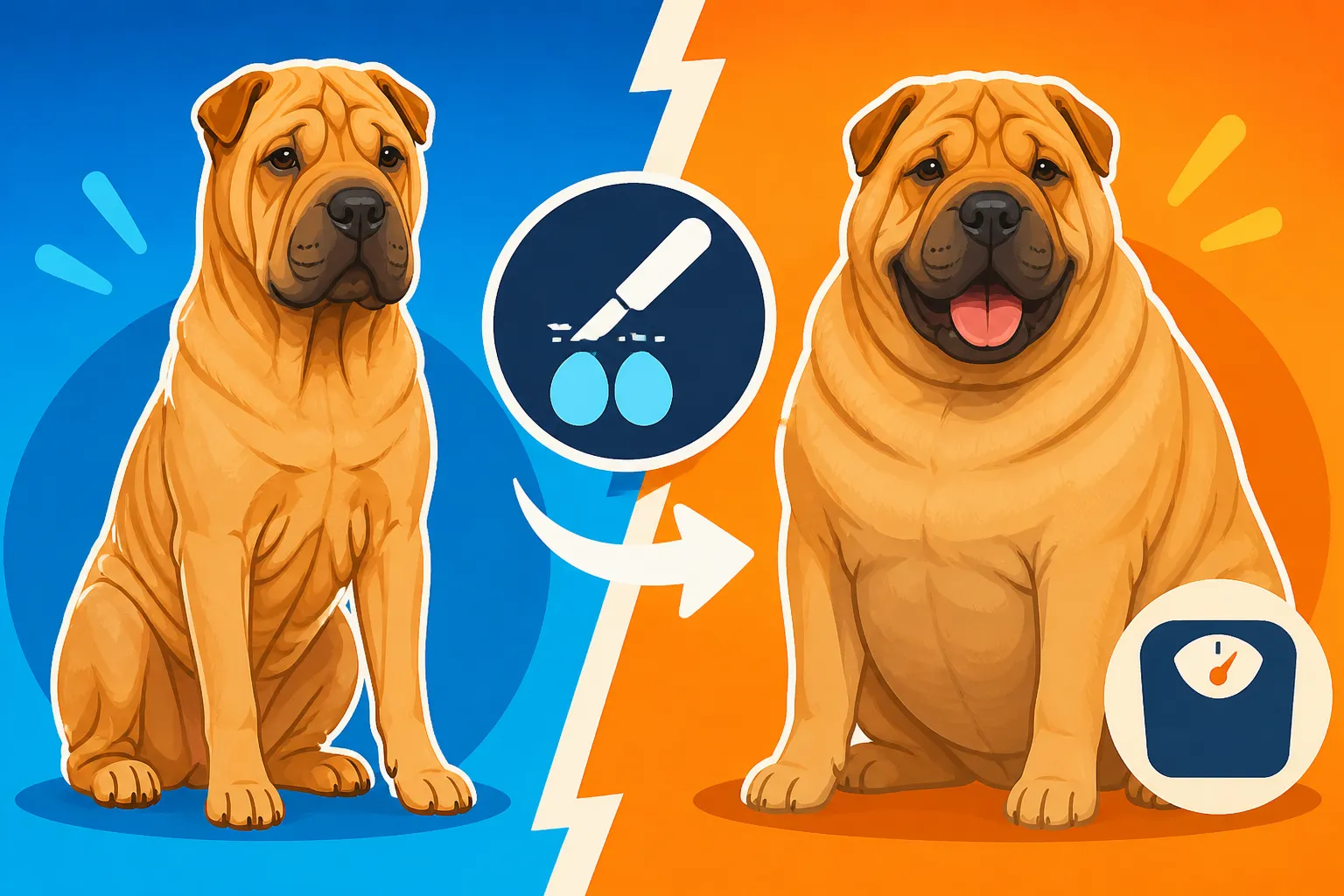
Whether a Neutered Shar Pei Gains Weight
It's a common worry for many Shar Pei owners, and frankly, a valid one: you've done the responsible thing by neutering your beloved companion, but now you're noticing a creeping softness, a little more plumpness around the middle. It feels like you traded one set of concerns for another, and it can be incredibly frustrating to see your dog's svelte figure start to disappear. This guide will walk you through why neutered Shar Peis often gain weight, how to spot the early signs, and most importantly, how to proactively manage their diet and exercise to keep them healthy and happy for years to come.
The Biological Truth About Neutering and Weight
Let's start by acknowledging the elephant in the room: yes, neutering can contribute to weight gain in dogs, and Shar Peis are certainly no exception. It's not just an old wives' tale; there are legitimate physiological changes that occur after the surgery that can make managing your dog's weight a bit more challenging. Understanding these changes is the first step in tackling the issue head-on.
Hormonal Shifts and Metabolism
When a male dog is neutered, his testes are removed, significantly reducing his testosterone levels. In females, spaying removes the ovaries, leading to a drop in estrogen. These sex hormones play a crucial role in regulating metabolism. Think of it this way: these hormones are like little cheerleaders for your dog's internal furnace, helping it burn calories efficiently. With those cheerleaders gone or significantly quieter, that furnace tends to slow down a bit.
This metabolic slowdown means that your Shar Pei might need fewer calories to maintain the same body weight as they did before neutering. It's not a dramatic drop overnight, but over weeks and months, if their food intake isn't adjusted, those unburned calories will start to accumulate as fat. For a breed like the Shar Pei, already prone to certain health sensitivities, a slower metabolism combined with unchecked weight gain can create a cascade of new concerns. It's a subtle but powerful shift, and it's why many owners find themselves scratching their heads wondering why their dog suddenly seems to pack on pounds.
Changes in Appetite and Activity Levels
Beyond the metabolic shifts, you might also notice changes in your Shar Pei's appetite and activity levels after neutering. Some dogs experience an increase in appetite, possibly due to hormonal changes that influence satiety signals in the brain. They might seem more constantly hungry, begging for food more often, or even becoming a bit obsessed with meal times. This can be particularly tough for owners who are used to their Shar Pei being a bit picky or indifferent to food.
At the same time, many dogs naturally become less active after neutering. The drive to roam, mark territory, or seek out mates diminishes, leading to a more sedentary lifestyle. For a Shar Pei, a breed that already isn't known for being a high-energy athlete, this decrease in activity can be particularly impactful. While they certainly need their daily outings, a Shar Pei isn't typically going to be an endurance runner. We often find that An Hour a Day Suits a Shar Pei, and Heat Cuts It Short, meaning their exercise needs are moderate but consistent. If their innate drive for even that moderate activity lessens, and their food intake stays the same, weight gain becomes almost inevitable.
The Shar Pei's Predisposition to Weight Issues
Our beloved Shar Peis come with their own unique set of physical characteristics and genetic predispositions that can make weight management even trickier. Their wonderfully wrinkled skin, while iconic, can actually mask early signs of weight gain. Those extra rolls might just look like more wrinkles, making it harder to visually assess their body condition. It's a common frustration to look at your Shar Pei and think they look the same, only to realize later they've added significant bulk.
Moreover, Shar Peis are unfortunately prone to certain health conditions that can be exacerbated by excess weight. Skin fold dermatitis, a painful infection that thrives in damp, warm skin folds, becomes much worse when those folds deepen and multiply with added fat. Joint issues, which can occur in any breed, are more painful and debilitating for an overweight dog. And for a breed already facing genetic challenges like Familial Shar Pei Fever and the associated risk of amyloidosis, putting extra strain on their internal organs, particularly the kidneys, is a serious concern. It's a stark reminder that Extra Weight Makes a Shar Pei's Folds Worse and can complicate almost every aspect of their health.
Spotting the Signs and Assessing Body Condition
Because a Shar Pei's wrinkles can be a clever disguise, it's absolutely essential to be proactive and informed about how to accurately assess their body condition. Relying solely on your eye can lead to missing crucial early signs of weight gain, which can then be much harder to reverse once it becomes a significant problem.
Beyond the Scales: Visual and Tactile Clues
Stepping your Shar Pei on a scale can give you a number, but that number alone doesn't tell the whole story, especially for a breed with such unique conformation. A Shar Pei's ideal weight can vary quite a bit depending on their individual build, whether they're a "bone mouth" or "meat mouth" type, and their overall size. Instead of fixating on a number, we need to get tactile and truly feel our dogs.
To do this, run your hands along your Shar Pei's sides. You should be able to feel their ribs with just a light touch, like feeling the knuckles of your hand when your palm is flat. If you have to press hard to feel them, or you can't feel them at all, your Shar Pei is likely carrying too much weight. Similarly, run your hands over their hips and tail base. You should feel a slight covering of fat over the hip bones and a smooth, but not overly padded, transition to the tail. If there's a thick layer of padding or those hip bones are completely hidden, it's a red flag. This hands-on approach is truly the best way to determine How to Feel a Shar Pei's Ribs Through Its Folds through all those wonderful layers of skin.
Observe their energy levels and how they move. Are they slower on walks? Do they tire more easily? Do they struggle to jump onto the sofa or into the car when they used to do it with ease? These subtle behavioral changes can be strong indicators that extra weight is making everyday activities more strenuous.
The Body Condition Score (BCS) for Shar Peis
Veterinarians often use a Body Condition Score (BCS) system, typically on a 1-to-9 scale (or sometimes 1-to-5), where 1 is emaciated and 9 is morbidly obese. An ideal score is usually around a 4 or 5 on the 9-point scale. Applying this to a Shar Pei requires a little nuance because of their unique build, but the principles remain the same.
Here's a simplified guide tailored for our wrinkled friends:
| Body Condition Score | Description for Shar Pei Owners | Action Needed |
|---|---|---|
| 1-2 (Underweight) | Ribs, spine, and hip bones easily visible/palpable with no fat covering. Marked waist and abdominal tuck. | Consult vet immediately. Increase food intake. |
| 3 (Lean Ideal) | Ribs easily felt with minimal fat covering. Obvious waist from above, visible abdominal tuck. Slight muscle definition. | Maintain, monitor closely. |
| 4-5 (Ideal) | Ribs easily felt with slight fat covering. Waist discernible from above, abdominal tuck present. Good muscle mass. | Maintain current diet/exercise. |
| 6-7 (Overweight) | Ribs felt with difficulty, moderate fat covering. Waist barely discernible or absent. Abdominal tuck starting to disappear. | Begin calorie reduction, increase exercise. Consult vet. |
| 8-9 (Obese) | Ribs not palpable or require heavy pressure. No waist or abdominal tuck. Obvious fat deposits over lumbar area, tail base, and neck. | Urgent vet consultation for weight loss plan, medical checks. |
Remember, with a Shar Pei, the visual aspect (waist, tuck) might be less obvious than in other breeds due to their loose skin, making the tactile assessment of ribs and hip bones even more critical. Your veterinarian can provide the most accurate assessment and guide you on where your Shar Pei falls on this scale.
The Hidden Dangers of Extra Weight for a Shar Pei
Allowing a Shar Pei to become overweight isn't just about them looking a bit "fluffy"; it introduces a host of serious health risks, some of which are particularly concerning for this breed. We touched on skin fold dermatitis earlier, but it truly is a persistent issue. When those folds become deeper and more numerous with added fat, they create perfect breeding grounds for yeast and bacteria, leading to chronic infections that can be painful, itchy, and expensive to treat. This can lead to a pervasive odor, a far cry from Whether a Shar Pei Smells When Its Skin Is Healthy.
Beyond skin issues, extra weight puts immense strain on a Shar Pei's joints. Hip and elbow dysplasia, while not as common as in some larger breeds, can still occur, and being overweight significantly worsens the pain and progression of these conditions. It can also lead to other orthopedic problems, reducing their mobility and quality of life. Internally, the heart and lungs have to work harder, and excess fat can lead to or worsen conditions like diabetes and certain types of cancer.
Perhaps most critically for our Shar Peis, excess weight can put additional strain on their kidneys, which are already vulnerable due to the breed's genetic predisposition to amyloidosis. Amyloidosis Is What Actually Kills a Shar Pei, and anything that adds stress to these vital organs can potentially accelerate disease progression or complicate management. While the primary cause of amyloidosis is genetic, maintaining a healthy weight supports overall organ function and can only benefit a Shar Pei in the long run.
Proactive Strategies to Prevent Post-Neutering Weight Gain
The good news is that you don't have to passively watch your neutered Shar Pei gain weight. With some mindful adjustments and a consistent approach, you can absolutely keep them at a healthy weight and mitigate the risks associated with those post-surgical metabolic changes. It's all about being proactive rather than reactive.
Dietary Adjustments and Calorie Control
The single most impactful change you can make is to adjust your Shar Pei's diet. It’s not about starving them; it’s about providing the right amount of calories for their new metabolic rate. Many vets recommend reducing a neutered dog's caloric intake by about 20-30% after surgery, but this is a guideline and individual needs will vary.
First, invest in a good quality dog food. Many brands offer "weight management," "light," or "senior" formulas that are lower in calories and often higher in fiber to help your dog feel full. If your Shar Pei has specific sensitivities, you might consider options designed for sensitive stomachs or limited ingredients. Platforms like Chewy and Ollie offer a wide range of specialized diets, and you can often find detailed nutritional information to compare options. When choosing, look for balanced nutrition that supports muscle mass while reducing fat.
Crucially, measure your dog's food accurately. Eyeballing it is a recipe for overfeeding. Use a dedicated measuring cup – not your own kitchen cup – to ensure consistency. If you're feeding kibble, weigh it on a kitchen scale for ultimate precision. Divide their daily allowance into two meals to help manage hunger. Remember, How Much a Shar Pei Eats in a Month is a calculation best done with precise measurements!
Don't forget about treats! They're often hidden calorie bombs. Opt for low-calorie treats, or better yet, use small pieces of steamed vegetables like carrots or green beans as healthy rewards. Limit human food scraps entirely.
Boosting Activity and Mental Stimulation
While dietary adjustments are key, increasing your Shar Pei's activity levels is equally important. We know Shar Peis aren't marathon runners, and their unique physiology, particularly their potential for overheating, means we need to be smart about exercise. What Temperature Is Too Hot for a Shar Pei needs to be a constant consideration.
Instead of trying to force long, intense runs, focus on consistent, moderate activity. Two short walks a day can be more beneficial than one long, exhausting one, especially for a breed that thrives on routine. These short walks help maintain muscle tone, burn calories, and provide valuable mental stimulation through sniffing and exploring. Consider aiming for Two Short Walks Suit a Shar Pei. If you have a yard, engage them with short games of fetch or hide-and-seek, but always supervise and ensure they don't overdo it, especially in warmer weather.
Mental stimulation is just as vital as physical exercise. Puzzle toys that dispense kibble or treats can keep your Shar Pei engaged and make them "work" for their food, burning a few extra calories and keeping their minds sharp. Training sessions, even short ones, provide mental enrichment and strengthen your bond. Remember, a bored Shar Pei might turn to overeating out of sheer lack of anything else to do.
Regular Vet Check-ups and Monitoring
Your veterinarian is your most important partner in preventing post-neutering weight gain. It’s not just about the surgery; follow-up visits are crucial to monitor their recovery and discuss their changing metabolic needs. Don't hesitate to bring up concerns about weight during these visits.
Your vet can provide specific guidance on your Shar Pei's ideal weight range and recommend a precise daily caloric intake based on their age, activity level, and body condition. They can also perform necessary blood tests to rule out other medical conditions, like hypothyroidism, which can cause weight gain independent of neutering. Signs a Shar Pei's Thyroid Is Low can be subtle and easily mistaken for post-neuter changes, so getting a definitive diagnosis is important.
Between vet visits, get into the habit of monitoring your Shar Pei's weight and body condition at home. While a regular bathroom scale might not be accurate enough for small changes, a pet scale or even careful weighing at the vet's office can track trends. Regularly performing the tactile body condition assessment (feeling the ribs, hips) will become second nature. Keeping a log of their weight and activity can help you spot trends early. You can easily find pet scales or precise measuring cups on platforms like Amazon to help with this home monitoring.
When Weight Gain Becomes a Problem: Seeking Professional Help
Despite your best efforts, sometimes weight gain can still creep up, or perhaps you've adopted an adult Shar Pei who is already carrying extra pounds. It's disheartening, but it's important not to give up. There are professionals who can help when the challenge feels overwhelming or when your dog's health is significantly impacted.
Consulting Your Veterinarian
If your Shar Pei continues to gain weight despite consistent dietary adjustments and increased exercise, or if you notice rapid weight gain, it's time for another visit to your veterinarian. They can delve deeper into potential causes beyond the typical post-neutering changes. As mentioned, hypothyroidism is a real concern for Shar Peis and can significantly impact metabolism, making weight loss incredibly difficult. Your vet can perform diagnostic tests to rule this out or to begin treatment if necessary.
They can also assess whether a more aggressive approach to diet is needed, such as a prescription weight-loss diet. These diets are specifically formulated to be lower in calories but still provide complete nutrition, often with higher fiber content to promote satiety. Your vet can guide you through the transition to such a diet and monitor its effectiveness. They may also discuss medication options in rare cases, or even refer you to a specialist if they suspect a more complex underlying condition.
Working with a Certified Canine Nutritionist
For complex cases, or if you're seeking a highly personalized approach, consulting a board-certified veterinary nutritionist can be incredibly beneficial. These specialists have advanced training in animal nutrition and can formulate a precise dietary plan tailored to your Shar Pei's individual needs, health conditions, and lifestyle. This is especially helpful if your Shar Pei has multiple health concerns—for example, managing weight while also dealing with Food Allergies in a Shar Pei or other sensitivities.
A nutritionist can analyze your dog's current diet, identify any nutritional gaps or excesses, and create a meal plan that maximizes nutrient intake while minimizing calories. They can also advise on specific supplements or dietary modifications that might support overall health during a weight loss journey. This level of expertise goes beyond what a general vet can typically provide and offers a truly customized solution for stubborn weight problems.
Long-Term Management and Lifestyle Changes
It's vital to view weight management for a neutered Shar Pei not as a temporary "diet," but as a lifelong commitment to their health and well-being. Once you've achieved a healthy weight, the goal shifts to maintaining it, which requires ongoing vigilance and consistency. The changes you've implemented – accurate food portioning, choosing appropriate foods, and regular exercise – need to become a permanent part of their routine.
As your Shar Pei ages, their metabolic rate may slow down even further, and their activity levels might naturally decrease. This means you may need to make further small adjustments to their diet or exercise routine over time. For example, Caring for a Shar Pei Past Seven often involves considering senior-specific diets and adjusting exercise to accommodate any developing joint issues. Regular check-ins with your vet, even just yearly, are crucial to ensure their diet and exercise plan remains appropriate for their current life stage.
Patience is key. Weight loss in dogs, just like in humans, is a marathon, not a sprint. Celebrate small victories, like losing a pound or seeing a bit more definition in their waist. The consistent effort you put in will directly translate to a happier, healthier Shar Pei, reducing their risk of breed-specific health problems and ensuring they can enjoy their golden years with comfort and vitality.
Disclaimer
This article is for general informational purposes only and does not constitute professional advice. Laws, prices and regulations vary by location and change over time. Consult a qualified professional for guidance on your specific situation.