Whether a Shar Pei Smells When Its Skin Is Healthy
It’s a worry I hear time and time again from new Shar Pei owners, and even some seasoned ones: "My Shar Pei smells, is that normal?" It’s a valid concern because, let’s be honest, our wrinkly friends come with a unique set of care considerations. This guide will walk you through what to expect in terms of scent from a truly healthy Shar Pei, how to differentiate that from a problematic odor, and what steps you can take to ensure your beloved companion smells as fresh as possible, or at least, like a healthy dog.
The Unique Skin and Coat of a Shar Pei
When we talk about a Shar Pei’s scent, we really have to start with their most defining characteristic: their skin and coat. This isn't just a cosmetic feature; it's a fundamental part of their biology that dictates much of their care needs, including how they smell.
Understanding the Shar Pei's Coat Texture and Density
Shar Pei are known for their distinctive coat, which typically comes in two main types: the "horse coat" and the "brush coat." The horse coat is extremely short and coarse, often described as feeling like sandpaper. The brush coat is slightly longer and softer, but still quite dense. Regardless of the type, a healthy Shar Pei coat should feel clean, not greasy or dusty, and lie relatively flat against their body, even within the folds.
Neither of these coat types inherently produces a strong, offensive odor on its own. In fact, compared to some breeds with thick undercoats or oily skin, a truly healthy Shar Pei’s coat should be relatively low-scent. The texture and density, however, can play a role in how quickly moisture might be trapped against the skin, especially in the deeper folds, which is where problems can begin. If you've got a horse coat, you might find that while it doesn't hold onto dirt as much, the irritation it can cause can lead to skin issues if not properly managed.
The Anatomy of Those Wonderful Folds
Ah, the wrinkles! They are undeniably charming and give the Shar Pei their iconic look. But from a practical standpoint, those folds are also little pockets where moisture, dirt, skin oils, and debris can accumulate. Think of them as tiny, humid microclimates on your dog's body. In a perfectly healthy Shar Pei, these folds are clean, dry, and free of irritation. They don't inherently smell.
However, the potential for issues is always there. If moisture gets trapped in a fold after a bath, a romp in the rain, or even from natural skin secretions, it creates a perfect breeding ground for bacteria and yeast. This is where that dreaded "Shar Pei smell" often originates. It’s not the folds themselves that smell; it’s what happens within them if they aren’t meticulously cared for. This is why vigilance in cleaning and drying is absolutely paramount. Every Fold on a Shar Pei Is a Place Something Grows is a topic worth exploring further if you want to dive deeper into fold care.
What a Healthy Shar Pei Should Smell Like (or Not Like)
Let's cut right to it: A healthy Shar Pei, with healthy skin and a clean coat, shouldn't have a strong, unpleasant smell. They should smell, for lack of a better term, like a dog. A clean dog, that is.
The Subtle, Natural Dog Scent
Every dog has a natural scent, and a healthy Shar Pei is no exception. This scent is usually very mild, a faint "doggy" smell that you might only notice if you bury your nose in their coat. It's not offensive, it's not overpowering, and it shouldn't linger heavily in the room after they've left. It's the smell of clean fur, healthy skin oils, and just… well, them. You might even find it comforting. This natural scent typically doesn't transfer to your furniture or clothes in an alarming way. If your Shar Pei is well-fed, regularly groomed, and free of underlying health issues, this subtle scent is what you should expect.
Distinguishing a Healthy Scent from a Problematic Odor
This is where your nose becomes your best diagnostic tool. The key is recognizing when that subtle, natural dog scent crosses into something more concerning. Any strong, persistent, or unpleasant odor is a red flag, and it's almost always indicative of an underlying issue, not just a "Shar Pei thing."
Here are some common descriptors of problematic odors and what they might signal:
- Yeasty/Moldy: This is a very common smell, often described as like old bread, corn chips, or a damp basement. It's usually a sign of a yeast infection, particularly common in skin folds, ears, or paws. Yeast thrives in warm, moist environments.
- Musky/Earthy: While a general doggy smell can be earthy, an overly strong, musky odor that seems to permeate everything can point to bacterial overgrowth or certain glandular issues.
- Fishy: A strong, fishy smell often indicates issues with anal glands. These glands can become impacted or infected, and sometimes express themselves when your dog is stressed or if there's an underlying problem.
- Rotten/Foul: This is the most alarming scent and almost always points to an active infection, an abscess, or something lodged in a fold or wound. If you smell anything akin to decay, it's an immediate call to your vet.
- Sweet/Fruity: Less common, but sometimes a sweet or fruity scent can indicate metabolic issues like diabetes, especially if accompanied by other symptoms.
- Pungent/Acrid: This can often be associated with bacterial skin infections or even certain types of dermatitis.
If you're noticing any of these odors, especially if they're localized (like coming from an ear or a specific fold), it's a clear sign that something isn't right. It’s not just "how Shar Pei smell"; it’s a signal that your furry friend needs some attention.
Factors That Contribute to Odor (Even in Otherwise Healthy Shar Pei)
Even with the best intentions and a generally healthy dog, there are environmental and care factors that can contribute to a less-than-fresh scent. Understanding these can help you proactively manage your Shar Pei's aroma.
Moisture and Humidity
This is probably the biggest culprit when it comes to Shar Pei odor. Because of their deep skin folds, these dogs are highly susceptible to moisture retention. After a bath, a swim, or even just a very humid day, if moisture gets trapped in those folds, it creates a perfect incubator for bacteria and yeast. This isn't just about surface moisture; it's about persistent dampness against the skin.
Imagine leaving a damp towel in a pile – it quickly develops a musty, unpleasant smell. The same principle applies to your Shar Pei's folds. It's not just a superficial smell; it's the start of potential skin irritation and infection. This is why thorough drying after any exposure to water is absolutely critical for a Shar Pei. Drying Is More Important Than Washing on a Shar Pei isn't just a catchy phrase; it's a fundamental truth for this breed. Even their tail fold can be a problem spot if not kept dry, trapping moisture and leading to issues.
Diet and Its Impact on Skin Health and Scent
What your Shar Pei eats can absolutely influence their skin health and, by extension, their scent. A diet that doesn't agree with them can lead to food allergies, which often manifest as skin problems, excessive oil production, or yeast overgrowth, all of which can contribute to a noticeable odor. Some dogs might be sensitive to common protein sources like chicken or beef, leading to inflammation and itching.
If your Shar Pei has persistent skin issues or an unusual odor, it might be worth discussing their diet with your vet. They might recommend an elimination diet to identify potential allergens, or suggest switching to a limited ingredient diet. Brands like Ollie often offer fresh, personalized meal plans that can be helpful for dogs with sensitivities, or you might find a wide variety of specialized foods through retailers like Chewy that cater to specific dietary needs. A high-quality diet provides the nutrients necessary for a healthy skin barrier, which is your dog’s first line of defense against external irritants and microbial overgrowth. Feeding a Shar Pei That Reacts to Its Food goes into much more detail on this topic.
Essential Grooming Practices for Odor Prevention
Consistent and proper grooming is your best defense against unwanted Shar Pei odors. It’s not just about aesthetics; it’s about preventive health.
- Regular Bathing (But Not Too Much!): While excessive bathing can strip natural oils, a routine bath with an appropriate shampoo can help manage skin flora and remove accumulated dirt and allergens. The frequency will depend on your dog's individual needs and coat type, but typically every 2-4 weeks is a good starting point for a healthy Shar Pei. Use a shampoo specifically formulated for dogs, ideally one that is gentle and moisturizing. Medicated shampoos might be prescribed by your vet if specific issues are present.
- Thorough Drying is Non-Negotiable: After every bath or wet adventure, use towels and potentially a cool-setting hairdryer to ensure every fold, especially on the face, neck, and tail, is bone dry. This is the single most important step in preventing fold dermatitis and associated odors.
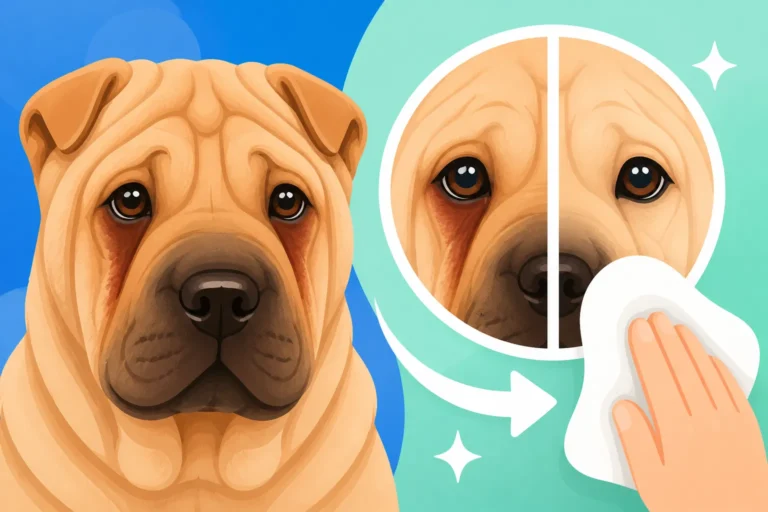
- Daily Fold Cleaning: Even if your Shar Pei isn't prone to strong odors, a quick daily wipe-down of their face and other prominent folds with a damp cloth (or specific fold wipes) can remove debris and keep them fresh. Dry thoroughly afterward. Pay particular attention to deeper folds where moisture might linger.
- Ear Care: Shar Pei have notoriously narrow ear canals, making them prone to ear infections, which are a common source of foul odors. Regular, gentle cleaning with a vet-approved ear cleaner can help. If you notice a persistent smell from their ears or they're shaking their head a lot, get it checked out promptly. A Shar Pei Has the Narrowest Ear Canals of Any Breed highlights why this is such a crucial area of care.
- Nail Trims: Overly long nails can affect gait and lead to discomfort, but they can also sometimes harbor dirt and yeast, contributing to a faint, yeasty paw smell. Regular trims keep them clean and healthy.
- Dental Hygiene: Bad breath can sometimes be mistaken for a general body odor, and poor dental health can lead to serious health problems. Brushing your Shar Pei's teeth regularly can prevent plaque buildup and keep their breath fresh.
Incorporating these practices into your routine will go a long way in keeping your Shar Pei smelling clean and healthy.
When to Worry: Signs of an Underlying Skin Issue Leading to Odor
While a healthy Shar Pei should be relatively odor-free, the breed is predisposed to certain skin conditions that will cause a smell. Knowing when to escalate your concerns to a vet is key.
Common Culprits: Yeast, Bacteria, and Allergies
The most common reasons a Shar Pei might develop an unpleasant odor are yeast infections, bacterial infections, and allergies. These are often intertwined.
- Yeast (Malassezia Dermatitis): As mentioned, yeast loves warm, moist places. In Shar Pei, this often means skin folds, ears, and paws. A yeast infection typically has a distinct sweet, musty, or corn-chip-like smell. The skin might also appear red, greasy, thickened, or have a brownish discharge, especially in the ears.
- Bacterial Infections (Pyoderma): These often occur secondary to irritation or yeast infections. Bacteria thrive when the skin barrier is compromised. Pyoderma can smell quite foul or pungent, sometimes like rotten meat. You might see red bumps, pustules, scabs, or hair loss. Skin Fold Dermatitis on a Shar Pei is a prime example of where bacterial infections can take hold.
- Allergies: Whether environmental (atopy) or food-related, allergies cause intense itching, which leads to scratching, licking, and chewing. This self-trauma breaks down the skin barrier, allowing yeast and bacteria to take over, creating that tell-tale odor. A Shar Pei with allergies might constantly itch, lick their paws, or rub their face, even without obvious visible skin lesions initially. Food Allergies in a Shar Pei is a deep dive into this particular challenge.
It's important to remember that these conditions often feed into each other. An allergic reaction causes inflammation, which creates a better environment for yeast and bacteria, which then cause more irritation and itching, and round and round it goes.
Recognizing the Red Flags Beyond Just Smell
A persistent odor is a major red flag, but it's usually not the only sign that something is amiss. Pay close attention to these additional symptoms:
- Excessive Itching, Licking, or Chewing: If your Shar Pei is constantly scratching, licking their paws, or rubbing against furniture, it's a strong indicator of skin irritation.
- Redness and Inflammation: Look for any areas of skin that appear unusually red, inflamed, or hot to the touch, particularly within the folds or around the ears.
- Hair Loss: Patchy hair loss, thinning fur, or dullness of the coat can signal skin problems, nutritional deficiencies, or hormonal imbalances like Signs a Shar Pei's Thyroid Is Low.
- Skin Changes: Keep an eye out for scabs, crusts, bumps, pustules, greasy patches, or a thickened, leathery texture to the skin. Any discharge, especially yellowish or brownish, is also concerning.
- Behavioral Changes: A dog in discomfort might become withdrawn, restless, or even irritable. They might resist being touched in certain areas.
- Changes in Coat Texture: If the coat suddenly becomes unusually greasy, dry, or brittle, it could indicate an underlying issue.
The Importance of Veterinary Consultation
If you notice any persistent unpleasant odor, or any of the accompanying red flags, it's crucial to consult your veterinarian. Don't try to self-diagnose or treat with over-the-counter remedies without professional guidance, as you could exacerbate the problem or mask symptoms of a more serious condition.
Your vet will conduct a thorough examination, which may include skin scrapes, cytology (looking at cells under a microscope to identify yeast or bacteria), fungal cultures, or allergy testing. They can accurately diagnose the cause of the odor and recommend an appropriate treatment plan, which might include medicated shampoos, topical treatments, oral antibiotics, antifungals, or dietary changes. Early intervention is always best, as many skin conditions can become chronic and more difficult to manage if left untreated. Sometimes, getting to the root cause, like identifying specific allergens, can be a long process, but it's worth it for your dog's comfort and health.
It's tempting to think that a Shar Pei is just "supposed to smell," given their unique skin. But truly, a healthy Shar Pei has a minimal, clean scent. Any deviation from that is a sign to investigate.
Comparing Healthy vs. Unhealthy Shar Pei Scent
To help you distinguish between a normal, healthy dog scent and a concerning odor, here's a quick comparison:
| Characteristic | Healthy Shar Pei Scent | Unhealthy Shar Pei Odor |
|---|---|---|
| Intensity | Very mild, subtle, barely noticeable | Strong, pervasive, noticeable from a distance |
| Type | Faint "doggy" smell, clean, natural | Yeasty, musky, fishy, rotten, sweet, acrid |
| Localization | Generally uniform across the body | Often localized (ears, folds, paws, groin) |
| Persistence | Dissipates quickly, doesn't cling | Lingers on dog, bedding, furniture |
| Associated Signs | Clean skin, no itching, healthy coat | Redness, itching, discharge, scabs, hair loss |
| Frequency | Consistent, doesn't change day-to-day | Develops over time, worsens, or is intermittent |
| Feel | Dry, non-greasy coat and skin | Greasy coat, moist folds, sticky skin |
Ultimately, your Shar Pei shouldn't smell like a persistent, unpleasant odor. If they do, it's a sign from their unique body that something needs attention. Regular care and a keen eye (and nose!) will keep your wrinkly friend happy and smelling fresh.
Disclaimer
This article is for general informational purposes only and does not constitute professional advice. Laws, prices and regulations vary by location and change over time. Consult a qualified professional for guidance on your specific situation.