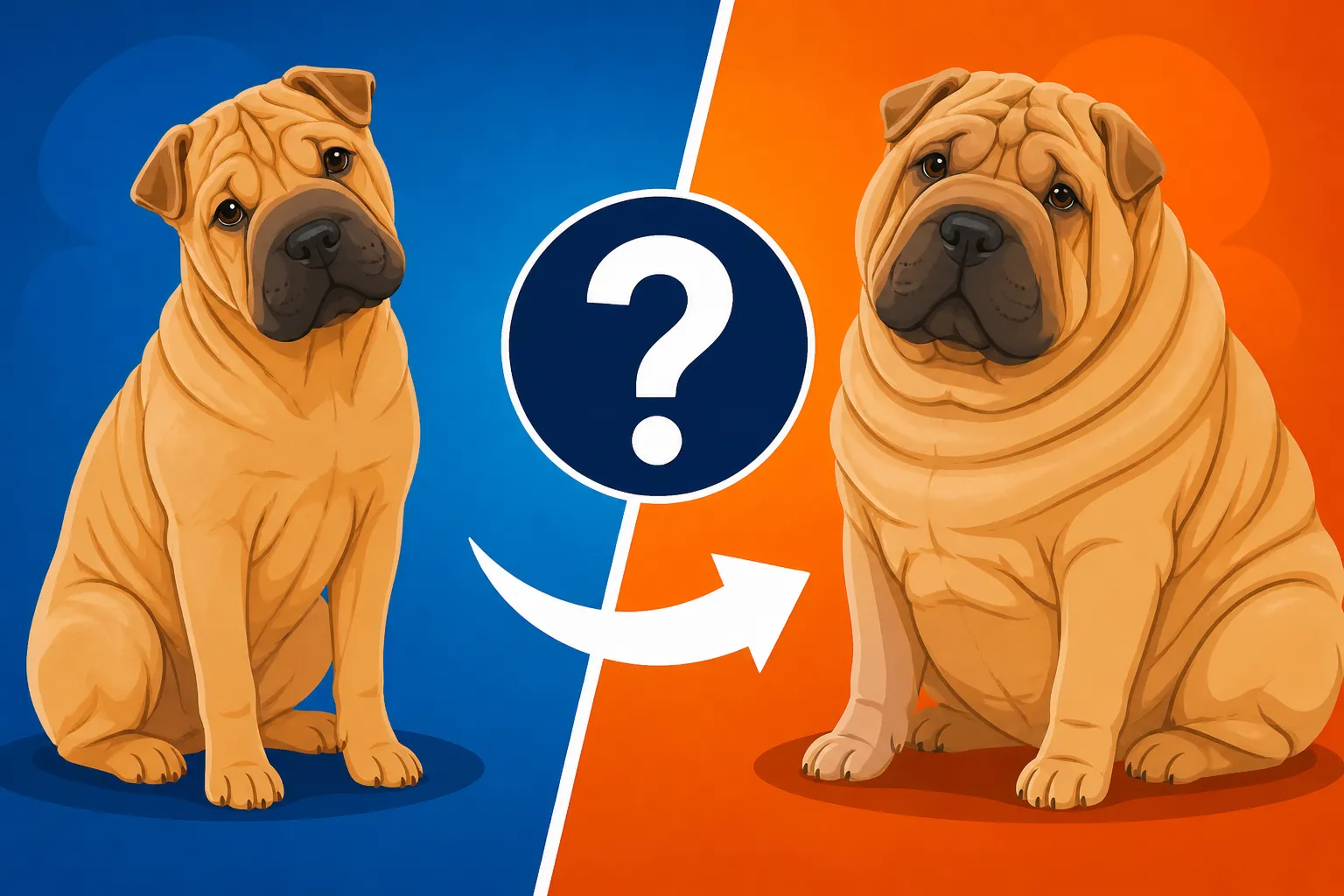
Whether Extra Weight Makes a Shar Pei’s Folds Worse
If you're a Shar Pei owner, you already know their magnificent wrinkles are both their signature charm and, let's be honest, a significant part of their unique care needs. But what happens when those beautiful folds get a little extra padding from an expanding waistline? Many of us worry about our beloved companions packing on a few pounds, and for a Shar Pei, that extra weight can really exacerbate existing skin fold challenges, creating a whole new layer of frustration and discomfort for your furry friend. This guide is here to shed light on how excess weight impacts your Shar Pei's skin, what signs to look for, and practical steps you can take to keep them healthy and comfortable.
The Intertwined Nature of Weight and Wrinkles in Shar Pei
It's easy to think of weight gain as a separate issue from skin health, but for a Shar Pei, these two aspects are intimately linked. Their genetic predisposition to abundant skin, while adorable, creates areas that are already prone to issues. When you add extra weight into that equation, you're essentially amplifying those predispositions, making it harder for your dog to stay comfortable and healthy. It's not just about aesthetics; it's about the physical mechanics of their unique physiology being put under increased strain.
How Excess Weight Aggravates Skin Folds
Imagine trying to walk around in clothing that's several sizes too small, constantly bunching and rubbing. That's a bit like what happens to a Shar Pei's skin folds when they carry too much weight. The extra adipose tissue, or fat, deposits itself not just under the skin in general, but specifically within and around those existing folds. This means the folds become deeper, thicker, and often more numerous. Think of the extra skin around their neck, chest, and face. With more weight, these areas become even more pronounced.
This increased depth and thickness leads to several problems. First, it creates more surface area for friction. As your Shar Pei moves, those deeper, fatter folds rub against each other more vigorously. This constant rubbing can irritate the skin, leading to redness, inflammation, and even hair loss in those areas. Second, deeper folds trap more moisture. Whether it's from drool, tears, humidity in the air, or even just sweat (yes, dogs do sweat, primarily through their paw pads, but moisture can still get trapped in skin folds), this damp, warm environment becomes an ideal breeding ground for bacteria and yeast. What might have been a minor irritation on a lean Shar Pei can become a full-blown skin infection on an overweight one. Third, the sheer volume of extra tissue can impede air circulation within the folds, compounding the moisture problem and preventing the skin from drying out naturally. This creates a perpetual cycle of dampness and irritation, making it incredibly difficult to keep the skin healthy. We often talk about how Every Fold on a Shar Pei Is a Place Something Grows, and with extra weight, that statement becomes even more true.
The Vicious Cycle of Inflammation and Infection
When a Shar Pei's folds are constantly irritated by friction and dampness, the skin reacts. This reaction is often inflammation, which can manifest as redness, swelling, and itchiness. Your dog might start scratching, rubbing, or even licking at these irritated areas, which only makes things worse. This self-trauma further breaks down the skin barrier, allowing bacteria and yeast, which are naturally present on the skin, to penetrate and set up an infection. These infections, often referred to as skin fold dermatitis, are uncomfortable, sometimes painful, and can produce a foul odor that no owner wants to smell. It's a clear sign that something is amiss beneath those wrinkles.
The discomfort from these inflamed and infected folds can lead to a vicious cycle. A dog in pain or discomfort is less likely to want to play, go for walks, or engage in active behavior. They might become more lethargic, preferring to lie down rather than move around. This reduction in activity means fewer calories burned, which, if their food intake isn't adjusted, inevitably leads to further weight gain. And, as we've just discussed, more weight means deeper, more problematic folds, leading to more inflammation and a higher risk of infection. It's a heartbreaking loop to watch your beloved Shar Pei fall into, knowing that their very unique appearance can become such a source of trouble when compounded by excess weight. Addressing either end of this cycle – the weight or the skin – is crucial to breaking free and helping your dog regain their comfort and vitality. For some, the cost of managing these issues can quickly add up, reminding us that preventative care is always best, particularly when you consider What a Shar Pei's Skin Costs a Year to treat.
Recognizing and Addressing Weight-Related Fold Issues
It’s one thing to know that extra weight impacts folds, but it’s another to identify the problem early on and take action. Shar Pei owners often become highly attuned to their dog’s unique skin, but even then, subtle changes can creep up on you. Being proactive and regularly checking your dog’s condition is key to preventing minor irritations from escalating into serious health concerns.
Spotting the Signs of Trouble
One of the first things you might notice if your Shar Pei is carrying too much weight, beyond the obvious visual cues of a thicker body, is a change in the condition of their skin folds. They might appear redder than usual, especially in the deeper crevices. You might see moist, shiny patches where the skin should be dry, or even a whitish, cheesy discharge that signals yeast overgrowth. A distinct, often pungent, odor emanating from the folds is a strong indicator of bacterial or yeast infection. This smell is quite different from their normal doggy scent, and once you smell it, it’s hard to ignore. A healthy Shar Pei's folds shouldn't have a strong, unpleasant smell.
Beyond visual and olfactory cues, pay attention to your dog's behavior. Are they scratching more frequently, particularly around their face, neck, or tail? Are they rubbing their face on furniture or carpeting? Licking their paws or inner thighs excessively can also be a sign of systemic itchiness that is exacerbated by skin fold issues. You might notice them being generally more uncomfortable or restless, shifting positions frequently, or even being reluctant to let you touch certain areas, especially where the folds are deepest and most irritated. Areas like the neck roll, the wrinkles around the muzzle, and even the tail base can become hotbeds for trouble when plumped up by extra weight. If you're wondering Whether a Shar Pei's Neck Roll Traps Moisture, the answer is almost certainly yes, especially with added weight.
Here’s a quick guide to what to look for:
| Indicator | Healthy Shar Pei Folds | Overweight Shar Pei Folds (with complications) |
|---|---|---|
| Appearance | Pink, dry, clean, minimal redness. | Red, inflamed, moist, often shiny. |
| Odor | Mild, neutral dog scent. | Pungent, yeasty, or bacterial smell. |
| Texture | Supple, flexible skin. | Thick, swollen, sometimes greasy or crusty. |
| Hair | Full, even coat within folds. | Thinning hair, bald patches from rubbing/licking. |
| Dog Behavior | Unbothered by folds, normal activity. | Frequent scratching, rubbing, licking affected areas; lethargy. |
| Discharge | None. | Whitish, yellow, or brown discharge. |
| Comfort Level | Generally comfortable. | Restless, irritable, reluctant to be touched. |
If you observe any of these signs, it's time to take action. Don't let your Shar Pei suffer in silence; these issues can be incredibly painful and contribute to their overall misery.
Practical Steps for Weight Management and Fold Care
Addressing weight-related fold issues requires a two-pronged approach: managing the weight itself and meticulous care of the skin folds. Start by scheduling a vet visit. Your veterinarian can accurately assess your Shar Pei's body condition score, recommend a target weight, and help you formulate a safe and effective weight loss plan. This often involves dietary adjustments, which we'll discuss in more detail shortly, and a tailored exercise regimen. Remember, any sudden changes to diet or exercise should always be discussed with your vet first.
For immediate fold care, rigorous hygiene is paramount. This means cleaning the folds regularly, often daily, especially in areas prone to dampness like the facial wrinkles, neck, and tail pocket. Use gentle, vet-approved antiseptic wipes or a dilute chlorhexidine solution (again, ask your vet for specific recommendations and dilutions). After cleaning, it is absolutely critical to dry the folds thoroughly. This isn't just a suggestion; it’s a non-negotiable step. Drying Is More Important Than Washing on a Shar Pei because moisture is the enemy of healthy skin in those deep crevices. You can gently pat the folds dry with a soft cloth or even use a hairdryer on a cool, low setting, keeping it moving to prevent burning. Some owners find that a light dusting of cornstarch or specific medicated powders (again, vet-approved) can help absorb moisture, but this should be done sparingly and only after the area is completely dry, to avoid creating a paste that traps moisture. Consistent care can help prevent Skin Fold Dermatitis on a Shar Pei from taking hold.
Consider incorporating products designed for skin fold hygiene. Many reputable pet supply retailers like Chewy or Amazon offer specialty wipes or cleansers specifically formulated for dogs with skin folds. Look for ingredients like chlorhexidine or miconazole, which have antiseptic and antifungal properties, to help keep those nasty invaders at bay. Being vigilant and consistent with this routine will not only reduce discomfort but can also help prevent the need for more intensive and costly treatments down the line.
Long-Term Strategies for a Healthier, Happier Shar Pei
The goal isn't just to manage symptoms but to create a sustainable lifestyle that supports your Shar Pei's unique needs. This means a commitment to their diet, exercise, and overall well-being. Thinking long-term helps you to avoid the cycle of recurring problems and ensures your Shar Pei can live their best, most comfortable life.
Dietary Adjustments for Weight Control
One of the most impactful changes you can make for an overweight Shar Pei is to adjust their diet. It's not about starvation; it's about smart nutrition. Work with your vet to determine the ideal calorie intake for gradual, healthy weight loss. This usually involves switching to a high-quality, lower-calorie dog food, often labeled as "weight management" or "light" formulas. These foods are designed to be filling while providing fewer calories and still maintaining essential nutrients. Protein content is important to help your Shar Pei feel satiated and to preserve muscle mass during weight loss.
Portion control is equally critical. Those extra scoops or "just a little more" can quickly derail a weight loss plan. Measure your dog's food precisely using a measuring cup or a kitchen scale. Divide their daily allowance into two or three smaller meals to help manage hunger throughout the day. If your Shar Pei is a notorious gobbler, consider a slow-feeder bowl or puzzle feeder, available widely on platforms like Amazon, to make mealtime more engaging and prevent them from eating too quickly.
Treats are often a hidden source of calories. Instead of calorie-dense biscuits, opt for low-calorie alternatives like small pieces of plain cooked chicken, green beans, or carrots. Even better, use a portion of their daily kibble as rewards for training or good behavior. Subscription meal services, such as Ollie, also offer fresh, pre-portioned meals that can be an excellent option for precise calorie management under vet guidance, and they often contain fewer processed ingredients that might contribute to skin sensitivities. Remember, Whether a Shar Pei on a Kidney Diet Will Eat It is a common concern, and the same can be true for a weight-loss diet, so patience and gradual transition are key. It's important to make these changes slowly to avoid digestive upset and ensure your Shar Pei adjusts well.
Maintaining an Active Lifestyle Safely
Exercise is vital for weight management and overall health, but for a Shar Pei, it comes with specific considerations. Their unique physical structure, including those short muzzles and extensive skin, can make them prone to overheating, especially in warm weather. This means that while regular activity is essential, it must be managed carefully.
Aim for consistent, moderate exercise rather than intense, sporadic bursts. Two shorter walks a day, say 15-20 minutes each, are often more beneficial and safer than one long, strenuous outing. Schedule walks during the cooler parts of the day – early morning or late evening – to avoid heatstroke. Always carry water for your dog and offer frequent breaks. Observe your Shar Pei closely for any signs of overheating, such as excessive panting, lethargy, or stumbling. On hot days, indoor play or mental stimulation activities might be a safer alternative to outdoor exercise. We've often covered How Much Exercise a Shar Pei Needs, and it's generally not as much as you might think for a medium-sized dog, but consistency is key.
Also, be mindful of their joints. Carrying extra weight puts additional strain on hips, elbows, and knees, potentially exacerbating conditions like arthritis, which can become more prevalent as they age. Low-impact activities like swimming (if your Shar Pei enjoys it and you can ensure proper ear and fold drying afterward) can be excellent for weight loss without stressing joints. Consider how your Shar Pei plays indoors; puzzle toys, gentle tug games, and hide-and-seek can keep them moving and mentally engaged without overexertion. Remember that a comfortable, active Shar Pei is a healthier Shar Pei. Ensuring they stay at a healthy weight will contribute significantly to their comfort and longevity.
Disclaimer
This article is for general informational purposes only and does not constitute professional advice. Laws, prices and regulations vary by location and change over time. Consult a qualified professional for guidance on your specific situation.


