Whether a Novel Protein Helps a Shar Pei
It's incredibly frustrating when you're trying your absolute best to keep your beloved Shar Pei healthy, only to see them constantly scratching, developing rashes, or having tummy troubles, and you just can't pinpoint why. You've tried different kibbles, maybe even homemade meals, and still, that persistent itch or upset stomach keeps coming back. This guide is here to walk you through whether a novel protein diet might be the key to finally bringing relief to your furry family member and explaining how to approach it effectively.
Understanding Food Sensitivities in Shar Pei
Shar Pei are magnificent dogs, but let's be honest, they come with their own unique set of health challenges, and skin issues are often at the top of that list. Many of these issues can be a result of genetics, their signature wrinkles, or even environmental factors. However, an often-overlooked culprit behind persistent itching, ear infections, and gastrointestinal upset is food sensitivity. It’s not always obvious, and it can feel like a guessing game trying to figure out what's causing your dog discomfort.
When we talk about food sensitivities or allergies in dogs, we're really talking about an adverse reaction to a food ingredient, typically a protein, that the dog's immune system mistakenly identifies as a threat. Unlike a true immediate allergic reaction (like a bee sting), food sensitivities often manifest gradually and can involve a range of symptoms, making diagnosis tricky. For a Shar Pei, whose skin is already prone to issues, these sensitivities can quickly escalate into chronic problems.
It's common for owners to assume their dog just has "bad skin" or "sensitive digestion," without realizing that the root cause might be as simple (or as complicated) as what's in their food bowl every day. The good news is, once identified, managing food sensitivities can dramatically improve your Shar Pei's quality of life, turning a perpetually itchy, uncomfortable pup into a happy, settled companion.
Common Allergens for Dogs (and Shar Pei)
When it comes to canine food sensitivities, certain protein sources tend to be the usual suspects. Over years of commercial dog food production, these proteins became staples, meaning most dogs were exposed to them regularly. Consequently, a dog's immune system, through repeated exposure, can eventually develop an adverse reaction. Think of it like a human developing a sensitivity to a common food after years of consumption.
For dogs in general, and certainly for our Shar Pei, the most common protein allergens are often beef, chicken, dairy, and wheat. Sometimes, it can also be soy or corn. These ingredients have been the foundation of countless dog food formulas for decades, making them highly prevalent in a dog's diet. If your Shar Pei has been eating a chicken-based kibble for years, and suddenly starts showing signs of discomfort, chicken might very well be the problem.
The challenge with Shar Pei is that they can be genetically predisposed to various skin issues, making it even harder to pinpoint if the irritation is environmental, genetic, or food-related. Their unique history and breeding mean they might have a narrower genetic pool, which some believe can contribute to heightened sensitivities. Understanding these common triggers is the first step in narrowing down the possibilities and providing relief.
How Food Allergies Manifest in Shar Pei Skin
The skin is often the first and most obvious battleground for food allergies in a Shar Pei, which is particularly challenging given their already sensitive dermal landscape. Unlike some other breeds where food allergies might predominantly cause diarrhea, for many Shar Pei owners, persistent, relentless itching is the primary, maddening symptom. This itching isn't just a casual scratch here and there; it can be intense, leading to excessive licking, chewing, and rubbing.
You might notice your Shar Pei constantly scratching at their ears, which can quickly lead to chronic ear infections. Their unique, narrow ear canals already make them susceptible to these, so adding a food allergy into the mix can make them a recurring nightmare. Beyond the ears, you might see redness, rashes, or hot spots developing on their belly, inner thighs, paws, or around their tail. The constant self-trauma from scratching can break the skin, making it vulnerable to secondary bacterial or yeast infections, which then compound the problem with more itching, odor, and discomfort.
Sometimes, the skin manifestations can even mimic other common Shar Pei ailments, such as mucinosis, where the skin becomes puffy or develops gelatinous blisters. While true mucinosis is a distinct condition, allergic reactions can exacerbate or mimic certain skin textures. So, when your Shar Pei's skin seems perpetually angry, with redness, scales, hair loss, and an oily or greasy feel, it’s a strong signal that food could be playing a significant role in their discomfort. It's truly heartbreaking to watch them suffer, and finding the right approach to soothe their skin becomes a top priority. Skin Is the Shar Pei's Largest Problem by Surface Area is a good read on how extensive these issues can be.
Differentiating Food Allergies from Other Issues
This is where things get really tricky, and why so many Shar Pei owners can feel like they're endlessly chasing symptoms. Many of the signs of food allergies, particularly skin issues, overlap with other common Shar Pei health problems. For instance, environmental allergies (atopy) also cause intense itching, redness, and recurrent ear infections. Your dog might be reacting to pollen, dust mites, or certain grasses, and distinguishing this from a food allergy can be a real puzzle.
Then there are breed-specific skin conditions. Shar Pei are notorious for Skin Fold Dermatitis on a Shar Pei, which occurs when moisture and bacteria get trapped in their deep skin folds, leading to irritation and infection. While food allergies can worsen this by making the skin generally more reactive, the fold dermatitis itself is a structural issue. We also see conditions like Whether a Shar Pei Gets Demodectic Mange, a mite infestation that also causes itching and hair loss, but requires an entirely different treatment approach.
Another example is a condition like What Cutaneous Mucinosis Is, where the skin develops a thickened, sometimes blistered appearance due to an overproduction of mucin. While this can look alarming, it's not a food allergy. It’s crucial to work with your veterinarian to rule out these other conditions first, or at least concurrently. Diagnostic tests might include skin scrapes for mites, cytology for yeast or bacteria, and potentially even allergy testing for environmental allergens, before embarking on a rigorous food elimination trial. Without properly differentiating, you could be spending a lot of time and money on a diet change that doesn't fully address the underlying cause.
What Exactly is a Novel Protein?
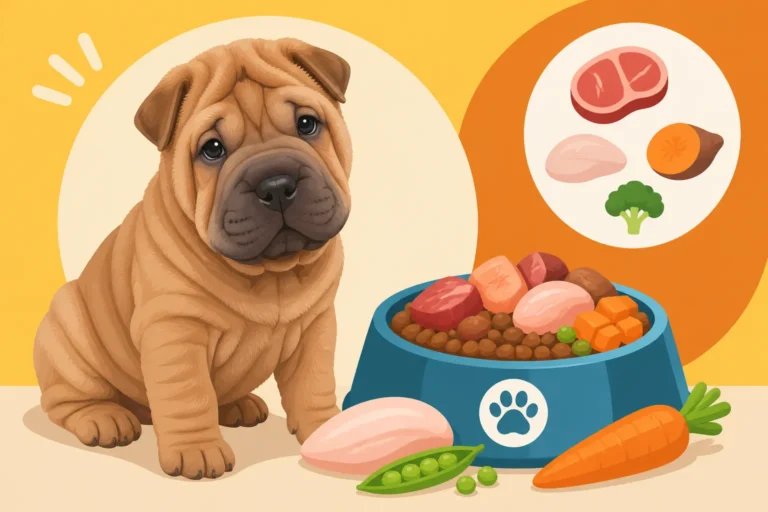
So, if traditional proteins are often the problem, what's the solution? Enter the "novel protein." The concept is simple yet powerful: if your dog's immune system has developed a reaction to common proteins like chicken or beef, then feeding them a protein they've never encountered before should theoretically allow their immune system to calm down and stop reacting. It's all about introducing something entirely new and "novel" to their diet, giving their body a much-needed break from the usual irritants.
This isn't just a marketing buzzword; it's a cornerstone of diagnosing and managing food sensitivities in dogs. When you think about it, most commercial dog foods for decades relied on a very limited palette of ingredients. Chicken, beef, and lamb were ubiquitous. If your Shar Pei has been fed variations of these proteins for its entire life, the likelihood of an immune response developing increases significantly.
The beauty of a novel protein lies in its unfamiliarity. For an immune system that's been on high alert, constantly reacting to perceived threats in common food, a novel protein is a blank slate. It provides the necessary nutritional building blocks without triggering the inflammatory response that leads to those uncomfortable symptoms. This allows their body to reset and heal, particularly their gut and skin barrier, which are often compromised by chronic inflammation.
The Concept Behind Novel Proteins
The core idea behind using novel proteins is to bypass the allergic reaction altogether. When a dog has a food allergy, their immune system produces antibodies to specific proteins in their diet. Each time they consume that protein, the antibodies trigger an inflammatory response, leading to symptoms like itching, gastrointestinal upset, or chronic infections. It's like their immune system has a "blacklist" of certain ingredients.
By introducing a protein source that your Shar Pei has never eaten before – a novel protein – you're essentially offering something that isn't on that blacklist. The immune system hasn't had the opportunity to develop antibodies against it, so it shouldn't trigger a reaction. This gives the dog's body a chance to recover from the chronic inflammation and irritation. It's not about making the dog less allergic, but about avoiding the allergen entirely.
This approach is highly effective because it directly addresses the cause of the reaction rather than just trying to manage the symptoms with medications. While anti-itch medications or antibiotics might offer temporary relief, if the underlying food sensitivity isn't addressed, the symptoms will almost certainly return once the medication wears off. A novel protein diet aims for a more sustainable, long-term solution by fundamentally changing what goes into your dog's system.
Examples of Novel Protein Sources
When you're trying to find a novel protein for your Shar Pei, you need to think outside the traditional poultry and beef box. The goal is to find something your dog has truly never eaten before, which can sometimes require a bit of detective work on ingredient labels. Common examples of novel protein sources include:
- Duck: Often found in limited ingredient diets, duck is a popular choice because it's less commonly used as a primary protein in many mainstream kibbles.
- Venison: This is another excellent option, often lean and rich in nutrients, and rarely found in budget-friendly, everyday dog foods.
- Rabbit: Becoming more widely available, rabbit is a good choice for highly sensitive dogs, as it's a very lean protein.
- Kangaroo: This is about as "novel" as it gets for most North American dogs. It's often reserved for the most severe allergy cases or when other novel proteins have been tried.
- Alligator: Similar to kangaroo, alligator is an exotic protein used in specialized diets for dogs with extensive sensitivities.
- Pork: While common for humans, pork has historically been less common as a primary protein in dog food compared to chicken or beef, making it a potential novel protein for some dogs.
It's crucial to remember that what counts as "novel" depends entirely on your individual Shar Pei's dietary history. If your dog happened to eat a duck-based treat once, then duck might not be truly novel for them. Always check past food ingredients carefully. You might find a good selection of these unique protein options on platforms like Chewy or Amazon, as they tend to carry a wider range of specialized diets than local grocery stores. Many premium brands, and even fresh food services like Ollie, are now incorporating novel proteins into their limited ingredient recipes to cater to the growing number of dogs with sensitivities.
The Role of Limited Ingredient Diets (LID)
When embarking on a novel protein trial for your Shar Pei, it's not just about the protein itself; the entire food formulation matters. This is where Limited Ingredient Diets, or LIDs, come into play and why they are almost always recommended hand-in-hand with novel proteins. An LID is precisely what it sounds like: a dog food with a minimal number of ingredients, usually featuring a single novel protein source and a single carbohydrate source.
The philosophy behind an LID is to reduce the overall number of potential allergens or irritants. Think about it: if your Shar Pei is reacting to chicken, but their kibble also contains corn, soy, artificial colors, and various fillers, how can you be sure the chicken is the only culprit? An LID strips down the diet to its bare essentials, making it much easier to isolate the specific ingredient causing the problem. This means you'll typically see a novel protein like venison or duck paired with a less common carbohydrate like sweet potato, green peas, or quinoa, rather than corn or wheat.
These diets are carefully formulated to still provide complete and balanced nutrition, but with a deliberate focus on simplicity. This precision in formulation helps to ensure that your Shar Pei isn't accidentally exposed to hidden allergens or ingredients that might complicate the elimination process. When you're dealing with a potentially sensitive Shar Pei, simplicity and predictability in their diet are your best friends. Whether a Shar Pei Needs a Limited Ingredient Diet goes into more detail about how these diets work.
Implementing a Novel Protein Diet for Your Shar Pei
Okay, so you've learned about novel proteins and limited ingredient diets. Now, how do you actually put this into practice for your Shar Pei? This isn't a quick fix or something to take lightly. An elimination diet, which is the process of using a novel protein, requires discipline, patience, and a very strict adherence to the new food. It's a diagnostic tool as much as it is a treatment, and its success hinges on your commitment to the process.
The most important thing to remember is that every single morsel that enters your Shar Pei's mouth during this trial period must be accounted for and be part of the novel protein diet. This means no sneaking treats, no table scraps, no flavored toys, and absolutely no other dog's food. Even a small piece of chicken dropped on the floor or a chew stick with a beef flavor can ruin the entire trial and send you back to square one, prolonging your Shar Pei's discomfort.
It's a huge undertaking, especially when you're used to showering your dog with various foods and treats. But the potential relief and improvement in your Shar Pei's health are absolutely worth the effort. It requires a household-wide commitment, so make sure everyone who interacts with your dog understands the rules of the elimination diet.
The Elimination Diet Process
The elimination diet is the gold standard for diagnosing food allergies, and it must be done correctly to yield reliable results. Here's a general step-by-step approach:
- Consult Your Veterinarian: Before changing anything, talk to your vet. They can help rule out other conditions (like parasites, mange, or environmental allergies) and guide you on selecting the most appropriate novel protein and LID for your Shar Pei. They might recommend specific brands or formulas.
- Choose Your Novel Protein: Based on your Shar Pei's diet history, select a protein they have never eaten before. If they've had duck, choose venison. If venison is out, try rabbit. The less common, the better for a true trial. This is where carefully reviewing past food labels, including treats and chews, is critical.
- Introduce the New Diet Exclusively: This is the most crucial step. For a period of 8-12 weeks, your Shar Pei must only eat the chosen novel protein, limited ingredient food. No exceptions. This means no treats, no dental chews, no flavored medications (unless approved by your vet as non-allergenic), and absolutely no human food. If you need treats for training, use small pieces of the novel protein kibble or specially formulated single-ingredient novel protein treats (e.g., dehydrated rabbit). How Long an Elimination Diet Takes on a Shar Pei will give you more context on the duration.
- Monitor Symptoms: Keep a detailed log of your Shar Pei's symptoms. Note daily itching levels, skin redness, ear discharge, paw licking, stool quality, and any changes in energy or behavior. Pay attention to improvements. It can take several weeks to see a noticeable change, as the old allergens clear out of their system and inflammation subsides.
- Reintroduction (The "Challenge"): If your Shar Pei's symptoms significantly improve or resolve during the 8-12 weeks, congratulations! You've likely found a food allergy. The next step, often called the "challenge," involves reintroducing small amounts of the original protein you suspected (e.g., chicken) into their diet for a few days. If symptoms return, you've confirmed the allergy. If no symptoms reappear, you can try another suspected allergen. If symptoms don't return after challenging with a few previously suspected proteins, then you might be dealing with something other than a food allergy or a reaction to another ingredient. This step can sometimes be skipped if the improvement is dramatic and the owner is happy to simply stick to the novel protein diet long-term.
Reading Labels and Sourcing Novel Proteins
Navigating the world of dog food labels, especially for novel proteins, can feel like deciphering a secret code. But it's absolutely vital for the success of your Shar Pei's elimination diet. Manufacturers often include "hidden" ingredients, or cross-contamination can occur in processing, so you need to be a diligent detective. Look for clear statements like "single protein source" or "hypoallergenic formula."
When scrutinizing labels, don't just look at the main protein. Check every single ingredient, including fats (e.g., "chicken fat" would contain chicken protein), flavorings ("natural flavors" can hide anything), and even vitamins or minerals that might be derived from common allergens. Ideally, the ingredient list should be short and transparent. You're looking for a specific novel protein (like duck or venison) paired with a simple carbohydrate (like sweet potato) and minimal other ingredients.
Finding these specialized diets might require looking beyond your local supermarket. Online retailers like Chewy and Amazon are excellent resources because they often stock a much broader range of prescription or specialized limited ingredient diets featuring novel proteins. You can filter by protein source, brand, and ingredient list. Sometimes, your veterinarian might carry specific brands or have access to veterinary-exclusive diets that are rigorously controlled for cross-contamination. Fresh food services such as Ollie sometimes offer limited ingredient recipes with novel proteins, but you'd still need to ensure all ingredients align with your elimination plan. Remember, quality control matters immensely to avoid accidental allergen exposure.
Patience and Persistence are Key
I cannot stress this enough: an elimination diet for a Shar Pei with suspected food sensitivities is a marathon, not a sprint. It takes immense patience and unwavering persistence from your side. You won't see results overnight. It can take weeks, often 8 to 12 weeks, for the previous allergens to completely clear your dog's system and for the inflammation and resulting symptoms to subside. Imagine years of constant irritation – that doesn't just vanish in a few days.
During this period, it's easy to get discouraged. You might see minor improvements, then a flare-up, and doubt if it's working. This is why meticulous record-keeping of your Shar Pei's symptoms is so important. Looking back at a log of daily itching scores or ear redness can show you a gradual but steady improvement that might not be obvious day-to-day. Don't give up too soon! Many owners stop prematurely, missing the full benefit of the trial.
Consistency is paramount. Every family member, every pet sitter, every friend who might interact with your Shar Pei needs to be onboard and understand the strictness of the diet. Even a tiny forbidden treat can set back the progress by weeks. If you're struggling, lean on your vet for support. They can offer encouragement and help you stay on track, or troubleshoot if you're truly not seeing any improvement. Your Shar Pei is relying on your commitment to feel better.
Potential Benefits and Considerations
So, if you go through all this effort, what can you expect? The benefits of a successful novel protein diet for your Shar Pei can be transformative. Imagine a dog that isn't constantly scratching, isn't developing painful skin infections, and doesn't have chronic digestive upset. This isn't just about symptom relief; it's about a fundamental improvement in their comfort and well-being. A happier, healthier Shar Pei means a happier owner!
Beyond the obvious relief from itching and tummy troubles, you might notice other positive changes. Their coat could become shinier and healthier, their energy levels might improve, and they might even become more engaged and playful now that they're not constantly distracted by discomfort. For Shar Pei, whose life is often punctuated by veterinary visits for skin and ear issues, a successful diet change can significantly reduce the frequency and cost of these visits. What a Shar Pei's Skin Costs a Year can give you an idea of how much these issues can add up.
However, it's also important to have realistic expectations and understand that a novel protein diet isn't a magic bullet for every single issue your Shar Pei might face. It's a powerful tool, but it addresses a specific problem: food sensitivity. There are other conditions that might need different approaches, and sometimes, a food allergy can coexist with other problems.
When a Novel Protein Diet Might Not Be the Answer
While novel protein diets are incredibly helpful for food allergies, it's crucial to understand they won't solve every problem your Shar Pei might encounter. If your Shar Pei's symptoms don't improve after a strict, extended elimination diet, it's a strong indication that something else is at play. This doesn't mean you failed; it just means you've successfully ruled out food as the primary cause of these specific symptoms.
The most common alternative culprits for itching and skin issues are environmental allergies, also known as atopy. Dogs can be allergic to pollen, dust mites, molds, and various other airborne allergens, just like people. Symptoms of environmental allergies often mimic food allergies very closely, leading to chronic itching, paw licking, and recurrent ear infections. Your Shar Pei's itching might be seasonal, for example, which is a strong hint towards environmental factors rather than food. Whether a Shar Pei's Itching Is Seasonal can help you discern this.
Other possibilities include parasitic infestations like fleas or mites (even if you don't see them), bacterial or yeast infections that have become chronic and need specific medical treatment, or even hormonal imbalances like hypothyroidism, which can impact skin health. Sometimes, it can be a combination of issues, where a food allergy makes your Shar Pei more susceptible to environmental allergens or infections. This is why professional veterinary guidance is indispensable throughout the process.
Working with Your Veterinarian or a Veterinary Dermatologist
I really can't emphasize this enough: please, please, please work closely with your veterinarian throughout this entire process. Self-diagnosing and attempting a novel protein diet on your own, especially with a breed as complex as the Shar Pei, can be frustrating, ineffective, and potentially even harmful if you overlook other serious conditions. Your vet is your most valuable partner in this journey.
A general practice veterinarian can help you rule out other causes of itching and digestive upset through tests like skin scrapes, cytology, blood work, and deworming. They can also guide you in selecting a truly novel protein based on your dog's history and ensure the diet is nutritionally complete. If your Shar Pei's case is particularly stubborn or complex, your vet might recommend a referral to a veterinary dermatologist. These specialists have advanced training in skin conditions and can offer more specialized diagnostic tools, such as intradermal skin testing for environmental allergies or skin biopsies.
A veterinary dermatologist can be a game-changer for chronic cases, providing expert insight into the nuances of canine skin health and allergies. While a What a Shar Pei's Dermatology Referral Costs is an additional expense, the long-term relief and accurate diagnosis can save you money and heartache in the long run. They can distinguish between food allergies, environmental allergies, and other dermatological issues with a precision that's hard to achieve otherwise. Don't hesitate to seek their expertise if you feel like you're hitting a wall.
Long-Term Management and Reintroduction Challenges
Once you've successfully identified a novel protein diet that works for your Shar Pei, the long-term management becomes about consistency and careful reintroduction (if desired). Many owners choose to simply stick with the successful novel protein diet indefinitely, especially if their dog thrives on it. This is often the simplest and safest route to ensure continued comfort and symptom control.
However, if you want to explore introducing other proteins back into your Shar Pei's diet, perhaps to broaden their food options or for variety, you need to do so very systematically. This is where the "challenge" phase comes in again. You'd introduce one new protein at a time (e.g., a small amount of chicken, assuming that was a suspected allergen) for about a week, and then monitor your Shar Pei closely for any return of symptoms. If symptoms return, you know that protein is an allergen. If no symptoms, you can try another. This slow, methodical approach helps you identify specific triggers without causing a full-blown relapse.
Remember that Whether Treats Ruin a Shar Pei's Elimination Diet is a critical consideration. Any treat you offer must be made from the novel protein or a known safe ingredient. Cross-contamination in manufacturing can be a problem, so be vigilant with ingredient labels on everything. It's a lifelong commitment to careful management, but the reward is a significantly happier and healthier Shar Pei, free from the constant irritation and discomfort they once endured.
| Protein Type | Common Sources | Use Cases for Shar Pei with Sensitivities | Considerations |
|---|---|---|---|
| Common Proteins | Chicken, Beef, Lamb, Dairy, Egg, Wheat, Soy, Corn | Mainstay of most commercial dog foods; often implicated in food allergies. | High likelihood of previous exposure and potential allergic reaction. |
| Novel Proteins | Duck, Venison, Rabbit, Kangaroo, Alligator, Pork | Excellent for elimination diets to diagnose and manage food sensitivities. | Requires careful selection based on dog's dietary history; often found in LIDs. |
Disclaimer
This article is for general informational purposes only and does not constitute professional advice. Laws, prices and regulations vary by location and change over time. Consult a qualified professional for guidance on your specific situation.