The Household a Shar Pei Was Built For
Bringing a Shar Pei into your life can feel like welcoming a furry enigma wrapped in a puzzle of wrinkles. Many prospective owners are charmed by their unique look but quickly find themselves overwhelmed by the breed's distinct needs and personality, leading to frustration and misunderstandings about why their new family member isn't quite fitting in. This comprehensive guide will peel back the layers of the Shar Pei's nature, helping you understand the specific kind of household environment and lifestyle where these incredible dogs truly flourish, saving you from common pitfalls and fostering a lifelong bond.
Understanding the Shar Pei's True Nature: More Than Just Wrinkles
Before you even think about the size of your yard or the age of your kids, you need to grasp the fundamental personality of a Shar Pei. These aren't your typical golden retrievers, eager to please and greet every stranger. Their history has molded them into a very specific kind of companion, and understanding that is the first step to a harmonious home.
The Ancient Role: Guard Dog, Not Social Butterfly
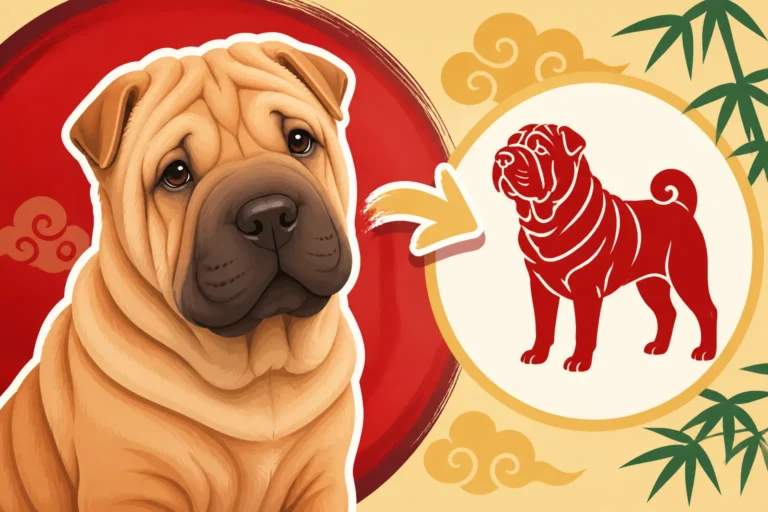
Historically, the Shar Pei was not bred to be a cuddly lapdog or a gregarious greeter at the door. Their origins lie in ancient China, where they served as all-around working dogs, fulfilling roles as hunters, herders, and most importantly, vigilant guardians of homes and livestock. This formidable past means that the modern Shar Pei carries a deep-seated instinct to observe, protect, and be wary of anything or anyone perceived as an intruder or a threat. This isn't aggression for aggression's sake; it's a natural inclination to be cautious and reserved.
This ingrained protective nature means that a Shar Pei isn't likely to be the life of the party at a dog park or the kind of dog that enthusiastically welcomes every new face with a wagging tail. They are often aloof with strangers, preferring to observe from a distance rather than engage in boisterous introductions. They might tolerate a polite pat once they've deemed someone non-threatening, but don't expect instant adoration. Understanding that A Shar Pei Was Bred to Guard, Not to Greet is crucial, as trying to force them into a more outgoing role will only cause stress for both you and your dog. Their loyalty, once earned, runs deep, but it's often reserved for their chosen few.
Their original purpose as a guardian meant they needed to be independent thinkers, capable of making decisions without constant human direction. They weren't bred to follow commands blindly in a fast-paced environment; rather, they were meant to be alert and discerning. This independence often translates into a dog that isn't overly clingy but instead enjoys being near their people, quietly watching over them. If you're looking for a shadow that constantly demands attention, a Shar Pei might surprise you with their self-possessed demeanor. Knowing What a Shar Pei Was Originally Bred to Do helps explain why they aren't always looking to you for every instruction or reassurance.
The One-Person Dog Myth and Reality
There's a common perception that Shar Pei are strictly "one-person dogs," forming an unbreakable bond with only one individual in the household. While it's true they often show a distinct preference or deeper connection to one primary caregiver, this doesn't mean they can't love and respect an entire family. Their loyalty is typically extended to everyone they consider part of their immediate "pack," though the intensity of that bond might vary. They often choose one person to be their ultimate confidant and protector, but they will still be affectionate and protective of other family members.
This unique bonding style means they often reserve their most overt displays of affection for their inner circle. You might find your Shar Pei following you from room to room, settling at your feet, or gently nudging for attention when you're alone together. For children or other adults in the home, the Shar Pei's affection might manifest as quiet presence, a shared glance, or a willingness to engage in a familiar game. Learning How a Shar Pei Bonds to Its Family involves understanding these subtle cues, as their expressions of love are often less theatrical than some other breeds. It's a deep, abiding loyalty that is felt more than overtly displayed.
The idea of The One Person Streak in a Shar Pei often stems from their protective instincts. They tend to see their primary caregiver as the leader of their pack, and thus, someone to be fiercely guarded. This can sometimes lead to resource guarding tendencies or a reluctance to let others interfere with their chosen person. It's vital for all family members to be involved in training and care from a young age, so the dog learns to respect and respond to everyone. Consistency across the household prevents the Shar Pei from developing an overly exclusive attachment that could lead to issues with other family members feeling secondary or even being viewed as a rival for attention.
A Quiet Observer with Limited Vision
One of the most defining physical traits of the Shar Pei, their deeply set eyes and wrinkled brows, actually impacts their worldview significantly. They simply don't have the peripheral vision that many other breeds enjoy. This isn't just a minor inconvenience; it's a fundamental aspect of how they perceive their environment and interact with it. Because they can't easily see things approaching from their sides or directly behind them, they are naturally prone to being startled. Imagine living in a constant state of mild tunnel vision – you'd be more on edge too!
This limited field of vision has profound implications for how they should be approached, especially by strangers or children. A sudden touch or sound from an unseen angle can trigger a defensive reaction, not because the dog is inherently aggressive, but because they are genuinely surprised and feel threatened. This is why it's incredibly important to always approach a Shar Pei from the front, speaking to them calmly and clearly so they know you're there. Teaching everyone in the household, and guests, this simple rule can prevent many unnecessary incidents. Understanding Why a Shar Pei Startles: It Cannot See You Coming is paramount to respectful interaction and ensuring everyone's safety.
Their unique facial structure means that Why a Shar Pei's Field of Vision Is Narrow is not something that can be trained away; it's a physical reality. As a result, they tend to turn their whole head to survey a scene, rather than just shifting their eyes. This makes them appear thoughtful and observant, which they are, but it also means they need more time to process visual information. In a busy household, this might mean they take a moment longer to react to someone entering a room or another pet moving past them. Patience and predictability are your best friends when living with a Shar Pei, giving them the space and time they need to register their surroundings without feeling ambushed.
The Physical Space: What Kind of Home a Shar Pei Thrives In
Beyond their unique personalities, the physical characteristics of a Shar Pei also dictate the kind of environment that best suits them. Their moderate size, guarding instincts, and particular sensitivities to temperature mean that not every living situation will be ideal.
Apartment Living vs. House with a Yard
Despite their muscular build and ancient heritage, Shar Pei are surprisingly adaptable to various living arrangements, including apartments. They are not high-energy dogs that require hours of intense running or constant outdoor activity. An hour a day of walking, broken into two or three shorter outings, is usually sufficient to meet their exercise needs. Indoors, they tend to be calm and self-contained, often content to nap near their people. This makes them good candidates for urban living, provided their human companions are committed to providing those consistent daily walks.
However, if you do live in an apartment, it becomes even more crucial to ensure their socialization is top-notch and their outdoor time is managed. Encounters with other dogs and strangers are more frequent in dense living environments. A well-socialized Shar Pei can navigate these situations with aplomb, but an undersocialized one might become reactive or fearful. For apartment dwellers, a robust training regimen and a routine that includes mental stimulation are non-negotiable. Furthermore, while they don't need a huge yard, a securely fenced outdoor space can be a wonderful bonus for mental enrichment, allowing them to patrol and observe their territory on their own terms.
For those with a house and a yard, the same rules apply regarding exercise and mental stimulation. However, a yard offers a valuable extension of their territory, which their guarding instincts will appreciate. It's absolutely critical that any yard is secure, with fences high enough and sturdy enough to contain a determined and intelligent dog. A Shar Pei's independent streak, combined with their territorial nature, means they can become escape artists if not properly secured. They might view a weak fence as an invitation to expand their patrol or chase a perceived threat. So, while Whether a Shar Pei Suits an Apartment is a yes, a secure home, whatever its size, is paramount.
Climate Considerations: Battling the Heat
One of the most significant factors in providing a suitable home for a Shar Pei is climate. These dogs are generally not built for extreme heat or humidity. Their relatively short muzzles (even the "meat mouth" type, which is fuller) can make them somewhat brachycephalic, meaning they don't cool as efficiently as breeds with longer snouts. Combined with their dense, often coarse coat, they can overheat very quickly, even during moderate activity on a warm day. This isn't just about comfort; it's a serious health concern that can rapidly become life-threatening.
If you live in a hot climate, a Shar Pei needs constant access to air conditioning indoors, and their outdoor exercise must be carefully scheduled for the coolest parts of the day, typically dawn and dusk. Midday walks are absolutely out of the question. You'll need to be vigilant for signs of overheating, such as excessive panting, lethargy, or stumbling. Access to fresh water at all times is also crucial. Owners in warmer regions might invest in cooling mats, raised beds, or cooling vests (though ensure the vests don't trap heat against their skin). Heat Management Is Daily Work With a Shar Pei and should be treated as a primary care responsibility.
Conversely, while they generally tolerate cold better than heat, a horse-coat Shar Pei (which has a very short, prickly coat) might feel the chill more intensely than a brush-coat. In frigid temperatures, they might appreciate a warm coat for outdoor excursions, especially if they are older or have less body fat. The bottom line is that their physical comfort and safety are heavily influenced by ambient temperatures, and your household environment must be equipped to manage this effectively. You can find a range of cooling products and warm gear on sites like Chewy that can help keep your Shar Pei comfortable year-round.
The Importance of a Secure Territory
Given their historical role as guardians, the concept of "territory" is deeply ingrained in a Shar Pei's psyche. They are naturally inclined to protect their home, their yard, and their family, viewing them as their personal domain. This means that a secure perimeter around your property isn't just about preventing escapes; it's about giving your Shar Pei the confidence and clarity to understand the boundaries of what they are expected to protect. Without clear boundaries, they can become anxious or over-protective.
This territorial instinct often manifests as guarding behaviors around entry points, such as doors and gates. They might bark or position themselves between you and a perceived outsider. This isn't necessarily a sign of aggression, but rather their attempt to alert you and control the situation. Proper training is essential to manage these behaviors, teaching them that you are the ultimate authority figure and you will handle visitors. This involves teaching a "place" command or sending them to a designated spot when someone arrives, giving them a job and reassurance. Remember that Why a Shar Pei Guards Its Food and Its Doorway is part of their innate makeup, and it needs to be managed with understanding and consistent training, rather than punished.
A secure yard means fences that are not only tall but also difficult to dig under. Shar Pei can be surprisingly agile and persistent. Invisible fences are generally not recommended for a Shar Pei, as they rely on a negative deterrent that may not be strong enough for their independent nature, and they don't prevent other animals or people from entering your property, which can lead to frustrating situations for a guarding breed. A physical barrier provides a much clearer boundary and a sense of security for both the dog and the homeowner.
Integrating a Shar Pei into a Family with Children
The question of how a Shar Pei fits into a family with children is one that requires careful consideration. They are not universally suitable for every household dynamic, and success hinges largely on the age of the children, the family's commitment to training, and unwavering supervision.
Navigating Interactions with Younger Kids
Introducing a Shar Pei into a home with toddlers or very young children can be challenging and is generally not recommended for first-time owners. The Shar Pei's natural reserve, coupled with their limited peripheral vision, means they can be easily startled by sudden movements, loud noises, or unpredictable interactions typical of small children. A child's impulsive hug, a playful pull of an ear, or an unexpected stumble onto the dog could result in a defensive snap, not out of malice, but out of fear or surprise. It's critical to understand that even the most well-behaved dog has a breaking point, and a Shar Pei's specific physical and behavioral traits make them less tolerant of typical toddler behavior than some other breeds.
Constant, vigilant supervision is non-negotiable when a Shar Pei and young children are in the same space. There should never be a moment when they are left alone together, even for a second. This isn't about blaming the dog or the child; it's about recognizing the inherent risks. Teaching children how to interact respectfully with a dog – gentle pets, no grabbing, understanding body language – is vital, but younger children simply lack the cognitive ability for consistent self-control. Creating safe spaces for the dog, such as a crate or a separate room, where they can retreat from overstimulation, is also crucial. For a deeper understanding of what's involved, explore A Shar Pei With Children in the House.
Furthermore, children need to understand the Shar Pei's guarding instincts. These dogs can be prone to resource guarding, meaning they might protect their food bowl, toys, or even their favorite resting spot. Young children, who often don't understand the concept of personal space or "mine," can inadvertently trigger these behaviors. Managing this requires diligent training from puppyhood to teach the dog to happily relinquish items, alongside teaching children to never disturb a dog while it's eating, sleeping, or playing with its toys.
Teenagers and Older Children: Potential Companions
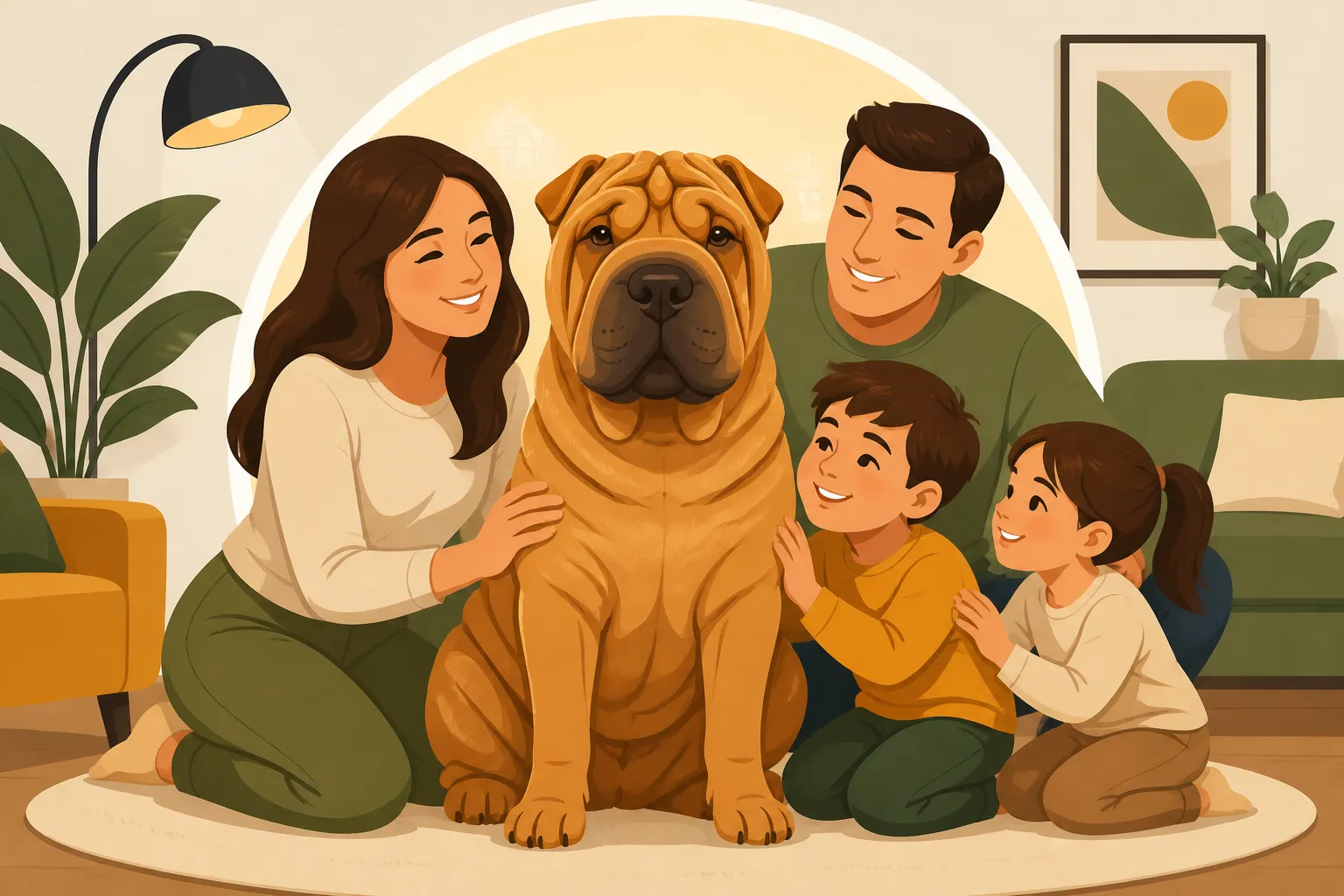
As children mature into their pre-teen and teenage years, the dynamics with a Shar Pei can shift considerably. Older children are generally capable of understanding and respecting a dog's boundaries, learning appropriate interaction, and participating in training and care routines. This maturity allows for a much safer and more harmonious relationship. A Shar Pei might form a strong, affectionate bond with a respectful teenager, becoming a quiet, devoted companion who enjoys their presence without the need for constant, boisterous play.
With older children, the Shar Pei's natural aloofness towards strangers can actually be an advantage. They might be less inclined to jump on or overly excite themselves around the child's friends, preferring to observe from a distance. However, it's still important for the Shar Pei to be comfortable with the presence of visitors, and this requires early and ongoing positive exposure to a variety of people, including children of different ages. Teenagers can become valuable partners in a Shar Pei's care, helping with walks, feeding, and even training, reinforcing the dog's place within the family unit.
Ultimately, Whether a Shar Pei Suits a Family With Teenagers depends on the individual temperament of both the dog and the children, as well as the overall family structure. A calm, respectful teenager who understands the Shar Pei's needs and participates positively in their routine can truly enjoy the unique companionship this breed offers. It's a relationship built on mutual respect and understanding, rather than unbridled enthusiasm. They will appreciate a quiet presence and a dog that is happy to share a couch while they read or watch a movie.
Setting Boundaries and Respect
Regardless of age, establishing clear boundaries and fostering mutual respect is paramount for any household with a Shar Pei. These dogs thrive on consistency and a clear understanding of their place within the family hierarchy. They need to know what is expected of them, what is allowed, and who makes the rules. Ambiguity or inconsistency can lead to behavioral issues, as the independent Shar Pei might decide to take matters into their own paws.
Every family member, including children, needs to be on the same page regarding training commands, household rules, and interaction protocols. If one person allows the dog on the couch but another reprimands them for it, the Shar Pei will become confused and potentially frustrated. Consistent positive reinforcement training, where everyone uses the same cues and rewards, strengthens the dog's understanding and reinforces the entire family as part of their leadership structure. This consistency builds trust and predictability, which is highly valued by a breed that can be naturally wary.
Teaching children to respect a dog's personal space, to recognize their body language cues (like a stiff body or a subtle lip lick indicating discomfort), and to always ask permission before interacting is critical. This isn't just about preventing bites; it's about fostering a respectful relationship where the dog feels safe and understood. Children should be taught that the Shar Pei's crate or bed is a "safe zone" where they should never be disturbed. By setting these clear boundaries and teaching respect, families can create an environment where the unique Shar Pei personality can thrive, offering devoted companionship without unnecessary stress or conflict.
Sharing Your Home with Other Animals
Bringing a Shar Pei into a multi-pet household introduces another layer of complexity. Their strong guarding instincts and often dominant personalities mean careful introductions and ongoing management are key to preventing conflict.
The Shar Pei and Other Dogs: A Careful Balance
When it comes to other canines, Shar Pei can be notoriously challenging. They were not historically bred to work alongside other dogs in large packs, and many retain a strong sense of dog-on-dog intolerance, especially with same-sex individuals. They often prefer to be the sole canine companion, enjoying all of their owner's attention and not having to share their territory. While some Shar Pei can live peacefully with other dogs, particularly if introduced as puppies and raised together, it's far from a guarantee. This isn't a breed that will readily welcome a new dog into its established home with open paws.
If you already have a dog and are considering a Shar Pei, or vice-versa, careful thought and preparation are essential. Introductions should be done slowly, on neutral territory, with both dogs on leash and under control. Observing their body language is critical, looking for signs of tension, stiffness, or over-excitement. For many Shar Pei, success in a multi-dog home often means choosing a companion of the opposite sex and a similar, or slightly submissive, temperament. Avoid other dominant or strong-willed breeds, as this can lead to power struggles. It’s important to acknowledge that Dog to Dog Is the Shar Pei Problem, Not Dog to Person and approach multi-dog households with realistic expectations and a commitment to management.
Even in successful multi-dog households, vigilance is required. Resource guarding can escalate quickly between dogs, and any squabbles over food, toys, or prime resting spots need to be managed immediately. Feeding dogs separately, providing multiple beds and toys, and ensuring individual attention can help mitigate potential issues. Never leave multiple Shar Pei or a Shar Pei with other dogs unsupervised, especially during meal times. While some homes manage well, the question of Whether Two Shar Pei Can Live Together often depends on early socialization, individual temperaments, and meticulous management by experienced owners.
Cats and Smaller Pets: High Prey Drive Considerations
The Shar Pei's historical background as a hunter and general working dog means they often possess a moderate to high prey drive. This instinct can be a significant factor when considering them for a home with cats, small rodents, or birds. While some Shar Pei can be raised with cats from puppyhood and learn to coexist peacefully, it's crucial to understand that their natural inclination might be to chase or "herd" smaller, fast-moving animals. An adult Shar Pei introduced to an existing cat without careful management can lead to stressful or even dangerous situations for the feline.
Successful integration with cats usually requires a Shar Pei puppy to be raised alongside a cat who is dog-savvy, confident, and not easily intimidated. The cat should have plenty of escape routes and high perches to retreat to. Even then, supervision is key, and training the Shar Pei with strong "leave it" and "stay" commands is essential. For adult Shar Pei, introducing them to cats is a much riskier endeavor and often requires professional guidance. It's not uncommon for a Shar Pei to view a cat or any small, furry creature as prey, which can make living together impossible without extreme, constant intervention. Learn more about How a Shar Pei Treats a Cat to set realistic expectations.
Small caged pets like hamsters, guinea pigs, or birds present an even greater challenge. The scent and movement of these animals can intensely trigger a Shar Pei's prey drive. For their safety, it is often best that such pets are housed in separate, secure rooms that the Shar Pei cannot access. Expecting a Shar Pei to completely ignore a small, furry creature that triggers their deeply ingrained instincts is often unrealistic and unfair to both animals. Prioritizing the safety and well-being of all pets in the household is paramount.
Multi-Pet Households: Management is Key
Living with a Shar Pei in a multi-pet household, whether with other dogs or different species, hinges entirely on proactive and consistent management. This isn't a breed where you can simply hope for the best and let them "work it out." Every interaction needs to be supervised, every potential conflict anticipated, and every resource managed to ensure peace and safety. This requires a significant commitment of time and energy from the owner.
One of the most effective management strategies is to provide ample individual attention and resources to each pet. This means separate feeding areas, multiple water bowls, enough beds or resting spots for everyone, and individual playtime or training sessions. This helps reduce competition and the potential for resource guarding. Utilizing physical barriers like baby gates or crates to create safe zones can also be invaluable, allowing pets to have space from each other when needed, preventing overstimulation or conflict.
Consistent training for all dogs in the household is also critical, focusing on impulse control, reliable recall, and "leave it" commands. This helps ensure that the owner maintains control in potentially tense situations. If you're considering a Shar Pei for a multi-pet home, honesty about your own experience level and willingness to commit to rigorous management is crucial. If in doubt, seeking advice from a professional behaviorist or trainer with Shar Pei experience before bringing the dog home can provide invaluable insights and strategies for success.
The Human Factor: What Kind of Owner a Shar Pei Needs
While a Shar Pei's physical environment is important, the human element is arguably the most critical factor in determining if they will thrive. These are not dogs for the casual owner; they require a specific type of human companion to truly blossom.
Experience Level: Not for the Faint of Heart
Let's be blunt: a Shar Pei is generally not considered an ideal breed for first-time dog owners. Their unique blend of independence, guarding instincts, potential dog-dog issues, and specific health needs means they require an owner with a firm understanding of dog behavior, commitment to consistent training, and the ability to be a confident, clear leader. If you're new to dog ownership, you might find yourself overwhelmed by their strong will and the nuances of their communication. They can be incredibly rewarding, but they will test your patience and resolve.
An experienced owner, or a first-time owner who is truly dedicated to learning and seeking professional guidance, is much more likely to succeed. This isn't about physical strength, but about mental fortitude and the ability to remain calm, consistent, and assertive. A Shar Pei needs an owner who can anticipate potential problems, read subtle dog body language, and implement management strategies before conflicts arise. They thrive when they have a confident leader who they can trust to make good decisions, allowing them to relax into their role as a beloved family member.
If you are a first-time owner drawn to the breed, it's absolutely essential to do your homework, connect with reputable breeders who offer lifetime support, and enroll in puppy classes and obedience training from day one. Don't underestimate the breed. Understanding Whether a Shar Pei Suits a First Time Trainer requires an honest assessment of your dedication and willingness to invest in their behavioral development. Their loyalty, when earned through consistent leadership and care, is unparalleled, but it's a journey, not a given.
Patience and Consistency: The Cornerstones of Training
Training a Shar Pei requires a remarkable amount of patience and unwavering consistency. They are intelligent dogs, but they are also notoriously independent and can possess a "what's in it for me?" attitude. They won't blindly obey every command simply because you've asked. You need to find what motivates them, typically high-value food rewards or favorite toys, and make training sessions engaging and fun. Short, frequent training sessions are far more effective than long, drawn-out ones, as they can get bored easily.
Harsh training methods, punitive corrections, or an inconsistent approach will be counterproductive with a Shar Pei. They will either shut down, become fearful, or simply decide you're not worth listening to. Their stubborn streak is legendary, and trying to dominate them through force will only damage your bond and potentially lead to aggression. Positive reinforcement, clear communication, and a calm, confident demeanor are the only paths to success. Remember, The Headstrong Streak Nobody Trains Out of a Shar Pei means you're working with their nature, not against it. You're building a partnership, not dictating terms.
Consistency is key not just in formal training sessions but in daily life. Every interaction is a training opportunity. If you don't want your Shar Pei on the furniture, then no one in the household should ever allow it. If you have rules about doorway greetings, everyone must follow them. Any lapse in consistency will be noted by your intelligent Shar Pei, and they will exploit it. You might find a range of engaging training treats and interactive puzzle toys on Chewy that can make these sessions more effective and enjoyable for your Shar Pei.
Time and Commitment: More Than Just a Pet
Owning a Shar Pei is a significant time commitment, far beyond the initial "cute puppy" phase. These dogs demand daily investment in their physical and mental well-being, their specialized health care, and ongoing socialization. This isn't a breed you can neglect or simply leave to their own devices for extended periods; they require active participation in their lives.
Daily exercise is essential, even if it's not extreme. An hour of walking, split into two or three outings, is typically sufficient, but it needs to happen consistently, every single day, regardless of weather (within reason, especially concerning heat). This not only provides physical activity but also mental stimulation through sniffing and exploring. For most Shar Pei, An Hour a Day Suits a Shar Pei, and Heat Cuts It Short means adapting that routine to ensure their comfort and safety, especially in warmer months when shorter, earlier, or later walks are necessary.
Beyond exercise, their specific health needs demand consistent attention. Daily fold cleaning, regular ear checks, and vigilance for any skin issues are not optional; they are integral parts of Shar Pei ownership. These are dogs that require ongoing observation for any signs of discomfort or illness. They thrive with owners who are proactive about their health, maintaining regular vet check-ups and being prepared for potential issues like familial Shar Pei fever or kidney concerns. The time commitment to care, training, and attention makes them more than just a pet; they become a central part of their owner's life.
Daily Care Routines: Integrating Health into Home Life
The unique anatomy of a Shar Pei, from their distinctive wrinkles to their narrow ear canals, means that integrating specific daily care routines into your household life isn't just a suggestion—it's absolutely mandatory for their health and well-being.
Skin and Fold Maintenance: A Daily Commitment
The most striking feature of a Shar Pei, their abundant wrinkles, is also their most significant health vulnerability. Each fold, particularly those deep ones around the face, neck, and tail, can trap moisture, dirt, and debris, creating a warm, damp environment that is a breeding ground for bacteria and yeast. Without meticulous daily care, these folds can quickly develop painful infections, leading to irritation, foul odor, and significant discomfort for your dog. This isn't a chore you can skip or do only occasionally; it's a daily commitment.
Your daily routine should include carefully wiping out these folds with a soft, clean cloth or a specialized medicated wipe. It's crucial to ensure the skin within the folds is not red, inflamed, or oozing. Pay particular attention to the deep folds around the muzzle, under the chin, and at the base of the tail. After wiping, thoroughly dry the folds to prevent moisture from lingering. This vigilance can prevent minor irritation from escalating into a full-blown infection. For more insights into this, understanding that Every Fold on a Shar Pei Is a Place Something Grows highlights the importance of this daily ritual.
Bathing frequency will depend on your individual Shar Pei and their skin condition, but when you do bathe them, using a vet-recommended shampoo (sometimes medicated) and ensuring they are completely dry afterward, especially in all their folds, is critical. Allowing them to air-dry or remain damp can trigger skin issues rapidly. Investing in a good quality pet dryer or a strong human hairdryer on a cool setting can be invaluable. You can find a wide variety of hypoallergenic wipes and specialized shampoos for sensitive skin, often recommended by veterinarians, on platforms like Chewy.
Ear Care: A Unique Challenge
If their skin folds are a challenge, their ears present another, equally demanding aspect of Shar Pei care. Shar Pei possess incredibly narrow ear canals, which are often further constricted by their natural facial structure and the folds around their head. This anatomical peculiarity makes them highly prone to ear infections, as airflow is restricted, and moisture and wax can easily become trapped. It's not a question of if a Shar Pei will get an ear infection, but often when and how frequently.
Regular ear cleaning, typically on a weekly basis, is essential to prevent the buildup of wax and debris that can lead to infection. Your veterinarian can recommend a suitable ear cleaning solution that is gentle and effective. It's vital to use only vet-approved solutions and never to use cotton swabs, which can push debris further into the canal and potentially damage the eardrum. Instead, squirt the solution into the ear canal, gently massage the base of the ear, and then wipe away any excess with a cotton ball or gauze. This should be done calmly and positively, as ear handling can be sensitive for some dogs. Learn why A Shar Pei Has the Narrowest Ear Canals of Any Breed to truly appreciate this challenge.
Vigilance for signs of an ear infection—such as head shaking, scratching at the ears, a foul odor, redness, or discharge—is critical. At the first sign of trouble, a vet visit is imperative, as ear infections in Shar Pei can be stubborn and recurrent. Untreated infections can lead to chronic pain, permanent hearing damage, or even require surgical intervention in severe cases. Proactive, consistent ear care is one of the best defenses against these common and often painful issues.
Early Health Monitoring: A Proactive Approach
Beyond the visible skin and ear issues, Shar Pei are also genetically predisposed to several other significant health concerns, including Familial Shar Pei Fever (FSF) and its potentially fatal complication, Amyloidosis, as well as kidney disease. Integrating early health monitoring into your household routine is a proactive step that can significantly impact their long-term well-being and lifespan. This involves more than just reacting to symptoms; it means being attuned to subtle changes and scheduling regular veterinary checks.
One crucial aspect of early monitoring is simply being observant of your dog's daily behavior and physical state. Is their appetite normal? Are they drinking more water than usual? Is their energy level consistent? Shar Pei are stoic and can hide discomfort surprisingly well, so noticing subtle shifts is key. Keeping a log of any unusual symptoms, such as fever episodes or periods of lethargy, can provide valuable information for your vet. Understanding What a Shar Pei's Skin Tells You Before Its Behavior Does extends to their overall demeanor – a slight change in their usual routine or mood can be the first indicator of an underlying issue.
Regular veterinary check-ups, often twice a year as they age, with specific attention to blood work that assesses kidney function (especially a urine protein-to-creatinine ratio or UPC) are highly recommended. Early detection of kidney issues, even before clinical signs appear, can allow for interventions that slow progression and improve quality of life. Discuss these breed-specific concerns with your vet and advocate for proactive screening. This approach to health monitoring turns your household into a vigilant care unit, catching problems early and providing the best chance for your Shar Pei to live a full and healthy life.
Training and Socialization: Building a Confident Household Member
Training and socialization aren't just about obedience; for a Shar Pei, they are about building confidence, managing their strong instincts, and ensuring they can navigate the world, and your home, as a well-adjusted member of society.
The Critical Puppyhood Window
The period between 8 and 16 weeks of age is universally recognized as the most critical socialization window for puppies. For a Shar Pei, whose natural inclination is often to be reserved or wary, this window is absolutely paramount. During this time, a puppy's brain is highly receptive to new experiences, learning to associate them with positive outcomes. Exposing your Shar Pei puppy to a wide variety of sights, sounds, smells, people, and appropriate dogs in a controlled, positive way will lay the foundation for a confident, well-adjusted adult.
This isn't about overwhelming your puppy; it's about carefully curated, positive experiences. Enroll in a well-run puppy kindergarten class, where they can interact with other puppies and people in a safe environment. Take them on short, positive outings to quiet parks, pet-friendly stores (if allowed and not too busy), or simply sit on a bench and watch the world go by. Offer plenty of high-value treats and praise for calm behavior in new situations. The goal is to create positive associations, so they learn that the world isn't a scary place. Neglecting this crucial period can result in an overly fearful, reactive, or aggressive adult Shar Pei. As the saying goes, Socialize a Shar Pei Before Twelve Weeks or Pay for It Later – and for this breed, the 'later' can be incredibly challenging.
The benefits of extensive puppy socialization are immeasurable. A well-socialized Shar Pei is far less likely to be fearful of strangers, reactive to other dogs, or overwhelmed by new environments. While they may always retain a degree of their natural reserve, proper socialization helps them assess new situations calmly rather than reacting defensively. It builds resilience and a sense of security, which is essential for a breed with their inherent guarding instincts and limited peripheral vision.
Ongoing Training for a Well-Adjusted Adult
While puppyhood socialization is foundational, training is a lifelong commitment for a Shar Pei. Their intelligence and independent nature mean that they will constantly test boundaries and require consistent reinforcement of rules and commands. This isn't a breed you can train for a few months and then forget about; they need ongoing mental stimulation and reminders of their place within the household hierarchy. Just like people, dogs can forget things if they're not practiced!
Continue with short, fun training sessions throughout their lives, focusing on maintaining good manners, refreshing known commands, and even teaching new tricks. This not only keeps their minds engaged but also reinforces your bond and leadership. Positive reinforcement, using rewards they truly value, remains the most effective method. Harsh handling or punishment will only erode trust and can lead to a dog that is unwilling to cooperate or even becomes defensively aggressive. It's important to remember that How a Shar Pei Responds to Harsh Handling is often to become more stubborn or to retreat.
Regular training also provides an excellent opportunity to reinforce good social behaviors. Controlled exposure to new people and appropriate dogs, even as an adult, can help maintain their comfort level. For example, practicing polite greetings with visitors, or taking structured walks alongside calm, well-behaved dogs (if your Shar Pei tolerates it), can prevent regression in their social skills. An adult Shar Pei who receives consistent, positive training is typically a calmer, more confident, and more enjoyable companion.
Managing Reactivity and Guarding Behaviors
Given their innate guarding instincts and potential for dog-dog intolerance, managing reactivity and resource guarding behaviors is a critical aspect of Shar Pei ownership. These behaviors, if left unaddressed, can escalate and make living with your Shar Pei incredibly challenging, limiting their ability to comfortably exist within your home and community. Proactive management and training are key.
For reactivity, particularly leash reactivity towards other dogs, it's vital to implement strategies that teach your Shar Pei to calmly observe rather than react. This often involves management techniques like walking during quieter times, using a front-clip harness to provide better control, and creating distance from triggers. Training focuses on classical conditioning—associating the sight of other dogs with positive things (like high-value treats) rather than tension or fear. A professional trainer specializing in positive reinforcement can be invaluable here.
Resource guarding, whether it's over food, toys, or even prime resting spots, needs to be managed from puppyhood. This involves teaching a "trade" game (exchanging a guarded item for an even better treat), hand-feeding to build positive associations with human hands near food, and ensuring all family members participate in these exercises. The goal is for your Shar Pei to view people approaching their resources as a positive, not a threat. Never try to forcefully take items away, as this can exacerbate guarding. Instead, work on building trust and teaching them that humans are the source of all good things. This thoughtful approach helps your Shar Pei become a secure and non-reactive member of your household.
Shar Pei Loneliness: Crate Training and Alone Time
Even the most devoted Shar Pei owner can't be with their dog 24/7. Understanding how your Shar Pei copes with being alone, and implementing strategies to make that time positive and safe, is a crucial part of providing a suitable household environment.
How Long a Shar Pei Can Be Left Alone?
Shar Pei generally aren't known for severe separation anxiety, but like any dog, they are social creatures and thrive on companionship. While they might appear independent, prolonged periods of isolation can lead to boredom, destructive behaviors, or generalized anxiety. An adult Shar Pei, once house-trained and properly exercised, can typically cope with being left alone for 4-6 hours. However, this is not a hard and fast rule and depends heavily on the individual dog's temperament, training, and mental stimulation provided before and during their alone time.
Leaving a Shar Pei alone for 8+ hours on a regular workday is pushing their limits and is not ideal for their psychological well-being. Even if they don't develop full-blown separation anxiety, they can become bored and restless, which might manifest as chewing, barking, or house-soiling. If your lifestyle requires longer periods away from home, you should consider alternatives like a trusted dog walker, doggy daycare (if your Shar Pei is socialized for it and enjoys it), or a pet sitter. Over time, consistent loneliness can erode the strong bond you've worked to build. Get more insights into How Long a Shar Pei Copes Alone to manage expectations.
The quality of the time you spend with your Shar Pei when you are home also influences how well they cope with solitude. A dog that receives adequate exercise, mental stimulation, and affectionate attention when their owner is present is more likely to settle calmly when left alone. A quick walk around the block before you leave is often not enough; they need meaningful interaction and activity that tires them both physically and mentally.
Crate Training: A Safe Haven
Crate training is an invaluable tool for any dog owner, and particularly so for a Shar Pei. Far from being a punishment, a properly introduced and utilized crate becomes a dog's personal den—a safe, comfortable, and secure space where they can relax and feel protected. For a Shar Pei, whose guarding instincts can make them sensitive to their surroundings, a crate provides a clear boundary and a retreat from household activity, which can be especially beneficial in multi-pet or busy family homes.
Introducing a crate needs to be a positive experience, never forced. Start with short periods, offering treats and praise, gradually increasing the duration. Make the crate inviting with comfortable bedding and a favorite chew toy. It should never be used for punishment. For puppies, a crate is an excellent aid for house-training, as dogs are naturally reluctant to soil their sleeping area. For adult Shar Pei, it provides a safe place when you leave the house, preventing destructive chewing and keeping them out of trouble. Investing in a durable, appropriately sized crate and comfortable bedding can be done easily through retailers like Chewy.
The crate should be large enough for your Shar Pei to stand up, turn around, and lie down comfortably. It should be placed in a central, yet quiet, part of the house where they still feel part of the family but can also retreat from stimulation. A well-crate-trained Shar Pei will willingly go into their den, seeing it as their personal sanctuary, which significantly reduces stress during alone time or when visitors are present.
Enriching the Alone Time Experience
While a crate provides a safe space, it's also important to enrich your Shar Pei's alone time to prevent boredom and mental stagnation. A bored Shar Pei can be a destructive Shar Pei! Providing engaging activities that require mental effort can make their solitude much more manageable and enjoyable.
Puzzle toys, especially those that dispense treats, are fantastic for mental stimulation. Stuff a Kong with peanut butter (ensure it's xylitol-free!), yogurt, or wet food and freeze it, providing a long-lasting challenge. Chewing is a natural canine behavior, and providing appropriate, durable chew toys can divert them from chewing on furniture or shoes. Rotating toys keeps things interesting, so they don't get bored with the same old items.
Leaving on soft music or a television can provide comforting background noise, masking external sounds that might otherwise make your Shar Pei anxious or trigger barking. Establishing a consistent routine for departures and arrivals can also help. Keep goodbyes and hellos low-key and calm, as excessive fuss can inadvertently heighten anxiety. A pre-departure walk and mental exercise session can help tire them out, making them more likely to settle down and nap while you're away. By creating a rich and safe environment for their alone time, you ensure your Shar Pei remains a happy and well-adjusted member of your household.
Disclaimer
This article is for general informational purposes only and does not constitute professional advice. Laws, prices and regulations vary by location and change over time. Consult a qualified professional for guidance on your specific situation.