How Many Wrinkles an Adult Shar Pei Should Have
It’s easy to get lost in the sheer adorable factor of a Shar Pei puppy, with their rolls and folds making them look like a pile of plush blankets. But as these pups mature, many owners wonder, "How many wrinkles should an adult Shar Pei really have?" The truth is, there's a delicate balance between the breed's iconic look and potential health concerns, and understanding the nuances of those wrinkles can make all the difference in your dog's well-being. This guide will walk you through what's considered typical, what the breed standard says, and what to watch out for as your wrinkled companion grows.
Understanding the Shar Pei's Distinctive Wrinkles
Those deep wrinkles and folds are arguably the most distinctive feature of the Shar Pei, setting them apart from almost every other breed. It’s what draws many people to them in the first place, giving them an ancient, wise, yet utterly charming appearance. But it's also a feature that has evolved significantly over time, with implications for their health and care.
The Historical Context of Shar Pei Wrinkles
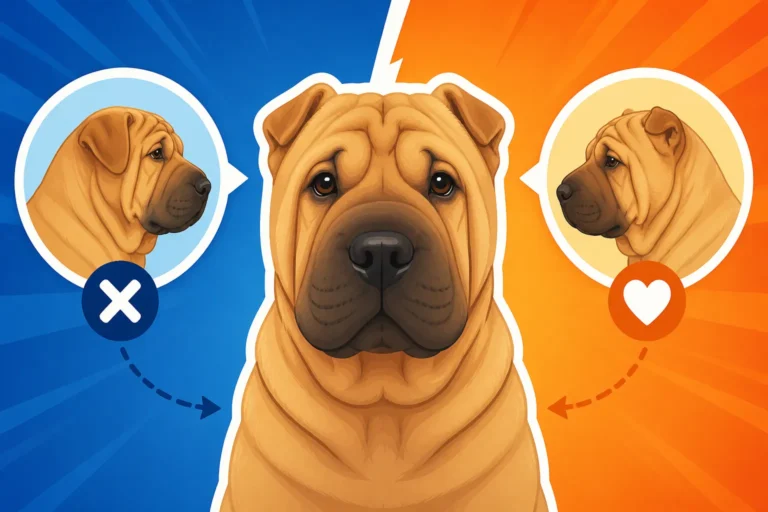
When you look back at historical depictions or even photographs of Shar Pei from before their mid-20th-century revival, you'll often notice a marked difference in their appearance. The original Shar Pei, often referred to as the "Bone Mouth" type, was generally less wrinkled than the "Meat Mouth" Shar Pei that became popular after the breed's near extinction. The Bone Mouth dogs had a more athletic build, with a leaner muzzle and fewer, tighter wrinkles primarily around the head and neck. Their skin was functional, allowing for flexibility during their original jobs as farm dogs, hunters, and guardians.
However, as the breed gained popularity in the West, particularly after the plea by Matgo Law in the 1970s to save them, there was a shift in what was considered desirable. The "Meat Mouth" type, characterized by a broader, more padded muzzle and abundant, looser wrinkles, became the prevailing aesthetic. This look, while undeniably striking and unique, was often achieved through selective breeding that prioritized extreme wrinkling. It's important to remember this historical context because it highlights that the super-wrinkled look isn't necessarily the original form of the breed, but rather a more recent development. This distinction is crucial when we talk about what an adult Shar Pei should look like, especially from a health perspective.
How Wrinkles Develop from Puppyhood to Adulthood
One of the most common questions new Shar Pei owners have is whether their adorable, wrinkly puppy will stay that way. The answer is, generally, no, not to the same degree. Shar Pei puppies are often veritable mountains of wrinkles, with folds seemingly everywhere – over their head, body, and even legs. This is completely normal and, frankly, part of their undeniable charm as youngsters.
As a Shar Pei puppy grows, they tend to "grow into" a significant portion of their wrinkles. Think of it like a child outgrowing clothes; their skin spreads out as their frame expands. By the time they reach adulthood, usually around 12-18 months, many of those body wrinkles will have stretched and smoothed out considerably. The most prominent remaining wrinkles should ideally be concentrated on their head, face, and sometimes a prominent neck ruff. This natural process is part of their development. If you are ever concerned that your puppy isn't growing into its skin, or if the wrinkles seem to be causing issues even at a young age, it's always wise to consult with a vet who has experience with the breed. You might find our post Whether a Wrinkly Shar Pei Puppy Stays Wrinkly helpful in understanding this transition.
The Official Breed Standard and Wrinkles
For purebred dogs, breed standards are the blueprints that describe the ideal characteristics of a particular breed. These standards cover everything from temperament and gait to coat type and, yes, wrinkles. Understanding what the major kennel clubs look for can help you differentiate between the desired aesthetic and potentially exaggerated features that might impact health.
Head and Muzzle Wrinkles: The Acceptable Standard
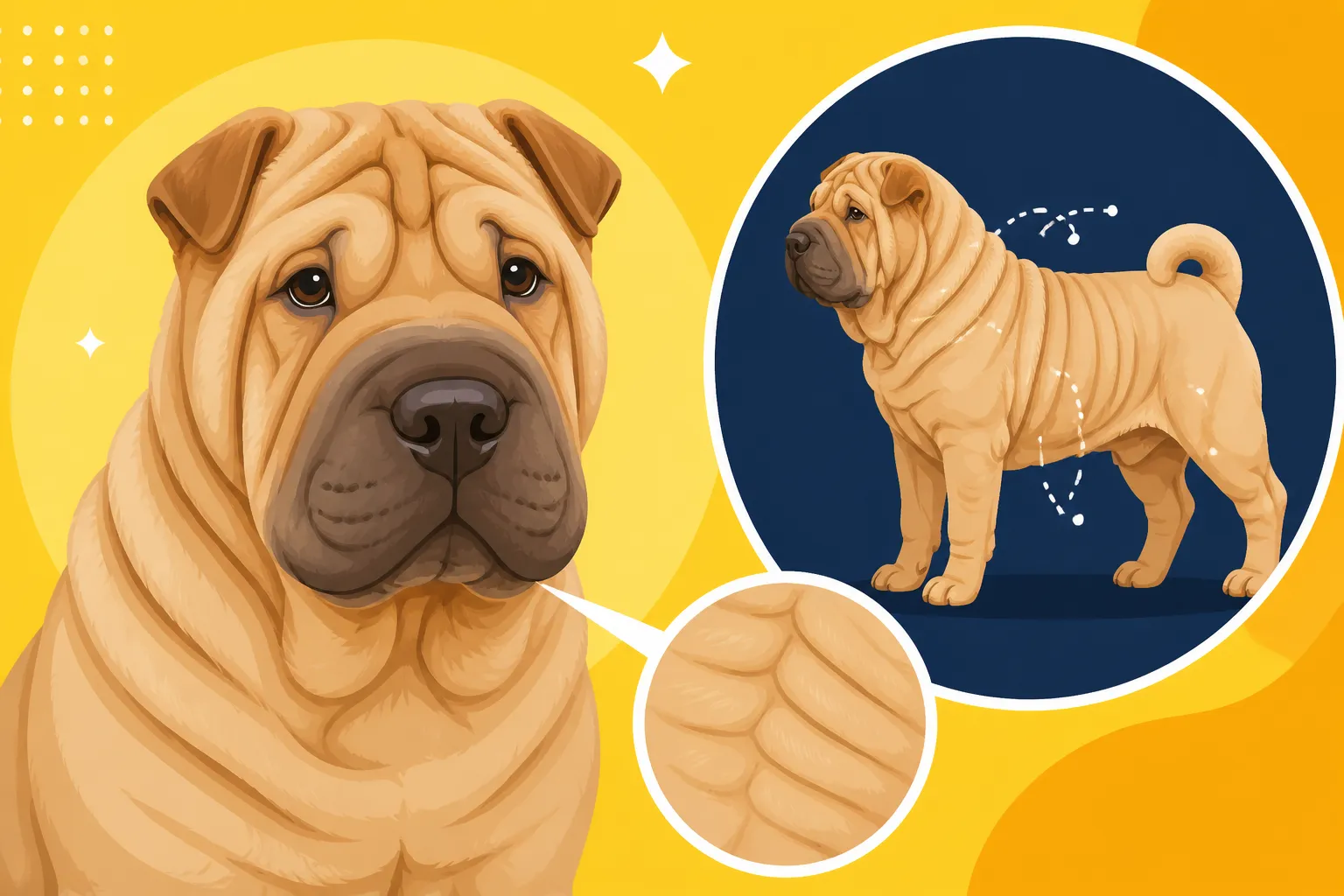
When it comes to an adult Shar Pei, the breed standard generally emphasizes wrinkles on the head. For instance, the American Kennel Club (AKC) standard calls for "moderate wrinkles" on the skull and forehead, with a frowning expression. A certain amount of loose skin around the dewlap (throat) is also typically accepted, contributing to that distinctive "hippo" look. The muzzle itself should be broad and full, though excessive padding that obstructs breathing or sight is not ideal. It's about a noble, dignified, and somewhat serious expression created by these folds, not an overwhelming cascade of skin that impedes function.
The key here is "moderate." This means enough to clearly identify the breed, to give that thoughtful, intelligent look, but not so much that the dog's eyes are hidden, or its facial movements are completely obscured. The standard often implies a balance – enough wrinkles for the characteristic appearance, but not to the detriment of the dog's comfort or health. If you see a Shar Pei whose forehead folds hang so low they obscure their vision, or whose muzzle wrinkles constantly trap moisture, that’s usually a sign that the wrinkling is beyond what the standard ideally intends.
Body Wrinkles: What's Considered Excessive or Faulty
While puppies can be a magnificent mess of folds, an adult Shar Pei, according to most breed standards, should ideally have minimal body wrinkles. Beyond the head and maybe a slight amount on the neck, a mature Shar Pei should have a relatively smooth coat over its back and body. Some standards might allow for a very few, slight wrinkles at the base of the tail or on the shoulders, but extensive body wrinkling in an adult is generally considered a fault.
Why is this important? It’s not just about aesthetics; it’s intrinsically linked to health. Extensive body folds in an adult often lead to chronic skin problems. Imagine folds of skin rubbing against each other, trapping heat and moisture, and creating the perfect breeding ground for bacteria and yeast. This is exactly what happens with skin fold dermatitis. Furthermore, excessive skin can make it harder to assess the dog's true conformation and muscle tone. When breeders prioritize these exaggerated traits without considering the functional implications, they can inadvertently contribute to a lifetime of discomfort for the dog. Therefore, while a few wrinkles are the Shar Pei's trademark, many wrinkles over the body of an adult are usually not what healthy breeding aims for. You might be interested in Whether Body Wrinkles Are a Fault in an Adult Shar Pei.
The Health Implications of Excessive Wrinkles
While beautiful, the very feature that makes the Shar Pei so unique – its wrinkles – can also be a source of significant health challenges. Responsible ownership means being aware of these potential issues and proactive in their management.
Skin Fold Dermatitis and Other Skin Issues
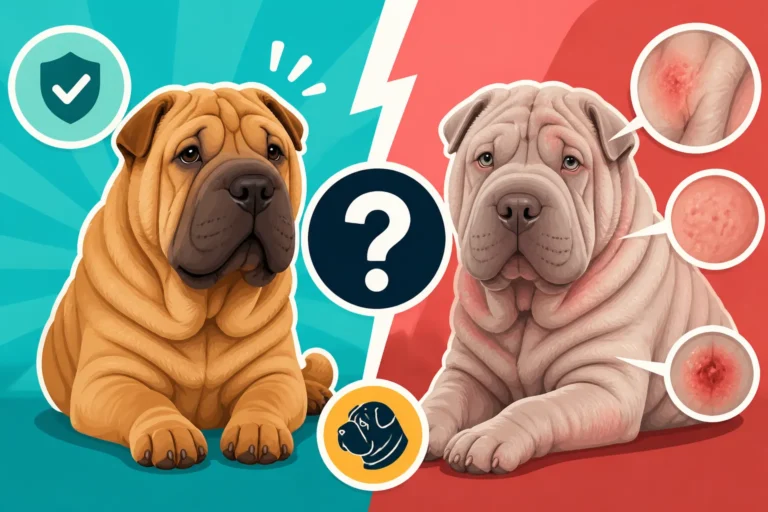
Excessive skin folds create warm, moist environments where air circulation is limited. This is a paradise for bacteria and yeast, which can quickly lead to skin fold dermatitis, also known as pyoderma or intertrigo. This condition causes inflammation, redness, itching, and often a foul odor emanating from the affected folds. Common areas for this include the facial folds, the neck ruff, around the tail, and even between the toes if the skin folds are particularly pronounced. It's not just uncomfortable; if left untreated, these infections can become deep, painful, and chronic.
Managing skin fold dermatitis often involves a multi-pronged approach. Regular cleaning and drying of the folds are paramount. Many owners find specialized medicated wipes or cleansers, often available from retailers like Chewy, to be invaluable for daily maintenance. In more severe cases, a veterinarian might prescribe topical antibiotics or antifungals, or even oral medications. Sometimes, surgical intervention (called a "fold resection") is necessary to remove problematic folds that cannot be managed conservatively. This is a constant battle for many Shar Pei owners, and it highlights why the extent of wrinkling matters far beyond just looks. Our post Skin Fold Dermatitis on a Shar Pei delves deeper into managing this common issue.
Vision and Eye Problems Related to Wrinkles
The deep wrinkles around a Shar Pei’s head and eyes, while contributing to their distinctive "frowning" expression, can unfortunately lead to several serious eye conditions. The most common is entropion, where the eyelid rolls inward, causing the eyelashes and fur to rub against the cornea. This constant irritation is incredibly painful and can lead to corneal ulcers, scarring, and eventually, blindness if not corrected. It’s an urgent issue, especially in puppies. Entropion in a Shar Pei Puppy Is an Emergency, Not a Cosmetic Issue explains why this can't wait.
Even without full entropion, excessive folds can simply block a Shar Pei’s peripheral vision, making them easily startled and contributing to their sometimes aloof or wary nature. Imagine constantly having a hood over your eyes; it's disorienting. Beyond entropion, the combination of deep-set eyes and surrounding folds can make them more prone to other irritations and infections, as tears may not drain properly, and debris can get trapped. Owners need to regularly check their Shar Pei's eyes for redness, discharge, squinting, or excessive tearing, and seek veterinary attention at the first sign of trouble. Eye care is a lifelong commitment for many Shar Pei.
The Link Between Wrinkles and Familial Shar Pei Fever
Perhaps one of the most surprising and serious health implications linked to the Shar Pei's unique skin is its connection to Familial Shar Pei Fever (FSF). This breed-specific inflammatory disease is characterized by recurrent episodes of fever, often accompanied by swollen hocks (ankles), lethargy, and pain. It's not an infection but an auto-inflammatory condition. The genetic mutation responsible for the excessive hyaluronic acid (the substance that creates the voluminous skin and wrinkles) is also strongly linked to the gene that predisposes Shar Pei to FSF. This means that the very trait we admire in their appearance is a genetic marker for a potentially life-threatening illness.
While not every wrinkly Shar Pei will develop FSF, and not every Shar Pei with FSF has extreme wrinkles, there's a clear correlation. The same genetic pathway that gives them their unique skin also makes them susceptible to these inflammatory flare-ups. Repeated episodes of FSF can, in turn, lead to amyloidosis, a fatal condition where abnormal protein deposits build up in organs, most commonly the kidneys. This direct link between a visible physical trait and a systemic, genetic disease is a sobering reminder that "form" should always follow "function" in responsible breeding. You can learn more about this in One Mutation Gave the Shar Pei Its Wrinkles and Its Fever.
Managing and Caring for a Wrinkled Shar Pei
Living with a Shar Pei means embracing their unique needs, especially when it comes to their skin. It’s a commitment, but a truly rewarding one when your dog is healthy and happy. Proactive care is the name of the game.
Routine Care for Skin Folds
Daily or at least weekly care for your Shar Pei’s folds is non-negotiable. This isn't just a suggestion; it's a critical part of preventing painful and costly infections. Here’s how you can make it a routine:
- Inspection: Take a few moments each day to gently part the folds, especially on the face, under the chin, and around the tail. Look for any redness, moisture, discharge, or foul odor. Your hands are your best tool for feeling for warmth or stickiness.
- Cleaning: If you notice any moisture or dirt, a soft, damp cloth, or specifically formulated pet wipes are your best friend. There are many excellent pet-safe wipes available on Chewy that are designed for sensitive skin and can help remove debris and reduce bacteria. For deeper cleaning during baths, a medicated shampoo might be recommended by your vet. Be sure to rinse thoroughly to avoid leaving any residue. Every Fold on a Shar Pei Is a Place Something Grows is a fantastic reminder of this.
- Drying: This is perhaps the most crucial step. After cleaning or bathing, you must ensure all folds are completely dry. Trapped moisture is the primary culprit behind yeast and bacterial infections. Use a soft towel to dab away moisture, and for really deep folds, you can gently use a cotton swab or even a cool hairdryer setting if your dog tolerates it. Do not use talcum powder or cornstarch, as these can create a paste that traps moisture further and exacerbates problems.
Establishing a positive routine from puppyhood will make these tasks much easier as your Shar Pei grows. Make it a bonding experience, using gentle praise and treats.
When to Seek Veterinary Advice for Wrinkle-Related Issues
While routine home care can prevent many problems, it's essential to know when to call in the professionals. Shar Pei skin issues can escalate quickly, and early intervention is key to preventing severe discomfort and more complex treatments.
Consult your vet immediately if you notice any of the following:
- Persistent Redness or Inflammation: If a fold remains red, swollen, or inflamed despite your regular cleaning efforts.
- Strong Odor or Discharge: A persistent, foul smell or any pus-like discharge from the folds is a clear sign of infection.
- Excessive Itching or Licking: If your Shar Pei is constantly scratching, rubbing, or licking at their folds, they are likely experiencing significant irritation. Skin Is the Shar Pei's Largest Problem by Surface Area indicates why this is such a common issue.
- Eye Problems: Squinting, excessive tearing, redness in the eye, or if a puppy struggles to open its eyes due to excessive folds, these are all emergencies.
- Lethargy or Fever: If skin issues are accompanied by a general feeling of unwellness, such as lethargy, loss of appetite, or a fever, this could indicate a more serious systemic infection or even an FSF episode triggered by stress on the body.
Your veterinarian, especially one with experience in Shar Pei, can accurately diagnose the problem and recommend appropriate treatment, which might range from medicated shampoos and creams to antibiotics or even surgical correction of severe folds or entropion. Don't hesitate to seek their expertise – it's an investment in your Shar Pei's comfort and long-term health. Knowing What a Shar Pei's Skin Costs a Year can help you budget for these potential vet visits.
The Evolution of the Shar Pei's Wrinkles
The story of the Shar Pei's wrinkles isn't just about appearance; it's a testament to how human intervention in breeding can dramatically reshape a breed, sometimes with unintended consequences. Understanding this evolution helps us appreciate the health challenges these dogs face today.
The Role of Selective Breeding in Wrinkle Development
As we touched upon earlier, the Shar Pei's journey from a working farm dog in ancient China to a beloved companion in Western homes saw a significant transformation in its physical appearance. When the breed was "saved" from extinction in the 1970s and subsequently introduced to a broader audience, there was a strong preference among some breeders and enthusiasts for the "Meat Mouth" type with its more numerous and exaggerated wrinkles. This look was seen as more distinctive, more "exotic," and arguably more appealing to the eye.
This created a powerful selective pressure. Breeders, in an effort to meet demand and adhere to evolving aesthetic preferences, began choosing dogs with more wrinkles to reproduce. This intensified the genetic trait for increased hyaluronic acid deposition in the skin, leading to the heavily folded Shar Pei we often see today. While the initial goal might have been to emphasize a unique breed characteristic, the focus often shifted from "moderate" wrinkles to "as many as possible," sometimes without a full understanding of the health consequences. This period of rapid selection for extreme traits contributed directly to the prevalence of skin issues, eye problems, and the genetic predisposition to Familial Shar Pei Fever that are now hallmarks of the breed. It raises questions about Whether Breeders Knew the Wrinkle Gene Carried the Fever as they pursued these characteristics.
Ethical Considerations for Breeding Extremely Wrinkled Shar Pei
Today, there's a growing awareness and concern within the veterinary and responsible breeding communities about the health implications of extreme conformation in many breeds, and the Shar Pei is a prime example. The ethical dilemma lies in balancing the desire for a distinctive appearance with the imperative to breed for health and welfare. When wrinkles are so excessive that they routinely cause chronic skin infections, painful entropion requiring surgery, or are linked to life-threatening systemic diseases like amyloidosis via FSF, it becomes a serious ethical issue.
Responsible breeders are increasingly focusing on producing Shar Pei that meet a more moderate interpretation of the breed standard – dogs with enough wrinkles to be clearly identifiable as Shar Pei, but not so many that their quality of life is compromised. This often involves selecting breeding stock with fewer, tighter wrinkles, particularly around the eyes and body, and prioritizing health screenings for conditions like FSF and kidney disease. Some groups even advocate for a return to the "Bone Mouth" type, which generally exhibits fewer wrinkles and a more functional build, in hopes of mitigating some of these health issues. It's a complex discussion, but the ultimate goal must always be the health and well-being of the dogs themselves. This is why it’s so important to seek out breeders who prioritize health over exaggerated features, and who can provide clear health clearances for their breeding animals, as outlined in our article What a Shar Pei Breeder's Contract Should Cover.
| Wrinkle Location | Ideal Adult Shar Pei (Health-Focused) | Excessive Adult Shar Pei (Health Risk) |
|---|---|---|
| Head/Forehead | Moderate, creating a "frowning" expression; clear vision. | Deep folds obscuring eyes; constant moisture retention. |
| Muzzle | Broad, full, slightly padded; clear breathing. | Overly padded, obstructing nostrils; trapping food/moisture. |
| Neck/Dewlap | Some loose skin, forming a "ruff." | Very thick, heavy folds trapping heat and moisture. |
| Body (Back/Torso) | Smooth or very few, slight wrinkles. | Abundant, loose folds across the back and sides. |
| Tail Base | A few slight wrinkles accepted. | Deep, moist folds prone to infection. |
| Legs/Paws | Smooth, tight skin. | Loose folds around joints or between toes. |
Disclaimer
This article is for general informational purposes only and does not constitute professional advice. Laws, prices and regulations vary by location and change over time. Consult a qualified professional for guidance on your specific situation.