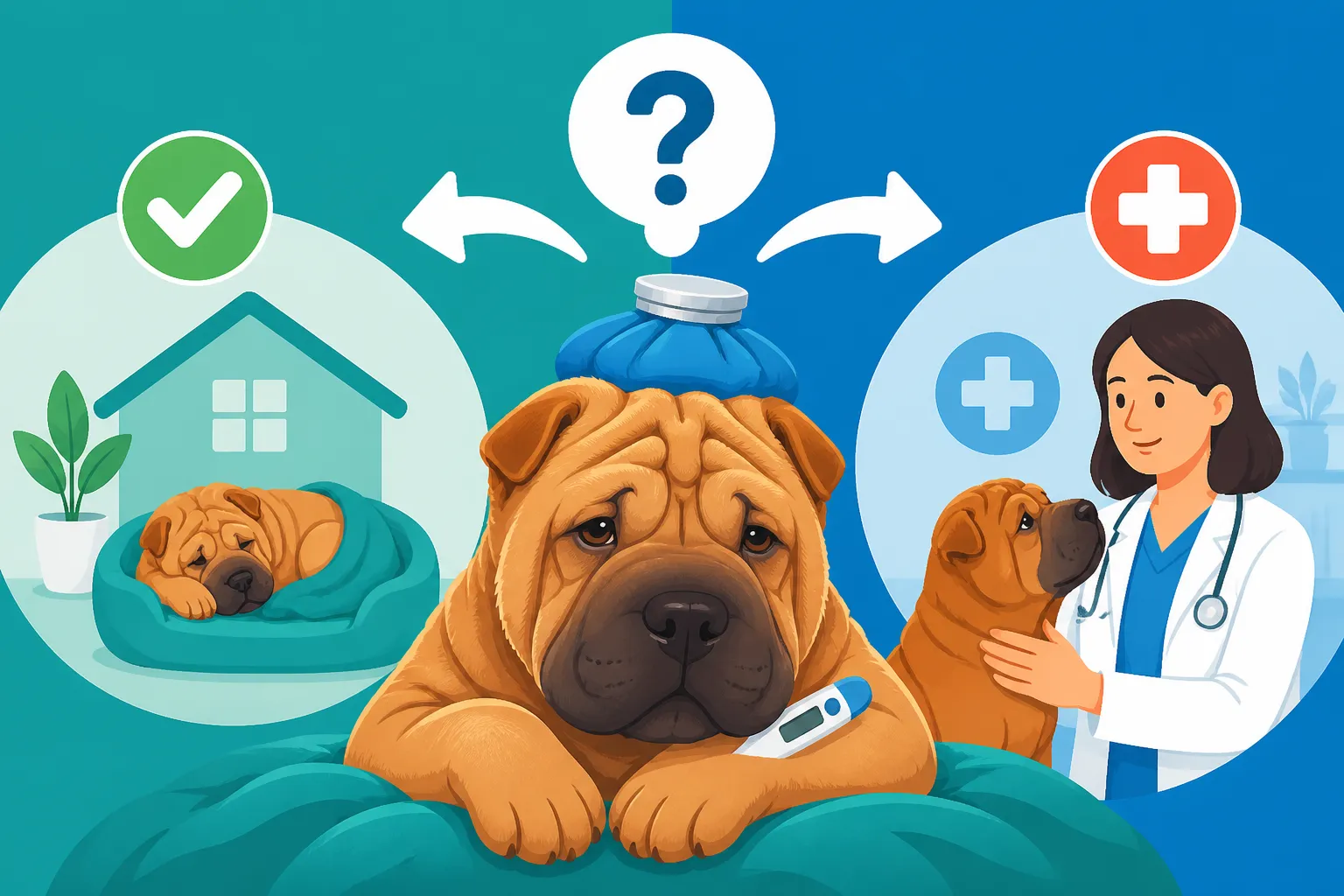
Whether a Shar Pei’s Fever Needs a Vet Every Time
That moment your beloved Shar Pei starts looking droopy, warm to the touch, and just off is enough to send any dedicated owner into a spiral of worry. We all know Shar Pei are prone to their unique "fever" episodes, but the big question that looms over every single one is: do I need to rush to the vet every single time this happens? It's a valid concern, not just for your dog's health but also for your peace of mind and your wallet. This guide is here to help you navigate that anxious decision, offering insights into recognizing the severity of a Shar Pei fever episode and understanding when professional veterinary intervention is truly non-negotiable.
Understanding Familial Shar Pei Fever
Familial Shar Pei Fever (FSF) isn't just a regular dog fever; it's a breed-specific inflammatory condition that can be truly terrifying for owners. It's often linked to the same genetic mutation that gives them their distinctive wrinkles. When your Shar Pei is in the throes of a fever episode, they're not just a little warm; their entire system is reacting to an inflammatory cascade that demands your careful attention.
What a Fever Episode Looks Like
The symptoms of a Shar Pei fever can be incredibly distressing to witness. Your dog might suddenly become lethargic, refusing to eat or drink. They might shiver uncontrollably, even if the room is warm, or conversely, seek out cool places. A classic sign is a noticeable reluctance to move, as if every joint aches. You might observe a change in their gait, a stiff, gingerly walk. Perhaps most alarming is the spike in body temperature, which can often soar past 105 or even 106 degrees Fahrenheit (40.5 – 41.1 degrees Celsius).
Some Shar Pei also experience swelling around their hocks (ankles), muzzle, or other joints, which is another tell-tale sign of a fever episode. This swelling, known as hock swelling, can be quite painful. Their face might look puffy, their eyes may appear sunken, and their personality might completely change, becoming withdrawn and clingy, or unusually irritable. The sheer speed at which these symptoms can appear, transforming your playful companion into a miserable, unwell dog, is incredibly frustrating and frightening. This rapid onset is one of the reasons it's so hard to know when to react. If you're wondering, What a Shar Pei Fever Episode Looks Like goes into more detail about these specific symptoms.
When to Be Truly Concerned
While any fever in a Shar Pei is cause for careful observation, certain signs should send you straight to the veterinary emergency room without hesitation. If your dog's temperature rises above 106°F (41.1°C) and stays there despite your efforts to cool them, that's an immediate red flag. Prolonged high fever can cause organ damage. Severe dehydration, indicated by sunken eyes, dry gums, and skin that tents when pinched, is another critical sign. Unresponsive lethargy, where your dog is difficult to rouse or seems disoriented, also warrants urgent care.
If your Shar Pei is having trouble breathing, collapses, or shows any signs of extreme pain that you can't manage, don't wait. Similarly, if this is your dog's very first fever episode, or if they are a young puppy, a vet visit is paramount. Puppies are much more vulnerable to the effects of high fever and dehydration. Finally, if you notice any changes in gum color (pale or bluish), or if they develop vomiting or diarrhea, especially if it's persistent, these are all signs that the situation is escalating beyond home management. Remember, early intervention can make a significant difference in outcomes, especially given the long-term risk of amyloidosis, which is what actually kills a Shar Pei.
Deciding When a Vet Visit Is Essential
Making the call to go to the vet can feel like a heavy burden. You want to do what's best for your dog, but also recognize the financial strain and potential stress of emergency visits. It's about weighing the risks and knowing your dog.
Factors to Consider Before You Go
Before you pack up your distressed pup, take a moment to assess the situation as calmly as possible. First, consider how long a Shar Pei's fever lasts. If it's a short, acute spike that resolves quickly with home management, it might be less urgent than a fever that lingers for many hours or even days. Has your dog had fevers before? If so, what was the typical course? Is this episode presenting differently? A fever log can be incredibly useful here. Documenting past episodes, including temperature, symptoms, duration, and any vet interventions, gives you and your vet a baseline. If you're thinking, "whether a Shar Pei owner should keep a fever log," the answer is a resounding yes!
Also, consider the time of day. While you never want to delay care for a critical situation, a sudden, mild spike at 2 AM might be monitored for an hour or two if your dog isn't in severe distress, rather than immediately rushing to an expensive emergency vet, especially if you have a known history of mild, self-limiting fevers. However, if it's severe, don't hesitate. The dog's age is also a factor; puppies and senior Shar Pei are more fragile and may require quicker veterinary attention. What changes in a Shar Pei after seven years old can include a decreased ability to cope with illness, making them higher risk.
The Role of Home Monitoring and Initial Steps
While a vet visit is often necessary, there are crucial steps you can take at home to monitor your Shar Pei and provide initial comfort. The absolute first thing you need is a reliable rectal thermometer. Seriously, don't guess. A digital rectal thermometer provides the most accurate reading and is essential for any Shar Pei owner. If you don't have one, get one today. Knowing What a Shar Pei owner should have at home is vital for quick response.
Once you have an accurate temperature, you can begin to make informed decisions. A normal canine temperature is between 101 and 102.5°F (38.3-39.2°C). If your dog's temperature is, say, 103.5°F (39.7°C) and they are still somewhat responsive and not in obvious agony, you might begin gentle cooling measures like placing cool, damp towels on their groin and armpits. Offer small amounts of water or ice chips to encourage hydration, but don't force it. Try to create a calm, cool environment for them. Continue to monitor their temperature every 15-30 minutes, along with their behavior.
It's a tricky balance: providing comfort and observation without delaying critical care. If the fever shows no sign of decreasing, or if your dog's condition worsens, that's your sign to pick up the phone.
Preparing for the Vet and Managing Costs
Even with the best home care, a trip to the vet is often unavoidable, and it’s important to be prepared for both the medical and financial aspects.
Gathering Information for Your Vet
When you do call or visit the vet, having clear, concise information ready will help them assess the situation quickly and accurately. Your fever log will be invaluable here. Be ready to provide:
- Accurate Temperature Readings: The exact highs and lows, and the times you took them.
- Onset of Symptoms: When did you first notice your dog feeling unwell?
- Specific Symptoms: Detail everything you've observed – lethargy, shivering, limping, hock swelling, changes in appetite or thirst, any vomiting or diarrhea.
- Duration: How long has the fever and other symptoms been present?
- Any Medications Given: If you gave anything (like a vet-prescribed fever reducer), note the medication, dose, and time. Never give human medications like ibuprofen or acetaminophen without explicit veterinary instruction, as they can be toxic. Whether Aspirin Is Safe for a Feverish Shar Pei is a common question, but even that should be discussed with your vet first.
- Recent Events: Any unusual stress, changes in diet, vaccinations (whether vaccination triggers a Shar Pei's fever is a concern for some owners), or exposure to other sick animals.
- Previous History: How many fevers has your dog had? How severe were they? What was the outcome?
This information helps your vet understand the full picture, allowing them to provide the most targeted and effective treatment, and potentially avoid unnecessary or duplicate tests.
Financial Considerations and Pet Insurance
Let's be realistic: veterinary care, especially emergency care, is expensive. A single emergency visit for Shar Pei fever can run into hundreds or even thousands of dollars, depending on the diagnostics and treatments required. What an emergency visit for Shar Pei fever costs can be a significant hit to your budget, and the bill can easily rise if it's a night visit or requires an overnight stay. Whether a Shar Pei's fever bill rises at night is almost always true due to emergency hours.
This is where planning ahead becomes crucial. Many Shar Pei owners find that pet insurance offers a vital safety net. Companies like Healthy Paws understand that purebred dogs, especially those with known genetic predispositions like Shar Pei, often rack up significant vet bills over their lifetime. Getting a policy early, ideally before any fever episodes or other chronic conditions are diagnosed, can help cover a substantial portion of these costs. This allows you to make medical decisions based on what's best for your dog, rather than being solely dictated by financial constraints.
Without insurance, it's wise to have an emergency fund specifically for your dog's health needs. Think of it as self-insuring. What a Shar Pei owner should set aside monthly can help build this fund over time, softening the blow when those inevitable vet bills arrive. The peace of mind that comes from knowing you can afford treatment when your Shar Pei needs it most is truly invaluable.
Here's a quick guide to help you assess when a vet visit for Shar Pei fever might be necessary:
| Symptom / Observation | Action | Urgency Level |
|---|---|---|
| Temperature 101-102.5°F (Normal) | Monitor, provide comfort. | Low |
| Temperature 103-104.5°F (Mild Fever) | Begin home cooling, offer water, monitor closely every 30 mins. Call vet for advice. | Moderate |
| Temperature 105°F+ (High Fever) | Active cooling, hydrate. Call vet immediately, especially if prolonged or accompanied by other symptoms. | High |
| Temperature 106°F+ (Very High Fever) | Emergency Vet Visit. Do not delay. | Critical |
| Lethargy, but responsive | Monitor closely. If worsens, call vet. | Moderate |
| Severe lethargy, disoriented, unresponsive | Emergency Vet Visit. | Critical |
| Mild hock swelling | Monitor, restrict activity. Call vet for advice. | Moderate |
| Severe swelling, limping, pain | Vet Visit. | High |
| First fever episode in puppy or adult | Vet Visit recommended to establish baseline and rule out other causes. | High |
| Persistent vomiting/diarrhea | Emergency Vet Visit. Risk of severe dehydration. | Critical |
| Difficulty breathing, collapse | Emergency Vet Visit. Immediate action required. | Critical |
| Fever duration > 24-48 hours | Vet Visit. Prolonged fever increases risks. | High |
| No improvement with home care | Vet Visit. | High |
| Known history of severe fevers | Err on the side of caution; often leads to earlier vet visits. | High |
When You Can Consider Home Management First
There are scenarios where, after careful assessment, you might decide that immediate veterinary intervention isn't strictly necessary, but instead, close home monitoring with a plan to contact your vet is appropriate. This is typically reserved for Shar Pei with a well-documented history of mild, self-limiting fever episodes that always resolve within a predictable timeframe, and where the current episode presents no alarming, new, or severe symptoms.
Experience and Trust in Your Dog's History
If your Shar Pei has had several fever episodes in the past, and you've diligently recorded their temperatures, symptoms, and how they responded to your home care (and perhaps even vet-prescribed fever reducers), you've built up a valuable knowledge base. You know your dog's "normal" fever pattern. Perhaps you've observed that their fever usually peaks at 104°F (40°C), they're a bit quiet but still responsive, and it consistently resolves within 12-18 hours with supportive care. In such a case, if this new episode mirrors past, non-critical ones, you might initially opt for vigilant home monitoring.
However, this doesn't mean ignoring the situation. It means proactively managing it. You should have a prescription for a fever reducer from your vet on hand, ready to administer when needed. Knowing Which Fever Reducer Suits a Shar Pei is crucial, as not all anti-inflammatories are safe or effective for them. Always consult your vet to ensure you have the correct medication and dosage. If the fever goes on for longer than usual, or if new, worrying symptoms appear, your plan shifts immediately to contacting your vet. Even with experience, the potential for complications like Amyloidosis Is What Actually Kills a Shar Pei means you can never be complacent.
The Importance of Communication with Your Vet
Even if you decide to monitor at home, a quick phone call to your vet to inform them of your Shar Pei's symptoms and temperature is almost always a good idea. They can offer guidance, advise on whether your home management plan is appropriate, and tell you exactly when to bring your dog in. This preemptive communication can save you an emergency trip if your vet feels comfortable with your assessment.
Many vets appreciate this proactive approach, as it shows you're a responsible owner. It also creates a record in your dog's file, which can be beneficial for future reference. They might suggest a follow-up call in a few hours, or advise you to come in if certain conditions aren't met. Building a strong, trusting relationship with a vet who understands the unique health challenges of the Shar Pei breed is invaluable. Don't be afraid to ask for their professional opinion, even if it's just a quick check-in. This could be particularly important if your Shar Pei is enrolled in a pet insurance plan like Healthy Paws, as timely veterinary advice and documented care are often part of the claims process.
Ultimately, while the desire to manage at home and avoid stress or cost is understandable, remember that your Shar Pei relies on you to make the best health decisions. When in doubt, a quick call or visit to your veterinarian is always the safest course of action for your wrinkly companion.
Disclaimer
The information provided in this article is for general informational purposes only and is not a substitute for professional veterinary advice, diagnosis, or treatment. Always seek the advice of your veterinarian or other qualified animal health provider with any questions you may have regarding a medical condition. Never disregard professional veterinary advice or delay in seeking it because of something you have read in this article.


