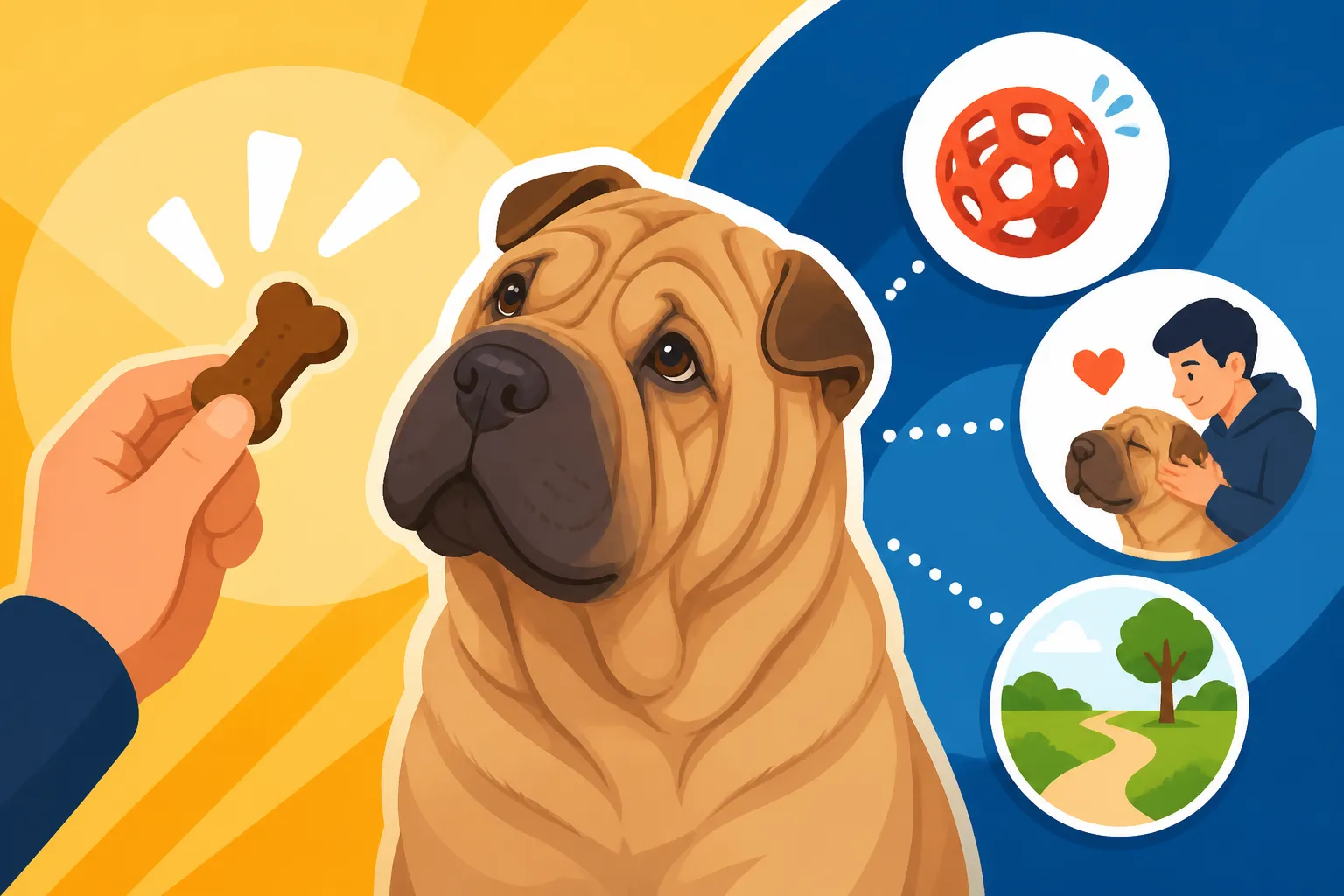
What Motivates a Shar Pei
Anyone who has ever tried to train a Shar Pei knows that they aren't your typical eager-to-please golden retriever. Trying to figure out what truly motivates these independent, strong-willed dogs can feel like trying to solve a cryptic puzzle, often leaving you frustrated and wondering if your methods are entirely off base. This comprehensive guide is here to unravel the mysteries of the Shar Pei mind, helping you discover effective strategies to engage and motivate your beloved wrinkled companion for successful training and a happier life together.
Understanding the Shar Pei Mindset: Why Traditional Methods Fall Short
Before we even talk about specific motivators, it's crucial to grasp the fundamental personality of a Shar Pei. They weren't bred to fetch your slippers or win obedience championships. Their history as guardians and homestead dogs in rural China shaped a very different approach to life and, by extension, to training. Expecting them to conform to methods designed for breeds with strong inherent desire to please is often a recipe for disappointment.
The Shar Pei's Independent Nature and Guarding Instincts
Shar Pei are, by nature, deeply independent thinkers. They operate on their own terms, making decisions based on what they perceive as beneficial or necessary, rather than constantly seeking human approval. This isn't stubbornness in a malicious sense; it's simply how their ancient programming works. Think about their original purpose: guarding property. A good guard dog needs to be vigilant, observant, and capable of acting decisively without constant direction. This translates into a dog that often evaluates a command and decides if it's worth their effort.
Their guarding instincts also mean they can be reserved and watchful, especially around strangers or in new environments. They're not wired to greet every passerby with wagging tail and an open heart. This aloofness can sometimes be mistaken for disinterest or a lack of engagement during training, when in reality, they might be highly aware of their surroundings and prioritizing their perceived role as protectors. You'll often find that what you might interpret as "ignoring a cue" is simply a Shar Pei weighing up whether that cue is more important than the squirrel across the street or the person walking past your window. This intrinsic independence is something you can't train out of them, but you can certainly learn to work with it.
How Their Unique Vision Affects Their Training Perception
One often-overlooked aspect that significantly impacts a Shar Pei's engagement in training is their unique physical conformation, specifically their eyes. With their deeply set eyes and often heavy wrinkling around the face, Shar Pei have a more limited field of vision compared to many other breeds. They simply cannot see as much of the world around them, especially peripherally. This means they might not see you coming from the side, or notice a hand signal you're giving if it's not directly in their line of sight.
Imagine trying to follow instructions when you have tunnel vision. It's disorienting and requires extra effort. For a Shar Pei, this isn't a temporary state; it's their everyday reality. This can make them easily startled, leading to defensive reactions if approached unexpectedly. During training, it means you need to be very intentional about your body language and where you place your cues. A Shar Pei might legitimately miss a visual cue if you're standing slightly out of their limited visual cone. This physical trait contributes to their cautious nature and the need for a very deliberate, consistent, and clear training approach from your end. Understanding How Much a Shar Pei Can See to Its Sides is really vital here.
Why They're Not "Please the Owner" Dogs
Unlike breeds known for their strong desire to please, often called "biddable," a Shar Pei typically doesn't gain primary motivation from your beaming smile or enthusiastic praise alone. While they certainly appreciate affection and a strong bond with their chosen family, their internal drive isn't primarily to make you happy. Their motivation is more self-serving – what's in it for them? This isn't to say they don't love you; they deeply bond with their people. However, when it comes to learning a new command or performing a trick, they're instinctively asking, "Why should I do this?"
This fundamental difference means that traditional training methods that rely heavily on intangible rewards like "good boy!" or simply a scratch behind the ears might not be enough to hold a Shar Pei's attention or make them consistently perform. You need to present a compelling argument, something tangible and highly desirable, to convince them that following your lead is genuinely worth their while. This shifts the focus from an expectation of inherent compliance to a strategy of positive negotiation, where you are offering them something they truly value in exchange for the behavior you desire. It requires a lot of patience and creativity from the owner's side, and an understanding of The Headstrong Streak Nobody Trains Out of a Shar Pei.
The Power of Positive Reinforcement: What Truly Drives a Shar Pei
Given their independent nature, positive reinforcement is not just a good idea for Shar Pei; it's often the only effective approach. Harsh handling or punitive measures will quickly shut a Shar Pei down, erode trust, and can lead to aggression. Instead, focus on making training a positive, rewarding experience where they want to participate because good things happen when they do.
High-Value Treats: The Gold Standard for Shar Pei Motivation
If you're looking for a quick and effective way to get your Shar Pei's attention and motivate them to learn, high-value treats are your secret weapon. These aren't your everyday dry kibble. We're talking about something truly irresistible, something they rarely get, and something that smells absolutely amazing. Think small pieces of cooked chicken, cheese, hot dogs, or even freeze-dried liver. The smellier and softer, the better, as they're quick to eat and don't interrupt the training flow.
The key is value. What does your Shar Pei consider a five-star gourmet experience? For one dog, it might be a bit of roast beef; for another, a chunk of cheddar. Experiment to find their absolute favorites. During initial training, use these top-tier treats exclusively for training sessions, so they retain their special status. Keep them tiny – pea-sized is often plenty – so you don't overfeed your pup. Many owners find it helpful to buy larger quantities of suitable treats from places like Amazon to ensure a steady supply, cutting them into small portions as needed. This tangible reward creates a clear association: perform the desired action, get a delicious mouthful. This method appeals directly to their "what's in it for me?" mindset.
Praising Success: The Role of Verbal and Physical Affection
While high-value treats are primary, don't underestimate the power of enthusiastic verbal praise and gentle physical affection. For a Shar Pei, these aren't always the drivers of the behavior, but they act as crucial reinforcing elements that strengthen the bond and make the training experience more enjoyable. When your Shar Pei performs correctly, pair that high-value treat with a genuinely happy "Yes!" or "Good dog!" delivered in a cheerful tone.
Physical affection, when offered on their terms, can also be a powerful reward. A quick scratch behind the ears, a gentle rub on their chest, or a brief stroke along their back can communicate your approval. However, remember that many Shar Pei are not overly keen on prolonged cuddling or being hugged, as their guarding instincts and physical structure can make them feel trapped or uncomfortable. Be mindful of your individual dog's preferences. A Shar Pei's subtle signals, like a soft gaze or a relaxed posture, will tell you if your physical praise is welcome. The goal is to make them feel good about their accomplishment, fostering a positive emotional connection to the learning process, which in turn makes them more receptive to future training.
Toy Motivation: Tapping into Their Play Drive
Beyond edible rewards, toys can be incredibly effective motivators for many Shar Pei, especially if they have a strong prey drive or love to retrieve. The right toy can ignite their playful side and be just as rewarding as a treat. Tug toys, squeaky toys, or even a favorite bouncy ball can be used to reward a successful command. The key here is to make the toy interaction a consequence of the desired behavior. For instance, after a successful "sit" or "stay," you might immediately engage in a short game of tug or throw their favorite ball.
The value of the toy, much like treats, is subjective. Some Shar Pei might be obsessed with a specific type of plush toy, while others prefer a robust chew toy. Observe what your dog naturally gravitates towards during playtime. Use these preferred toys exclusively for training rewards to maintain their high appeal. Short bursts of play as a reward can also help break up the monotony of training sessions, keeping your Shar Pei engaged and preventing boredom. This can be particularly useful when you're working on commands that require a lot of repetition. Exploring different kinds of toys from retailers like Amazon can help you find exactly what sparks your Shar Pei's interest.
Beyond Treats: Exploring Other Motivators for Your Shar Pei
While treats often grab their initial attention, relying solely on food isn't always sustainable or ideal. Diversifying your motivational toolkit helps keep things fresh and allows you to tailor rewards to different situations and your dog's changing mood.
The Allure of the Chase: Using Movement and Scent
Many Shar Pei, due to their heritage, possess a natural prey drive and a keen sense of smell. You can harness these instincts as powerful motivators. For some, the mere act of chasing a thrown toy, even if they don't bring it back, is a huge reward. Others might be highly motivated by scent work, where they use their noses to find hidden treats or toys. This taps into their problem-solving abilities and gives them a mental workout.
Consider using a flirt pole for a Shar Pei with a strong chase drive; the movement of the lure can be incredibly engaging and rewarding after a successful command. For scent work, you can start simple by hiding a high-value treat under one of three cups and having them "find" it. Gradually increase the difficulty. This type of reward provides mental stimulation and physical exercise, which can be far more fulfilling for a Shar Pei than simply eating a treat. It encourages them to use their natural talents and offers a different kind of satisfaction that can be deeply motivating.
The Comfort of Routine and Predictability
Shar Pei, like many dogs, thrive on routine and predictability. Knowing what to expect can be a strong, albeit subtle, motivator. A consistent schedule for meals, walks, and training sessions creates a sense of security and reduces anxiety, making them more receptive to learning. When they understand the rhythm of their day, they can relax and focus.
For example, if a walk is their absolute favorite part of the day, you can use the anticipation of the walk as a reward for a short training session. "Sit" before the leash goes on, "stay" before the door opens. This uses something they already desire and makes it contingent on performing a simple command. This isn't about withholding; it's about structuring their day in a way that shows them that cooperation leads to good things happening. This predictability helps build trust and makes them feel more in control of their environment, which is a powerful motivator for an independent breed.
Access to Preferred Spaces or Activities
Think about what your Shar Pei loves to do and where they love to be. Is it cuddling on the sofa (on their terms, of course)? Getting to go out in the yard? Having a specific chew toy? Access to these preferred spaces or activities can serve as an excellent reward. For instance, if your Shar Pei enjoys lounging on the couch, ask for a "down-stay" on the floor for a few minutes, then release them with "okay, couch!" This makes the couch a reward for their calm behavior.
Similarly, if they love car rides, asking for a calm "sit" before jumping into the car can reinforce good manners. These are often called "life rewards" because they are things that naturally occur in your dog's daily life that they find reinforcing. By strategically making these desirable activities contingent on a desired behavior, you are teaching your Shar Pei that cooperating with you unlocks access to the good stuff. This is a powerful, intrinsic motivator that builds on their existing desires.
Overcoming Challenges: When Your Shar Pei Just Isn't Motivated
There will be days when your Shar Pei acts like they've never heard a command in their life, even with their favorite treats on offer. It's frustrating, but it's often a sign that something else is at play. Don't take it personally; instead, become a detective.
Identifying the Root Cause: Health, Stress, or Boredom
When your typically engaged (for a Shar Pei, that is!) dog suddenly seems disinterested or unmotivated, the first step is always to rule out underlying issues. Is there a health problem? Pain, discomfort, or an undiagnosed illness can significantly impact a dog's willingness to participate in training. Ear infections are common in Shar Pei due to their narrow ear canals, and could cause discomfort affecting focus. A Shar Pei Has the Narrowest Ear Canals of Any Breed. A quick vet check is always a good starting point if there's a sudden change in behavior.
Beyond health, consider stress. Has there been a change in the household routine? New people, new pets, loud noises? Shar Pei can be sensitive to environmental shifts. A stressed dog will not be receptive to learning. Lastly, boredom can be a major factor. If training sessions are repetitive, too long, or always the same, your intelligent Shar Pei might simply tune out. They might also be experiencing "extinction burst" where they try harder to get the reward but then give up. This is where variety and mental stimulation become critical.
The Importance of Short, Engaging Training Sessions
Shar Pei are not known for their endless enthusiasm for repetitive tasks. Their attention spans can be shorter than those of other breeds, and they'll quickly check out if they're bored. This is why short, frequent, and highly engaging training sessions are far more effective than long, drawn-out ones. Aim for 3-5 minute bursts, several times a day, rather than one 30-minute session.
During these mini-sessions, keep the energy positive and fun. End on a high note, even if it means asking for an easy command they're sure to nail. This leaves them wanting more, rather than feeling drained or frustrated. Use a variety of commands and rewards, and always be flexible. If your Shar Pei is clearly not "feeling it" today, try a different type of activity or simply end the session and try again later. Forcing it will only create negative associations with training. Remember, it's about making it a game they want to play, not a chore they have to endure. Understanding How Long a Shar Pei Will Work in a Session is key to preventing burnout.
Seeking Professional Guidance for Stubborn Shar Pei
Sometimes, despite your best efforts, a Shar Pei can present behavioral challenges that feel insurmountable. Perhaps you're dealing with specific issues like leash reactivity, resource guarding, or persistent refusal to engage. In these cases, don't hesitate to seek the help of a certified professional dog trainer or a veterinary behaviorist. They have the experience and knowledge to assess your individual dog, identify underlying causes, and develop a tailored training plan.
A good trainer understands breed-specific traits and can help you navigate the nuances of Shar Pei behavior. They can teach you new techniques, help you refine your timing, and most importantly, show you how to communicate more effectively with your unique dog. Look for trainers who use positive reinforcement methods and have experience with independent breeds. Resources like online puppy school programs, such as those offered by BAXTER & Bella, can also provide structured guidance and support from experienced trainers, even if you're not dealing with a puppy. They can often help you understand the core of Stubborn or Independent: Reading a Shar Pei.
Tailoring Motivation to Your Shar Pei's Unique Personality
Every Shar Pei is an individual, even within the breed. What lights up one dog might leave another completely cold. The most successful approach to motivation involves understanding your specific dog's quirks and preferences and adapting your strategy accordingly.
Recognizing Individual Preferences in Treats and Toys
Just as humans have favorite foods and hobbies, your Shar Pei has their own unique palate and play preferences. What makes one dog's eyes light up might not move another. It’s crucial to experiment and really observe your dog during both training and free time. Does your Shar Pei go absolutely wild for a tiny piece of dried liver, or do they turn their nose up at it, preferring a bit of plain cheese? Are they obsessed with fetching a tennis ball, or do they find chasing a crinkly toy much more exciting?
Keep a mental note, or even a literal list, of their top-tier motivators. These "jackpot" rewards should be reserved for big breakthroughs or particularly challenging commands, making them even more special. What a Shar Pei finds highly motivating can even change over time, so be prepared to adjust your offerings. Having a selection of various high-value treats on hand, perhaps from a diverse order on Amazon, means you're always ready to capture their attention. This isn't just about what works; it’s about what truly excites your Shar Pei.
Adapting Methods for Different Energy Levels and Temperaments
Not all Shar Pei are cut from the same cloth. Some might be more energetic and playful, while others are content with a more sedentary existence. Their natural temperament and current energy levels should heavily influence your motivational approach. For a more active Shar Pei, incorporating movement and games into training can be a fantastic motivator. A quick game of fetch after a perfect "recall" might be far more rewarding than a treat.
Conversely, for a calmer, more reserved Shar Pei, quiet praise and a favorite chew toy in their designated comfortable spot might be more effective. If your dog is naturally more independent and less outwardly demonstrative, building a training routine that respects their space and doesn't overwhelm them with constant physical interaction will be key. This means understanding their boundaries, and offering praise and rewards in a way that aligns with How a Shar Pei Feels About Being Petted. Observe if your Shar Pei is more responsive first thing in the morning when rested, or later in the day after some exercise. Tailoring the time and intensity of your training to their natural rhythms will yield much better results.
Building a Stronger Bond Through Play and Shared Activities
Ultimately, one of the most powerful motivators for a Shar Pei, or any dog, is the strength of their bond with you. When your dog sees you as a source of fun, security, and positive experiences, they are naturally more willing to engage and cooperate. This bond isn't built solely through formal training sessions but through shared activities and genuine playtime.
Engage in activities that your Shar Pei genuinely enjoys. This could be a leisurely walk around the neighborhood, a short game of tug, or even just sitting together quietly. Use these moments to build positive associations. If your dog loves to follow you around the house, acknowledge their presence with a soft word or a gentle pet. Enroll in a fun, non-competitive class together, like scent work or a basic tricks class, where the focus is on fun and teamwork rather than strict obedience. Programs like BAXTER & Bella offer online resources that can help you find creative ways to engage your dog and strengthen that relationship. The more positive experiences you share, the deeper your bond, and the more motivated your Shar Pei will be to work with you because it reinforces How a Shar Pei Bonds to Its Family.
Long-Term Motivation: Keeping Your Shar Pei Engaged
Training isn't a one-and-done event; it's a lifelong journey, especially with a breed as intelligent and independent as the Shar Pei. Keeping them motivated over the long haul requires ongoing effort, creativity, and a consistent commitment to their well-being.
Introducing Variety to Prevent Boredom
Monotony is the enemy of motivation, particularly for a smart dog like a Shar Pei. If every training session involves the same "sit, stay, down" routine in the same location with the same treats, they will quickly become bored and disengaged. To keep them sharp and eager, introduce variety into your training routine. Change the location: train in the living room one day, the backyard the next, and a quiet park on another.
Vary the commands you practice, mixing up old favorites with new challenges. Teach them fun tricks, like "shake a paw" or "spin." Incorporate mental enrichment games, like puzzle toys or snuffle mats, which provide a different kind of challenge and reward. Even simply using a different type of high-value treat, or alternating between food and toy rewards, can add enough novelty to pique their interest. A Shar Pei's intelligence means they thrive on mental stimulation, and a varied training regimen prevents the dreaded "Shar Pei shrug" of indifference.
Maintaining Consistency Without Monotony
Consistency is vital in training; it helps your Shar Pei understand expectations and builds good habits. However, consistency doesn't have to mean boring. The trick is to be consistent in your cues, expectations, and reinforcement principles, while varying the context and rewards. For example, the cue for "sit" should always be the same, and you should always reward a successful sit. But how you reward (treat, toy, praise) and where you ask for the sit can vary.
Regularly practice commands in different environments, with varying distractions. This generalizes their learning, teaching them that "sit" means "sit" whether you're in the kitchen or at the park. Even after they've mastered a command, occasionally reward them unexpectedly for performing it correctly. This intermittent reinforcement keeps them guessing and hoping for a reward, making them more likely to continue offering the behavior. This balanced approach ensures that your Shar Pei remains clear on what you want while staying engaged and interested in the process.
Celebrating Small Wins and Continuing the Learning Journey
Remember that progress isn't always linear, especially with a Shar Pei. There will be days of brilliant breakthroughs and days where it feels like you're starting from scratch. It's crucial to celebrate every small win, no matter how minor it seems. Did your Shar Pei offer eye contact for a moment longer? Did they take one extra step in their recall? Acknowledge it, praise it, and reward it. These small successes build confidence in both you and your dog.
The learning journey with a Shar Pei is ongoing. Even senior Shar Pei can learn new things and benefit from continued mental stimulation. As they age, their physical abilities might change, so adapt your activities accordingly. Perhaps less intense chasing games and more focus on scent work or gentle puzzle toys. Keep exploring new ways to engage them, whether it's through new training classes, interactive toys, or simply discovering new walking routes. A lifetime of learning and positive interaction will ensure your Shar Pei remains a happy, well-adjusted, and motivated companion.
| Motivator Type | Description | Shar Pei Effectiveness (General) | Best Application | Things to Consider |
|---|---|---|---|---|
| High-Value Treats | Small, soft, and pungent food items (chicken, cheese, hot dogs). | Very High | Initial training, proofing commands in distracting environments. | Keep portions tiny to avoid overfeeding; rotate types to maintain interest. |
| Verbal Praise | Enthusiastic "Good dog!" or "Yes!" in a happy tone. | Moderate to High | Always pair with other rewards; strengthens positive associations. | Must be genuine and timely; Shar Pei appreciate sincerity but aren't solely driven by it. |
| Physical Affection | Gentle scratches, rubs, on their terms. | Moderate | Bond-building, reinforcement for calm behavior, when they seek it. | Many Shar Pei dislike hugs or prolonged physical restraint; respect their boundaries. |
| Favorite Toys | Specific tugs, squeakers, balls, or chew toys. | Moderate to High | Commands with an action (e.g., retrieve, drop it), play breaks. | Reserve for training to maintain high value; short play bursts are key. |
| The Chase | Allowing them to chase a flirt pole, thrown toy, or even you. | High | For Shar Pei with prey drive; as a release reward or energy outlet. | Ensure safe environment; manage their excitement level to prevent over-arousal. |
| Scent Work | Hiding treats or toys for them to find using their nose. | High | Mental stimulation, builds confidence, good for calmer dogs. | Start simple and gradually increase difficulty; can be done indoors or outdoors. |
| Access to Desirables | Earning a walk, couch time, or a special bone by performing a task. | High | Everyday manners, proofing impulse control (e.g., "sit" before door opens). | Clearly link behavior to reward; don't make it feel like punishment if they don't perform. |
| Consistency/Routine | Predictable daily schedule, clear expectations. | High | Overall well-being, reduces stress, foundational for all training. | Not a direct reward for specific behaviors, but creates an environment conducive to motivation. |
Disclaimer
This article is for general informational purposes only and does not constitute professional advice. Laws, prices and regulations vary by location and change over time. Consult a qualified professional for guidance on your specific situation.


