Whether a Harness Suits a Shar Pei Better
One of the trickiest parts of owning a Shar Pei is figuring out the best way to walk them, especially when you consider their unique anatomy. Many new Shar Pei parents quickly discover that a traditional collar just doesn't quite cut it, often causing discomfort or even making leash manners worse. This guide will dive deep into why a harness is often the superior choice for your wrinkly companion, exploring the benefits, different types, and how to pick one that will keep your Shar Pei comfortable and safe on all your adventures.
The Unique Challenges of Collars for a Shar Pei
Let's be real, a standard flat collar, while fine for many breeds, can present a whole host of issues for our beloved Shar Pei. Their deep-set eyes, broad heads, and signature neck wrinkles aren't just adorable; they dictate how we need to approach their walking gear.
Neck Anatomy and Potential for Discomfort
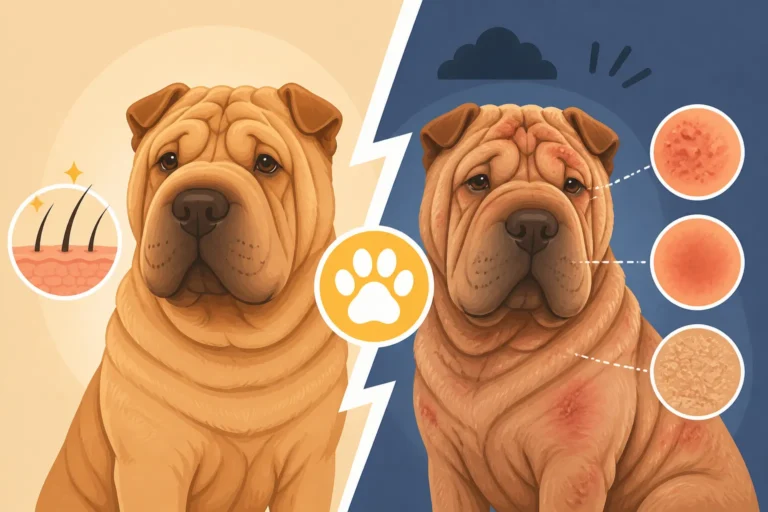
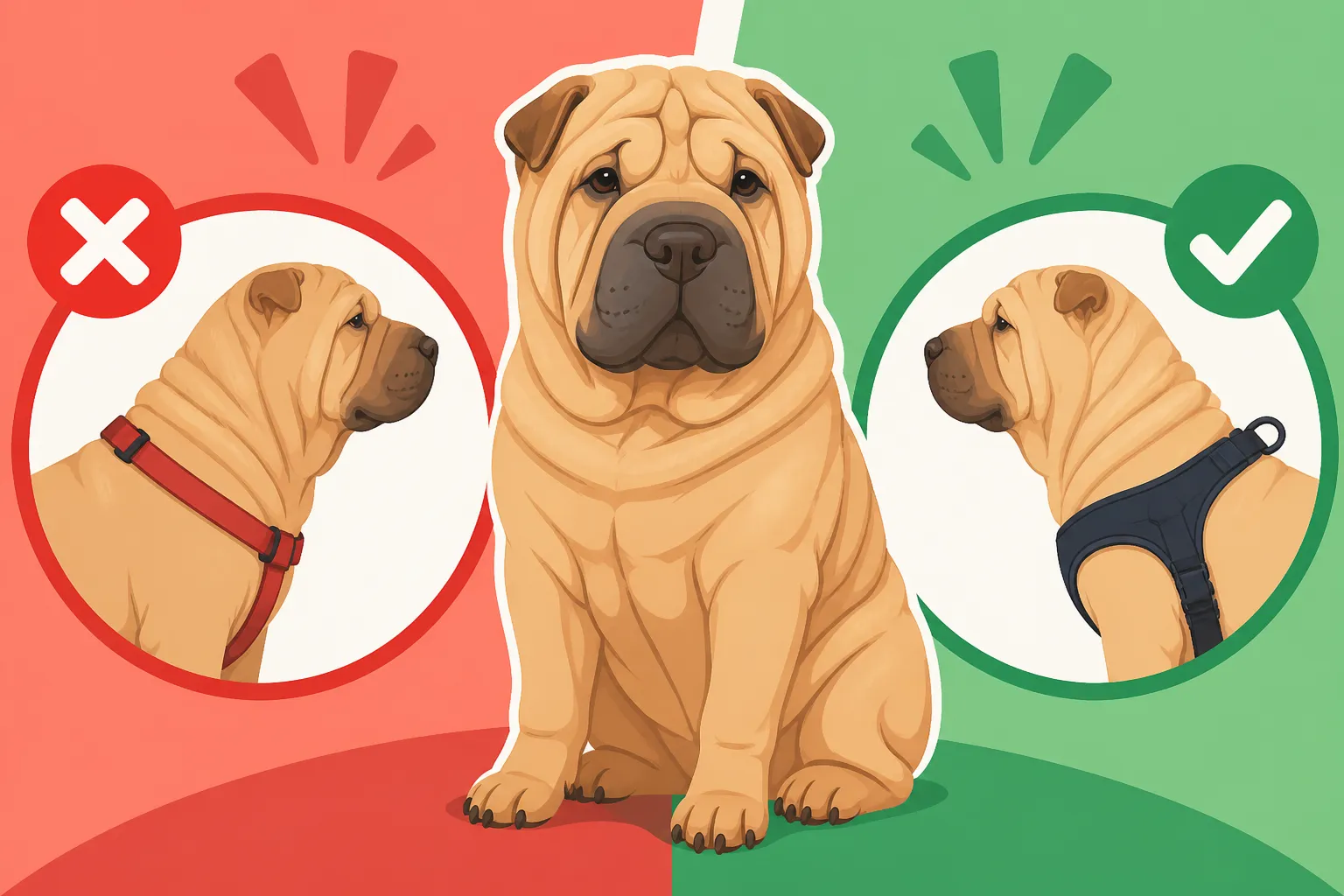
Have you ever tried to put a collar on your Shar Pei only to have it disappear into a magnificent roll of neck skin? It's a common sight! Their abundant skin, especially around the neck and throat, means a collar often doesn't sit properly. Instead of resting on a firm part of the neck, it can shift and chafe against delicate skin folds. This constant rubbing isn't just irritating; it can lead to skin irritation, hair loss, and even painful Skin Fold Dermatitis on a Shar Pei. Imagine having a rough band constantly digging into your skin folds – not pleasant, right? For a Shar Pei, this discomfort can turn walks into a battle, making them more resistant to the leash and less likely to enjoy their time outdoors.
Beyond the skin, there's the more serious concern of tracheal pressure. Shar Pei often have shorter, thicker necks, and if they pull on a collar, that pressure goes directly onto their windpipe. This can lead to coughing, gagging, and difficulty breathing, especially for dogs prone to tracheal collapse or other respiratory sensitivities. It's a particular worry if your Shar Pei is prone to pulling or suddenly lunging.
Vision Limitations and Startle Response
One characteristic often overlooked is a Shar Pei's limited peripheral vision. Those wonderful, deep-set eyes, while giving them a wise, ancient look, also mean they can't see much to their sides without turning their entire head. Whether a Shar Pei's Eyes Limit Its Peripheral Vision is a significant factor in their behavior. This visual limitation can make them easily startled, especially if something approaches from the side or behind.
When a Shar Pei is startled, their natural instinct might be to lunge or try to escape. If they're on a collar, this sudden movement can result in a sharp jolt to their neck, exacerbating the tracheal issue we just discussed. It also doesn't provide the control you need to safely redirect them or bring them back to a calm state. A harness, by distributing pressure across their chest and shoulders, offers a much safer and more humane way to manage these sudden reactions, protecting their delicate neck from injury. Why a Shar Pei Startles: It Cannot See You Coming makes this a particularly important consideration.
Why a Harness Can Be a Better Choice for Your Shar Pei
Given the challenges collars pose, it becomes clear why harnesses are so often recommended for Shar Pei. They address many of the breed-specific anatomical and behavioral traits, making walks more enjoyable and safer for both you and your furry friend.
Enhanced Safety and Control
The primary benefit of a harness is the superior control it offers without putting pressure on your Shar Pei's neck. Instead of pulling on their throat, a harness distributes tension across their chest, shoulders, and back. This makes it much easier to guide your dog, whether you're navigating a crowded street or trying to prevent them from chasing a squirrel. If your Shar Pei has The Headstrong Streak Nobody Trains Out of a Shar Pei, a harness can provide the leverage you need to gently but firmly steer them, making training sessions more effective and less confrontational.
This improved control also translates directly to safety. Should your Shar Pei lunge unexpectedly, a harness keeps them secure without the risk of choking or slipping out of a collar. For dogs with skin sensitivities, a well-fitted harness avoids rubbing against the delicate throat and neck folds where fold infections might occur.
Increased Comfort for Walks
Imagine wearing something that constantly chafes or restricts your breathing every time you move. That's what a poorly chosen collar can feel like for a Shar Pei. A properly fitted harness, on the other hand, allows for natural movement of their head, neck, and shoulders, leading to a much more comfortable walking experience. This comfort is paramount, especially since An Hour a Day Suits a Shar Pei, and Heat Cuts It Short, meaning even short walks should be as pleasant as possible.
When your Shar Pei is comfortable, they are more likely to enjoy their walks, engage with you, and be receptive to training. They won't be constantly distracted by an uncomfortable rub or the feeling of restriction around their throat. This can foster a more positive association with leash training and outdoor activities, turning a chore into a shared joy.
Better for Training and Socialization
Training a Shar Pei requires patience and positive reinforcement, and that includes teaching good leash manners. A harness can be an invaluable tool in this process. With a front-clip harness, for example, any pulling motion redirects your dog back towards you, making it difficult for them to pull effectively. This teaches them that pulling gets them nowhere, while walking politely keeps them moving forward.
Furthermore, early and positive Socialize a Shar Pei Before Twelve Weeks or Pay for It Later is critical. When introducing your Shar Pei puppy to new sights, sounds, and people, you want them to feel secure and comfortable. A harness provides that security, allowing you to manage their reactions calmly without adding the stress of neck pressure. This can help them build confidence and develop into a well-adjusted adult dog.
Different Harness Types and Their Suitability for Shar Pei
Not all harnesses are created equal, and what works wonderfully for a Labrador might not be ideal for a Shar Pei. Understanding the different types available will help you make an informed decision for your unique companion.
Back-Clip Harnesses
These are the most common type of harnesses, with the leash attachment point located on the dog's back, usually between the shoulder blades.
- Pros for Shar Pei:
- Less Neck Pressure: The primary advantage is that there's no pressure on the neck or throat, which is excellent for Shar Pei.
- Comfort: They are generally comfortable for most dogs and don't restrict natural movement when fitted correctly.
- Easy to Put On: Many designs are simple to slip over the head and clip around the chest.
- Cons for Shar Pei:
- Encourages Pulling: For a dog that pulls, a back-clip harness can actually enable pulling, as it allows them to lean into the harness and use their full body strength. This might not be ideal if your Shar Pei is a strong puller.
- Less Control: If your Shar Pei lunges or needs quick redirection, a back-clip harness offers less steering control compared to a front-clip.
Front-Clip Harnesses (No-Pull Harnesses)
Front-clip harnesses have the leash attachment point on the dog's chest, typically around the sternum.
- Pros for Shar Pei:
- Discourages Pulling: When your Shar Pei pulls, the leash attachment point on their chest gently guides them to turn back towards you, making it difficult to pull forward. This is incredibly effective for dogs learning leash manners.
- Excellent Control: This design provides much better steering and control, which can be a huge benefit for managing a powerful or reactive Shar Pei.
- No Neck Pressure: Like back-clip harnesses, they completely bypass the neck and throat, making them safe for your Shar Pei's delicate anatomy.
- Cons for Shar Pei:
- Potential for Entanglement: The leash can sometimes get tangled in their legs if the harness isn't well-fitted or if they move erratically.
- Fit Can Be Tricky: Some designs might not sit perfectly on a broad-chested Shar Pei, potentially leading to rubbing under the armpits if the fit isn't spot-on.
Dual-Clip Harnesses
Some harnesses offer both a front and a back clip. This gives you the flexibility to use either attachment point or even both simultaneously with a double-ended leash for maximum control.
- Pros for Shar Pei:
- Versatility: You can switch between a back-clip for relaxed walks or a front-clip for training and greater control.
- Maximum Control (with double leash): Using both clips with a double-ended leash provides the most control, ideal for very strong or reactive dogs, distributing pressure even more evenly.
- Adaptable to Training Needs: Great for puppies learning leash manners or adult dogs needing refinement.
- Cons for Shar Pei:
- More Straps: Can be a bit more complex to put on due to the extra straps and attachment points.
- Bulkier: May feel a bit bulkier on smaller Shar Pei.
Here's a quick comparison of harness types for your Shar Pei:
| Harness Type | Leash Attachment | Pros for Shar Pei | Cons for Shar Pei | Best Use for Shar Pei |
|---|---|---|---|---|
| Back-Clip | Back | No neck pressure, comfortable, easy to put on. | Can encourage pulling, less steering control. | Well-behaved dogs, casual walks. |
| Front-Clip | Chest | Discourages pulling, excellent control, no neck pressure. | Leash can tangle, precise fit crucial to avoid rubbing. | Dogs learning leash manners, strong pullers, reactive dogs. |
| Dual-Clip | Both | Versatile, maximum control (with double leash). | More complex to put on, potentially bulkier. | All-around use, adaptable for training and varied walks. |
Choosing and Fitting the Perfect Harness for Your Wrinkly Pal
Finding the right harness isn't a one-size-fits-all scenario, especially for a Shar Pei. Their unique build means you'll need to pay close attention to measurements and features.
Key Considerations for a Shar Pei
When you're browsing harnesses, perhaps on platforms like Chewy or Amazon, keep these Shar Pei-specific points in mind:
- Material: Opt for soft, breathable materials that won't chafe your Shar Pei's sensitive skin or get caught in their wrinkles. Neoprene padding, soft nylon, or mesh can be good choices. Avoid overly rough or stiff fabrics.
- Padding: Extra padding, especially around the chest, armpits, and under the belly, can prevent rubbing and increase comfort. This is crucial for a breed prone to skin issues.
- Adjustability: A harness with multiple adjustment points (at the neck, chest, and girth) will allow you to get a custom-like fit. Shar Pei have broad chests but can vary greatly in neck and girth size, so adjustability is key.
- Placement of Straps: Ensure the straps don't sit directly in deep skin folds. Some harnesses have straps that are too wide or poorly positioned for the Shar Pei's unique contours. You want the harness to clear the armpits adequately to prevent chafing.
- Reflective Strips: For evening walks, reflective elements are a great safety feature, especially if your Shar Pei's coat color blends into the dark.
How to Measure and Fit for Success
The fitting process is just as important as the harness choice itself. A poorly fitted harness can be uncomfortable, ineffective, or even allow your Shar Pei to escape.
-
Measure Accurately:
- Chest Girth: This is the most crucial measurement. Use a soft measuring tape and wrap it around the widest part of your Shar Pei's rib cage, typically just behind their front legs.
- Neck Circumference: Measure around the base of their neck, where a collar would naturally sit. While less critical for harness fit, it helps ensure the neck opening isn't too tight or too loose.
- Back Length (optional but helpful): Measure from the base of the neck to just before the tail. This can help with harnesses that have a longer back panel.
-
The Two-Finger Rule: Once the harness is on, you should be able to comfortably slip two fingers between any strap and your Shar Pei's body. If you can fit more, it's too loose; if you struggle to fit two, it's too tight.
-
Check for Rubbing Points: Pay special attention to the areas behind the front legs (the armpits) and along the side of the chest. Walk your Shar Pei around in the harness for a few minutes indoors to see if any areas are rubbing or causing discomfort. Look for redness or irritation after removal. This is especially important for a breed known for Skin Is the Shar Pei's Largest Problem by Surface Area.
-
Observe Movement: Your Shar Pei should be able to walk, run, and jump without the harness restricting their natural gait or causing them to stumble. Their shoulder movement should be free and unhindered.
-
Consider Their Coat: If your Shar Pei has a very dense coat, account for that when measuring. A Horse Coat or Brush Coat Changes How You Care for a Shar Pei, and a harness might feel different on each.
Taking the time to measure correctly and ensure a perfect fit will make all the difference in your Shar Pei's comfort and your peace of mind during walks. Don't be afraid to try a few different styles or sizes from places like Chewy or Amazon to find the absolute best match for your unique companion.
Disclaimer
This article is for general informational purposes only and does not constitute professional advice. Laws, prices and regulations vary by location and change over time. Consult a qualified professional for guidance on your specific situation.