Whether a Shar Pei Guards Its Bowl
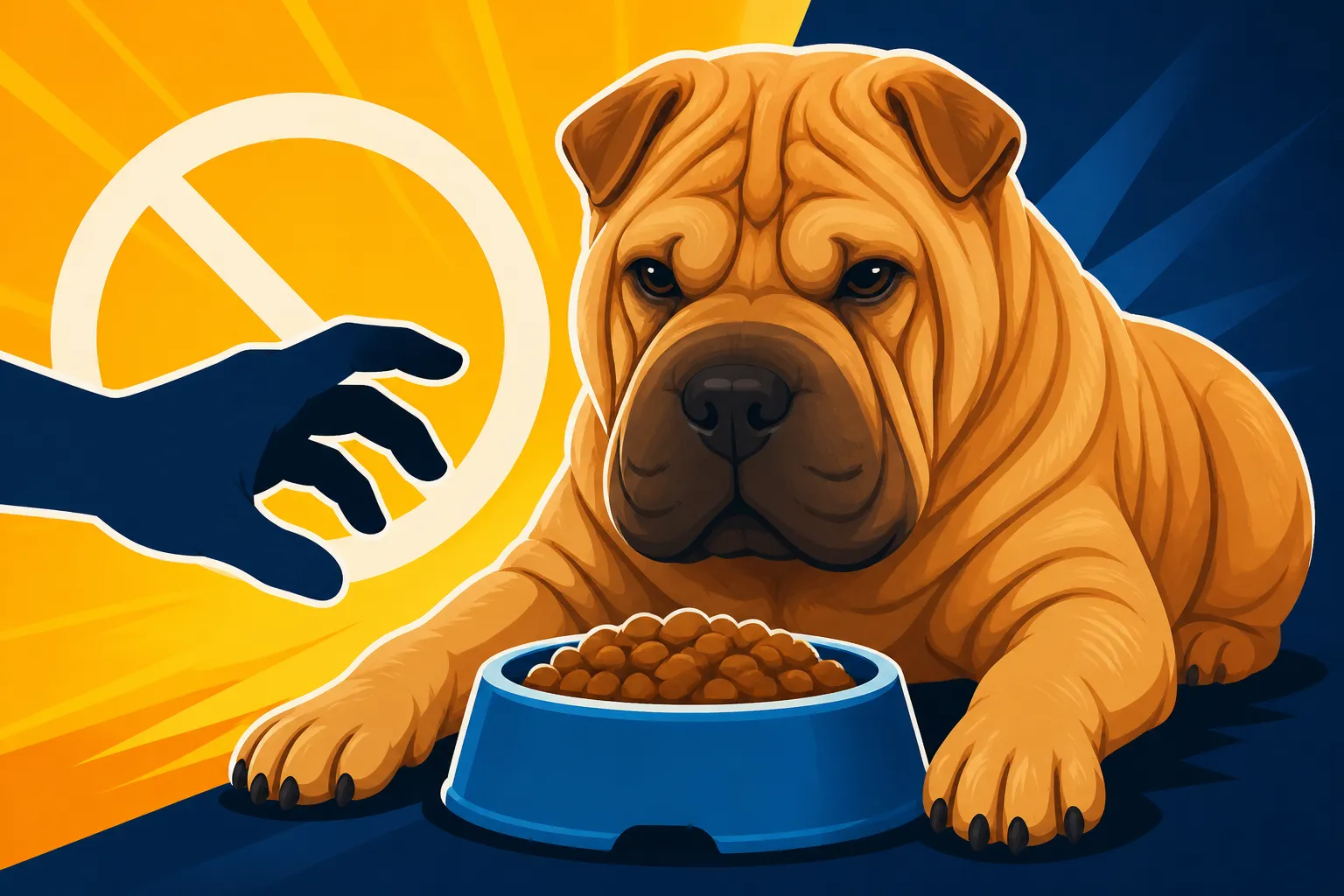
It’s a scenario many Shar Pei owners know all too well: you approach your beloved dog's food bowl, perhaps just to refill it or clean up a stray kibble, and suddenly, that sweet, wrinkled face turns into a snarling, unapproachable guardian. Resource guarding, especially around food, is a common and often distressing behavior that can leave owners feeling confused, frustrated, and even a little scared. This guide is here to unravel why your Shar Pei might be guarding its bowl and provide clear, empathetic strategies to manage and prevent this challenging behavior, ensuring a safer and happier home for everyone.
Understanding Resource Guarding in Shar Pei
Let's be real: resource guarding isn't just a "naughty dog" thing. It's an instinct, deeply rooted in canine psychology, and for a breed like the Shar Pei, it can be particularly pronounced due to their historical background. When a dog guards a resource – be it food, a toy, a bed, or even a person – they are essentially communicating, "This is mine, and I don't want you to take it." While it might seem aggressive to us, from their perspective, they're simply protecting something valuable.
The Shar Pei's Ancestral Instincts
To truly understand why your Shar Pei might be guarding their food, it helps to look back at their origins. Shar Pei were not just companion animals; they were versatile working dogs from rural China. Their roles included guarding homes, hunting wild boar, and herding livestock. These tasks required a keen sense of territoriality, self-reliance, and a strong protective instinct. They weren't bred to be overly social with strangers or to share their resources freely. You can read more about their history in What a Shar Pei Was Originally Bred to Do. This inherent predisposition to guard extends beyond just property or people; it can easily transfer to high-value items like their dinner.
Imagine a Shar Pei's ancestors in a challenging environment where food might have been scarce. The ability to protect one's meal would have been crucial for survival. While our modern Shar Pei live pampered lives, these ancient instincts still simmer beneath the surface. It's not about them being "mean" or "dominant" in a human sense; it's about a deeply ingrained survival mechanism being triggered. Recognizing this can shift our perspective from frustration to empathy, which is the first step in effective management. This isn't a behavior they choose to make your life harder; it's a hardwired response.
Why Food is Such a High-Value Resource
For many dogs, food is the ultimate resource. It's essential for life, it's pleasurable, and for a dog that has never experienced true scarcity, it still holds immense value. Think about it: when do you feel most vulnerable? Often when you're eating, if someone tries to take your plate away. Dogs can feel similarly, but their primary means of communication are growls, snarls, and snaps.
When your Shar Pei growls over their food, they're essentially saying, "I feel threatened that you might take this away from me." This feeling can be exacerbated by stress, anxiety, or a lack of trust. It's a clear signal, and as much as we dislike it, it's their way of trying to avoid a physical confrontation. Understanding that this is a warning, rather than an immediate attack, allows us to react appropriately and de-escalate the situation rather than escalating it. The goal is to make them feel secure that their food is theirs and won't be taken.
Recognizing the Signs of Bowl Guarding
Identifying resource guarding early, even in its most subtle forms, is crucial. It's much easier to address a low-level growl than a full-blown bite. Shar Pei, with their often stoic expressions and deep-set eyes, can sometimes be harder to read than other breeds, which makes paying close attention to their body language even more important.
Subtle Cues and Early Warnings
Resource guarding isn't always an explosive, overt display. Often, dogs will offer subtle warnings first, which we might miss or misinterpret. For a Shar Pei guarding its bowl, these early signs might include:
- Freezing: Your dog suddenly becomes rigid, stops eating, and stares intently at you as you approach. Their body stiffens, and they might even hold their breath for a moment.
- Hard Stare: A direct, unblinking stare that feels intense and challenging, rather than curious or inviting.
- Low Growl or Rumbling: A soft, almost guttural sound that might be barely audible but clearly communicates displeasure.
- Eating Faster: As you get closer, they might suddenly start gulping their food down at an accelerated pace, trying to finish it before you can intervene.
- Body Blocking: Positioning their body over the bowl, physically trying to shield it from your view or reach. This might involve turning their back to you slightly or curving their body protectively.
- Showing the Whites of Their Eyes (Whale Eye): When their head is turned slightly away, but their eyes are swiveled to keep you in sight, revealing the whites. This is often a sign of stress or discomfort.
It's vital not to punish these early warnings. A growl is a dog's way of saying, "Please back off." If you punish the growl, the dog learns that growling is unsafe, but not that their underlying discomfort is unwarranted. They might then skip the growl and go straight to a bite in the future, which is far more dangerous.
Escalation: Overt Aggression
If the subtle cues are ignored or if the dog feels severely threatened, the behavior can escalate quickly. Overt aggression related to bowl guarding can look like:
- Snapping: A quick, open-mouthed lunge without making contact, or sometimes making contact but without biting down. This is a clear "stay away" signal.
- Lunging: A sudden forward movement towards you, often accompanied by barking or growling, to push you back from the resource.
- Biting: This is the most serious form of resource guarding, where the dog makes actual physical contact with their teeth, resulting in a bruise, scratch, or puncture wound.
It's important to remember that a Shar Pei's wrinkles can sometimes make their facial expressions harder to read. Their small, deep-set eyes and often padded muzzle can mask the nuances of a typical canine grimace. This makes observing their entire body, from tail to ear set, and listening closely to any vocalizations, even more critical. If your Shar Pei is showing any of these more severe signs, it’s a serious safety concern that needs immediate and consistent intervention. For many, this will mean enlisting the help of a certified professional dog trainer or behaviorist.
Strategies for Managing and Preventing Bowl Guarding
Addressing bowl guarding requires patience, consistency, and a commitment to positive reinforcement. The goal is to change your Shar Pei's emotional response to your presence near their food from anxiety to anticipation of something good.
Setting Up a Safe Feeding Environment
The first step is to manage the environment to prevent guarding incidents. This means ensuring your Shar Pei feels completely secure during meal times.
- Feed in a Quiet, Undisturbed Area: Designate a specific, low-traffic area for your Shar Pei to eat. This could be a crate, a separate room, or a corner away from children, other pets, or busy household activity. The less they feel the need to defend their space, the better.
- Separate Feeding for Multi-Dog Households: If you have more than one dog, always feed them in separate rooms or crates. Even if they don't guard from you, they might guard from each other. A good rule of thumb is to ensure they can't see or reach each other's food bowls. The Shar Pei in a Multi Dog Household discusses the challenges of living with multiple dogs.
- Use a Heavy, Immovable Bowl: A bowl that slides around or can be easily tipped might contribute to insecurity. A heavy ceramic or stainless steel bowl that stays put can make your dog feel more in control of their meal. You can find sturdy options on retailers like Chewy or Amazon.
- Avoid Taking the Bowl Away: While this seems counterintuitive for a dog that guards, initially, you need to establish trust. Never take the bowl away while they are eating. This only confirms their fear that you are a threat to their food. Wait until they have completely finished and walked away from the bowl before picking it up.
Positive Reinforcement Training for Trust
The core of managing resource guarding is building a positive association with your presence around their food. We want them to think, "Oh, human is coming closer! Good things happen now!"
-
The "Trade Up" Game (for mild guarding):
- Start by approaching your Shar Pei while they are eating, but stay far enough away that they don't show any signs of guarding.
- Toss a high-value treat (something they love, like cooked chicken or cheese) near their bowl, but not in it.
- Immediately retreat.
- Repeat this multiple times over several meals. The idea is that your appearance signals extra goodies, not a threat.
- Gradually, over days or weeks, decrease the distance you approach before tossing the treat. The goal is for them to look up expectantly when they see you, rather than tense up.
- Eventually, you might be able to drop the treat directly into the bowl, but only when your dog is completely comfortable and showing positive body language (loose body, wagging tail).
-
Adding to the Bowl (for prevention and mild cases):
- If your dog is not yet guarding, or has only shown very mild signs, you can practice adding small amounts of highly desirable food to their bowl while they are eating.
- Walk by, drop a pinch of something special (like some boiled chicken or a favorite crunchy treat), and continue walking.
- This reinforces that your presence means an increase in value, not a decrease.
-
"Empty Bowl" Exercises:
- Start by feeding your Shar Pei small portions of their meal. Once they finish that portion, approach, say something positive ("Good dog!"), and add another small scoop of food.
- Repeat this several times throughout the meal. This teaches them that your approach leads to more food, not less, and helps them associate your presence with generosity.
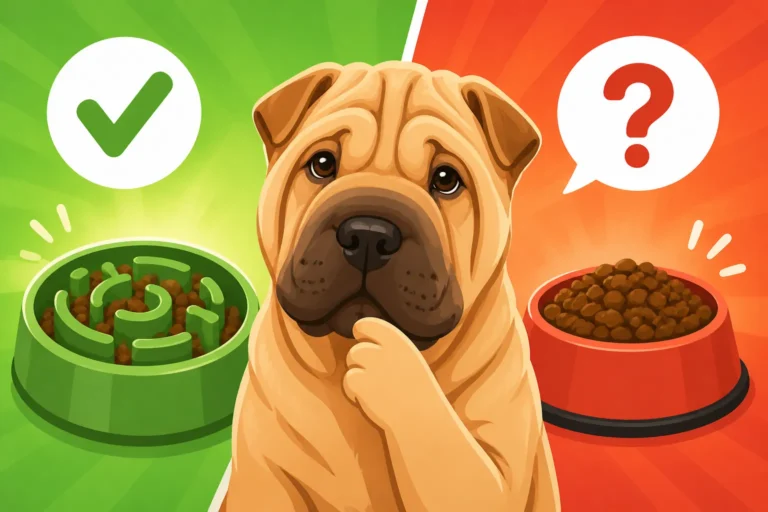
Remember, consistency is key. Every interaction around the food bowl should reinforce the idea that your presence is a good thing. Never push your dog past their comfort level. If they show any signs of stress or guarding, increase your distance and try a less intrusive approach. For dogs that eat very quickly, a slow feeder bowl from a brand like Amazon can help prolong the meal, giving you more opportunities for positive interaction. You might also explore specialized diets from companies like Ollie if food quality or palatability contributes to their guarding intensity.
Professional Guidance and Safety Protocols
If your Shar Pei exhibits moderate to severe resource guarding (snapping, lunging, biting), it is crucial to seek help from a certified professional dog trainer or veterinary behaviorist. This is not a behavior to try and fix alone, as there is a real risk of injury. A professional can assess your dog's specific situation, identify triggers, and develop a tailored management and modification plan.
In the meantime, establish strict safety protocols:
- Children and Pets: Never allow children or other pets near your Shar Pei while they are eating. This is non-negotiable. Children, especially, may not understand subtle canine warnings.
- "Leave It" Command: Teach a strong "leave it" command for dropped food or other items. This is a valuable safety tool.
- No Free Feeding: Stick to scheduled mealtimes. Free feeding (leaving food out all day) can make it harder to manage guarding behavior and monitor intake.
- Basket Muzzle Training: For severe cases, muzzle training with a well-fitting basket muzzle can provide a layer of safety during training or in situations where guarding is unavoidable (e.g., vet visits). This should always be introduced positively and gradually, never as punishment.
It's also worth noting that harsh handling or punishment will only worsen resource guarding. A Shar Pei will likely respond to such methods by becoming more fearful, which can escalate aggression. How a Shar Pei Responds to Harsh Handling explains why positive methods are always best for this breed.
Living with a Bowl-Guarding Shar Pei
Successfully managing a Shar Pei with resource guarding is about creating a predictable, low-stress environment where they feel secure about their possessions. It's a journey of building trust and understanding, not a quick fix.
Building Trust Beyond the Bowl
Resource guarding isn't just about the food bowl; it's often a symptom of underlying anxiety or a lack of trust. Extending your positive interactions beyond meal times can significantly improve their overall sense of security.
- Consistent Routine: Dogs thrive on routine. Predictable feeding times, walks, and training sessions can reduce anxiety and make your Shar Pei feel more secure in their environment.
- Positive Reinforcement for All Interactions: Use positive reinforcement for desired behaviors throughout the day. Reward calm behavior, successful training cues, and gentle interactions. This builds a strong, positive relationship. Learn more about What Motivates a Shar Pei.
- Handling Exercises: Gradually acclimate your Shar Pei to being handled, especially around their face, ears, and paws. Start with short, gentle touches followed by a high-value treat. This teaches them that handling is not a precursor to something negative. How to Teach a Shar Pei Puppy to Accept Ear Handling offers specific advice for this breed.
- Understanding Their Communication: Learn to read your Shar Pei's body language beyond just food guarding. The more you understand their subtle signals of discomfort or happiness, the better you can anticipate and prevent issues. How a Shar Pei Shows Affection can help you understand their positive communication.
Long-Term Management and Expectations
Even with consistent training, some degree of resource guarding might always be present in a Shar Pei, especially if it's deeply ingrained. The goal is often management and reduction of severity, rather than complete eradication.
- Continued Vigilance: Always be mindful of your Shar Pei's behavior around high-value items, not just their food bowl. Toys, beds, and even prime sleeping spots can become guarded resources.
- Educate the Household: Ensure every member of your household, including visitors, understands the rules around your Shar Pei's food and other guarded items. Consistency from everyone is paramount.
- Consider "Work to Eat" Options: Sometimes, a dog that guards feels a greater sense of ownership over food they've "worked" for. Using puzzle feeders, snuffle mats, or dispensing toys (like those from Amazon or Chewy) for part of their meal can provide mental enrichment and a sense of accomplishment. This can also slow down eating, which might alleviate some guarding tendencies related to rapid consumption. Whether a Slow Feeder Suits a Shar Pei delves into this.
- Regular Vet Check-ups: Sometimes, pain or discomfort can exacerbate behavioral issues. Regular veterinary check-ups are essential to rule out any underlying medical conditions that might be contributing to your Shar Pei's anxiety or aggression. Whether a Shar Pei's Yearly Vet Total Is Higher Than Average reminds us that this breed often needs extra attention.
Managing bowl guarding in a Shar Pei is a journey of understanding, trust-building, and consistent management. It demands patience and a commitment to positive methods, but the reward is a safer, more harmonious relationship with your unique and wonderful companion.
| Behavior Type | Signs to Watch For | Recommended Action (Initial) | When to Seek Professional Help |
|---|---|---|---|
| Subtle Guarding | Freezing, hard stare, low growl, eating faster, body blocking. | Initiate "Trade Up" game, increase distance, add treats. | If subtle signs persist or intensify despite consistent training. |
| Overt Aggression | Snapping, lunging, biting (with or without contact). | Stop all direct interaction, secure dog, prevent access. | Immediately. This is a safety risk and requires expert intervention. |
| Prevention | No signs, new puppy, or new dog. | Establish safe feeding environment, positive interactions. | If any subtle guarding signs develop unexpectedly. |
Disclaimer
This article is for general informational purposes only and does not constitute professional advice. Laws, prices and regulations vary by location and change over time. Consult a qualified professional for guidance on your specific situation.