The Shar Pei Ear You Cannot Reach Into
If you're a Shar Pei owner, you know the frustration of trying to get a good look, let alone clean, deep inside those tiny, almost invisible ear canals. It feels like you're staring into a black hole, knowing there's a world of potential trouble in there but being utterly blocked from doing anything about it. This guide is here to unravel the mysteries of the Shar Pei's ear, explain why it's such a challenge, and give you realistic strategies for keeping your beloved companion comfortable and healthy.
Understanding the Shar Pei's Unique Ear Anatomy
The Shar Pei is a truly distinctive breed, and while their wrinkles and "hippopotamus" muzzle are often the first things people notice, it's their ears that often present some of the most persistent health challenges. Unlike many other breeds with open, upright, or even pendulous ears, the Shar Pei's ear structure is a masterclass in subtle complexity – and unfortunately, a perfect storm for problems.
Why the Ear Canal is So Narrow
The fundamental issue lies in the sheer narrowness of the Shar Pei's ear canal. It's not just a little bit smaller; it is, quite frankly, remarkably constricted, often described by veterinarians as the narrowest of any dog breed. Imagine trying to peer down a long, winding tunnel with a flashlight, only to find the tunnel barely wider than the flashlight beam itself. That's essentially what a vet faces when trying to examine a Shar Pei's ear with an otoscope.
This narrowness isn't uniform throughout the canal either; it often has tight bends and constrictions. Add to this the thick, fleshy ear leathers themselves, which typically lie flat against the head, sometimes appearing almost glued down by the surrounding wrinkles. These small, triangular ears, often referred to as "shell ears," cover the opening, further restricting air circulation and creating a warm, moist environment. This combination of a tiny entrance, a winding, restricted passage, and a closed-off environment is precisely Why a Shar Pei's Ear Canal Is So Narrow. It's a breed-specific trait, deeply rooted in their genetics, and it's something every Shar Pei owner must understand and manage.
How This Anatomy Contributes to Problems
This anatomical anomaly isn't just an inconvenience; it's a direct contributing factor to a host of ear health issues. Think of it like this: a normal, open ear canal allows air to circulate, helping to dry out any moisture and sweep away debris. In a Shar Pei's ear, that natural ventilation is severely compromised. Moisture gets trapped easily, whether it's from bathing, humidity in the air, or even just natural ear wax and discharge. This constant dampness creates an ideal breeding ground for bacteria and yeast, which absolutely thrive in such conditions.
Furthermore, the narrowness means that natural debris – dead skin cells, wax, and microscopic foreign bodies – cannot easily migrate out of the ear. Instead, they get packed down and accumulate deep within the canal, forming a thick, sometimes impenetrable, plug. This accumulation not only exacerbates the moist environment but also acts as a physical barrier. It makes it incredibly difficult for ear cleaning solutions to penetrate effectively, and even harder for medicated drops to reach the site of an infection. It's a vicious cycle where the anatomy dictates a predisposition to problems, and those problems are then incredibly hard to resolve due to the same anatomical constraints.
Why Shar Pei Ears Are So Prone to Trouble
Beyond the narrow physical structure, several factors combine to make Shar Pei ears a recurring source of concern for owners. It's a disheartening reality that many Shar Pei will experience ear issues at some point in their lives, and for some, it becomes a chronic battle.
Chronic Infections: Bacterial and Yeast
If you've owned a Shar Pei for any length of time, you've likely encountered the tell-tale signs of an ear infection: the relentless scratching, the head shaking, the sometimes pungent odor. How Often a Shar Pei Gets an Ear Infection can feel like "all the time" for many owners, and sadly, that's not far from the truth for some. The warm, moist, dark environment of their ear canals is an open invitation for opportunistic pathogens like bacteria and yeast to set up shop.
Once an infection takes hold, it’s a difficult battle to win. Bacteria, particularly certain strains, can lead to severe inflammation, pain, and a thick, often pus-like discharge. Yeast infections, caused by Malassezia (a type of fungus normally present on skin but overgrowing in damp conditions), produce a distinct, sweet-sour odor and a brownish, waxy discharge. Because the ear canal is so constricted, these infections often persist or recur even after treatment. The initial inflammation can cause the tissues lining the ear canal to swell even further, making the passage even narrower and creating a perfect fortress for the infection to hide. It's a relentless cycle that requires dedicated vigilance and, often, aggressive veterinary intervention.
Ear Mites and Debris Accumulation
While ear mites (tiny parasites that live in the ear canal) are more commonly associated with puppies and outdoor cats, they can certainly plague a Shar Pei. Their presence, combined with the already compromised ear environment, can quickly escalate into a painful and intensely itchy situation. The tight, unventilated canal makes it very difficult for your dog to dislodge these microscopic pests or for topical treatments to fully reach them.
Even without parasites, the natural accumulation of wax and dead skin cells becomes a significant problem. In a normal ear, gravity and the natural migration of skin cells help to move debris out. In a Shar Pei, this mechanism is largely ineffective. Over time, waxy secretions, shed skin, and trapped dirt can build up, forming dense plugs deep within the ear. These plugs not only create further blockages and exacerbate moisture retention but can also become a nidus for bacterial and yeast growth. This means that even a healthy Shar Pei requires regular, careful attention to prevent these accumulations from turning into full-blown infections.
Pain and Discomfort
It's easy to dismiss a bit of scratching or head shaking as "just a Shar Pei thing," but it's crucial to understand that ear infections and chronic inflammation are genuinely painful conditions. Dogs, especially those with stoic personalities like many Shar Pei, are masters at hiding discomfort. What might appear as minor annoyance to us could be significant pain for them.
Recognizing Signs a Shar Pei's Ear Is Infected goes beyond just the obvious. A Shar Pei might become withdrawn, less playful, or even exhibit subtle behavioral changes like being reluctant to have their head touched, cringing when their ear is approached, or holding their head at an unusual tilt. They might rub their ear on furniture or against the carpet. In severe cases, they might cry out when the ear is touched, or the ear flap itself might appear swollen, red, and hot to the touch. Neglecting these signs not only prolongs their suffering but can lead to more serious, irreversible damage, including chronic pain, hearing loss, or even surgical intervention down the line.
Spotting the Signs of Ear Issues in Your Shar Pei
Early detection is absolutely key when it comes to managing ear problems in a Shar Pei. Because their unique anatomy makes treatment so challenging, catching issues before they become severe can save your dog a lot of pain and you a significant amount of stress (and vet bills!). Pay close attention to subtle shifts in behavior or appearance.
Red Flag Symptoms
While scratching is the most common and obvious sign, there are other "red flag" symptoms that indicate a more serious underlying issue in your Shar Pei's ears. Persistent head shaking is a huge one; if your Shar Pei is constantly flicking their head, especially favoring one side, it's a clear signal something is bothering them deeply. This head shaking isn't just an annoyance; it's often a desperate attempt to dislodge something or alleviate pain. So, if you notice Whether a Shar Pei's Head Shaking Means Infection, the answer is very often "yes."
Beyond these, look and smell are your best friends. Gently lift the ear flap (if your Shar Pei allows it) and take a sniff. A healthy ear should have minimal odor. A yeasty, sweet-sour, or downright foul smell is a strong indicator of infection. Examine the visible portion of the ear canal and the inside of the ear flap. Is it red, swollen, or inflamed? Do you see any discharge? This could range from dark, waxy debris to yellow or green pus. Your dog might also seem generally unwell, lethargic, or have a decreased appetite, especially if the pain is significant.
The Importance of a Visual Check
Given how challenging it is to see deep into a Shar Pei's ear, a regular visual check of the external ear and the very entrance of the canal is your first line of defense. Make it a habit to look at your dog's ears several times a week, especially after bathing or swimming. Gently lift the ear flap and observe the color of the skin, look for any redness, swelling, or crusting around the opening. Notice any excessive wax buildup or discharge.
Even if you can't see far into the canal, these external clues are vital indicators. They can tell you if inflammation is starting, if a yeast infection is brewing, or if there's an unusual amount of gunk accumulating right at the entrance. It's like checking the gate before inspecting the house; you might not see everything, but you'll get a good idea if something's amiss and if it's time for a more thorough investigation by your vet. Remember, a healthy Shar Pei ear should look clean, be free of strong odor, and not cause your dog any discomfort when handled.
Understanding the Progression of Disease
Ear problems in Shar Pei rarely stay static; they tend to progress if left unaddressed. What starts as a mild irritation or a bit of trapped moisture can quickly escalate. The initial inflammation can cause the sensitive tissues lining the ear canal to swell, making the canal even narrower and further impeding airflow and drainage. This creates a perfect, sealed-off environment where bacteria and yeast can multiply rapidly, leading to a full-blown, painful infection.
Over time, chronic inflammation and repeated infections can lead to permanent changes in the ear canal. The skin can thicken and harden, scar tissue can form, and in severe, long-standing cases, the ear canal itself can actually narrow so much that it completely closes over. This is called stenosing otitis, and it’s an incredibly painful and debilitating condition that usually requires extensive surgery to correct. This progressive nature underscores why vigilance and prompt veterinary care are not just recommended, but absolutely critical for a Shar Pei's ear health.
The Challenges and Pitfalls of Home Ear Care
As much as we all want to be able to handle every aspect of our dog's care at home, a Shar Pei's ears often present unique difficulties that make DIY solutions less effective and sometimes even harmful.
The Frustration of Cleaning
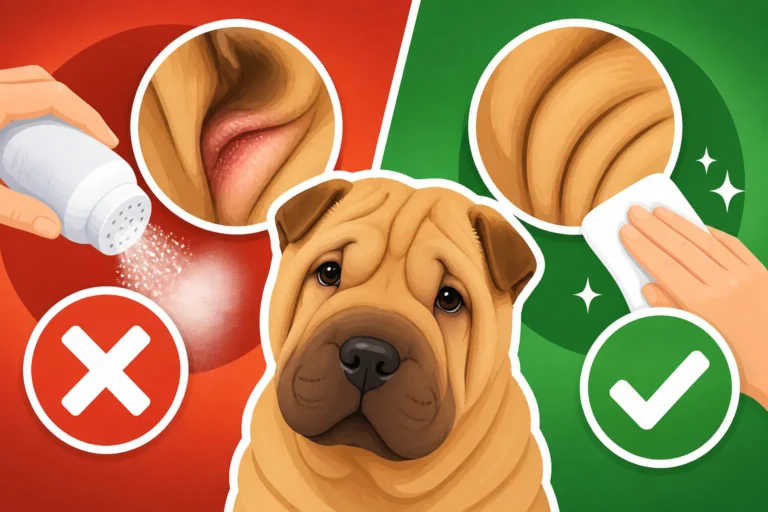
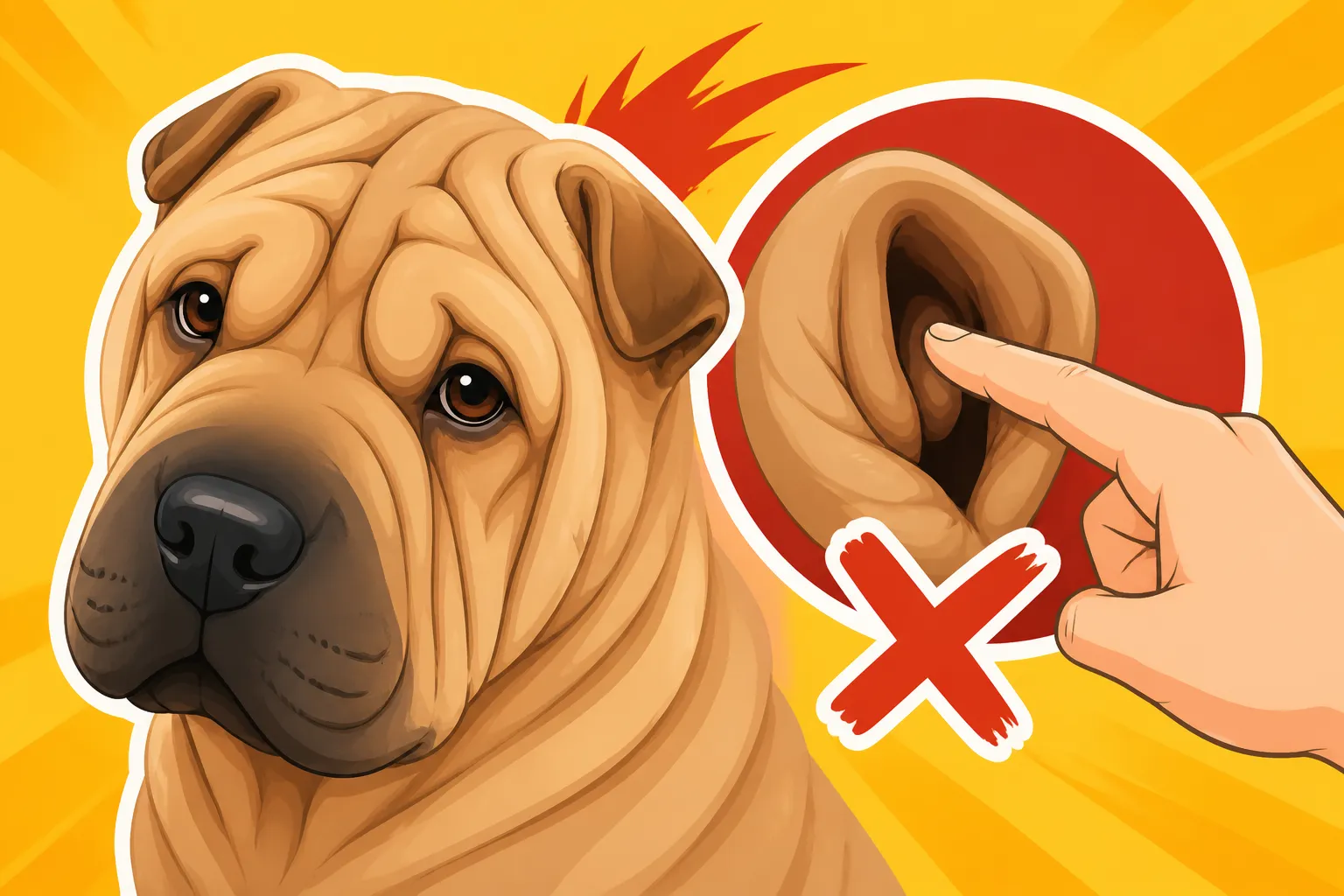
Anyone who has tried to clean a Shar Pei's ear knows the profound frustration. You squeeze the cleaning solution into that tiny opening, and it often just sits there, barely trickling down. Then, when you try to wipe, your cotton ball or gauze pad hits an immediate wall. Trying to insert anything further, like a cotton swab, is not only ineffective but genuinely dangerous. This is precisely Why Cotton Swabs Are Wrong for a Shar Pei's Ear – they push debris deeper into the already constricted canal, compacting wax and potentially rupturing the eardrum.
The physical act of cleaning is often met with resistance from your Shar Pei, not because they're being difficult, but because their ears are likely already sensitive or even painful. They might shake their head vigorously, sending cleaning solution flying, or pull away, making it impossible to apply anything effectively. It's a battle that can leave both you and your dog feeling defeated and stressed. This struggle makes it difficult to establish a routine, and inconsistent cleaning only allows problems to fester.
Choosing the Right Products
When you can get something into those tiny ear canals, it needs to be the right stuff. Not all ear cleaners are created equal, and some can be too harsh, stripping the natural protective oils from the skin or causing irritation in an already sensitive ear. You want a gentle, veterinary-formulated ear cleaner specifically designed for dogs, ideally one that helps to break down wax and has a drying agent to combat moisture.
Many reputable brands offer excellent ear cleansers, often available from online retailers like Chewy or Amazon. Look for ingredients like salicylic acid, lactic acid, or ceramides, which help with exfoliation and skin health, and witch hazel or isopropyl alcohol (in small, safe amounts) for drying. Always avoid any products containing hydrogen peroxide or alcohol in high concentrations, as these can be irritating. If your Shar Pei is prone to yeast infections, a cleaner with antifungal properties (like ketoconazole) might be recommended by your vet.
Techniques for a Reluctant Shar Pei
Approaching ear cleaning with a Shar Pei requires patience, positive reinforcement, and often, a little bit of trickery. Start early in puppyhood, making ear handling a positive experience with lots of treats and praise. Even if you're not actively cleaning, just touching their ears, looking inside, and rewarding them can build a tolerance.
When it comes to actual cleaning, choose a calm environment. Have all your supplies ready: cleaner, plenty of soft cotton balls or gauze (never cotton swabs!), and high-value treats. Squirt the prescribed amount of cleaner into the ear canal opening. Instead of trying to wipe deep, gently massage the base of the ear for 20-30 seconds. You should hear a squishy sound as the solution moves around. Let your dog shake their head; this helps dislodge debris. Then, use cotton balls to gently wipe away any visible discharge and debris from the outer ear and the very entrance of the canal. Do not dig or push. Finish with more treats and praise. Consistency, even if it's just a quick wipe daily, is far more effective than infrequent, aggressive attempts.
When Veterinary Intervention Becomes Essential
There are times when home care, no matter how diligent, simply isn't enough for a Shar Pei's complex ear issues. Knowing when to call in the professionals is paramount to preventing severe pain and irreversible damage.
Red Flag Symptoms for a Vet Visit
While mild irritation might warrant an attempt at gentle home cleaning with a vet-approved product, certain symptoms should trigger an immediate call to your veterinarian. These include:
- Intense, persistent scratching or rubbing: If your Shar Pei is constantly pawing at their ear or dragging their head along the ground, they are in significant discomfort.
- Excessive head shaking: If they are shaking their head violently or tilting it consistently to one side, this often indicates a deep-seated problem or severe pain.
- Strong, foul odor: While a slight yeasty smell can indicate a budding yeast infection, a truly repugnant smell usually means a serious bacterial infection.
- Visible swelling or redness: If the ear flap or the visible part of the ear canal is red, swollen, or hot to the touch, inflammation is advanced.
- Discharge: Any discharge that is not light, pale yellow wax – especially thick, dark brown, yellow, or green pus – is a clear sign of infection.
- Pain on handling: If your Shar Pei cries out, snaps, or recoils aggressively when their ear is touched, they are in severe pain.
- Changes in balance or hearing: If they seem disoriented, are bumping into things, or appear to be struggling to hear, the infection may have spread deeper, possibly affecting their middle or inner ear.
These are not symptoms to "wait and see" with a Shar Pei. Their unique ear structure means that problems can escalate rapidly and become incredibly difficult to treat without professional help.
The Importance of Professional Examination
It's nearly impossible for an owner to truly assess the condition of a Shar Pei's ear canal because of its narrowness and twists. This is where your veterinarian's specialized tools and expertise become indispensable. Using an otoscope, which is a lighted instrument with a magnifying lens, a vet can often (though not always easily) peer down into the canal, assess the severity of inflammation, identify any foreign bodies, and crucially, check the condition of the eardrum. Whether a Shar Pei's Ear Canal Can Be Examined at All without sedation is often a gamble and depends entirely on the individual dog's temperament and the level of pain.
A thorough professional examination can reveal the true extent of the problem, allowing for an accurate diagnosis and targeted treatment plan. Without this direct visual assessment, you're essentially treating blindly, which is rarely effective for Shar Pei ears and can prolong your dog's suffering. If your vet cannot get a good look, they will often recommend sedation for a more complete exam.
Sedation and Advanced Diagnostics
Sometimes, a Shar Pei's pain or temperament, combined with the extreme narrowness of their ear canals, makes a conscious otoscopic examination impossible. In these cases, sedation or even a light general anesthetic becomes necessary for a proper diagnosis and treatment. This allows the veterinarian to thoroughly examine the ear, clean it deeply, and collect samples without causing your dog undue stress or pain. If your vet suggests Whether a Shar Pei Needs Sedation for an Ear Exam, it's not an overreaction; it's often the only way to truly understand what's happening inside.
Under sedation, a vet can also perform advanced diagnostics. This might include taking swabs for cytology (looking at cells under a microscope to identify bacteria, yeast, or inflammatory cells) and culture and sensitivity testing. Whether a Shar Pei Needs an Ear Culture is often determined by the presence of severe or recurrent infections. This test identifies the specific type of bacteria or yeast present and, critically, determines which antibiotics or antifungals will be most effective against them. This targeted approach is far more successful than simply trying different medications until something works, which can lead to antibiotic resistance and prolonged illness.
Veterinary Treatments for Shar Pei Ear Issues
Once your veterinarian has thoroughly examined and diagnosed the ear problem, they will recommend a course of treatment. This can range from medical management with specific medications to, in severe cases, surgical intervention.
Medical Management of Infections
For most Shar Pei ear infections, medical management is the first line of defense. This typically involves prescription ear drops, sometimes combined with oral medications. The ear drops are formulated to target specific pathogens (bacteria or yeast) and often contain anti-inflammatory ingredients to reduce swelling and pain. Because of the narrow ear canals, it's crucial to follow your vet's instructions precisely regarding the dosage and frequency of application. You might feel like you're not getting much medicine in, but consistency is key.
Oral antibiotics or antifungals may be prescribed for more severe infections, or those that have spread deeper or caused systemic illness. Steroids, either topical or oral, might also be used to quickly reduce inflammation, which in turn helps open up the ear canal and allows topical medications to penetrate more effectively. While What Prescription Ear Drops Cost a Shar Pei Owner can add up, especially for chronic issues, these medications are vital for bringing infections under control and alleviating your dog's discomfort. It's important to complete the entire course of medication, even if your Shar Pei seems better, to prevent a relapse.
Professional Ear Flushes
In cases where there's a significant buildup of wax and debris, or a deep-seated infection, your vet might recommend a professional ear flush. This procedure is usually performed under sedation or light anesthesia, as it involves irrigating the ear canal with specialized solutions to break down and flush out impacted material. It's a much more thorough and safer cleaning than anything you could attempt at home.
During a professional flush, the vet uses a specific ear cleaning solution, often warmed, and specialized tools to gently dislodge and remove debris, wax plugs, and even pus from deep within the ear canal. This not only cleans the ear but also allows the prescribed medications to reach the infected tissues directly, significantly improving their effectiveness. It’s a vital step to take before starting a new course of drops if the canal is severely clogged. While Whether a Shar Pei's Ear Canal Can Be Flushed at Home is a resounding no, a professional flush is often the fastest way to get a severely compromised ear back on track.
Surgical Options for Chronic Cases
For Shar Pei with severe, chronic, and unresponsive ear disease, especially those where the ear canal has become permanently narrowed, scarred, or calcified, surgical intervention may be the only option to provide lasting relief. The most common and effective surgical procedure in these advanced cases is a Total Ear Canal Ablation (TECA). This is a radical but often life-changing surgery where the entire diseased ear canal is removed, and the middle ear is drained.
While the idea of What a Total Ear Canal Ablation Means for a Shar Pei can be daunting, for dogs suffering from relentless pain and recurrent infections, it can dramatically improve their quality of life. After a TECA, the dog will be deaf in the operated ear, but for many Shar Pei, their hearing may have already been severely compromised by chronic infection and inflammation. The goal is to eliminate the source of chronic pain and infection. This is a complex surgery, usually performed by a board-certified veterinary surgeon, and it involves a significant recovery period, but for the right candidate, it offers permanent relief from a debilitating condition.
Long-Term Strategies for Healthy Shar Pei Ears
Preventing ear problems is always better than treating them, especially with a Shar Pei. Establishing a consistent routine and understanding the factors that contribute to ear health are vital for long-term success.
Routine Checks and Drying Protocols
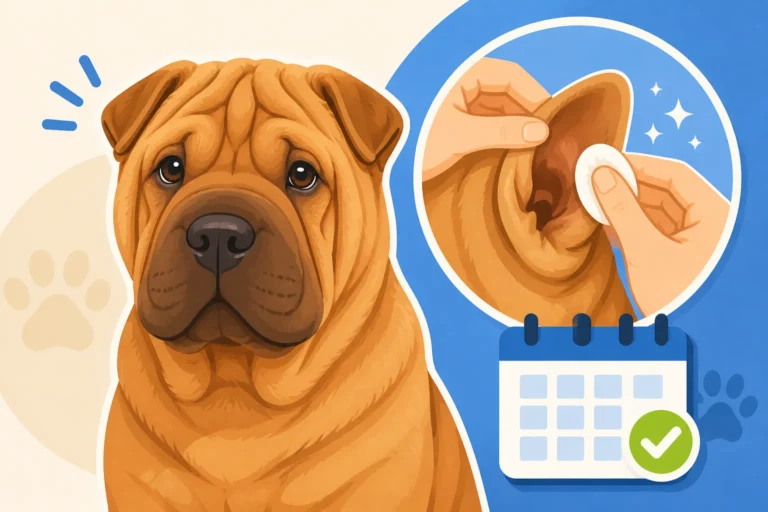
One of the most crucial long-term strategies for Shar Pei ear health is establishing a routine of frequent checks and meticulous drying. Make it a habit to check your Shar Pei's ears several times a week. This doesn't need to be a deep dive, just a quick visual inspection of the outer ear and a sniff. Look for any redness, discharge, or signs of discomfort. Catching a problem when it's just starting can save weeks of struggle later on.
Crucially, always, always, always ensure your Shar Pei's ears are thoroughly dried after baths, swims, or even walks in the rain. Water trapped in those narrow canals creates the perfect incubator for bacteria and yeast. Use soft cotton balls or gauze to gently blot and absorb moisture from the visible parts of the ear. You might also use a veterinary-approved ear-drying solution (available at Chewy or Amazon) that helps evaporate moisture and acidify the ear canal, creating a less hospitable environment for pathogens. Remember that Whether a Shar Pei's Ears Should Be Dried After Bathing isn't just a good idea; it's an essential preventative measure to avoid a trip to the vet.
Diet and Allergy Considerations
It might seem strange, but what goes into your Shar Pei's mouth can significantly impact the health of their ears. Many dogs, including Shar Pei, suffer from environmental or food allergies, and one of the most common ways these allergies manifest is through skin inflammation, including inflammation in the ears. If your Shar Pei experiences recurrent ear infections despite diligent cleaning and appropriate medical treatment, allergies should always be considered. Food Allergies in a Shar Pei can be tricky to diagnose, often requiring an elimination diet with a novel protein source or hydrolyzed protein food.
Working with your vet to identify and manage any underlying allergies can be a game-changer for chronic ear issues. If a particular protein or environmental allergen is causing an inflammatory response, simply removing it or mitigating exposure can significantly reduce the frequency and severity of ear infections. Some owners find that switching to specialized, limited-ingredient diets, or even fresh-prepared foods like those from Ollie, helps manage their dog's overall inflammatory burden, including their ears. This holistic approach looks at the dog's overall health, not just the ears in isolation.
Partnering with Your Vet
Think of your veterinarian as your essential partner in maintaining your Shar Pei's ear health. Don't be afraid to schedule regular check-ups, even if you feel like nothing is overtly wrong. Your vet can perform more thorough examinations, offer proactive advice, and catch subtle signs of trouble before they escalate.
If your Shar Pei has a history of chronic ear infections, discuss a long-term management plan with your vet. This might include specific cleaning protocols, regular use of preventative ear drops, or ongoing monitoring. They can also advise you on how frequently Whether a Shar Pei's Ears Should Be Cleaned Weekly is appropriate for your individual dog, as too much cleaning can sometimes be irritating. Establishing a relationship of trust and open communication with your veterinary team ensures that you have expert guidance every step of the way, helping you navigate the unique challenges of Shar Pei ear care and keep your companion comfortable and healthy.
Debunking Common Myths About Shar Pei Ear Care
When you're dealing with a breed as unique as the Shar Pei, misinformation can sometimes complicate care. Let's clear up a few common myths about their ears.
"They'll Grow Out of It"
This is perhaps one of the most dangerous myths circulating among some Shar Pei owners or even inexperienced breeders. The idea that a Shar Pei puppy with tight, gunky, or painful ears will simply "grow out of it" as their head fills out is not only false but can lead to severe, irreversible damage. While a puppy's head wrinkles do change and often lessen as they mature, the fundamental narrowness of the ear canal is an anatomical trait that does not magically expand with age.
In fact, delaying appropriate care in puppyhood, under the assumption they'll outgrow it, often allows nascent infections to become chronic, leading to scarring and permanent narrowing of the ear canal. What starts as a mild irritation in a young Shar Pei can, by adulthood, become a lifelong battle with painful, recurrent infections that are incredibly difficult to manage medically and may eventually require surgery. Early, proactive intervention and diligent management are crucial from day one, not a "wait and see" approach.
Over-Cleaning vs. Under-Cleaning
There's a delicate balance to strike when it comes to cleaning a Shar Pei's ears. On one hand, under-cleaning, or neglecting them entirely, inevitably leads to wax buildup, moisture trapping, and infections. On the other hand, over-cleaning with harsh solutions or aggressive techniques can also irritate the delicate lining of the ear canal, stripping away protective oils, causing inflammation, and paradoxically, making the ears more susceptible to infection.
The key is to use the right products (gentle, vet-approved) and the right technique (gentle wiping of the external ear, never pushing anything deep inside) with appropriate frequency. For some Shar Pei with consistently healthy ears, a monthly check and occasional gentle wipe might suffice. For others, particularly those prone to allergies or swimming, a specific preventative cleaning protocol recommended by your vet might be needed, perhaps every few days or weekly. It's not about how often you clean, but how you clean and whether that frequency is tailored to your individual dog's needs, always with your vet's guidance.
The Role of Genetics
It's tempting to think that if you just follow all the right steps, your Shar Pei's ears will be perfectly healthy. While good care certainly helps, it's essential to understand that genetics play a significant, undeniable role in the predisposition to ear problems in this breed. The narrow ear canals and the tendency towards skin sensitivities (including in the ears) are inherent breed traits.
This isn't to say that all Shar Pei will have severe ear issues, but it does mean they are genetically predisposed to them more than many other breeds. Responsible breeders strive to produce dogs with the healthiest conformation possible, but the characteristic "shell ear" and the deep-set nature of their wrinkles mean that managing their ears will always be a part of Shar Pei ownership. Acknowledging this genetic component allows us to be realistic in our expectations and proactive in our care, understanding that consistent vigilance is not just a recommendation, but a necessity for this truly special, if sometimes challenging, breed.
| Ear Problem Sign | What it Might Mean | Recommended Action |
|---|---|---|
| Persistent Head Shaking | Pain, discomfort, or fluid in the ear | Vet visit; could be infection or foreign body |
| Intense Ear Scratching | Itchiness from mites, allergies, or infection | Vet visit to identify cause and treat |
| Foul Odor from Ear | Bacterial or yeast infection | Vet visit for diagnosis and prescription |
| Redness/Swelling of Ear | Inflammation, infection, or trauma | Vet visit immediately to prevent worsening |
| Dark, Waxy Discharge | Yeast infection or heavy wax buildup | Gentle home cleaning (if mild); vet visit (if heavy/recurrent) |
| Yellow/Green Pus | Bacterial infection | Urgent vet visit for antibiotics |
| Pain When Ear is Touched | Severe inflammation or infection | Urgent vet visit |
| Holding Head to One Side | Inner ear infection or severe pain | Vet visit |
| Rubbing Ear on Furniture | Itchiness or discomfort | Check ear; if persistent, vet visit |
Disclaimer
This article is for general informational purposes only and does not constitute professional advice. Laws, prices and regulations vary by location and change over time. Consult a qualified professional for guidance on your specific situation.