Whether a Shar Pei’s Bed Should Be Washable
As a Shar Pei owner, you know the struggle: keeping things clean and fresh when you share your home with a dog that has such unique needs. That distinctive Shar Pei smell, the shedding, the occasional dampness from those adorable, deep folds – it all inevitably ends up right where they sleep. This guide is going to dive deep into why a washable dog bed isn't just a convenient feature, but an absolute necessity for your wrinkled companion, and how to pick the perfect one to keep your home smelling fresh and your Pei healthy.
Why a Shar Pei's Bed Needs Frequent Cleaning
Let's be frank: Shar Peis have a few quirks that make their bedding a magnet for dirt, oils, and odors. It’s not a criticism of the breed, just a realistic understanding of their unique physiology. Owning a Shar Pei means a proactive approach to cleanliness, and their bed is ground zero for managing many common breed-specific issues. Ignoring this can lead not only to an unpleasant smell in your home but also to potential health problems for your beloved dog.
The Shar Pei's Unique Skin and Coat Issues
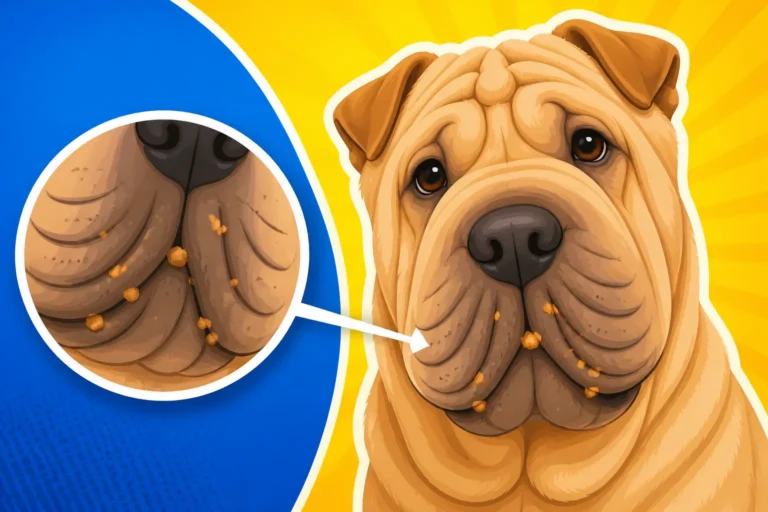
The very characteristic that makes Shar Peis so endearing – their wonderful wrinkles – is also the source of many challenges, particularly concerning their skin. These deep folds, especially around the face, neck, and sometimes body, can trap moisture, dirt, and oils. This creates a warm, damp environment perfect for yeast and bacteria to flourish, leading to issues like Skin Fold Dermatitis on a Shar Pei. When your Shar Pei lies down, these skin oils, dander, and any accumulated microscopic invaders transfer directly to their bed.
A Shar Pei's coat, whether a horse coat or brush coat, can also shed quite a bit, especially during seasonal changes. This shed hair carries skin cells and oils, embedding itself into fabric. If your Shar Pei suffers from allergies, whether environmental or food-related (and many do), their skin might be even oilier, itchier, or flakier, depositing more allergens and irritants into their sleeping space. This constant transfer means the bed quickly becomes a reservoir for things you definitely don't want accumulating.
Furthermore, some Shar Peis experience a condition called What Cutaneous Mucinosis Is, where they develop fluid-filled blisters or excessive mucin (a jelly-like substance) under their skin. While not always problematic, if these blisters rupture or if the mucin production is high, it can lead to dampness or stickiness that also finds its way onto the bed. Imagine the cumulative effect of all these factors on an unwashed bed over just a few days!
Ear Health and Secretions
Another area where Shar Peis require special attention is their ears. With incredibly narrow ear canals, sometimes described as the narrowest of any breed, they are highly prone to infections. A Shar Pei Has the Narrowest Ear Canals of Any Breed makes proper cleaning difficult, and moisture can get trapped easily. Even with diligent care, many Shar Peis will experience How Often a Shar Pei Gets an Ear Infection at some point in their lives, leading to discharge, wax buildup, and often, a distinct, yeasty odor.
When your Shar Pei rests their head on their bed, any discharge or debris from an irritated or infected ear will transfer to the bedding. This not only contaminates the bed but can also reintroduce bacteria or yeast back into the ear, creating a frustrating cycle of reinfection. A bed that can't be thoroughly cleaned essentially becomes a petri dish for potential ear woes, undermining all your efforts with ear cleaning solutions and vet-prescribed medications.
Think of it this way: you wouldn't keep reusing a dirty towel for your own face if you had a skin issue, right? The same principle applies to your Shar Pei's bed. Regular, thorough washing helps remove these contaminants, creating a cleaner, healthier resting environment that supports their delicate ear health rather than hindering it.
The Inevitable "Shar Pei Smell"
Let's address the elephant in the room – or rather, the wonderful, wrinkled dog in the living room. Many Shar Pei owners will tell you there's a distinct "Shar Pei smell." It’s a real thing, and it often comes from the combination of their unique skin oils, the yeast and bacteria that thrive in their folds, and sometimes, diet-related factors. It’s usually not an indication of poor hygiene, but simply a characteristic of the breed. Whether a Shar Pei Carries an Odor is a common question, and the answer is often yes, though it shouldn't be overwhelming if they are healthy.
This natural scent, along with any lingering dampness from skin folds or ear secretions, permeates fabrics rapidly. Your dog's bed, being their primary lounging spot, becomes saturated with this scent. Even if your Shar Pei is perfectly healthy and clean, the oils and dander they naturally produce will accumulate in their bedding. Over time, an unwashed bed can become quite pungent, impacting the overall freshness of your home.
It's not just about the smell; it's about breaking down the source. A washable bed allows you to regularly strip away these oils, dander, and scent molecules, refreshing the bed and, by extension, your living space. If you've ever wondered Whether a Shar Pei's Folds Smell When Healthy, remember that even healthy skin has a scent, and for a Shar Pei, that scent can be a bit more pronounced due to their unique skin architecture.
Types of Washable Dog Beds: What Are Your Options?
Once you understand why a washable bed is non-negotiable for a Shar Pei, the next step is to explore the various types available. The term "washable" can mean different things, and it's crucial to know the distinction when shopping, especially for a breed with specific hygiene needs. You're looking for something that truly allows for a deep, hygienic clean, not just a surface wipe.
Fully Machine Washable Beds
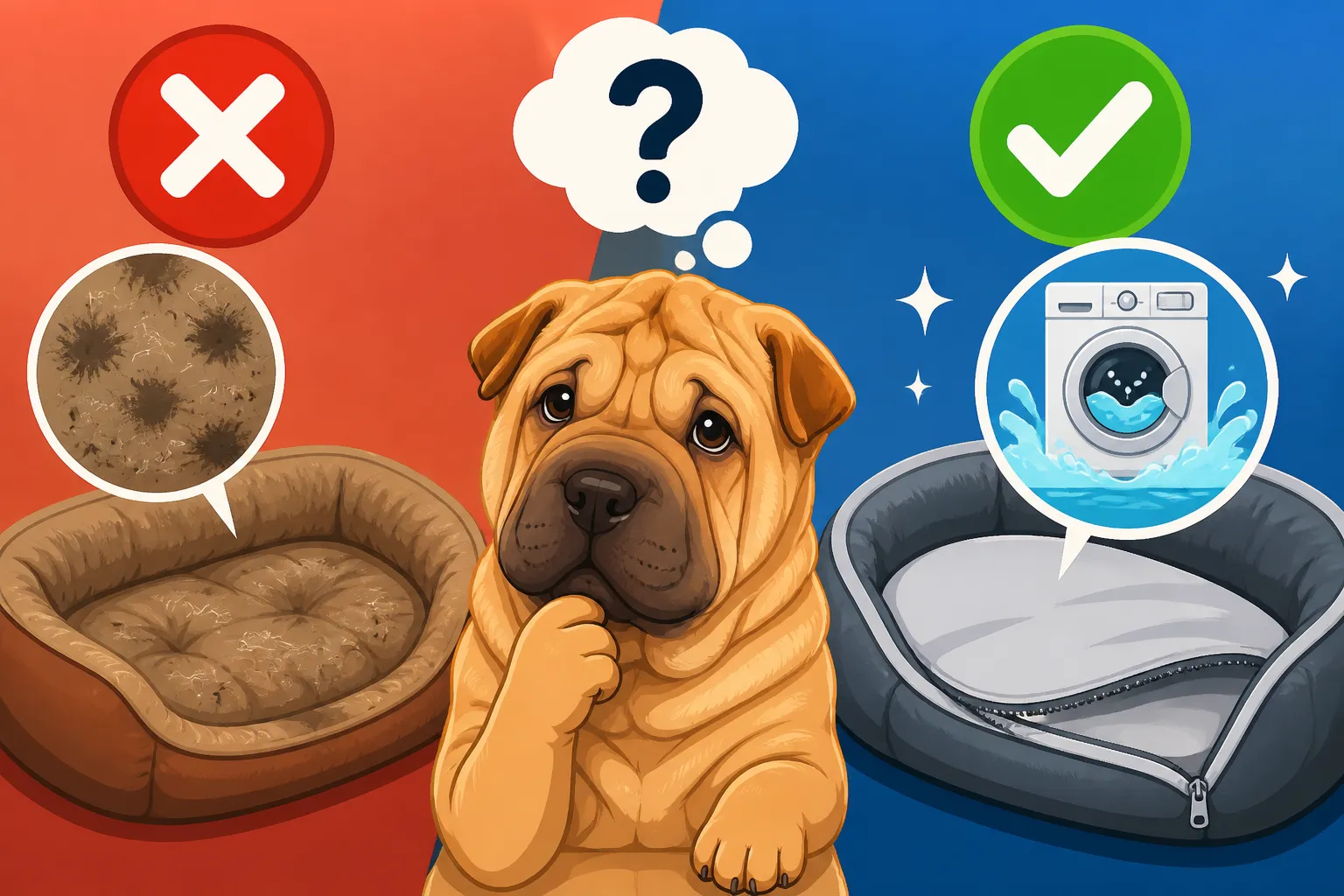
These are the gold standard for easy cleaning. A fully machine washable bed is designed so that the entire unit – stuffing and all – can be tossed into your washing machine. This is incredibly convenient, especially for smaller to medium-sized beds. For a Shar Pei, this means that every part of their sleeping surface, including the inner cushioning where odors and dander can migrate, gets a thorough cleanse.
The primary benefit here is the sheer simplicity and effectiveness. You don't have to wrestle with zippers or separate components; just pick it up and put it in the wash. However, there are some considerations. Larger fully washable beds can be bulky and may not fit in standard home washing machines, potentially requiring a trip to a laundromat with industrial-sized machines. Also, the drying time can be significant, as the internal stuffing can take a long time to thoroughly dry, posing a risk of mildew if not dried completely. Always check the care label for specific washing and drying instructions to avoid damaging the bed or creating mildew.
Beds with Removable Covers
This type of bed is probably the most common and often offers a good balance of convenience and thoroughness. Beds with removable covers feature a sturdy outer shell, typically secured with a zipper, that can be easily taken off and machine washed separately from the internal stuffing or foam core. This design is excellent for managing the main soiled surface.
The advantage of removable covers is that they are generally easier to wash and dry than an entire bed, and you can often purchase spare covers. This means your Shar Pei doesn't have to go without a bed while one cover is in the wash; you can simply swap it out. Many beds in this category also come with waterproof liners that protect the internal foam from accidents or deep-seated odors, which is a huge plus for maintaining hygiene. You can find a wide array of these beds on platforms like Chewy and Amazon, offering various styles, materials, and price points.
While the cover gets clean, it's important to remember that the internal stuffing or foam can still accumulate dander, dust mites, and some odors over time, even with a liner. It’s a good practice to occasionally air out or vacuum the internal components, and some higher-end beds have internal foam that is also washable, albeit usually requiring hand-washing or spot-cleaning.
Spot-Cleanable Surfaces
Some dog beds are advertised as "washable" but only mean that their surface can be wiped down or spot-cleaned. These might have a smooth, water-resistant exterior or a very tightly woven fabric that resists deep penetration of dirt. While useful for minor spills or muddy paw prints, they are generally not sufficient for the deep, hygienic clean a Shar Pei's bed truly needs.
Spot cleaning removes surface grime but does not address the oils, dander, yeast, and bacteria that become embedded in the fabric fibers or seep into the padding. For a breed prone to skin issues and a distinctive odor, relying solely on spot cleaning would be a recipe for a smelly, potentially unhealthy sleeping environment. These types of beds might be acceptable for temporary use or as an add-on layer, but they shouldn't be your Shar Pei's primary bed if you prioritize their health and your home's freshness.
Choosing the Best Washable Bed for Your Shar Pei
Selecting the right washable bed goes beyond just ensuring it fits in your washing machine. You need to consider the specific needs of your Shar Pei, from their unique skin and coat to their overall comfort and health. The right bed will not only be easy to clean but also contribute positively to their well-being.
Material Matters
When it comes to materials, durability and ease of cleaning are paramount. Look for beds made with robust, tightly woven fabrics that can withstand frequent washing cycles. Canvas, denim, and certain synthetic blends are often good choices. Fabrics that are naturally hair-resistant or easy to vacuum are also a huge bonus, as Whether a Shar Pei's Hair Sticks in Fabric is a common concern. Consider materials like microfleece, which is soft but also generally easy to clean, or those with a smooth, wipeable surface for quick daily maintenance.
For the internal components, consider memory foam or orthopedic foam, especially if your Shar Pei is older or has joint issues. These foams provide excellent support, but ensure they are either protected by a waterproof liner or are themselves washable. Some beds offer cooling gel memory foam, which can be beneficial for Shar Peis, who are prone to overheating. You can explore a vast range of material options and read customer reviews on platforms like Chewy and Amazon to find beds that hold up well to washing and are comfortable for your specific dog.
Size and Support
A properly sized bed is crucial for your Shar Pei’s comfort and health. Your dog should be able to stretch out fully without hanging off the edges, but it shouldn't be so large that they feel insecure or that the bed takes up excessive space in your home. For a Shar Pei, who often likes to curl up tightly, a donut or nesting style bed can offer a sense of security, while a flat mattress style might be preferred by those who like to stretch out.
Beyond size, consider the level of support. Shar Peis, like many breeds, can develop joint issues as they age. An orthopedic bed with dense foam will provide essential support, cushioning their joints and promoting better sleep. Even for younger Shar Peis, good support can prevent future problems. The rise of the bed is also worth considering – some Shar Peis prefer a lower profile bed, while others enjoy a slightly elevated one, which can also aid air circulation beneath the bed, helping to keep it dry and fresh.
Design and Construction for Health
The overall design of the bed can significantly impact its cleanliness and your Shar Pei's health. Beds with minimal crevices, deep seams, or unnecessary embellishments are generally easier to keep clean, as these areas can trap dirt, dander, and moisture. Look for designs that are streamlined and functional.
Some beds feature elevated designs, similar to a cot. These can be fantastic for Shar Peis, especially in warmer climates, as they allow for air circulation all around the dog, helping to keep them cool and dry. This can be particularly beneficial for reducing moisture accumulation in their folds. While an elevated bed might not entirely replace a plush bed, it can be a great secondary option. When choosing, consider how easy it is to disassemble and clean the frame and fabric.
Finally, think about beds with a truly waterproof liner underneath the removable cover. This is a game-changer for Shar Peis, as it prevents any moisture, oils, or even accidents from soaking into the main foam core, which is often difficult or impossible to wash. This feature drastically extends the life of the bed and makes managing the "Shar Pei smell" much easier.
| Bed Type | Ease of Washing | Inner Cushion Washable? | Drying Time | Best For |
|---|---|---|---|---|
| Fully Washable | Very High | Yes, entire bed | Long | Small/Medium Shar Peis, Deep Clean |
| Removable Cover | High | No (cover only) | Medium | All Shar Peis, Practical |
| Spot-Cleanable Surface | Low | No | Very Short (wipe) | Temporary, Minor Spills |
| Elevated Cot | High (fabric) | N/A (no cushion) | Short | Hot Climates, Airflow |
Maintenance Tips for Keeping Your Shar Pei's Bed Clean
Having a washable bed is a great first step, but how you maintain it makes all the difference. It’s not just about tossing it in the machine once in a blue moon; it's about establishing a routine that keeps pace with your Shar Pei's unique needs. This proactive approach ensures both a fresh home and a healthier dog.
Regular Washing Schedule
The frequency of washing your Shar Pei's bed will depend on a few factors: how prone your dog is to skin issues, how much they shed, whether they spend a lot of time outdoors, and even Whether a Shar Pei Carries an Odor naturally. As a general rule, aim to wash the removable cover (if applicable) at least once a week. For fully washable smaller beds, a weekly wash is also ideal. If your Shar Pei is experiencing active skin issues, allergies, or an ear infection, you might need to wash it even more frequently – perhaps every few days.
It might sound like a lot, but consistency is key. Think of it as part of your regular household chores, like changing your own bed linens. By keeping to a schedule, you prevent the accumulation of oils, dander, dust mites, and bacteria that can quickly turn a fresh bed into a problem. For an insight into why this is so important, consider Whether a Shar Pei's Bedding Needs Washing Often and you'll realize it's truly a critical part of their care routine.
Effective Cleaning Practices
When it's time to wash, a few practices can make your efforts more effective. First, always remove as much hair as possible before washing. A good vacuuming or a lint roller can help immensely here. This prevents hair from clogging your washing machine or redepositing on the clean fabric.
Use a mild, unscented, hypoallergenic detergent. Shar Peis often have sensitive skin, and harsh chemicals or strong fragrances can irritate them further. If your Shar Pei has known skin allergies, talk to your vet about specific laundry additives that might be beneficial, or simply stick to detergents designed for sensitive skin. Pay close attention to the washing machine's temperature settings recommended on the bed's label. Hot water can be more effective at killing bacteria and dust mites, but some fabrics might require cooler cycles.
Crucially, ensure the bed (especially fully washable ones) is completely dry before putting it back. Dampness invites mold and mildew, which will quickly negate all your cleaning efforts and introduce new, unpleasant odors and potential allergens. Tumble drying on a low heat setting, or air drying in a sunny, well-ventilated area, are usually good options. For thicker beds, you might need to run the dryer for several cycles or hang it outside for an extended period.
Beyond the Wash: Daily & Supplemental Care
Washing is critical, but daily maintenance can significantly extend the time between washes and keep the bed fresher. Give the bed a quick vacuum or brush-off daily to remove loose hair and surface debris. This is especially helpful if your Shar Pei has a horse coat, which tends to shed stiff, prickly hairs.
For beds with removable covers, having a second cover on hand is incredibly practical. When one is in the wash, the other can immediately replace it, ensuring your Shar Pei always has a clean place to sleep. Consider using pet-safe deodorizing sprays between washes, but choose ones specifically designed for pet bedding and ensure they don't contain harsh chemicals or strong perfumes that could irritate your Shar Pei's sensitive nose or skin.
Finally, think about what goes into your Shar Pei's body. If your Shar Pei suffers from chronic skin issues or a persistent odor, sometimes it’s linked to their diet. Consulting with your veterinarian about a limited ingredient diet or a novel protein diet might help alleviate some skin issues, which in turn could reduce the amount of oil and dander ending up on their bed. Services like Ollie, which offer fresh, tailored pet food, or specific hypoallergenic foods found on Chewy, could be discussed with your vet as part of a holistic approach to managing their skin health and overall cleanliness. While not a direct bed-cleaning solution, improved skin health means less odor and fewer allergens to clean from the bed in the first place.
Disclaimer
This article is for general informational purposes only and does not constitute professional advice. Laws, prices and regulations vary by location and change over time. Consult a qualified professional for guidance on your specific situation.