Whether a Shar Pei Needs a Raised Bed
It’s a common scenario: you’re trying to create the most comfortable and healthy environment for your beloved Shar Pei, and every decision, even something as seemingly simple as choosing a dog bed, feels weighty. You want the best for their unique needs, and that often means navigating a sea of options and wondering if a particular product, like a raised bed, is truly beneficial or just a trend. This guide will explore whether a raised bed is indeed a good choice for your Shar Pei, focusing on their specific health considerations and offering practical advice.
Understanding the Unique Needs of Your Shar Pei
Our wrinkly companions are truly special, but their distinct features often come with a particular set of care requirements. What might be a standard bed for another breed might not offer the same level of comfort or support for a Shar Pei. It’s all about tailoring their environment to their genetics and predispositions.
Joint Health and Pressure Points
Shar Pei, while not as prone to hip and elbow dysplasia as some larger breeds, can still experience joint stiffness and discomfort, especially as they get older. Their substantial build means their joints bear a good amount of weight, and lying on hard surfaces or even overly plush, unsupportive beds can create pressure points. Imagine trying to get up from a deep, soft beanbag when your knees are a bit achy – that’s often what a low, sink-in bed can feel like for a Shar Pei who isn’t as spry as they once were.
A traditional flat bed, especially one that doesn't offer firm support, can allow their joints to sink into awkward positions, leading to discomfort over time. For a breed that values its comfort and often prefers a quiet, supported rest, ensuring proper alignment and pressure relief is paramount. Just like we humans benefit from a good mattress, our dogs need a sleeping surface that supports their skeletal structure and muscles.
Air Circulation and Temperature Regulation
One of the less talked about, but critically important, aspects of Shar Pei care is their sensitivity to heat. They aren't built for extreme temperatures. Their dense coat, combined with their sometimes brachycephalic (smooshed) muzzle structure, means they can overheat more easily than many other breeds. Have you ever noticed your Shar Pei panting heavily even after a short walk on a moderately warm day? That's their body working hard to cool down.
Traditional beds, especially thick, plush ones or those directly on the floor, can trap body heat underneath and around them, essentially creating a warm little nest that can quickly become too hot. This is particularly problematic in warmer climates or during summer months, but it can be an issue year-round indoors if your home tends to be warm. Effective air circulation is key to helping them regulate their body temperature naturally. Heat Management Is Daily Work With a Shar Pei is not just about walks; it extends to their resting places too.
Skin Health and Hygiene Concerns
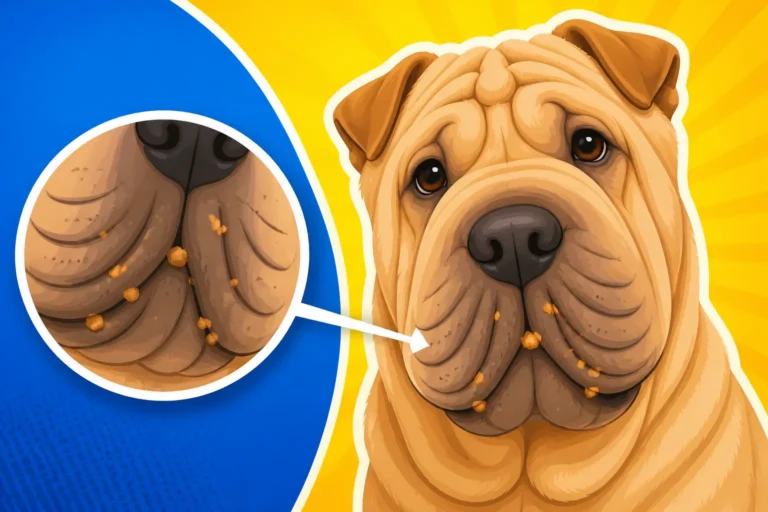
Ah, the wrinkles! They are undeniably charming, but every Shar Pei owner knows they require vigilance. The folds in their skin, while adorable, can also trap moisture, dirt, and allergens, creating a perfect breeding ground for bacteria and yeast. This can lead to persistent skin fold dermatitis, irritation, and itching. Every Fold on a Shar Pei Is a Place Something Grows, and that includes less-than-ideal things if we're not careful.
When a Shar Pei lies directly on the floor, especially if it’s a cool or damp surface, moisture can be absorbed into their coat and trapped within their folds. This isn't just about general dampness; it's about the accumulation of environmental irritants or even just sweat and oils. A bed that allows for better hygiene, by keeping them off the floor and promoting air circulation around their body, can be a small but mighty tool in managing their skin health. It can reduce exposure to dust mites, allergens, and the general grime that accumulates on the floor.
The Benefits of a Raised Bed for Shar Pei
Considering the specific needs we've just discussed, it becomes clear why a raised bed, sometimes called an elevated or cot-style bed, might be more than just a fancy accessory for a Shar Pei. It can actually address several common Shar Pei challenges directly, offering both comfort and health advantages.
Orthopedic Support and Comfort
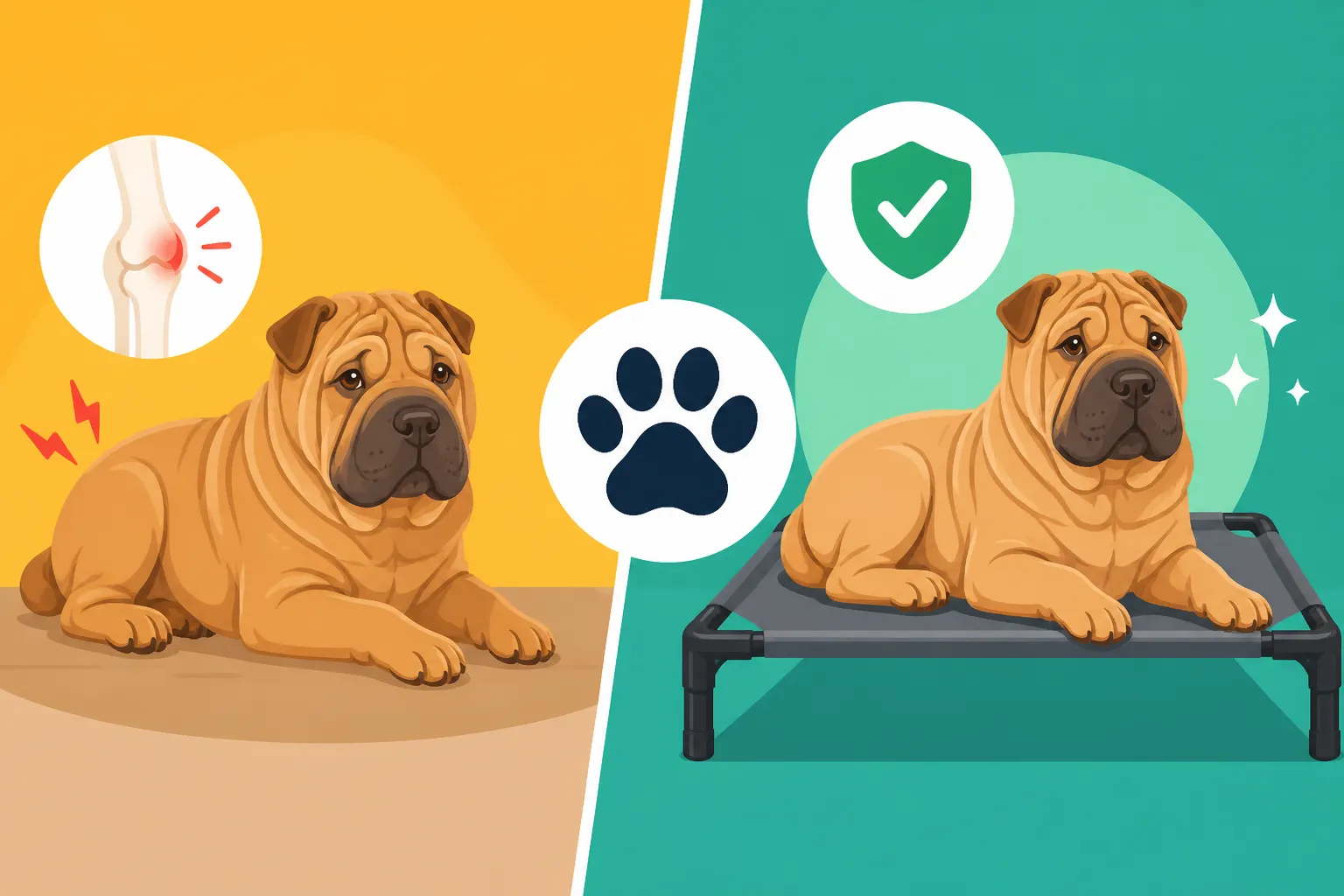
Unlike soft, pillowy beds that can sag and offer uneven support, most raised beds feature a taut fabric surface stretched over a sturdy frame. This design distributes your Shar Pei’s weight evenly, providing firm, consistent support across their entire body. Think of it like a hammock, but much firmer and designed to support weight without creating pressure points. This can be a game-changer for their joint health.
For adult and senior Shar Pei, this means less strain on their hips, shoulders, and spine when they lie down and, crucially, when they get up. It’s like having a firm, orthopedic mattress that keeps their body in a more natural alignment, easing existing aches and potentially preventing new ones. Regular, supported rest can significantly contribute to their overall mobility and comfort, especially as they transition into their senior years. Caring for a Shar Pei Past Seven definitely includes thinking about their sleeping surfaces.
Improved Airflow and Cooling
This is where raised beds truly shine for a heat-sensitive breed like the Shar Pei. Because the bed is elevated several inches off the ground, air can circulate freely not just over them, but under them as well. This constant airflow helps dissipate body heat, keeping the sleeping surface cooler and preventing that uncomfortable "hot spot" that can develop on traditional beds.
Imagine your Shar Pei on a hot day, lying on a flat bed that absorbs and holds their body heat. Now, picture them on a raised bed where cool air can flow beneath them, wicking away warmth. This difference can be profound, reducing their risk of overheating and making them much more comfortable, particularly during warmer months or if they live in an environment where the ambient temperature is higher than ideal. This enhanced cooling can be a simple yet highly effective strategy in their daily heat management. What Temperature a Shar Pei Is Comfortable In will always be lower than what most other breeds tolerate.
Ease of Access and Mobility
Getting up and down from a low, squishy bed can be a real effort for a dog, especially one carrying a bit of weight or dealing with stiff joints. A raised bed, by elevating the sleeping surface, reduces the distance and effort required for your Shar Pei to stand up or lie down. It’s a bit like us using a chair with armrests versus trying to get up from a cushion on the floor.
For puppies, it means less strain on developing joints. For older Shar Pei with arthritis or other mobility challenges, it can make a significant difference in their daily comfort and independence. They might be less hesitant to settle in their bed if they know they won't have to struggle to get out of it later. This is a subtle but powerful benefit that contributes to their quality of life.
Enhanced Cleanliness and Pest Control
Keeping a Shar Pei's living area clean is vital for managing their skin health and overall hygiene. Raised beds make this task much easier. Since they're off the ground, dust, dirt, and pet hair don't accumulate as readily on the bed itself. You can easily sweep or vacuum underneath the bed without having to move a heavy, bulky mattress.
Furthermore, keeping your Shar Pei off the floor can reduce their exposure to dust mites, fleas, and other potential pests that often reside in carpets or on flooring. If your dog suffers from environmental allergies or chronic skin issues, minimizing exposure to these irritants can be a big help. The fabric surfaces on most raised beds are also often easy to wipe down or even machine wash, making deep cleaning a breeze compared to many stuffed beds. This ease of cleaning directly supports the proactive care needed for a breed prone to skin problems. Whether a Shar Pei's Bedding Needs Washing Often is not just about preference; it's a necessity for their health.
Types of Raised Beds and What to Look For
So, you're convinced a raised bed might be a good fit for your Shar Pei. Great! But not all raised beds are created equal, and knowing what to look for will help you make the best choice for your particular pup. It’s about finding that sweet spot of durability, comfort, and functionality.
Frame Materials and Durability
The frame is the backbone of any raised bed, determining its stability and longevity. You'll primarily find a few common materials:
- Metal Frames (Aluminum or Steel): These are often the most durable and stable options. Aluminum is lightweight and corrosion-resistant, making it great for outdoor use or if you need to move the bed frequently. Steel frames, while heavier, are incredibly robust and can withstand a lot of wear and tear, especially from larger, more active dogs. The downside is they can be pricier and heavier to move. When looking at metal frames, check for powder coating or rust-resistant finishes, particularly if you plan to use it outdoors.
- PVC Frames: These are typically lighter and more affordable than metal options. They're excellent for portability and can be a good starter option. However, PVC can be less durable than metal, especially if your Shar Pei is a chewer or very enthusiastic. Over time, PVC joints can weaken or crack, particularly if exposed to extreme temperatures or rough handling. They're a decent choice for indoor, light-duty use, but might not stand up to the test of time or a determined Shar Pei.
Regardless of the material, look for sturdy construction and secure fastenings. You don't want a wobbling bed or one that collapses under your dog's weight.
Fabric Choices and Support
The fabric surface is where your Shar Pei will actually rest, so its properties are just as important as the frame. Different fabrics offer varying degrees of breathability, durability, and ease of cleaning:
- Mesh Fabric: This is an incredibly popular choice for raised beds, and for good reason. Its open weave allows for maximum airflow, which is perfect for keeping your Shar Pei cool. It’s also often very durable, resistant to tearing, and easy to clean – a simple wipe-down or hose-off often suffices. Look for sturdy, heavy-duty mesh, sometimes called "Textilene" or "outdoor mesh," which is designed to withstand UV rays and resist mold/mildew. This is often the top recommendation for Shar Pei due to its excellent cooling properties. Many excellent options are available from retailers like Chewy and Amazon.
- Canvas or Heavy-Duty Fabric: Some raised beds use a thicker canvas or ballistic nylon. These fabrics are exceptionally durable and can stand up to heavy use and even some light chewing. They still offer good support and are generally easy to clean. However, they might not be as breathable as mesh, meaning less airflow directly through the sleeping surface. They can still be cooler than a traditional stuffed bed due to the elevation, but perhaps not as airy as mesh.
- Specialized Fabrics: You might find beds with water-resistant or even orthopedic memory foam-topped fabric surfaces. While enticing, always prioritize breathability and ease of cleaning for a Shar Pei. If you add padding, ensure it doesn't negate the cooling benefits of the raised design.
When choosing fabric, consider your Shar Pei's habits. Are they prone to chewing? Do they have very sensitive skin? Opt for robust, easy-to-clean materials that won't irritate their unique coat and skin.
Size, Height, and Portability
Getting the right dimensions is crucial for your Shar Pei's comfort and ease of use.
- Size: Your Shar Pei should be able to stretch out completely on the bed without their legs or head hanging off the edge. Measure your dog from nose to tail while they are fully extended, and then add a few inches to that measurement for the bed's length. For width, ensure they can comfortably turn around and sprawl. A general rule of thumb is that the bed should be at least as long as your dog's body (nose to tail base) plus about 8-12 inches for stretching.
- Height: Most raised beds are between 4 to 9 inches off the ground. For younger, agile Shar Pei, this range is usually fine. For seniors or those with joint issues, a slightly lower height might be easier to navigate, but too low defeats some of the airflow benefits. Ensure the height is comfortable for your dog to step onto and off of without jumping.
- Portability: If you plan to move the bed between rooms, take it camping, or use it for travel, consider its weight and how easily it disassembles. Some models fold flat or come apart into a few pieces for compact storage, which can be super handy.
Accessories and Enhancements
While a basic raised bed offers plenty of benefits, you can find various accessories:
- Orthopedic Pads/Mattresses: If your Shar Pei needs extra cushioning or has significant orthopedic issues, some raised beds allow for a thin, firm orthopedic pad to be placed on top. Be careful not to negate the cooling airflow too much. Look for pads specifically designed for raised beds that still allow some ventilation.
- Shade Covers: For outdoor raised beds, a canopy or shade cover can be a godsend, providing protection from the sun and further aiding in cooling. This is particularly useful in sunny backyards or at outdoor events.
- Heated Pads: While generally not recommended for Shar Pei due to their heat sensitivity, if you live in an extremely cold climate and your Shar Pei struggles in winter, a low-wattage, safe heated pad might be considered only with careful supervision and if the mesh allows heat to dissipate effectively. Always consult your vet first, as most Shar Pei prefer to be cool.
Companies like Ollie, while primarily known for food, often have partnerships or recommendations for high-quality pet products, so it's worth checking their broader resources for vetted bed options, alongside the vast selections on Amazon and Chewy.
| Feature | Mesh Fabric (e.g., Textilene) | Canvas/Ballistic Nylon | PVC Frame | Metal Frame (Aluminum/Steel) |
|---|---|---|---|---|
| Pros for Shar Pei | Excellent airflow, cooling, easy to clean, durable | Very durable, good support, easy to clean | Lightweight, affordable, portable | Highly durable, stable, corrosion-resistant (aluminum) |
| Cons for Shar Pei | Might not be as soft for some (add padding) | Less breathable than mesh, can hold more heat | Less durable, prone to chewing/cracking | Heavier, can be more expensive, less portable |
| Ideal Use | All-around, especially hot climates, active dogs | Moderate climates, chewers, indoor/outdoor | Light indoor use, temporary, puppies | Heavy-duty, long-term, outdoor, large dogs |
| Recommendation | Highly recommended for Shar Pei for cooling and hygiene | Good secondary option, especially for durability if cooling is less critical | Use with caution, monitor for wear and chewing | Excellent for longevity and stability, particularly for larger or older Shar Pei |
Integrating a Raised Bed into Your Shar Pei's Life
Bringing any new item into your Shar Pei's world can sometimes be met with a skeptical stare or outright avoidance. They are creatures of habit and can be a little cautious. However, with a little patience and the right approach, a raised bed can quickly become their new favorite spot.
Introducing the New Bed
Don't just put the new bed down and expect your Shar Pei to immediately understand its purpose or embrace it with open paws. They need a proper introduction.
- Positive Association: Place the raised bed in an area where your Shar Pei already feels comfortable and safe, perhaps near their old bed initially. Never force them onto the bed. Instead, make it a positive experience.
- Treats and Praise: Lure them onto the bed with high-value treats. As soon as they put a paw on it, or even sniff it, offer praise and a treat. Gradually work towards them getting all four paws on, then lying down. Every time they interact positively with the bed, reward them.
- Familiar Scents: Place a favorite blanket or toy on the new raised bed. The familiar scent will make it feel less alien and more inviting. Their own smell on something new can be a powerful motivator.
- Time and Patience: Some Shar Pei might take to it immediately, while others might need a few days or even a week to fully accept it. Be patient, consistent with your positive reinforcement, and never get frustrated. They'll get there!
Placement and Environment
Where you put the raised bed can significantly impact how much your Shar Pei uses and enjoys it.
- Central but Quiet: Shar Pei are generally loyal and like to be near their family, but they also appreciate their personal space. Place the bed in a common living area, like the living room or a corner of the kitchen, where they can observe family activities without being in the direct path of foot traffic.
- Avoid Drafts and Direct Sun: While cooling is a benefit, extreme drafts can make any dog uncomfortable. Likewise, avoid placing it in direct sunlight for prolonged periods, which could make the mesh fabric too hot. Whether a Shar Pei Should Be Cooled During a Fever often involves moving them to a cooler, shadier spot, and the same principle applies to everyday comfort.
- Temperature Considerations: If you have an indoor/outdoor Shar Pei (though primarily indoor is generally recommended for their health), consider a dedicated outdoor raised bed with a shade cover for those pleasant days when they want to lounge outside. For indoor beds, ensure it's not too close to a heat vent in winter, or too far from air conditioning in summer.
Maintenance and Care
One of the great advantages of raised beds is their ease of maintenance, but consistent cleaning is still essential, especially for a breed like the Shar Pei with unique skin and coat needs.
- Regular Wiping/Vacuuming: For daily upkeep, a quick wipe-down of the fabric surface with a damp cloth can remove dust and loose hair. For mesh beds, a soft brush or a handheld vacuum can easily remove trapped debris.
- Deep Cleaning: Most mesh fabrics can be hosed off outdoors or wiped thoroughly with a pet-safe cleaner. Many fabric covers are removable and machine washable – always check the manufacturer's instructions. If the cover isn't removable, a good scrub with a mild soap and water solution, followed by a thorough rinse, will do the trick. Pay special attention to the frame as well, wiping away any dirt or grime.
- Thorough Drying is Key: This is especially important for Shar Pei. After washing, ensure the fabric is completely dry before your Shar Pei uses it again. Dampness, as we know, can contribute to skin issues in their folds. Drying Is More Important Than Washing on a Shar Pei applies not just to their body but to their bed too. Air dry thoroughly, or use towels to absorb excess moisture.
- Check for Wear and Tear: Regularly inspect the frame and fabric for any signs of damage, such as rips, tears, or loose screws. Promptly repair or replace any damaged parts to ensure the bed remains safe and supportive for your Shar Pei.
By understanding your Shar Pei's specific needs and taking the time to choose and introduce the right raised bed, you're not just buying a piece of furniture; you're investing in their long-term health, comfort, and happiness.
Disclaimer
This article is for general informational purposes only and does not constitute professional advice. Laws, prices and regulations vary by location and change over time. Consult a qualified professional for guidance on your specific situation.