Where a Shar Pei Owner’s Money Actually Goes
Bringing a Shar Pei into your life is an incredible joy, but it's also a significant financial commitment many new owners underestimate. These wonderfully unique dogs come with specific health needs and personality quirks that translate directly into expenses you might not see coming. This comprehensive guide is here to realistically lay out exactly where a Shar Pei owner's money actually goes, helping you budget wisely and prepare for the road ahead with your wrinkled companion.
The Initial Investment: Bringing Your Wrinkled Friend Home
The first chunk of money you'll spend on your Shar Pei is, naturally, bringing them home. This isn't just the sticker price; it encompasses everything from the purchase itself to those crucial first vet visits and essential supplies that get your new family member settled in. It's easy to get swept up in the excitement, but taking a moment to understand these initial costs is vital for setting a sustainable budget.
Understanding Breeder Costs vs. Adoption Fees
Choosing to get your Shar Pei from a reputable breeder often comes with a higher initial cost. This fee typically reflects the breeder's investment in health testing the parents, quality nutrition, veterinary care for the puppies, and ensuring the lineage is sound. A good breeder will be transparent about these costs and what they cover, providing peace of mind that your puppy has the best possible start. They often also provide a health guarantee, which can be invaluable in the long run. If you're wondering about the specifics, our guide on What a Shar Pei Puppy Costs and Which Breeders to Avoid delves into this in much more detail.
On the other hand, adopting a Shar Pei from a rescue organization usually involves a lower fee. This fee helps cover the rescue's expenses for spaying/neutering, vaccinations, microchipping, and any initial veterinary care the dog might have needed. While the upfront cost is less, it's important to remember that rescue dogs, especially Shar Peis, might come with existing health issues or behavioral quirks that could lead to higher costs down the line. Rescues do their best to disclose these, but sometimes underlying conditions only reveal themselves later. However, the immense satisfaction of giving a deserving dog a second chance is priceless.
The True Cost of Early Puppy Care
Once your Shar Pei puppy is home, the initial costs don't stop at the adoption or purchase fee. You'll have a flurry of essential veterinary appointments: the initial check-up, a series of vaccinations to protect them from common canine diseases, deworming treatments, and often a microchip implant for identification. These are non-negotiable health investments that ensure your puppy is safe and protected, and they add up quickly.
Beyond the vet, there's the cost of setting up their new environment. A sturdy crate for safe denning and house-training, comfortable bedding, age-appropriate toys that can withstand a Shar Pei's chewing, a leash and collar, and of course, a supply of high-quality puppy food. Many first-time owners are surprised by the collective total of these "little" things, but they are all critical for a smooth transition and a happy, healthy start to your life together. It's wise to factor these expenses into your initial budget before your new furry family member even steps paw through your door.
Navigating the Ongoing Veterinary Landscape
Owning a Shar Pei means committing to a specific and sometimes costly veterinary care regimen. This breed is known for several hereditary conditions that, while manageable, require diligent attention and can lead to significant bills. Understanding these potential health challenges upfront is key to being a responsible and prepared owner.
Managing Familial Shar Pei Fever (FSF)
One of the most defining health challenges for a Shar Pei is Familial Shar Pei Fever (FSF). This isn't just a regular fever; it's a genetic inflammatory condition that can strike suddenly and requires immediate attention. A fever episode can manifest with high temperatures, lethargy, reluctance to move, and sometimes swelling of the hocks or muzzle. When FSF hits, it often means an emergency visit to the vet, which can be expensive, especially if it occurs outside of regular clinic hours.
During an FSF episode, your vet will need to rule out other causes of fever, administer fluids, pain medication, and potentially anti-inflammatory drugs. These visits aren't cheap, and the costs escalate with diagnostics and medications. Our article What One Shar Pei Fever Episode Costs details the potential financial impact. Furthermore, many Shar Peis prone to FSF are often put on a lifelong medication called Colchicine to help reduce the frequency and severity of these episodes and to mitigate the risk of a serious secondary condition called amyloidosis. This medication is a continuous expense that owners must factor into their monthly budget.
Eye Care: Entropion and Beyond
The characteristic deep-set eyes and wrinkled forehead of a Shar Pei, while endearing, often lead to a common and painful condition called entropion. This is where the eyelid rolls inward, causing the eyelashes to rub against the cornea. For a puppy, this is more than just an irritation; it can cause corneal ulcers, pain, and potentially permanent vision damage if not addressed immediately. Often, temporary procedures like "eye tacking" are required, where sutures are used to roll the eyelids out.
Eye tacking might need to be repeated as the puppy grows, and some Shar Peis will eventually require permanent surgical correction, especially if the entropion is severe or recurs. These surgeries involve a veterinary ophthalmologist and can be quite an investment. The good news is that prompt intervention can save your dog from chronic pain and vision loss. To understand the financial implications, take a look at our article on What Eye Tacking and Entropion Surgery Cost on a Shar Pei. Beyond entropion, Shar Peis can also be prone to other eye issues, making regular eye checks with your vet an important part of their routine care, though less frequent than the initial puppy interventions.
The Persistent Challenge of Ear Infections
If you've ever looked closely at a Shar Pei's ears, you'll notice they're quite small and often tightly folded. What's less visible, but incredibly impactful, is their uniquely narrow ear canals. This anatomical feature, while part of their charm, creates a perfect warm, moist environment for bacteria and yeast to thrive, making Shar Peis highly susceptible to chronic ear infections. It’s not uncommon for an owner to feel like they’re constantly battling an ear issue.
Treating these infections often involves expensive prescription ear drops, regular veterinary cleanings, and sometimes even sedated flushes if the infection is deep-seated or recurring. If left untreated, chronic infections can lead to severe pain, hearing loss, and in extreme cases, require a total ear canal ablation (TECA) surgery, which is a major, costly procedure. It’s a sad reality that for many Shar Pei owners, Ear Infections Are a Subscription With a Shar Pei, requiring ongoing vigilance and budgetary allocation for prevention and treatment. Regular, careful cleaning with appropriate solutions recommended by your vet can help, but it doesn't always prevent the inevitable.
Addressing Skin Health and Allergies
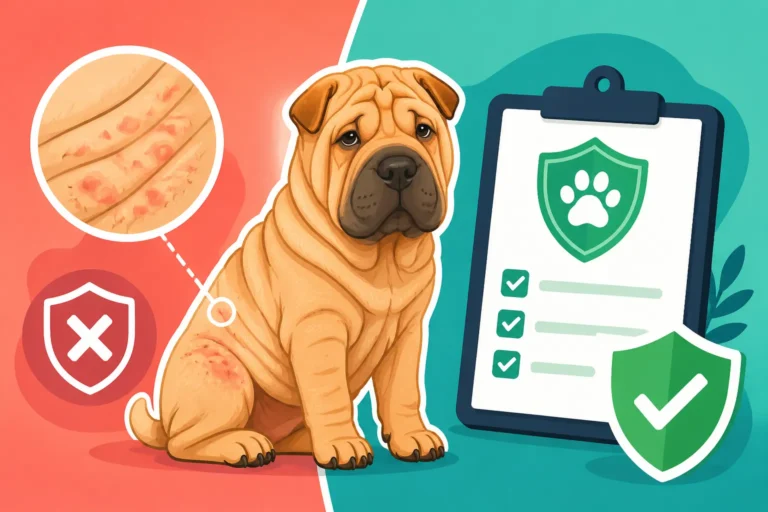
The luxurious, wrinkled skin of a Shar Pei is undeniably beautiful, but it's also their largest organ and often their biggest health challenge by surface area. The deep folds are breeding grounds for moisture, yeast, and bacteria, leading to skin fold dermatitis, particularly around the face, neck, and tail. This can cause itching, odor, and discomfort for your dog, and requires meticulous daily cleaning and often medicated wipes or shampoos.
Beyond fold dermatitis, Shar Peis are prone to general skin allergies, including environmental and food allergies, which can manifest as widespread itching, redness, hair loss, and secondary infections. Diagnosing these allergies often involves costly allergy workups, including blood tests or elimination diets. Treating them can mean long-term use of specialized medications, prescription diets (which we’ll discuss next), and specialized grooming products. It’s no exaggeration to say that What a Shar Pei's Skin Costs a Year can add up quickly, making proactive skin care and swift veterinary attention essential to keep your Shar Pei comfortable and prevent minor irritations from escalating into severe conditions.
Long-Term Kidney Monitoring
Perhaps one of the most sobering realities of Shar Pei ownership is the potential for kidney disease, specifically amyloidosis. This condition is directly linked to the inflammatory processes of Familial Shar Pei Fever (FSF). Over time, the chronic inflammation from FSF can cause an abnormal protein called amyloid to deposit in organs, primarily the kidneys, leading to their progressive failure. This is why lifelong medication like Colchicine is so important for FSF-prone Shar Peis, as it aims to reduce this inflammatory response.
Even with preventative measures, vigilant monitoring is crucial. Vets typically recommend regular urine protein-creatinine ratio (UPC) tests and blood work to check kidney values, often starting as early as two years old and continuing throughout their life. These tests help detect early signs of kidney damage, allowing for dietary changes or medications to slow the progression. The cumulative financial outlay for The Cost of Watching a Shar Pei's Kidneys for Its Whole Life can be substantial, but early detection and management can significantly extend and improve your dog's quality of life. As our Shar Peis get older, especially when Caring for a Shar Pei Past Seven, this monitoring becomes even more critical.
The Plate and the Pantry: Diet and Nutrition
What goes into your Shar Pei's bowl is just as important as their vet visits. Given their predispositions to allergies and sensitive stomachs, investing in the right food and any necessary supplements can make a huge difference in their overall health and reduce other vet bills down the line.
High-Quality Food for Sensitive Stomachs
Many Shar Peis thrive on a high-quality, easily digestible diet. They can be prone to food sensitivities, which often manifest as skin issues or digestive upset. This means you might find yourself experimenting with different protein sources like lamb, duck, or fish, and avoiding common culprits like chicken or beef if your vet suspects an allergy. This often translates to paying a premium for specialized or limited-ingredient kibble. While the price per bag might seem higher, the benefits of a happy, healthy gut and clear skin often outweigh the cost of cheaper, less suitable alternatives.
Some owners opt for fresh-prepared meal services like Ollie, which can be an excellent option for Shar Peis with sensitivities, offering customized, human-grade ingredients. While these types of diets generally come with a higher price tag than conventional kibble, the potential reduction in allergy flare-ups and digestive problems can be well worth the investment, leading to fewer vet visits for related issues. It's truly an investment in their comfort and well-being.
Specialized Diets for Health Conditions
Beyond general sensitivities, specific health conditions common in Shar Peis often necessitate prescription diets. For instance, if your Shar Pei is diagnosed with early kidney disease, your vet will likely recommend a specialized renal diet. These foods are formulated with controlled protein and phosphorus levels to reduce the workload on the kidneys and slow disease progression. Similarly, severe allergies might require a hydrolyzed protein diet, where proteins are broken down into tiny particles to avoid triggering an immune response.
These prescription diets are formulated to address serious medical needs, and they generally come at a higher cost than even premium over-the-counter foods. They are not merely "fancy" dog food; they are a vital part of managing a chronic condition. Committing to such a diet means accepting an ongoing, elevated food expense, but it's a critical component of their overall treatment plan and quality of life. Accessing these through services like Chewy can sometimes offer convenience and competitive pricing.
Supplements and Treats
Even with a high-quality diet, many Shar Pei owners find themselves adding supplements to their dog's regimen. Fish oil, rich in Omega-3 fatty acids, is often recommended to support skin health and reduce inflammation, which can be especially beneficial for their prone-to-problematic skin. Joint supplements, like glucosamine and chondroitin, become more common as Shar Peis age, helping to maintain mobility and comfort.
Treats, while seemingly minor, also add up. For a breed that can be a bit headstrong, high-value treats are often essential for training and keeping them motivated. Opting for dental chews can help with oral hygiene between professional cleanings, adding another layer of expense. Factor in these additional costs when planning your budget, as they contribute significantly to your Shar Pei's daily care and enrichment.
Grooming and Essential Maintenance
While a Shar Pei doesn't require elaborate styling, their unique coat and skin folds demand specific and consistent grooming to prevent common health issues. Neglecting these seemingly small tasks can quickly lead to painful infections and costly vet visits.
Daily Fold Care and Regular Bathing
The deep, abundant wrinkles that give the Shar Pei its distinctive look are also hotbeds for trouble. Moisture, dirt, and bacteria can easily become trapped within these folds, leading to irritation, infection, and a strong odor. Daily wiping of the facial and body folds with a damp cloth or medicated wipe is not just recommended, it's essential. This regular attention helps keep the skin dry and clean, preventing skin fold dermatitis. Our guide Every Fold on a Shar Pei Is a Place Something Grows truly highlights the importance of this task.
Beyond daily fold care, regular bathing is necessary, often with a specialized shampoo. If your Shar Pei suffers from allergies or skin infections, your vet might prescribe medicated shampoos that need to be used weekly or bi-weekly. Proper drying, especially deep within the folds, is critical after every bath to prevent moisture build-up. This requires extra time and attention compared to many other breeds, and the cost of quality medicated shampoos and wipes can be a recurring expense.
Nail Trims and Dental Care
Shar Peis have relatively fast-growing nails that, if left untrimmed, can become painfully long, making walking difficult and potentially leading to foot problems. Many Shar Peis are not fond of having their paws handled, making regular nail trims a challenge for owners. You might find yourself needing professional help from a groomer or vet tech for this routine task, which adds to the recurring costs. A Dremel tool can be a great investment for at-home care if your dog tolerates it, but the initial purchase and replacement sanding bands are still expenses.
Dental health is another often-overlooked area that can become very expensive if neglected. Just like humans, dogs can develop plaque and tartar buildup, leading to gum disease and tooth decay. While daily brushing with dog-specific toothpaste is ideal, many Shar Peis require professional dental cleanings under anesthesia at the vet's office every few years. These procedures involve scaling, polishing, and potentially extractions, and they can be a significant cost. Investing in good dental hygiene now can save you thousands of dollars in major dental work later.
Professional Grooming Needs
While you can certainly handle much of a Shar Pei's grooming at home, there are times when professional assistance is beneficial or even necessary. For Shar Peis with severe skin conditions, a professional groomer or veterinary technician skilled in medicated bathing and thorough drying can ensure the process is done effectively and without causing further irritation. They have specialized equipment like high-velocity dryers that can get deep into the folds without irritating sensitive skin.
Moreover, if your Shar Pei has particularly sensitive ears or a history of chronic ear infections, your vet might recommend regular sedated ear cleanings. These are performed under light sedation to allow for a thorough examination and cleaning of the narrow ear canals without causing pain or stress to your dog. While an added expense, it’s often a necessary measure to prevent more serious and costly ear problems down the line for this particular breed.
Training, Behavior, and Socialization
A well-adjusted Shar Pei is a joy, but their breed-specific traits mean that investing in early training and socialization is paramount. Without it, behavioral issues can arise that are far more costly, both emotionally and financially, to correct later.
Early Socialization and Puppy Classes
The early weeks and months of a Shar Pei's life are a critical window for socialization. Exposure to a wide variety of sights, sounds, people, and well-behaved dogs during this period helps them develop into confident, stable adults. Puppy classes are an excellent investment here, providing a safe and structured environment for this crucial learning. These classes teach basic obedience cues, but more importantly, they offer controlled exposure to other puppies and people, helping your Shar Pei learn appropriate social manners.
Failing to properly socialize a Shar Pei puppy can lead to significant behavioral challenges down the road, including fear, anxiety, and reactivity towards strangers or other dogs. As the saying goes, Socialize a Shar Pei Before Twelve Weeks or Pay for It Later. The cost of puppy classes is a small fraction of what you might end up spending on behavioral specialists or management tools if your dog develops serious issues. It's a foundational investment in their mental well-being and your peace of mind.
Addressing Breed-Specific Behavioral Traits
Shar Peis were historically bred as all-around farm dogs, including guarding property. This lineage means they often possess a strong guarding instinct and can be naturally aloof with strangers and other dogs. While this makes them excellent watchdogs and devoted family members, it also means that without careful management, these traits can manifest as aggression or reactivity. Our guide Dog to Dog Is the Shar Pei Problem, Not Dog to Person speaks to this common challenge.
If your Shar Pei exhibits resource guarding, territorial behavior, or reactivity on walks, you might need to consult with a professional dog trainer or a certified canine behaviorist. These experts can provide tailored strategies and training plans, but their services can be expensive, often costing significantly more than basic puppy classes. Investing in early, positive reinforcement training from a young age can help channel these natural instincts in appropriate ways, making your Shar Pei a manageable and pleasant companion rather than a source of stress.
Enrichment and Exercise Needs
While Shar Peis aren't endurance athletes, they do require consistent mental and physical stimulation to prevent boredom and destructive behaviors. This means investing in a variety of puzzle toys, treat-dispensing toys, and durable chew toys to keep their intelligent minds engaged. Since many Shar Peis can be strong chewers, you'll find yourself replacing toys fairly regularly, adding to your ongoing expenses.
Their physical exercise needs are moderate, typically an hour a day split into two shorter walks. However, it's crucial to remember that Shar Peis are prone to overheating due to their short snouts and thick coats, especially in warmer climates. Therefore, walks need to be carefully timed for cooler parts of the day, and you might need cooling mats, vests, or even air conditioning if you live in a hot region. As our article An Hour a Day Suits a Shar Pei, and Heat Cuts It Short explains, climate plays a big role in managing their activity. These accommodations are not luxuries; they are necessities for a Shar Pei's health and comfort, particularly during summer months.
Financial Safety Nets: Insurance and Emergency Funds
Given the Shar Pei's known predispositions to certain health issues, having a financial safety net in place isn't just a good idea – it's practically essential. Without one, a sudden illness or accident could lead to an overwhelming veterinary bill.
The Reality of Pet Insurance for Shar Pei
Pet insurance is a highly recommended consideration for Shar Pei owners. Given the breed's susceptibility to conditions like FSF, entropion, chronic ear infections, and potential kidney issues, vet bills can quickly accumulate. A good pet insurance policy can help offset these costs significantly, preventing you from facing the heartbreaking choice between your dog's health and your financial stability. Companies like Healthy Paws offer various plans that can cover accidents, illnesses, and even some hereditary conditions if enrolled early.
However, it's crucial to understand how pet insurance works. Policies typically have deductibles, reimbursement rates, and annual limits. More importantly, pre-existing conditions are usually not covered. This means if your Shar Pei has already been diagnosed with FSF, for instance, a policy might not cover future episodes related to that diagnosis. This is why our guide Insuring a Shar Pei Against a Mutation It Was Bred For stresses the importance of enrolling your Shar Pei as a puppy, before any conditions manifest. Research different providers and plans carefully to find one that best suits your budget and your Shar Pei's potential needs, understanding that premiums will be an ongoing monthly or annual expense.
Building an Emergency Fund
For those who opt not to get pet insurance, or even as a supplement to it, building a dedicated emergency fund for your Shar Pei is paramount. Life with a Shar Pei, much like life itself, is unpredictable. An unexpected injury, a severe FSF episode requiring hospitalization, or a sudden onset of a serious illness can lead to bills that run into hundreds or even thousands of dollars in a very short amount of time. Waiting until a crisis hits to figure out how to pay for it can be incredibly stressful.
Aim to save at least a few thousand dollars specifically for your dog's medical emergencies. This fund acts as a financial buffer, allowing you to make quick decisions about necessary veterinary care without the added burden of scrambling for funds. Whether it's a separate savings account or a dedicated credit card used only for pet emergencies, having this safety net in place provides immense peace of mind and ensures your Shar Pei can always receive the care they need, when they need it.
Daily Essentials and Miscellaneous Costs
Beyond the big-ticket items like vet care and food, there's a myriad of smaller, day-to-day expenses that contribute to the overall cost of Shar Pei ownership. These often get overlooked but are constant contributors to your monthly budget.
Crates, Beds, Leashes, and Toys
The initial purchase of essentials like a durable crate, comfortable bedding, leashes, collars, and food/water bowls is just the beginning. Beds wear out, especially if your Shar Pei loves to dig or chew, and will need replacing. Leashes and collars can get lost or frayed. Toys, particularly for a breed that can be quite adept at destroying them, are an ongoing expense. You'll likely find yourself constantly looking for durable, engaging toys that can stand up to a Shar Pei's determined play.
Furthermore, as your Shar Pei grows or ages, their needs for these items might change. A growing puppy will need a larger crate or harness, and an older dog might benefit from an orthopedic bed. These items, while not as dramatic as a vet bill, quietly accumulate over the years, making up a consistent portion of your pet budget.
Travel and Boarding
If you travel frequently or need to be away from home, you'll need to factor in the cost of boarding or pet sitting for your Shar Pei. Boarding kennels, especially reputable ones that can handle a breed with specific needs like the Shar Pei, can be costly. Alternatively, hiring a pet sitter to come to your home can be even more expensive but offers the comfort of familiar surroundings for your dog.
Considering a Shar Pei's potential aloofness with strangers and their guarding instincts, finding a suitable boarding facility or pet sitter who understands the breed is crucial. This might mean paying a premium for specialized care or extra training for the sitter to ensure a smooth experience for your dog and peace of mind for you. These costs are often intermittent but can be substantial when they arise.
Licensing, Identification, and Other Sundries
Every responsible dog owner needs to factor in the annual cost of dog licensing, which is a legal requirement in most municipalities. Beyond that, keeping your Shar Pei's identification up-to-date is important. This includes renewing microchip registrations and ensuring their ID tags are current.
Other miscellaneous but essential items include waste bags for walks, cleaning supplies for accidents, car seat covers to protect your vehicle, and potentially seasonal items like cooling vests or booties. While each item individually might seem minor, their collective impact on your annual budget is real. Budgeting for these recurring small expenses ensures you're never caught off guard and can provide everything your Shar Pei needs to live a comfortable and well-cared-for life.
Disclaimer
This article is for general informational purposes only and does not constitute professional advice. Laws, prices and regulations vary by location and change over time. Consult a qualified professional for guidance on your specific situation.