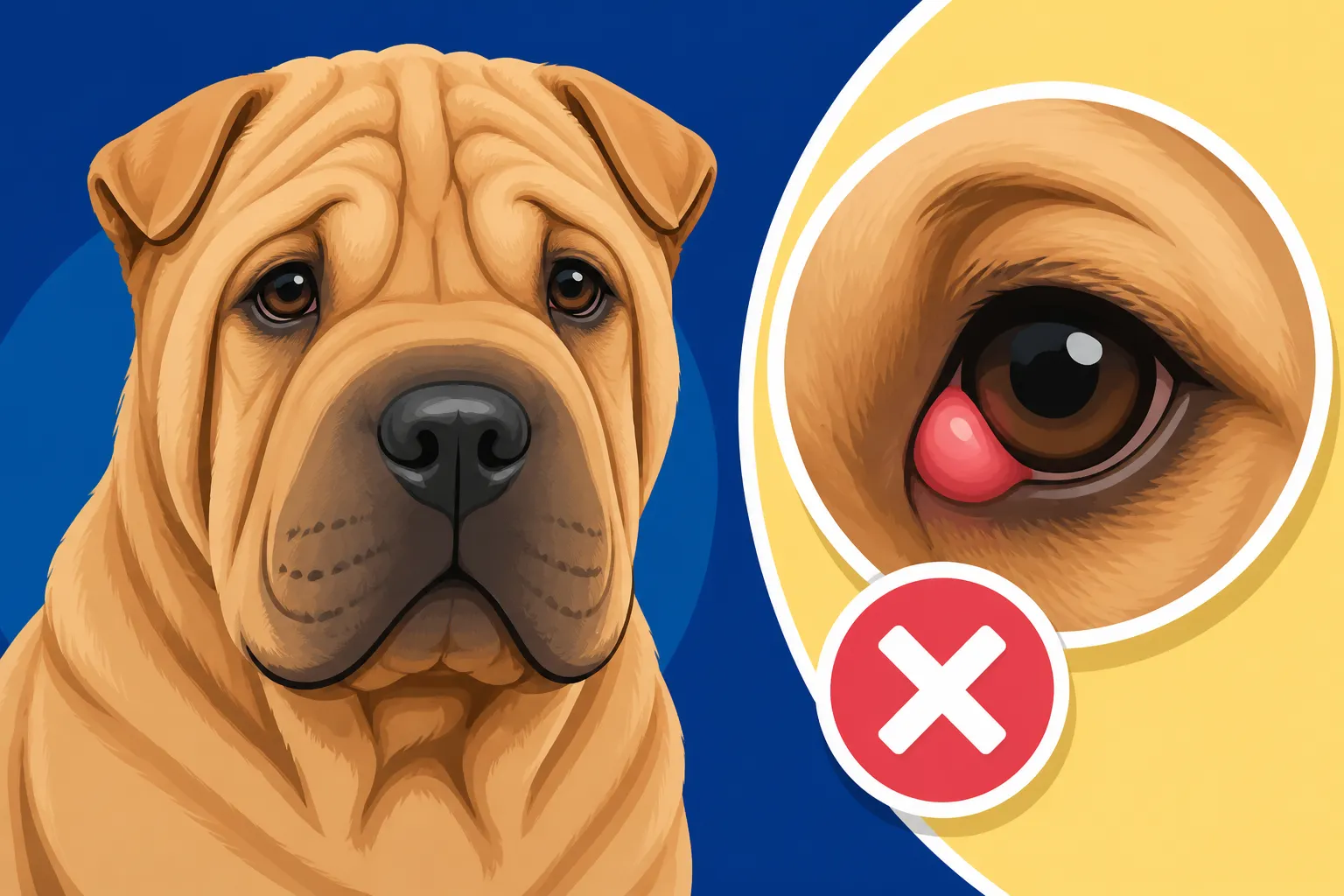
Whether a Shar Pei Gets Cherry Eye
As a Shar Pei owner, you’re already intimately familiar with the unique challenges and joys that come with these incredible dogs. Their deep-set eyes, often partially hidden by those glorious wrinkles, can be a source of constant concern, making it hard to tell what’s truly going on. One condition many dog owners dread hearing about is "cherry eye," and it's natural to wonder if our beloved Shar Pei, with all their specific ocular quirks, are particularly susceptible. This guide will delve into what cherry eye actually is, whether it's a common issue for Shar Pei, and most importantly, what steps you can take to protect your dog's precious vision.
Understanding Cherry Eye in Dogs
Before we zero in on our wrinkly friends, let's talk about what "cherry eye" even means for dogs in general. It's one of those terms that sounds a bit cute and harmless, but for your dog, it's anything but. Essentially, cherry eye occurs when the gland of the third eyelid prolapses, meaning it pops out of its normal position. Instead of being tucked away, you'll see a small, red, fleshy mass in the inner corner of your dog's eye, resembling a little cherry – hence the name.
This isn't just a cosmetic issue; that gland is crucial. It’s responsible for producing a significant portion of your dog's tears, keeping their eyes moist and healthy. When it prolapses, it can become inflamed, dry, and irritated, leading to discomfort and potentially more serious problems down the line if left untreated.
The Third Eyelid's Role in Canine Eye Health
Every dog has a third eyelid, also known as the nictitating membrane. It's like a secret weapon for eye protection, sweeping across the eye to clear debris and distributing tear film. Tucked beneath this membrane, in the inner corner of the eye, lies a small gland – the gland of the third eyelid. Its primary job is tear production, contributing a good chunk of the tears that keep your dog's eyes lubricated and healthy. Think of it as a built-in windshield wiper and washer fluid dispenser for their eyes.
When this gland is healthy and in its rightful place, you usually don't even notice it. It sits there, quietly doing its vital work. However, when the connective tissue that holds it in place weakens or becomes slack, the gland can flip out, becoming visible as that distinct red mass. This isn't just unsightly; it exposes the delicate tear-producing tissue to air and irritants, causing inflammation, pain, and a decrease in tear production, which can lead to conditions like dry eye (keratoconjunctivitis sicca or KCS) if not addressed.
Why Some Breeds Are Predisposed
Cherry eye isn't random; certain breeds are genetically predisposed to it, often due to weaker connective tissue in the third eyelid area. If you look at the typical list of breeds prone to cherry eye, you'll often see names like Beagles, Cocker Spaniels, Bulldogs, Boston Terriers, and Cane Corsos. These breeds frequently share a common trait: a genetic predisposition to laxity in the connective tissues around the eye, allowing the gland to pop out more easily.
It’s important to understand this breed-specific aspect because it helps us frame the discussion around Shar Pei. While a prolapsed third eyelid gland can occur in any dog, it's much more common in some lines and breeds. This highlights that for certain dogs, it's not just bad luck; it’s a consequence of their genetic makeup, often tied to features that breeders have focused on, sometimes inadvertently, over generations. Understanding these predispositions helps owners be more vigilant and understand the potential challenges ahead.
Shar Pei and Cherry Eye – The Reality
Now, let's tackle the burning question: Do Shar Pei get cherry eye? The straightforward answer is yes, they can. Like any dog breed, they possess a third eyelid and the gland associated with it, making them anatomically capable of developing cherry eye. However, when we talk about common eye problems in Shar Pei, cherry eye doesn't typically top the list. The big one, the one every Shar Pei owner lives and breathes, is entropion.
Entropion, where the eyelid rolls inward, causing eyelashes and fur to rub against the cornea, is a far more prevalent and often urgent issue for Shar Pei. It's so common that it often overshadows other potential eye problems. While cherry eye can certainly occur in a Shar Pei, it's not considered one of the defining breed-specific ophthalmic conditions to the same degree as entropion. It’s more likely to be an incidental finding rather than an expected one, unlike the almost guaranteed struggle with entropion that many Shar Pei puppies face.
Distinguishing Cherry Eye from Other Shar Pei Eye Concerns
For a Shar Pei owner, identifying exactly what's wrong with your dog's eye can be incredibly difficult due to their unique facial structure. Many owners have faced the panic of seeing their Shar Pei squint or rub an eye, only to find out it's something entirely different than what they initially suspected. Distinguishing cherry eye from other conditions, especially entropion, is crucial.
Cherry Eye: When a Shar Pei has cherry eye, you'll see a distinct, bright red, round mass protruding from the inner corner of one or both eyes. It literally looks like a small cherry. The rest of the eye might appear irritated, watery, or even dry if tear production is compromised. It’s an outward protrusion of a gland.
Entropion: This is the big one for Shar Pei. With entropion, the eyelid, usually the lower one, rolls inward. This causes the hair and eyelashes to constantly rub against the sensitive surface of the eyeball, leading to irritation, excessive tearing, squinting, redness, and potentially severe corneal ulcers or scarring. Unlike cherry eye, you won't see a "cherry"; instead, you might see the eyelid margin disappearing into the folds, or observe your dog blinking intensely and seeming very uncomfortable. When a Shar Pei Puppy Shows Entropion, it's often a race against time to get it corrected to prevent permanent damage. Untreated, a Shar Pei can go blind from untreated entropion because the cornea scars so badly.
Other eye issues, like corneal ulcers (often a result of entropion or an injury), conjunctivitis (general eye inflammation), or even glaucoma (increased pressure in the eye), can also affect Shar Pei. The key takeaway here is that while cherry eye can happen, if your Shar Pei is showing eye irritation, entropion should be at the very top of your list of concerns. A knowledgeable vet, ideally one familiar with the breed's specific needs, is essential for accurate diagnosis.
The Shar Pei's Unique Head and Eye Anatomy
Understanding the Shar Pei's distinctive head and eye anatomy is fundamental to appreciating why they're prone to certain eye issues, and why others might be harder to spot. Their deep-set eyes, surrounded by significant facial wrinkles and often tight, narrow eyelids, create a very specific environment.
First, the deep-set nature of their eyes means that the eyeball itself is somewhat recessed. This, combined with the heavy folds of skin around the face, can limit their peripheral vision – a factor that affects their temperament, too, as they cannot see you coming easily. These folds are part of what makes them so endearing, but they also contribute to a tight, often restrictive eyelid structure.
This is precisely why entropion is such a widespread problem in the breed. The excess skin and the way the eyelids are shaped mean they are far more likely to roll inward. While this structural peculiarity doesn't directly cause cherry eye, it can complicate both diagnosis and treatment. A prolapsed gland might be harder to spot initially if it's partly obscured by wrinkles, or the overall tightness of the eye area might make surgical correction more challenging.
Moreover, the constant battle with entropion means that Shar Pei eyes are frequently irritated, inflamed, or subjected to surgical interventions like eye tacking or permanent eyelid surgery. This makes any additional eye problem, like cherry eye, a compounding factor, potentially leading to more severe discomfort and a greater risk of secondary infections or damage. Regular eye checks are crucial, and any sign of irritation warrants a prompt vet visit.
What to Do If You Suspect Cherry Eye in Your Shar Pei
Seeing something unusual in your Shar Pei's eye can be alarming. If you notice that tell-tale red "cherry" or any other sign of severe eye discomfort, don't wait. Time is of the essence when it comes to eye health, especially for a breed as prone to ocular issues as the Shar Pei. Immediate veterinary attention is absolutely critical to prevent further damage and preserve your dog's vision and comfort.
Remember, that third eyelid gland is a tear producer, and if it remains prolapsed and inflamed for too long, its ability to produce tears can be permanently compromised. This could lead to a lifelong struggle with dry eye, which is a painful, chronic condition requiring daily medication. Prompt action can save your Shar Pei from a lot of future discomfort and expense.
Veterinary Diagnosis and Initial Steps
When you bring your Shar Pei to the vet with a suspected cherry eye, the first thing your veterinarian will do is a thorough eye examination. This isn't just a quick peek; it involves a careful assessment of the entire eye structure. They will visually confirm the prolapsed gland and distinguish it from other conditions, such as a tumor of the third eyelid, which, while rare, can sometimes mimic cherry eye.
The vet will also check for any corneal damage, like ulcers, which can occur if the exposed gland has been rubbing against the cornea or if the eye has become excessively dry. They might use a fluorescein stain to detect these ulcers. Tear production will likely be assessed using a Schirmer tear test to determine if the gland's function is already impaired.
It’s important to communicate any other symptoms you’ve noticed, such as rubbing the eye, discharge, changes in behavior, or previous eye issues like entropion. The more information you can provide, the better your vet can understand the full picture and develop an appropriate treatment plan. Don't hesitate to ask questions, especially about how this condition relates to other potential Shar Pei eye problems, like those discussed in Whether a Shar Pei Gets Glaucoma or how frequently their eyes should be checked yearly.
Treatment Approaches for Cherry Eye
Once cherry eye is diagnosed, your vet will discuss treatment options. Generally, there are two main approaches: non-surgical and surgical.
Non-Surgical Options: For mild or very recent cases, a vet might suggest trying to manually massage the gland back into place, often combined with anti-inflammatory eye drops to reduce swelling. While this can work for some dogs, especially if caught extremely early, it's often not a long-term solution for true prolapse, as the weakened connective tissue means the gland is likely to pop out again. For Shar Pei, whose eye anatomy is already complex, these methods might be even less successful.
Surgical Correction: This is by far the most common and effective treatment for cherry eye. The goal of surgery is to reposition the gland and secure it back in its normal anatomical pocket within the third eyelid, without removing it. The most common technique is called the "pocket technique" or "conjunctival imbrication," where the surgeon creates a pocket around the gland and sutures the tissue over it, effectively tucking it back in. Removing the gland outright is generally avoided because of its vital role in tear production, as its absence significantly increases the risk of chronic dry eye later in life. However, in rare, severe, or repeat cases where the gland is severely damaged, removal might be considered as a last resort.
The success rate for surgical correction is quite high, but it’s crucial to have it done by an experienced veterinarian, ideally a veterinary ophthalmologist, especially for a breed like the Shar Pei with existing eye sensitivities. Post-operative care will involve anti-inflammatory and antibiotic eye drops, and your dog will likely need to wear an Elizabethan collar to prevent them from scratching at the surgical site. Recovery typically takes a few weeks, and follow-up visits will be necessary to ensure proper healing.
Long-Term Management and Prevention
Even after successful treatment for cherry eye, it’s important for Shar Pei owners to be aware that their dog’s eyes will always need careful attention. This breed is prone to a host of eye issues, and while cherry eye might be resolved, vigilance is key for other potential problems and for ensuring the overall health of their vision.
Considering the financial aspect, conditions like cherry eye, especially if they require specialized surgery, can add significantly to the Four Bills Every Shar Pei Owner Should Expect. This is where pet insurance, like policies from Healthy Paws, can be incredibly valuable, potentially offsetting some of the costs for unexpected medical conditions, provided the policy was in place before any symptoms or diagnosis.
Potential for Recurrence and Monitoring
Unfortunately, even with successful surgical correction, there's always a chance of recurrence with cherry eye. The underlying weakness in the connective tissue that allowed the gland to prolapse in the first place might still be present, meaning the gland could potentially pop out again in the same eye, or even appear in the other eye (as cherry eye often affects both eyes eventually). This isn't a reflection of poor surgical technique, but rather the nature of the condition and the dog's genetic predisposition.
For this reason, continuous monitoring is crucial. Owners should regularly inspect their Shar Pei's eyes for any signs of redness, swelling, increased discharge, or discomfort. Pay close attention to the inner corner of the eye where the gland sits. If you notice any changes, don't hesitate to contact your vet. Early detection of a recurrence means quicker intervention, which can improve the outcome and prevent further complications.
Even if cherry eye isn't an issue, the Shar Pei's predisposition to entropion means their eyes are constantly at risk. Therefore, understanding the signs of recurring issues and establishing a routine of checking your dog's eyes as part of their daily care is essential. It also helps to keep a detailed medical history, including any previous eye surgeries like eye tacking.
Proactive Eye Health for Your Shar Pei
While you can't entirely prevent a genetic predisposition to cherry eye or other inherited conditions, proactive eye care can go a long way in maintaining your Shar Pei's overall ocular health and catching problems early.
Regular Visual Checks: Make it a daily habit to gently examine your Shar Pei's eyes. Look for any redness, discharge, squinting, excessive tearing, or cloudiness. Notice if one eye looks different from the other. Given their deep-set eyes and surrounding wrinkles, you might need to gently lift some folds to get a clear view.
Gentle Cleaning: If your Shar Pei has mild tearing or discharge, gently wipe the area with a soft, damp cloth or a vet-approved eye wipe. Always wipe away from the eye, towards the nose. Be careful not to irritate the delicate skin around their eyes.
Regular Vet Check-ups: Ensure your Shar Pei has regular veterinary check-ups. During these visits, your vet can perform thorough eye exams, which should include checking for signs of entropion, glaucoma, or any other breed-specific concerns. You might also ask your vet about Whether a Shar Pei's Eyes Should Be Checked Yearly as part of their routine care.
Awareness of Breed-Specific Issues: Beyond cherry eye, being acutely aware of conditions like entropion is paramount for Shar Pei owners. Knowing the signs of these conditions, understanding when to seek emergency care, and being prepared for potential treatments are all part of responsible Shar Pei ownership. Remember that insuring a Shar Pei Against a Mutation It Was Bred For can help manage the financial burden of these breed-specific health challenges. Staying informed about your dog’s unique needs is the best prevention strategy you have.
| Feature | Cherry Eye (Prolapsed Third Eyelid Gland) | Entropion (Inward Rolling Eyelid) |
|---|---|---|
| Appearance | Bright red, fleshy mass in inner corner of eye | Eyelid margin (usually lower) turns inward, not visible |
| Primary Cause | Weakened connective tissue holding gland in place | Excess facial skin/wrinkles causing eyelid to roll inward |
| Visible Irritant | Exposed, inflamed tear gland | Eyelashes and hair rubbing against the cornea |
| Symptoms | Red mass, tearing, dryness, irritation, squinting | Squinting, excessive tearing, redness, discharge, rubbing |
| Urgency | Moderate to high; gland can be permanently damaged | High; can cause severe corneal ulcers and vision loss |
| Treatment | Surgical repositioning of the gland (pocket technique) | Eye tacking (temporary), permanent eyelid surgery |
| Risk to Vision | Can lead to chronic dry eye if untreated/gland removed | Can cause corneal scarring, ulcers, and blindness |
| Prevalence in Shar Pei | Less common than entropion, but can occur | Extremely common, a hallmark breed concern |
Disclaimer
The information provided in this article is for general informational purposes only and is not a substitute for professional veterinary advice. Always consult with a qualified veterinarian for any health concerns or before making any decisions related to your pet's care.


