The Age Demodex Appears in a Shar Pei
It can be incredibly disheartening when you bring home a fluffy, playful Shar Pei puppy, only to start noticing patches of hair loss, redness, or itching. Many new owners wonder if these persistent skin issues are just part of the breed or if something more serious is at play. This guide will delve into Demodectic Mange in Shar Pei, focusing on the age it typically appears and what you can do about it, offering clarity and practical advice.
Understanding Demodectic Mange in Shar Pei Puppies
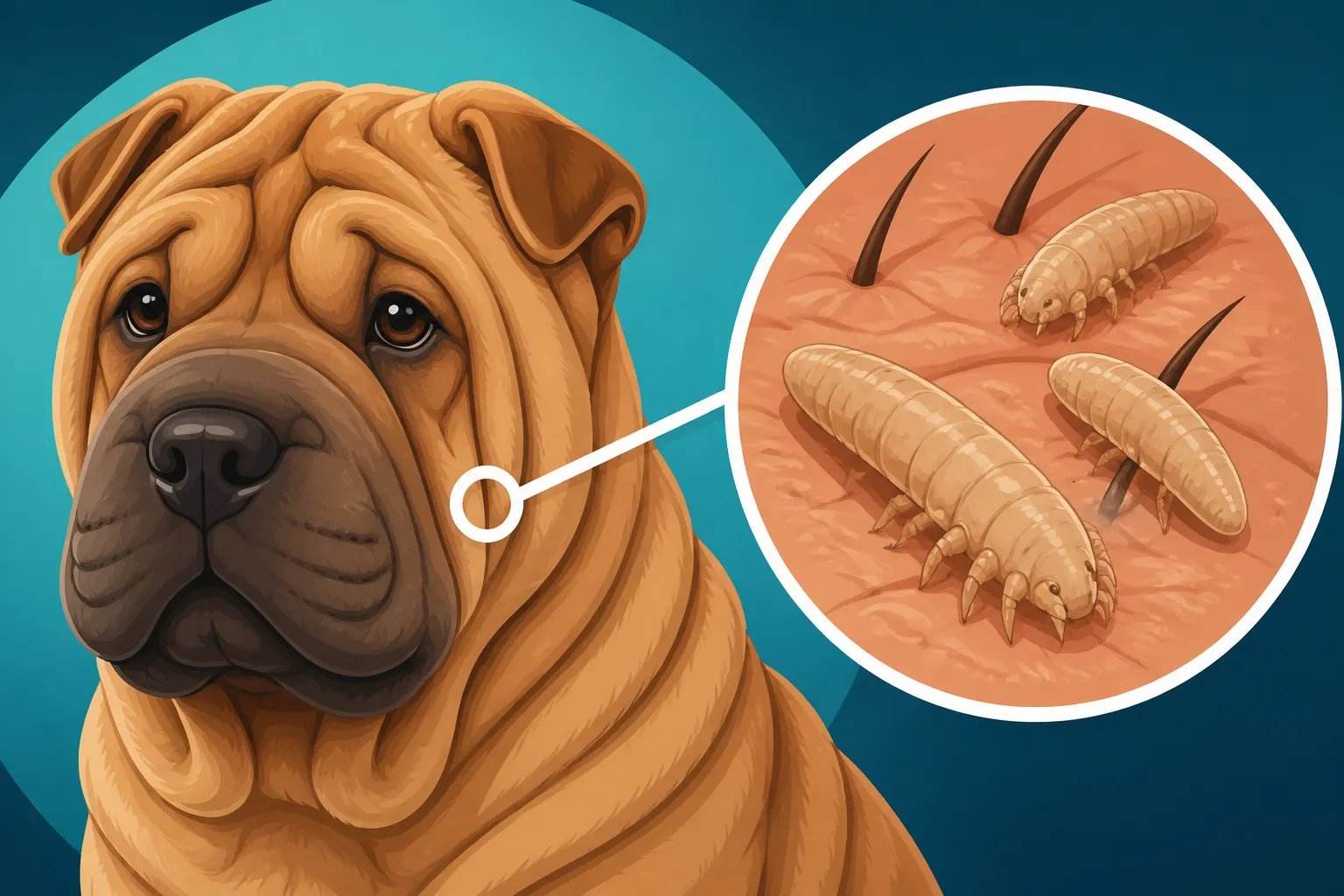
Demodectic mange, often simply called "Demodex," is one of those skin conditions that can really throw a curveball at Shar Pei owners. Unlike sarcoptic mange, which is highly contagious, demodectic mange isn't caused by a parasite your dog picks up from the park. Instead, it's caused by microscopic mites (specifically Demodex canis) that live naturally in the hair follicles of almost all dogs, and even humans! Most dogs live their entire lives with these mites without any trouble at all. The problem arises when a dog's immune system isn't quite up to the task of keeping the mite population in check, allowing them to multiply uncontrollably and cause skin inflammation and hair loss.
The reason Shar Pei seem particularly prone to this condition often comes back to their unique genetic makeup and, yes, those adorable wrinkles that make them so distinctive. Their skin, which is the Shar Pei's largest problem by surface area, is already predisposed to a host of dermatological challenges. This includes conditions like skin fold dermatitis, allergies, and sometimes, a compromised immune response that allows Demodex to take hold. It's not that Shar Pei are inherently "sickly," but rather that their breed-specific traits sometimes create a perfect storm for certain issues to surface.
Why Shar Pei are Prone to Demodex
The immune system plays a critical role in keeping Demodex canis mites in check. For some Shar Pei, particularly puppies, their immune systems might not be fully developed or might have genetic predispositions that affect their ability to manage mite populations. This isn't a reflection of poor care from the owner; it's often an inherited vulnerability. Think of it like a faulty security system in a house – the threat (mites) is always there, but a strong immune system acts as a vigilant guard. When that guard is a bit sleepy or overwhelmed, the mites can stage a takeover.
There's also some speculation that the breed's deep folds and wrinkles, while charming, can create microclimates that are less than ideal for skin health. These areas can retain moisture and heat, potentially altering the skin's natural defenses, although the primary driver for Demodex is still rooted in immune function. It's a complex interplay of genetics, immunity, and environment that makes "Whether a Shar Pei Gets Demodectic Mange" a question many owners unfortunately face. This is why many owners end up budgeting for what a Shar Pei's skin costs a year, anticipating potential issues.
The Typical Age of Onset
One of the most common questions from concerned owners is: "The age Demodex appears in a Shar Pei?" For localized demodectic mange, which presents as small, non-itchy patches of hair loss, the vast majority of cases appear in puppies, typically between 3 to 6 months of age. This timing aligns with when a puppy's immune system is still maturing and potentially experiencing a temporary dip in its ability to fight off opportunistic organisms like Demodex mites.
Generalized demodectic mange, which is more severe and involves larger areas of the body, can also appear in this puppy age range. However, if generalized demodectic mange appears in an older, adult Shar Pei, it's a huge red flag. It often signals an underlying health issue compromising the immune system, such as hypothyroidism or even certain cancers. In these cases, the mange isn't the primary problem, but a symptom indicating a deeper systemic issue that needs immediate veterinary investigation. This distinction between puppyhood onset and adult onset is crucial for diagnosis and treatment planning.
Recognizing the Signs and Getting a Diagnosis
Spotting the signs of Demodex early can make a big difference in how quickly and effectively you can address it. As devoted Shar Pei parents, we're constantly scrutinizing our fur babies, and for good reason—their skin tells us a lot. Initial signs might be subtle, and it's easy to dismiss them as minor irritations. However, knowing what to look for can help you identify a problem before it escalates. When it comes to "Signs a Shar Pei Has Demodex", the visual cues are often distinct enough for an attentive owner to notice.
The skin of a Shar Pei is already prone to various challenges, so discerning between a regular fold irritation and something like Demodex requires a keen eye and, often, veterinary expertise. While you might be quick to assume the worst, a professional diagnosis is always the first step.
What to Look For: Localized vs. Generalized
Demodectic mange manifests differently depending on whether it's localized or generalized.
Localized Demodex:
- Small, circular patches of hair loss: These are often found around the eyes, muzzle, and forelegs. They might be just a few millimeters to a couple of centimeters in diameter.
- Redness or slight scaling: The skin within these patches might appear slightly red, inflamed, or scaly.
- Non-itchy: This is a key differentiator from other skin conditions like allergies or flea infestations. Localized Demodex is typically not itchy, or only mildly so. Your Shar Pei might not seem bothered by it at all, making it easy to miss.
- Common locations: Pay close attention to the face, especially around the eyes and mouth, and the front legs. These are common starting points.
You might notice just one or two small spots, leading you to think it's nothing serious. However, even these small patches warrant a vet visit, especially in a young Shar Pei.
Generalized Demodex:
- Multiple patches of hair loss: This involves larger areas of the body, or five or more localized spots. The patches can merge together, creating extensive areas of balding.
- Redness, swelling, and thickening of the skin: The skin often becomes very inflamed, red, and can feel thick or leathery.
- Secondary bacterial infections: Because the skin's barrier is compromised, bacteria can easily invade, leading to pus-filled lesions, crusting, and a strong, unpleasant odor. This is when the itching often starts, as the secondary infection makes the skin incredibly uncomfortable.
- Lethargy and fever (in severe cases): If the secondary infection is widespread and severe, your puppy might become lethargic, lose its appetite, and even develop a fever.
- Paw involvement: Infections in the paws (pododermatitis) can be particularly stubborn and painful.
If you suspect your Shar Pei has Demodex, it's crucial to seek veterinary attention promptly. Early intervention can prevent localized cases from progressing to generalized forms and mitigate the suffering caused by secondary infections.
The Diagnostic Process
Diagnosing Demodex is surprisingly straightforward and usually involves a few common veterinary procedures:
- Skin Scrape: This is the gold standard. Your vet will gently scrape the surface of your Shar Pei's skin with a scalpel blade, often after applying a drop of mineral oil. This non-painful procedure collects skin cells and debris from deep within the hair follicles where the mites reside. The sample is then examined under a microscope. Seeing the characteristic cigar-shaped Demodex mites confirms the diagnosis. Because Shar Pei skin can be quite thick, especially in certain areas, sometimes a deeper scrape is needed to get an accurate sample.
- Hair Plucks: In some cases, especially in areas where scraping might be difficult or uncomfortable (like around the eyes), your vet might pluck hairs and examine the follicles under a microscope. This can also reveal mites.
- Biopsy (less common for diagnosis): If scrapes and plucks are inconclusive but suspicion remains high, or if there are other unusual skin lesions, a skin biopsy might be performed. This is a more invasive procedure, usually done under sedation or general anesthesia, where a small piece of skin is surgically removed and sent to a lab for histopathological examination. This is more often used for confirming underlying causes or for very unusual presentations.
It's important to differentiate Demodex from other common Shar Pei skin issues like allergies. While "Food Allergies in a Shar Pei" can cause similar symptoms of itching and skin irritation, they don't involve the presence of mites. A proper diagnosis ensures your beloved Shar Pei gets the right treatment from the start, saving both of you unnecessary stress and expense. If you have pet insurance like Healthy Paws, knowing the exact diagnosis is key for claims related to treatment.
Treatment and Management Strategies
Once your vet has confirmed demodectic mange, the good news is that it's usually treatable. The bad news, especially for generalized cases, is that it can be a lengthy process requiring dedication and patience. The goal of treatment isn't necessarily to eradicate every single mite, but rather to reduce their numbers to a level where your Shar Pei's immune system can keep them in check naturally.
The approach to treatment will differ significantly depending on whether it's localized or generalized mange, and if any secondary infections are present. Owners often wonder about the costs involved, and managing what a Shar Pei's skin medication costs yearly can be a significant part of the budget. It's an investment in your dog's comfort and long-term health.
Treating Localized Demodex
For localized cases, especially in young puppies, treatment might be minimal or even unnecessary. Many localized cases resolve on their own as the puppy's immune system matures. Your vet might recommend:
- Observation: In very mild cases, simply monitoring the spots to ensure they don't spread or worsen.
- Topical treatments: Medicated shampoos or spot treatments might be prescribed for specific affected areas. These often contain ingredients like benzoyl peroxide to flush out hair follicles or mild parasiticides.
- Boosting overall health: Ensuring your puppy is on a high-quality diet, managing stress, and maintaining a clean living environment can all support a healthy immune system.
It's tempting to try over-the-counter remedies, but always consult your vet. Some products can be irritating to a Shar Pei's sensitive skin or ineffective against Demodex mites.
Treating Generalized Demodex
Generalized demodectic mange requires a more aggressive and systemic approach. This is where treatments become more involved and where ongoing commitment from the owner is essential.
-
Systemic Medications: These are the cornerstone of generalized Demodex treatment.
- Isoxazolines: Newer generation oral medications like NexGard, Bravecto, Simparica, and Credelio are highly effective and generally safe. They work by systemically killing mites. Treatment typically lasts for several weeks to months, often continuing for a period after the skin scrapes are clear to ensure all mites are gone. These are often the first line of defense due to their efficacy and convenience.
- Ivermectin: This is an older, often effective, but not without risks, treatment. It's usually given orally daily, but some breeds (and individuals) can have a genetic sensitivity to ivermectin, leading to severe neurological side effects. Your vet will assess the risk carefully.
- Milbemycin Oxime: Another systemic antiparasitic that can be used, often effective, and generally safer than ivermectin, but can be more expensive.
-
Addressing Secondary Infections: Almost all cases of generalized Demodex will have secondary bacterial or yeast infections.
- Antibiotics: Oral antibiotics are crucial for clearing bacterial skin infections. They are typically prescribed for several weeks, often longer, depending on the severity of the infection.
- Antifungal medications: If yeast is present, antifungal shampoos or oral medications may be used.
- Medicated Shampoos: Baths with antiseptic shampoos (e.g., chlorhexidine, benzoyl peroxide) are often recommended to help clean the skin, remove scales and crusts, and kill surface bacteria and yeast. "How Often a Shar Pei Should Be Bathed With Skin Disease" will be something your vet advises on, as too much bathing can also strip beneficial oils.
-
Supportive Care:
- Nutritional Support: A high-quality, balanced diet is important to support the immune system. Sometimes, supplements like omega-3 fatty acids can improve skin barrier function.
- Stress Reduction: A calm and consistent environment can help your Shar Pei recover.
- Regular Vet Check-ups: Consistent follow-up appointments with your vet are critical. This typically involves repeat skin scrapes every few weeks to monitor mite counts and confirm treatment success. Treatment is usually continued until two consecutive monthly skin scrapes are clear of mites.
The Role of Genetics and Responsible Breeding
It's important to remember that Demodex, particularly the generalized form, often has a genetic component, especially in Shar Pei. This means that dogs who develop generalized demodectic mange, even as puppies, should ideally not be bred. Responsible breeders actively work to identify and remove affected dogs from their breeding programs to reduce the incidence of this condition in future generations. If you're looking for a Shar Pei puppy, always inquire about the health history of the parents and any previous littermates, specifically asking "Whether a Shar Pei With Demodex Should Be Bred".
While dealing with Demodex can be tough, seeing your Shar Pei recover and their fur grow back is incredibly rewarding. Having a good pet insurance policy, like one from Healthy Paws, can also provide immense peace of mind, helping to cover the often significant costs associated with diagnosing and treating chronic skin conditions like generalized Demodex. Knowing you have financial support can ease the burden, allowing you to focus purely on your Shar Pei's recovery. For complex or persistent cases, your vet might recommend a referral to a veterinary dermatologist, and understanding what a Shar Pei's dermatology referral costs is another important consideration.
Long-Term Outlook and Prevention
Caring for a Shar Pei with a history of demodectic mange requires a bit of ongoing vigilance, even after successful treatment. While localized cases in puppies often resolve permanently, generalized cases, especially those appearing in adulthood, can sometimes be chronic or recurrent if the underlying immune weakness persists. However, with proper management, most Shar Pei can live full, comfortable lives.
The journey often involves more than just medications; it’s about a holistic approach to your Shar Pei’s well-being, acknowledging their unique breed characteristics and taking proactive steps. Understanding how Shar Pei health compares to other wrinkled breeds can also give you perspective on why certain conditions, like skin issues, are more prevalent.
Preventing Recurrence
While you can't always prevent the initial onset of Demodex, especially if there's a genetic predisposition, there are steps you can take to minimize the risk of recurrence:
- Maintain Excellent Overall Health: A strong immune system is your Shar Pei's best defense. This means providing a high-quality, balanced diet, ensuring regular exercise (keeping in mind that an hour a day suits a Shar Pei, and heat cuts it short), and minimizing stress. Discuss with your vet if supplements like omega-3 fatty acids could benefit your particular Shar Pei's skin health.
- Parasite Prevention: While Demodex isn't typically prevented by standard flea and tick medications, some of the newer generation oral products that treat Demodex also cover other common parasites. Discuss with your vet the most comprehensive parasite prevention plan for your Shar Pei.
- Regular Veterinary Check-ups: Annual or semi-annual check-ups are crucial. These allow your vet to catch any subtle changes in skin or coat condition early. Remember, "Whether an Old Shar Pei's Kidneys Should Be Checked Twice a Year" is a vital consideration for senior dogs, and overall health monitoring is just as important for skin.
- Spaying/Neutering: For dogs that have had generalized demodectic mange, especially if it was severe, spaying or neutering is highly recommended. This is primarily to prevent the genetic trait from being passed on to offspring, but it can also help to stabilize hormones that sometimes play a role in immune function, particularly in female dogs.
- Address Underlying Conditions: If your Shar Pei developed generalized Demodex as an adult, it's critical to identify and manage any underlying health issues, such as Hypothyroidism and IgA Deficiency in a Shar Pei, which could compromise the immune system. Without addressing the root cause, Demodex is likely to return.
- Good Hygiene Practices: While Demodex isn't caused by poor hygiene, keeping your Shar Pei's skin and coat clean, especially in those charming wrinkles, is always a good practice. This includes understanding how to dry a Shar Pei properly after bathing to prevent other skin issues like yeast infections in damp folds.
Living with a Shar Pei with a Demodex History
Even after successful treatment, some Shar Pei may have slightly more sensitive skin or be prone to other dermatological issues. This isn't uncommon, as their unique skin structure often leads to a lifetime of attentive care.
- Be Prepared: Keep essential skin care items on hand, such as medicated wipes for folds, gentle shampoos recommended by your vet, and any prescribed topical medications.
- Monitor Skin Closely: Regularly inspect your Shar Pei's skin, especially in common problem areas. Look for any new patches of hair loss, redness, or excessive scratching. If "Whether a Shar Pei's Skin Gets Worse in Humidity" is true for your dog, be extra vigilant during humid months.
- Partner with Your Vet: Maintain an open dialogue with your veterinarian. They are your best resource for managing your Shar Pei's skin health, whether it's discussing "Whether a Shar Pei Needs an Elimination Diet" for concurrent allergies or adjusting long-term care plans. Many owners find having comprehensive pet insurance, such as through Healthy Paws, invaluable for managing these ongoing health needs. It offers peace of mind, knowing that you're supported in providing the best possible care for your unique companion.
Dealing with Demodex in a Shar Pei can feel overwhelming, but with patience, consistent veterinary care, and a proactive approach, your beloved wrinkly friend can thrive. It’s all part of the unique, rewarding journey of owning one of these special dogs.
| Aspect | Localized Demodectic Mange (Puppy Onset) | Generalized Demodectic Mange (Puppy Onset) | Generalized Demodectic Mange (Adult Onset) |
|---|---|---|---|
| Typical Age of Onset | 3-6 months (most common) | 3-12 months (can extend into adolescence) | Any age, typically after 12-18 months |
| Appearance | 1-4 small, non-itchy patches of hair loss, mild redness/scaling | 5+ patches or large areas of hair loss, severe redness, thickened skin | Widespread hair loss, severe inflammation, crusting, secondary infections |
| Itchiness | Usually none or mild | Moderate to severe, especially with secondary infections | Severe, chronic itching |
| Underlying Cause | Immature immune system (often self-resolving) | Genetically predisposed immune weakness | Underlying systemic disease (e.g., endocrine, cancer, severe allergies) |
| Treatment | Observation, topical treatments, good husbandry | Systemic medications (isoxazolines), antibiotics, medicated baths | Systemic medications, thorough investigation of underlying cause, antibiotics |
| Prognosis | Excellent, often self-resolving | Good with consistent treatment, can be lengthy | Guarded, depends on managing underlying cause and commitment to treatment |
| Breeding Recommendation | No breeding if recurrent or severe | Never breed affected dogs | Never breed affected dogs |
Disclaimer
The information provided in this article is for general informational purposes only and is not intended as a substitute for professional veterinary advice, diagnosis, or treatment. Always seek the advice of your veterinarian or other qualified health provider with any questions you may have regarding a medical condition. Never disregard professional veterinary advice or delay in seeking it because of something you have read in this article.


