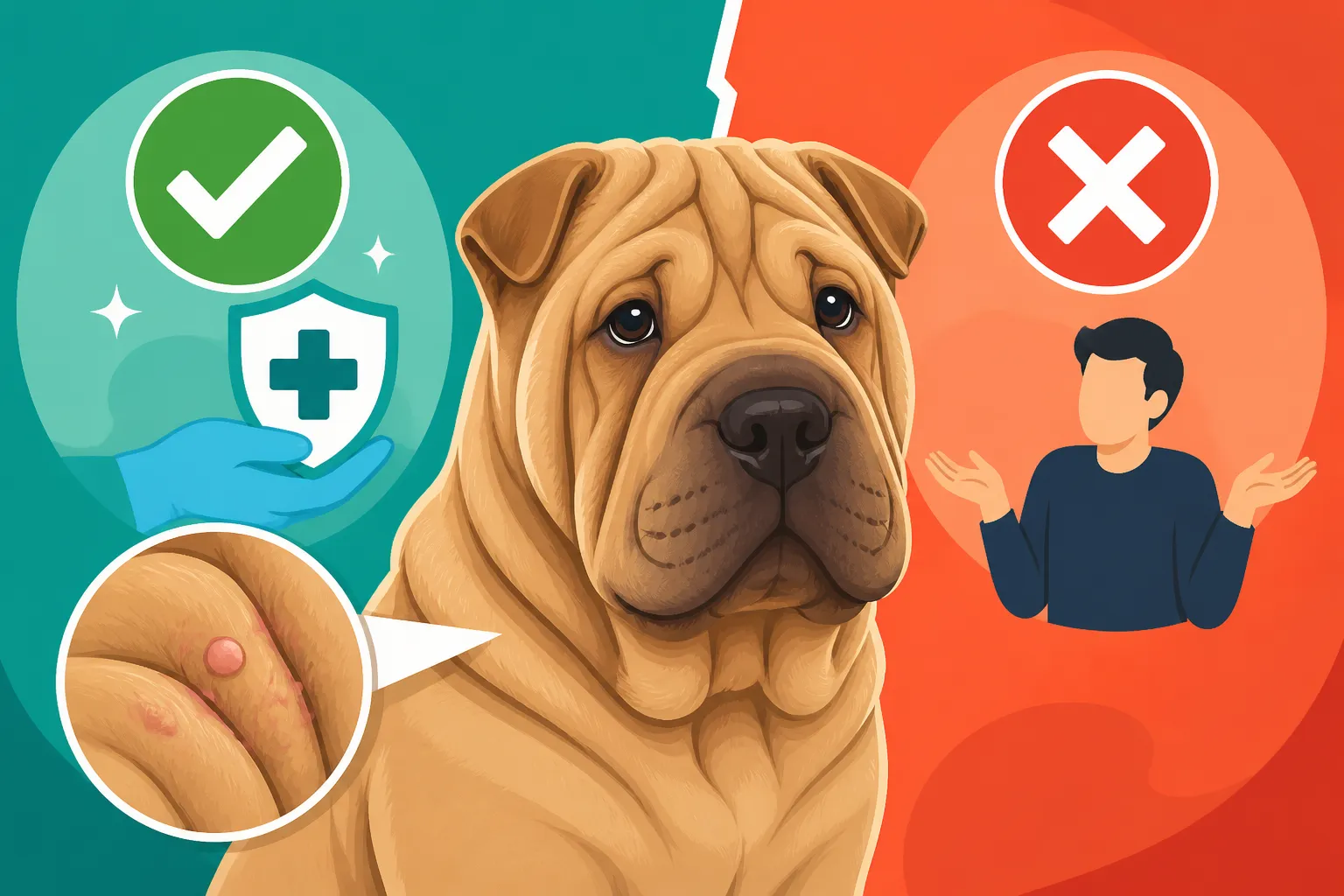
Whether Mucinosis in a Shar Pei Needs Treatment
It’s a common sight for any Shar Pei owner: those glorious wrinkles, that thick, sometimes "puffy" skin, which is undeniably part of their charm. But sometimes, what looks like just another fold can become a source of worry, especially when you start noticing unusual bumps, itching, or changes in texture. The question of whether these skin peculiarities, known as mucinosis, actually need treatment is a deeply valid concern that many Shar Pei parents grapple with, and this guide is here to shed light on exactly when to worry and what to do.
Understanding Mucinosis in Your Shar Pei
The very essence of a Shar Pei's unique appearance lies in its skin, and specifically, a condition called mucinosis. This isn't a disease in the traditional sense, but rather a characteristic feature of the breed, a direct result of their fascinating genetic makeup. However, it's crucial to understand what it is before we delve into when it might become a problem.
At its core, mucinosis is an excessive accumulation of mucin, a jelly-like substance primarily composed of hyaluronic acid, in the skin. Think of it like a natural filler that gives their skin that distinctive, loose, and often spongy feel. This phenomenon is directly linked to the gene duplication responsible for their profound wrinkles. If you're curious about the mechanics, there's a lot more to explore regarding Which Gene Duplication Causes a Shar Pei's Wrinkles. This genetic quirk means that unlike other breeds where mucin is present in much smaller amounts, a Shar Pei's body produces it in abundance, leading to their hallmark appearance.
For many Shar Peis, this increased mucin is entirely benign. It's just part of being a Shar Pei. You'll often feel it as a soft, somewhat gelatinous texture under their skin, especially around their neck, hocks, or face. This is particularly noticeable in younger puppies, who often present with an almost "puffy" or "over-wrinkled" look.
However, mucinosis isn't a single, uniform presentation. It can manifest in a couple of ways. The most common is what we call "cutaneous mucinosis," which is the generalized thickening and sponginess of the skin due to mucin deposits. This is what gives them their signature feel. Less commonly, but more symptomatically, a Shar Pei might develop "vesicular mucinosis." This presents as small, often firm, fluid-filled blisters or bubbles on the skin surface, sometimes described as looking like a "string of pearls." These vesicles are essentially mucin trapped in pockets within the skin layers. While the cutaneous form is often a benign aesthetic, the vesicular form is usually a clear sign that intervention might be needed, as these vesicles can rupture, leading to irritation and secondary infections.
When Mucinosis is a Normal Shar Pei Feature
It’s easy to look at a Shar Pei puppy, especially one with a lot of loose skin and a "puffy" appearance, and immediately jump to conclusions about health issues. But for many Shar Pei owners, much of what they observe in terms of skin appearance is actually perfectly normal and not indicative of a problem requiring treatment. Understanding this distinction is key to avoiding unnecessary worry and vet visits.
Shar Pei puppies are famous for their excessive wrinkles, often appearing to wear a coat several sizes too big. This "puppy puffiness" is a direct result of the abundant mucin production we discussed earlier. It gives them that adorable, squishy quality that melts hearts. In fact, many people are captivated by this look. This developmental stage is natural, and in most cases, as the puppy grows, they will "grow into" some of their skin. While they'll always retain their characteristic wrinkles, the extreme puffiness often subsides as their body structure matures. There's a lot to learn about Whether a Puffy Shar Pei Puppy Has Mucinosis and how this changes over time.
This phase is primarily cosmetic. Your puppy might look like a walking cloud of wrinkles, but as long as the skin is healthy, not red, itchy, or infected within the folds, it's likely just normal mucinosis. The goal during this period isn't treatment, but vigilant care. Ensure those deep folds, especially around the face, neck, and tail, are kept clean and dry to prevent moisture and debris from accumulating, which could lead to secondary issues.
While diet and environment play a huge role in overall skin health, they are not direct causes or cures for the underlying genetic predisposition to mucinosis. A high-quality diet, rich in essential fatty acids, can support healthy skin and coat, making it more resilient to potential issues. Similarly, a clean, low-allergen environment can reduce irritation that might exacerbate existing skin conditions. However, these are supportive measures, not direct treatments for the presence of mucin itself. For a Shar Pei, their mucin-rich skin is just a part of who they are, much like their blue-black tongue.
Identifying Problematic Mucinosis Requiring Intervention
While some level of mucinosis is perfectly normal and even characteristic of the Shar Pei breed, there are definitely times when it crosses the line from a charming trait to a problematic health concern. Recognizing these warning signs is paramount for any Shar Pei owner, as early intervention can prevent significant discomfort and more serious issues for your beloved companion.
The most common red flag indicating that your Shar Pei's mucinosis needs attention is when it starts causing symptoms that impact their quality of life. Look out for persistent itching, often leading to scratching, rubbing, or even chewing at their skin. This can be localized to particularly 'puffy' areas or more generalized. You might see visible redness, inflammation, or a foul odor emanating from skin folds, which are classic signs of secondary bacterial or yeast infections taking hold in the warm, moist environments created by deep wrinkles and mucin accumulation. Sometimes, the mucin itself can become inflamed, leading to tender, painful areas. This is especially true for the vesicular form of mucinosis, where those "string of pearls" blisters can rupture, leaving open sores prone to infection. These secondary infections are a significant part of why Skin Is the Shar Pei's Largest Problem by Surface Area.
Severe mucinosis, particularly around sensitive areas like the eyes, can even interfere with their vision. Excessive swelling or puffiness can further narrow their already small eyes, making it difficult for them to see clearly, leading to clumsiness or anxiety. In rare, extreme cases, it can affect their mobility if large mucin deposits form around joints, causing discomfort or stiffness. It’s not just about aesthetics; problematic mucinosis truly compromises a dog’s well-being.
When you observe any of these symptoms—itching, redness, odor, visible lesions, or behavioral changes due to discomfort—it's definitely time to schedule a visit to your veterinarian. Don't try to self-diagnose or treat with over-the-counter remedies, as many Shar Pei skin issues require specific prescription medications. Your vet may recommend a referral to a veterinary dermatologist, a specialist who has extensive experience with complex skin conditions in breeds like the Shar Pei. They can accurately diagnose the issue, differentiate between simple mucinosis and other skin problems, and formulate an effective treatment plan tailored to your dog's specific needs. Getting an expert opinion is crucial because conditions like mucinosis can often mimic or coexist with other issues, such as allergies or infections, making an accurate diagnosis the first step to relief.
Treatment Options and Management Strategies for Symptomatic Mucinosis
When mucinosis transitions from a unique breed trait to a source of discomfort for your Shar Pei, it's time to explore treatment options. The good news is that while mucinosis itself is a genetic predisposition, the symptoms and secondary issues it causes can often be effectively managed. The primary goal of treatment is always to improve your dog's quality of life and prevent complications.
The first line of defense almost always involves addressing any secondary infections. Because mucinosis creates an ideal environment for bacteria and yeast to flourish within skin folds, these opportunistic invaders are frequent culprits behind the itching, redness, and odor. Your vet will likely prescribe oral antibiotics for bacterial infections or oral antifungals for yeast infections, which might need to be administered for several weeks. Topical treatments, such as medicated shampoos or wipes containing antimicrobial or antifungal agents, are also invaluable. These can help to reduce the bacterial and yeast load on the skin surface, provide immediate relief, and are often a crucial part of long-term management. Consistent, gentle cleaning of skin folds with appropriate products, as discussed in Every Fold on a Shar Pei Is a Place Something Grows, becomes even more vital when active infection is present.
For the inflammation and itching directly associated with mucinosis or secondary reactions, corticosteroids are often used. These can be given orally or sometimes topically, in the form of creams or sprays. Steroids work by reducing inflammation and suppressing the immune response, which can quickly alleviate discomfort. However, steroids must be used carefully and under strict veterinary supervision due to potential side effects with long-term use. Other anti-inflammatory medications might also be considered, depending on your dog's specific situation. Newer medications, like Apoquel or Cytopoint, which target the itch pathway, can also be very effective for managing chronic pruritus without the broader side effects of steroids.
Beyond direct medical intervention, managing environmental factors and potential allergens is another critical strategy. Some Shar Peis with mucinosis may also suffer from underlying allergies, which can significantly exacerbate their skin symptoms. An elimination diet, guided by your vet, can help identify food sensitivities, as outlined in Food Allergies in a Shar Pei. Addressing environmental allergens through air purifiers, frequent cleaning, and avoiding known triggers can also make a difference. Understanding Whether a Shar Pei's Skin Gets Worse in Humidity can also guide environmental adjustments, as moisture can worsen fold dermatitis.
The prognosis for symptomatic mucinosis is generally good with consistent management. It's often a chronic condition that requires ongoing care and vigilance, rather than a one-time cure. Your vet will work with you to establish a long-term management plan, which might include regular medicated baths, topical treatments, and monitoring for flare-ups. The key is dedication and proactive care to keep your Shar Pei comfortable and healthy.
The Financial Aspect of Mucinosis Treatment
Caring for a Shar Pei with mucinosis, especially when it becomes symptomatic and requires treatment, can unfortunately come with a significant financial commitment. This is a reality that every owner needs to be prepared for, as the specialized care these unique dogs often require doesn't come cheap.
The costs can begin with diagnostic procedures. A visit to a veterinary dermatologist might involve skin scrapings, cytology (examining cells from the skin under a microscope), fungal cultures, or even skin biopsies to rule out other conditions and confirm the diagnosis. Each of these tests adds to the bill. Initial consultations alone can range from $100 to $300, with diagnostics adding hundreds more. Once a diagnosis is made, the ongoing treatment regimen can involve a combination of prescription medications—such as long courses of antibiotics or antifungals, anti-inflammatory drugs, or allergy medications. These prescriptions, especially if they are daily or long-term, can quickly add up, often costing anywhere from $50 to several hundred dollars per month, depending on the specific drugs and the dog's size. You can see how What a Shar Pei's Skin Costs a Year can become quite substantial.
Topical treatments like medicated shampoos, conditioners, and wipes, while less expensive than oral medications, are also a recurring expense. These products are often specially formulated and can cost $20-$40 per bottle or container, with regular replenishment needed. If your Shar Pei requires special diets for concurrent allergies, premium or prescription foods will also increase your monthly grocery bill.
This is where pet insurance can become a true lifesaver for many Shar Pei owners. Companies like Healthy Paws offer policies that can help cover a significant portion of unexpected veterinary bills, including those for chronic conditions like symptomatic mucinosis. While certain pre-existing conditions might not be covered, getting a policy when your Shar Pei is young and healthy can protect you financially against future diagnoses. It’s definitely worth researching plans to understand what they cover and how much they might save you in the long run. Without insurance, owners need to be prepared for the possibility of spending thousands of dollars over their dog's lifetime to manage chronic skin issues.
Managing these costs also involves managing expectations. Mucinosis that requires treatment is often a chronic condition, meaning there's no quick fix. It's about ongoing management and keeping symptoms at bay. This long-term commitment requires not only financial resources but also patience and dedication. Being transparent with your vet about your budget can help them tailor a treatment plan that is both effective and financially feasible, perhaps exploring generic medication options or prioritizing treatments.
Here's a quick overview of when mucinosis might require attention:
| Feature/Symptom | Normal Mucinosis (No Treatment Needed) | Problematic Mucinosis (Treatment Likely Needed) |
|---|---|---|
| Appearance | Soft, spongy skin, generalized wrinkles | Redness, inflammation, raised "pearls" or blisters |
| Comfort Level | No itching, no discomfort | Persistent itching, excessive scratching/licking |
| Odor | No unusual odor | Foul odor, especially from skin folds |
| Skin Integrity | Intact, healthy skin folds | Open sores, scabbing, pustules in folds |
| Behavioral Changes | None | Restlessness, rubbing on furniture, signs of pain |
| Impact on Vision/Mobility | None | Impaired vision, stiffness around joints |
| Commonly Seen In | Shar Pei puppies, healthy adults | Any age, often exacerbated by other factors |
| Typical Intervention | Routine cleaning, monitoring | Vet visit, antibiotics, antifungals, steroids, medicated topicals |
Living with a Shar Pei with Mucinosis
Bringing a Shar Pei into your life means embracing their unique quirks, and for many, that includes learning to live with and manage mucinosis. It's a journey that requires patience, consistency, and a deep understanding of your dog's specific needs.
Daily care routines become the cornerstone of managing mucinosis. Whether your Shar Pei has occasional flare-ups or needs ongoing management, regular skin checks are essential. Take a few minutes each day to gently inspect their folds, paying close attention to areas that tend to trap moisture, like the face, neck, and tail base. This vigilance allows you to catch any signs of redness, moisture, or odor early, before they escalate into full-blown infections. Regular cleaning of these folds with appropriate, vet-recommended wipes or solutions can prevent issues. If your vet has prescribed medicated shampoos, adhering to the bathing schedule is critical for managing bacterial and yeast populations on the skin. Remember, drying your Shar Pei thoroughly after baths or any damp adventure is just as important as the wash itself to prevent moisture-related skin problems.
Understanding their discomfort is paramount. Shar Peis, like many dogs, can be stoic and might not always vocalize their pain explicitly. However, changes in behavior—such as excessive licking, rubbing against furniture, reluctance to be touched in certain areas, or even a shift in their overall demeanor—can all be indicators that their mucinosis is causing them distress. Being attuned to these subtle signals allows you to respond promptly and seek veterinary advice before the condition worsens. It's a bond of trust and observation that deepens your relationship.
Finally, advocating for your dog with your veterinarian is crucial. Shar Peis are not like other breeds, and their unique health challenges, including mucinosis, mean that a one-size-fits-all approach to veterinary care rarely works. Don't be afraid to ask questions, voice concerns, and seek clarification on treatment plans. If you feel unsure, a second opinion from a veterinary dermatologist can be invaluable. Keeping a detailed log of symptoms, treatments, and their effectiveness can also be incredibly helpful for your vet in tailoring the best possible care. Remember, you are your Shar Pei's primary advocate, and your active involvement is key to their long-term health and happiness, especially when dealing with a condition as intrinsic to their breed as mucinosis.
Disclaimer
The information provided in this article is for educational purposes only and is not a substitute for professional veterinary advice. Always consult with a qualified veterinarian for any health concerns or before making any decisions about your pet's medical care.


