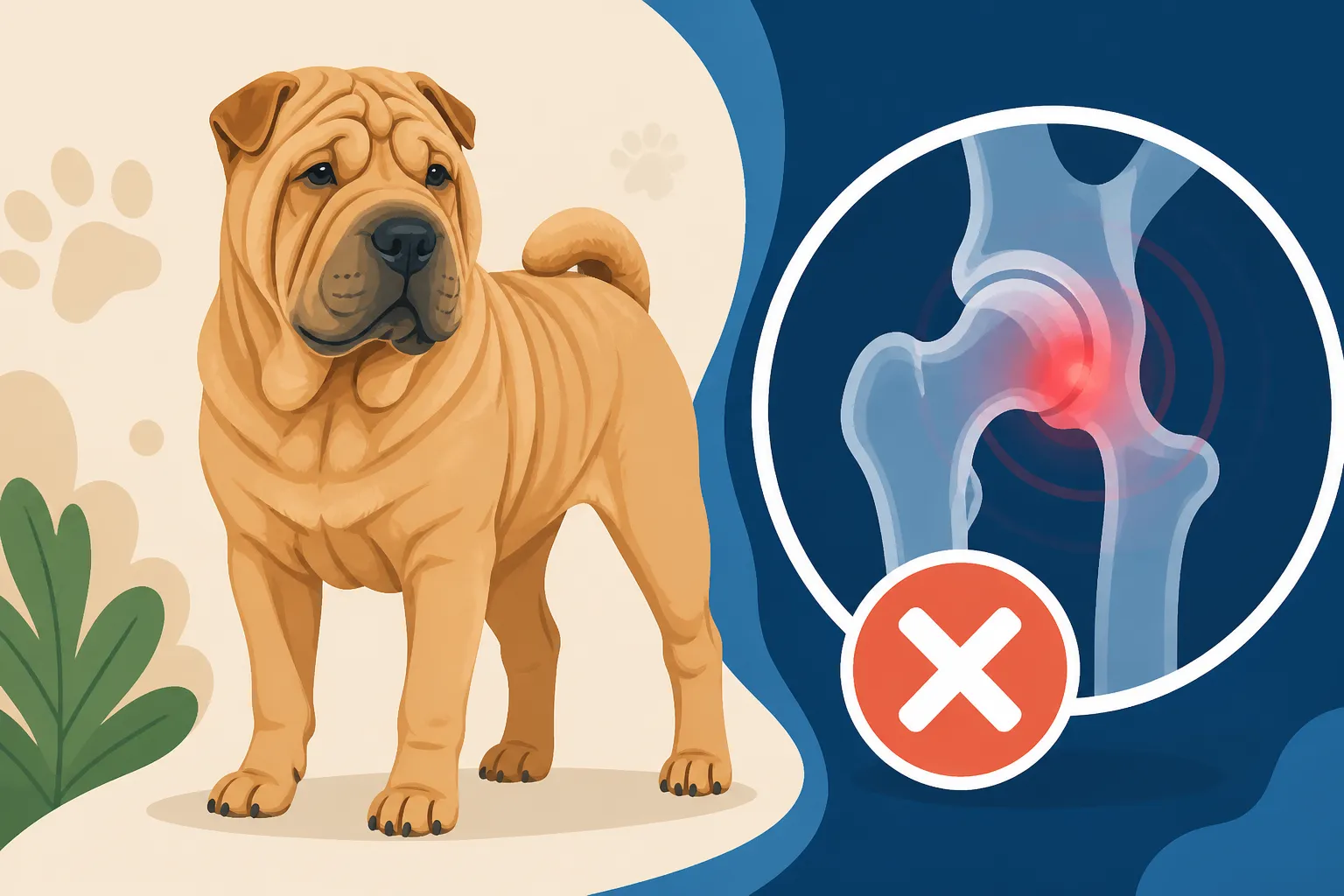
Whether a Shar Pei Gets Hip Dysplasia
It’s a common worry for many dog owners: the dreaded diagnosis of hip dysplasia. You hear about it frequently in larger breeds, and sometimes even smaller ones, making you wonder if your beloved Shar Pei, with all their unique characteristics, might also be susceptible to such a debilitating joint condition. The truth is, no breed is entirely immune, and while some breeds are certainly more predisposed, understanding the specific risks and signs for your Shar Pei is key to keeping them comfortable and active. This guide will walk you through everything you need to know about hip dysplasia and your wrinkly companion.
Understanding Hip Dysplasia in Dogs
Hip dysplasia is one of those veterinary terms that can send a shiver down any dog owner's spine. It sounds serious, and it certainly can be, but truly understanding what it is helps demystify it and empower you to advocate for your Shar Pei's health.
What Exactly Is Hip Dysplasia?
At its core, hip dysplasia is a hereditary condition where the ball and socket joint of the hip doesn't develop correctly, or it deteriorates over time. Think of it like a poorly fitted puzzle piece. The "ball" is the head of the femur (thigh bone), and the "socket" is the acetabulum in the pelvis. In a healthy dog, these fit snugly, allowing for smooth, fluid movement. With hip dysplasia, this fit is loose or malformed.
This looseness, or "laxity," allows the bones to grind against each other instead of gliding smoothly. Over time, this abnormal wear and tear leads to the breakdown of cartilage, the development of painful bone spurs, and eventually, degenerative joint disease or osteoarthritis. It's not just a problem with growth; it's a chronic condition that can progressively worsen, impacting your Shar Pei's mobility and comfort significantly. Imagine having a perpetually stiff, aching hip that gets worse with activity and age – that's often what our dogs experience.
Common Misconceptions About Hip Dysplasia
There's a lot of folklore and misunderstanding surrounding hip dysplasia, and separating fact from fiction is crucial. One of the biggest misconceptions is that it's purely an environmental disease. While factors like rapid growth, excessive exercise in puppyhood, poor nutrition, and obesity can absolutely exacerbate hip dysplasia, the primary underlying cause is genetic. A dog cannot "catch" hip dysplasia from jumping too much as a puppy if they don't have the genetic predisposition. However, a genetically predisposed puppy who jumps excessively or gains weight too quickly might develop more severe symptoms earlier in life.
Another common myth is that hip dysplasia only affects large, fast-growing breeds. While it's true that breeds like German Shepherds, Labradors, and Golden Retrievers are highly represented, smaller dogs can also suffer, just often with less dramatic clinical signs. This sometimes leads to delayed diagnosis in smaller breeds, as owners might dismiss subtle lameness as just a "tweak" or "old age" when in fact it's a developing hip issue. For Shar Pei owners, it's vital to remember that their breed, despite not being giant, can still be affected, and knowing the signs is paramount. It’s a misconception that if your dog seems fine as a puppy, they’re in the clear; sometimes the degenerative changes manifest later in life.
The Shar Pei's Unique Anatomy and Hip Dysplasia Risk
The Shar Pei is a unique breed, not just in appearance but in some of its anatomical predispositions. Understanding how these factors might influence their risk for conditions like hip dysplasia is important for responsible ownership.
Is Hip Dysplasia More Prevalent in Shar Pei?
While the Shar Pei isn't typically listed among the top breeds for hip dysplasia prevalence like some larger breeds, they are by no means immune. Various studies and orthopedic organizations, such as the Orthopedic Foundation for Animals (OFA), have collected data on breed susceptibility. Looking at the OFA statistics, Shar Pei do show a notable percentage of individuals diagnosed with hip dysplasia. It's not as high as a German Shepherd, for example, but it's certainly significant enough that it shouldn't be ignored. This means that while not every Shar Pei will develop it, enough do that it warrants consideration when you're looking for a puppy or managing an adult dog.
What makes it a bit tricky with Shar Pei is that their somewhat unusual gait and stoic nature can sometimes mask early signs of discomfort. They are known for being fairly independent and sometimes a little reserved, which means they might not always overtly signal pain in the same way a more boisterous breed might. This can make early detection a challenge for even the most observant owner. Owners often wonder how long a Shar Pei lives, and conditions like hip dysplasia, while not immediately life-threatening, can certainly impact their quality of life over those years if not managed well.
Genetic Factors and Screening for Shar Pei Hips
Given that genetics play such a huge role in hip dysplasia, responsible breeding practices are absolutely critical. Any reputable Shar Pei breeder should be conducting orthopedic screenings on their breeding stock. The two most common methods are OFA (Orthopedic Foundation for Animals) and PennHIP evaluations.
OFA uses a panel of three veterinary radiologists to evaluate X-rays of a dog's hips (and elbows, if also screening for elbow dysplasia) taken after the dog is 24 months old. They then assign a rating: Excellent, Good, Fair (all considered passing), Borderline, or Dysplastic (Mild, Moderate, Severe). The goal for breeders is to only breed dogs with hips rated Fair or better, ideally Good or Excellent.
PennHIP is another excellent method that can be performed on dogs as young as 16 weeks, offering a quantitative measurement of hip laxity, which is a key indicator of future dysplasia. It involves three different X-ray views and provides a distraction index (DI) score, which indicates how loose the hips are. A lower DI score means tighter hips. Breeders using PennHIP aim for dogs with a DI score within the tighter half of the breed's distribution.
If you’re considering a Shar Pei puppy, always ask to see the OFA or PennHIP clearances for both parents. This is the single best predictor you have for assessing a puppy's genetic likelihood of developing hip dysplasia. Without these clearances, you're essentially gambling with your future dog's joint health, which can lead to significant pain and expense down the road. Unfortunately, even with clear parents, there's still a small chance of a puppy developing it due to the complex polygenic nature of the disease, but screening drastically reduces the risk.
Recognizing the Signs of Hip Dysplasia in Your Shar Pei
Spotting the signs of hip dysplasia in a Shar Pei can sometimes feel like trying to find a needle in a haystack, especially with their unique structure and tendency to be a bit stoic. However, knowing what to look for can make all the difference in catching it early and providing timely intervention.
Subtle Early Symptoms
Hip dysplasia often starts subtly, and you might notice small changes in your Shar Pei's behavior or movement before any obvious lameness appears. These early symptoms can be quite easy to dismiss if you're not specifically looking for them.
One common early sign is a reluctance to engage in activities they once loved, especially those involving jumping. Maybe your Shar Pei used to leap onto the sofa with ease, but now they hesitate, try to find a different way up, or simply stop trying. Similarly, you might notice them being less enthusiastic about stairs, moving slower, or even avoiding them altogether.
Another classic symptom is a "bunny hopping" gait, where they move both back legs together when running, rather than alternating them. It can look almost playful, but it's often a sign that they're trying to minimize painful hip extension. You might also observe a slight limp, especially after waking up or after a period of rest. This stiffness often works itself out as they move around, which again can lead owners to think it's nothing serious.
Pay close attention to changes in their general demeanor too. If your usually playful Shar Pei seems less interested in games or seems more tired after short bouts of exercise, it could be a sign of discomfort. Sometimes they might shift their weight more to their front legs to alleviate pressure on their hips, leading to an almost "heavy" front end appearance. Since Shar Pei can sometimes be quite good at masking discomfort, understanding whether a Shar Pei hides pain is crucial for early detection. Keeping a log of their activity and any subtle changes can be incredibly helpful for your vet.
Later-Stage Indicators and Pain Management
As hip dysplasia progresses, the signs typically become more obvious and debilitating. The subtle reluctance to jump might turn into an outright inability or refusal. The occasional limp could become a consistent, noticeable lameness, particularly after exercise or prolonged rest. You might even hear a "clicking" or "grinding" sound coming from their hips when they move, indicating significant joint deterioration.
You might also notice a change in their physical appearance, specifically muscle atrophy in their hindquarters. Because they are using their rear leg muscles less due to pain, these muscles can start to waste away, making their rear look narrower or less muscular compared to their front. Conversely, their front leg muscles might become overdeveloped as they compensate for the weakness in their hindquarters.
Stiffness after rising becomes more pronounced, and they may struggle to get up from a lying position. Sometimes, they might even seem irritable or withdrawn, which is a common behavioral response to chronic pain. For older Shar Pei, these symptoms can merge with general signs of aging, making it harder to distinguish what's strictly hip dysplasia. This is why discussions around caring for a Shar Pei past seven often include a focus on joint health and pain management.
If you observe any of these signs, it’s imperative to consult your veterinarian. They will conduct a physical examination, manipulate your dog's hips, and typically recommend X-rays to confirm the diagnosis and assess the severity. Early diagnosis allows for a broader range of management options to keep your Shar Pei comfortable and mobile for as long as possible.
Managing and Treating Hip Dysplasia in Shar Pei
Once hip dysplasia is diagnosed, the focus shifts to management and treatment. While the condition itself can't be reversed, its progression can be slowed, and your Shar Pei's quality of life can be significantly improved. The approach often combines several strategies, tailored to your dog's specific needs and the severity of their condition.
Non-Surgical Approaches
For many Shar Pei with hip dysplasia, especially in the earlier stages or with less severe cases, non-surgical management is the first line of defense. These methods aim to reduce pain, inflammation, and further joint damage.
Weight Management: This is perhaps one of the most critical aspects. Every extra pound your Shar Pei carries puts additional stress on their already compromised hip joints. Maintaining a lean body weight can dramatically reduce pain and slow the progression of arthritis. This might mean adjusting their food intake and ensuring they get appropriate, low-impact exercise. If your Shar Pei is struggling with their weight, getting weight off a Shar Pei can have profound positive impacts on their joint health.
Joint Supplements: Many veterinarians recommend supplements containing ingredients like glucosamine, chondroitin sulfate, and MSM. These compounds are believed to help support cartilage health, reduce inflammation, and improve joint lubrication. Omega-3 fatty acids, often found in fish oil, are also excellent natural anti-inflammatories. Popular brands often offer formulations specifically for joint health, and your vet can recommend a reputable one.
Physical Therapy and Controlled Exercise: Gentle, controlled exercise is beneficial. Activities like swimming, short walks on soft surfaces, or hydrotherapy can help strengthen the muscles around the hip joint without putting excessive strain on it. Avoiding high-impact activities like jumping or prolonged running is crucial. A certified canine rehabilitation therapist can develop a customized exercise plan. However, owners should always be mindful of how much exercise a Shar Pei needs, especially if they have joint issues.
Anti-inflammatory Medications and Pain Relief: When pain is present, your vet might prescribe non-steroidal anti-inflammatory drugs (NSAIDs) specifically designed for dogs, such as carprofen (Rimadyl), meloxicam (Metacam), or firocoxib (Previcox). These medications help reduce pain and inflammation, making your dog more comfortable. Other pain management options might include gabapentin for neuropathic pain or amantadine. Always follow your vet's instructions carefully, as human pain medications can be toxic to dogs.
Other Comfort Measures: Simple things can make a big difference. Orthopedic dog beds provide better support and cushioning for aching joints. Warm compresses applied to the hips can help soothe stiffness. For older Shar Pei, ensuring they have easy access to their favorite spots without jumping can prevent unnecessary strain. You might consider whether a Shar Pei needs a raised bed to help with comfort.
Surgical Interventions
When conservative management is no longer enough to keep a Shar Pei comfortable or improve their quality of life, surgical options may be considered. These are more invasive but can offer significant relief and improve mobility in severe cases.
Femoral Head Ostectomy (FHO): This procedure involves removing the "ball" portion of the femur (the femoral head and neck). The body then forms a "false joint" of fibrous tissue. While it doesn't restore a normal hip joint, it eliminates the painful bone-on-bone grinding. FHO is often recommended for smaller, lighter dogs where the muscles surrounding the hip can stabilize the joint adequately. Post-operative physical therapy is essential for a good outcome.
Total Hip Replacement (THR): Similar to human hip replacement, this procedure involves replacing both the ball and socket components with artificial implants made of metal and plastic. THR offers the best chance for complete restoration of hip function and elimination of pain. However, it's a complex, specialized, and costly surgery, typically performed by orthopedic specialists. It's usually reserved for younger dogs with severe, debilitating hip dysplasia where other options have failed, and for dogs that are good surgical candidates. The cost of such procedures can be substantial, making discussions around what a Shar Pei costs across nine years a very real concern for owners managing chronic conditions. Pet insurance, like that offered by Healthy Paws, can be an absolute lifesaver for these types of unexpected and expensive surgeries, often covering a significant portion of the cost depending on your plan. This kind of financial planning can make the difference between providing your Shar Pei with critical treatment or facing heartbreaking choices.
Your veterinarian will discuss the pros and cons of each option with you, considering your Shar Pei's age, overall health, the severity of the dysplasia, and your family's circumstances, to determine the best course of action.
Disclaimer
The information provided in this article is for general informational purposes only and is not a substitute for professional veterinary advice. Always consult with a qualified veterinarian for any health concerns or before making any decisions related to your pet's health and treatment.


