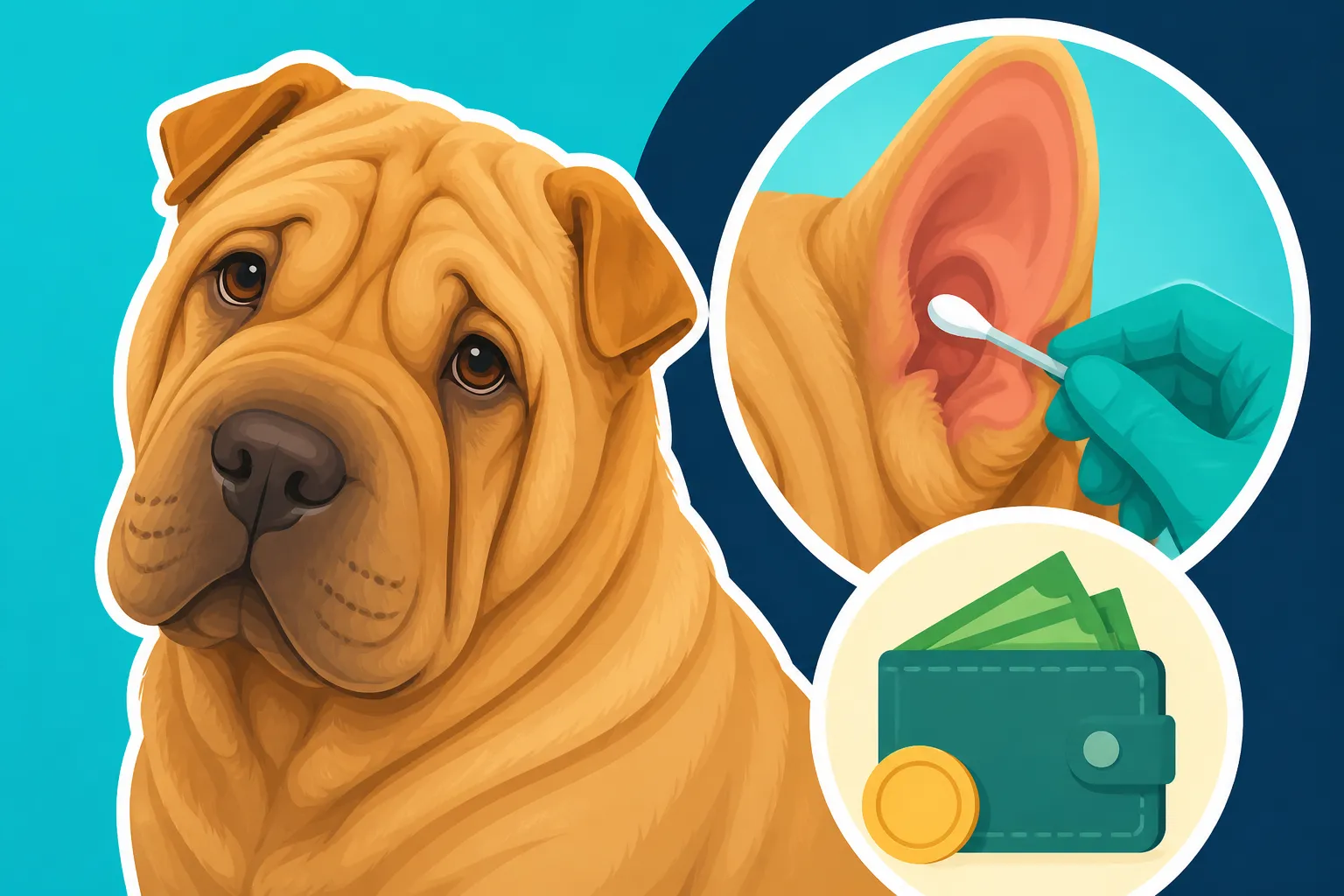
What a Shar Pei’s Ear Culture Costs
One of the most disheartening things about owning a Shar Pei is grappling with their persistent ear problems. You clean them diligently, you watch for the first signs of trouble, but sometimes, despite your best efforts, the infection just won't clear up. When your vet suggests an ear culture, it can feel like another hurdle, and naturally, your mind immediately goes to the cost. This guide will meticulously break down what a Shar Pei's ear culture involves and what you can expect to pay for this crucial diagnostic step.
Understanding Why a Shar Pei Needs an Ear Culture
If you've spent any time with a Shar Pei, you know their ears are a unique challenge. Their tiny, folded ear canals are practically an invitation for trouble, and sometimes, those routine cleanings and initial rounds of antibiotics just aren't enough. When an infection stubbornly refuses to budge, or keeps coming back, that's when a vet will often recommend an ear culture. It’s not just a fancy add-on; it’s a vital step to pinpoint exactly what you’re fighting.
The Chronic Nature of Shar Pei Ear Issues
The very anatomy of a Shar Pei's ear canal sets them up for chronic issues. They have incredibly narrow ear canals, which makes ventilation poor and creates a warm, moist environment – basically a five-star resort for bacteria and yeast. This isn't just an inconvenience; it can lead to constant inflammation, pain, and a cycle of infection that's frustrating for both you and your dog. It's why many owners often feel like Ear Infections Are a Subscription With a Shar Pei. You might treat it, it seems to get better, and then a few weeks or months later, you're back at square one, seeing that tell-tale head shaking or redness again. Without understanding the specific culprits, you're just throwing different medications at the problem, which can lead to resistance and even more entrenched issues.
When a Routine Exam Isn't Enough
During a standard vet visit for an ear infection, your veterinarian will typically perform an otoscopic exam, looking down into the ear canal with a special lighted tool. They might also take a quick swab to examine under a microscope, looking for yeast, bacteria, or mites. This initial microscopic exam is called cytology, and it's incredibly helpful for a first-line diagnosis. However, if the infection is recurrent, severe, or not responding to the usual treatments, a culture becomes essential. Cytology can tell you what kind of organism is present (rod-shaped bacteria vs. cocci bacteria, for example), but a culture goes a step further. It grows those organisms in a lab, allowing the veterinary microbiologist to identify the exact species of bacteria or yeast. Crucially, it also performs an antibiotic sensitivity test, showing which medications will actually kill that specific organism and which ones will be ineffective. This is critical for avoiding a situation where you're wasting time and money on treatments that simply won't work, potentially making the infection worse by fostering resistance.
Breaking Down the Costs of a Shar Pei Ear Culture
Understanding the cost of an ear culture means looking at its individual components. It's not usually just a single fee; rather, it’s a combination of the veterinary services required to collect the sample and the laboratory's fee for processing and analyzing it. These elements can fluctuate based on several factors, making it important to discuss all aspects with your vet beforehand.
The Initial Veterinary Consultation and Exam
Before any culture can be taken, your Shar Pei needs to be seen by the veterinarian. This initial consultation fee covers the vet's time, their expertise in assessing your dog's condition, performing the physical exam, and examining the ear itself. They'll look for signs like redness, swelling, discharge, and pain. They'll use an otoscope to visualize the ear canal as best they can, determining the severity of the infection and if there's any visible damage to the eardrum. This initial assessment is crucial for deciding if a culture is indeed necessary and whether there are other complicating factors at play, such as a foreign body or a ruptured eardrum, which would require immediate attention before a culture could even be collected safely. If your Shar Pei is in a lot of pain, or particularly head-shy due to previous discomfort, the vet might also recommend mild sedation just for the exam and sample collection. This would be an additional cost, but often necessary for a thorough and stress-free procedure for your dog. For some dogs, this might be bundled into the initial visit, while for others, especially those that need Sedation for an Ear Exam, it's a separate line item.
The Culture Collection Procedure
The actual collection of the sample for an ear culture requires a sterile technique to ensure accuracy. Your vet will use a sterile swab, carefully inserting it into the affected ear canal to gather discharge and cells. The goal is to get a representative sample of the infection without contaminating it with bacteria from the outer ear or skin. If the ear is severely inflamed or has a lot of debris, the vet might need to gently clean it first, which can add a minor procedural fee. This collection is typically performed during the consultation appointment. For a Shar Pei, whose ear canals are often impossibly narrow, this can be a delicate procedure, sometimes necessitating a deeper reach than a simple surface swab. The skill of the vet and the cooperation of your dog directly impact the ease and success of this step.
Laboratory Analysis Fees
Once the sample is collected, it's sent to an external veterinary diagnostic laboratory for analysis. This is where the bulk of the "ear culture cost" really lies. The lab's fee covers several distinct processes:
- Culture Plating: The sample is spread onto special agar plates, designed to encourage the growth of bacteria and yeast.
- Incubation: The plates are incubated at a specific temperature to allow the microorganisms to multiply over 24-48 hours or more.
- Identification: Once colonies grow, technicians identify the specific types of bacteria or yeast present through various biochemical tests.
- Sensitivity Testing: For bacterial cultures, a susceptibility panel is performed. Different antibiotics are placed on the cultured bacteria, and the zones of inhibition (areas where growth is prevented) are measured to determine which antibiotics are effective (sensitive), partially effective (intermediate), or ineffective (resistant).
The results are then compiled into a report sent back to your veterinarian. This report is invaluable, as it guides your vet to choose the most effective Prescription Ear Drops Cost a Shar Pei Owner and other treatments, saving you from trial-and-error approaches that can prolong suffering and increase overall costs. The complexity of the infection (e.g., multiple organisms present) might sometimes lead to slightly higher lab fees if more extensive identification tests are required.
Factors That Influence the Overall Expense
It’s never a simple, flat fee when it comes to veterinary care, and ear cultures are no exception. Several variables can push the cost up or down, making it wise to discuss these openly with your vet to avoid surprises.
Geographic Location and Clinic Type
Just like human healthcare, veterinary service costs can vary significantly depending on where you live. Urban and suburban areas with higher overheads tend to have higher prices for consultations and procedures than rural areas. The type of clinic also plays a role. A small, independent general practice might have different pricing than a large, multi-doctor hospital or a veterinary dermatology specialty clinic. While a general practice vet can certainly perform an ear culture, a specialist might be recommended for very complex, chronic cases, which usually comes with a higher initial consultation fee due to their specialized expertise. However, a specialist's insights can sometimes lead to a quicker, more effective resolution in the long run, potentially saving you money on repeated failed treatments.
Sedation and Additional Diagnostics
As mentioned earlier, collecting a good, clean sample from a painful or uncooperative Shar Pei often requires sedation. This adds a cost for the sedative medication itself, the time the vet or technician spends monitoring your dog during sedation, and potentially a pre-sedation blood test to ensure your dog is healthy enough for the drugs.
Beyond the culture, your vet might recommend other diagnostic tests, especially if they suspect underlying issues contributing to the chronic ear infections. These could include:
- Radiographs (X-rays) or CT Scans: To look for middle ear disease, polyps, or tumors that can't be seen with an otoscope alone.
- Allergy Testing: If environmental or food allergies are suspected as triggers. This can be a significant cost but might be crucial for long-term management, and brands like Chewy offer a wide range of specialized food options if dietary changes are needed.
- Biopsy: In rare cases, if growths or unusual tissue changes are seen, a biopsy might be taken for histopathology.
These additional tests, while helpful, will naturally increase the overall diagnostic bill. It's important to understand the rationale behind each recommendation and prioritize based on your Shar Pei's specific situation and your budget.
Dealing with Drug Resistance and Complications
One of the primary reasons to perform an ear culture is to identify drug-resistant organisms. When previous treatments have failed, it's highly likely that the bacteria or yeast present have developed resistance to common antibiotics or antifungals. This can be a frustrating and costly challenge.
How Resistance Impacts Costs:
- More Expensive Medications: The sensitivity report from the culture might indicate that your Shar Pei needs less common, often more expensive, prescription medications. Some of these might be compounded specifically for your dog, adding to the expense.
- Longer Treatment Durations: Resistant infections often require longer courses of treatment to fully eradicate the pathogens, meaning more medication, and more follow-up visits.
- Advanced Treatments: In severe cases of resistance or chronic changes, oral medications might be necessary in addition to topical drops. In extreme situations, if the ear canal has become permanently narrowed or scarred, surgery like a Total Ear Canal Ablation (TECA) might be considered as a last resort. This is a major surgery, and What Ear Canal Surgery Costs on a Shar Pei is a significant expense that truly underscores the importance of getting the right diagnosis early.
The table below provides a general overview of the potential costs associated with diagnosing and treating a persistent Shar Pei ear infection, ranging from initial consultation to severe complications. Remember, these are broad categories, and specific prices vary widely.
| Service/Item | Description | Cost Implication | What it Reveals |
|---|---|---|---|
| Veterinary Consultation | Initial exam, assessment, medical history review | Basic fee | Overall ear health, visible symptoms |
| Ear Cytology | Microscopic exam of a direct swab for yeast, bacteria, mites | Low to Moderate | Type of organisms (cocci, rods, yeast), presence of inflammatory cells |
| Ear Culture & Sensitivity | Lab analysis to identify specific organisms and effective medications | Moderate to High | Exact species of bacteria/yeast, precise antibiotic/antifungal effectiveness |
| Sedation | Anesthesia for painful or uncooperative dogs during exam/sample collection | Moderate | Allows for thorough, stress-free exam/sample collection |
| Prescription Ear Drops | Medicated drops based on culture results | Moderate to High | Direct treatment for identified pathogens |
| Oral Medications | Systemic antibiotics or anti-inflammatories for severe/resistant infections | Moderate to High | Systemic support, especially for deep infections |
| Follow-up Exams | Rechecks to monitor progress and ensure infection clearance | Basic fee (repeated) | Confirmation of treatment success, adjustment if needed |
| Allergy Testing | Blood or skin tests to identify environmental or food allergens | High | Underlying causes of chronic inflammation, guides long-term management |
| Imaging (X-ray/CT) | To assess middle ear, bulla, or look for polyps/tumors | High | Structural issues not visible with otoscope |
| Total Ear Canal Ablation (TECA) | Surgical removal of the ear canal for irreversible chronic disease | Very High | Definitive solution for end-stage ear disease |
Beyond the Culture: Treatment and Long-Term Management Costs
An ear culture is a fantastic diagnostic tool, but it's just the first step. Once you have those results in hand, the real work of treatment and long-term management begins. For Shar Pei owners, this isn't usually a one-and-done situation; it's an ongoing commitment to their unique needs.
Prescription Medications and Follow-Up Care
Armed with the culture and sensitivity report, your vet can prescribe the most effective medication. This could be a specific antibiotic or antifungal ear drop, an oral antibiotic, anti-inflammatory drugs, or a combination of these. The cost of these medications can vary significantly based on the type of drug, the duration of treatment, and whether a generic or brand-name option is available. Some specialized or compounded medications can be quite expensive, especially if treating a highly resistant infection.
Beyond the initial course of medication, follow-up visits are absolutely critical. It's tempting to stop treatment as soon as your Shar Pei's ear looks and smells better, but that's a recipe for relapse. Your vet will want to re-examine the ear and often re-cytology the discharge to ensure the infection is completely cleared before you stop treatment. Sometimes, several follow-up appointments are needed, and each one incurs a consultation fee. These rechecks are vital to prevent the infection from flaring up again, potentially requiring another costly round of diagnostics and treatment. They also give your vet a chance to monitor for adverse reactions to medications.
Preventative Measures and Maintenance Supplies
Once the acute infection is resolved, the focus shifts to preventing recurrence. This is where diligent home care and the right maintenance products come in, and these too have associated costs.
- Ear Cleaners: Regular use of veterinary-approved ear cleansers is essential for Shar Pei. These cleaners help to remove wax and debris, maintain a healthy pH in the ear canal, and can even have drying or antiseptic properties. Brands like Chewy often carry a wide selection of these specialized ear cleaning solutions, from gentle everyday options to more medicated ones for dogs prone to yeast overgrowth. You'll likely need to purchase these regularly, adding up over time.
- Medicated Wipes/Shampoos: If your Shar Pei's ear issues are part of a broader skin problem, or if they're particularly prone to yeast, your vet might recommend medicated wipes for the outer ear folds or medicated shampoos for bathing. Keeping the surrounding skin healthy is a key part of ear infection prevention.
- Allergy Management: If allergies are identified as an underlying cause, management can involve expensive prescription diets (like those offered through services like Ollie, which can deliver specialized foods), immunotherapy injections (allergy shots), or daily oral allergy medications. These are long-term costs that can drastically improve ear health by addressing the root cause.
- Supplements: Some vets might suggest supplements like omega-3 fatty acids for their anti-inflammatory properties, which can contribute to overall skin and ear health.
Remember, prevention is almost always less expensive and less stressful than treating a full-blown infection. Consistent cleaning and addressing underlying causes can significantly reduce the frequency and severity of future ear problems.
Considering Pet Insurance and Financial Support
The cumulative cost of diagnosing and treating chronic Shar Pei ear infections can be substantial. This is where pet insurance can be an absolute lifesaver. Many reputable pet insurance providers, such as Healthy Paws, offer plans that cover diagnostic tests like ear cultures, vet consultations, prescribed medications, and even specialist referrals.
Key things to consider about pet insurance for ear infections:
- Waiting Periods: Most policies have waiting periods before coverage kicks in, so it's best to enroll your Shar Pei when they are young and healthy, before chronic issues develop.
- Pre-existing Conditions: If your Shar Pei has already been diagnosed with chronic ear infections before you get insurance, those specific conditions might be considered pre-existing and excluded from coverage. This highlights the importance of proactive planning.
- Deductibles and Reimbursement Rates: Understand your deductible (the amount you pay before insurance starts covering) and the reimbursement rate (the percentage of eligible costs the insurance company pays back).
- Annual Limits: Some policies have annual limits on how much they'll pay out.
While pet insurance involves a monthly premium, it can provide invaluable peace of mind and significantly reduce your out-of-pocket expenses when faced with recurring or severe health issues. For the long-term journey of owning a Shar Pei with their propensity for various health challenges, including those requiring extensive diagnostic work-ups like cultures, having a good insurance policy can truly make a difference in your ability to provide the best care without financial strain.
Proactive Steps for Shar Pei Ear Health
Living with a Shar Pei means being proactive about their health, especially when it comes to those notorious ears. You can't change their genetics, but you can certainly influence their ear health by implementing consistent care routines and being vigilant about changes. This proactive approach can reduce the need for costly diagnostics like ear cultures in the future.
Routine Cleaning and Early Detection
Consistent ear cleaning is the cornerstone of Shar Pei ear health. Their narrow, folded ear canals trap moisture, wax, and debris, creating a perfect breeding ground for infections. Establishing a regular cleaning schedule, often weekly or bi-weekly depending on your dog, is non-negotiable.
- The Right Tools: Use a vet-approved ear cleaning solution designed for dogs. Avoid cotton swabs, which can push debris deeper into the ear canal and potentially damage the eardrum. Instead, use cotton balls or gauze pads for the visible outer ear, and allow the liquid cleaner to do its work inside. Remember, What to Clean a Shar Pei's Ears With matters for their delicate canals.
- Proper Technique: Your vet can demonstrate the correct way to clean your Shar Pei's ears. It usually involves filling the ear canal with cleaner, gently massaging the base of the ear to help loosen debris, and then allowing your dog to shake their head before wiping away excess solution.
- Drying is Crucial: After cleaning or bathing, thoroughly drying your Shar Pei's ears is paramount. Moisture retention is a major contributing factor to infection.
- Daily Inspection: Make it a habit to visually check your Shar Pei's ears daily. Look for redness, swelling, or discharge. Gently smell their ears – a healthy ear should have minimal odor, while a foul or yeasty smell is a clear warning sign. Catching Signs a Shar Pei's Ear Is Infected early means you can often intervene before it becomes a full-blown, deep-seated infection requiring a culture. Early intervention might mean a simple course of drops rather than extensive treatment.
Diet and Allergy Management
Many chronic ear infections in Shar Pei aren't just about bacteria; they're often a symptom of an underlying allergy. When a Shar Pei has allergies, their skin becomes inflamed, itchy, and less resistant to infection, and this includes the skin lining their ear canals.
- Food Allergies: If your vet suspects food allergies, they might recommend an elimination diet. This involves feeding a novel protein (one your dog has never eaten before) or a hydrolyzed protein diet for several weeks to see if symptoms improve. If they do, you'll work with your vet to identify the offending ingredients. Dietary changes can sometimes be complex and require specialized food products, but for an allergic Shar Pei, it can significantly reduce inflammation and improve ear health.
- Environmental Allergies: Pollen, dust mites, and other environmental allergens can also trigger inflammation. Management might include antihistamines, omega-3 fatty acid supplements, topical therapies, or even immunotherapy (allergy shots) tailored to your dog's specific allergens.
Working closely with your veterinarian or a veterinary dermatologist to identify and manage any underlying allergies is one of the most effective ways to break the cycle of recurrent ear infections. It’s an investment in your Shar Pei's overall health and comfort, and one that can prevent countless trips to the vet for ear issues. Understanding and addressing the root causes can dramatically improve their quality of life and potentially save you money on repeated emergency visits and expensive cultures in the long run.
Disclaimer
This article is for general informational purposes only and does not constitute professional advice. Laws, prices and regulations vary by location and change over time. Consult a qualified professional for guidance on your specific situation.


