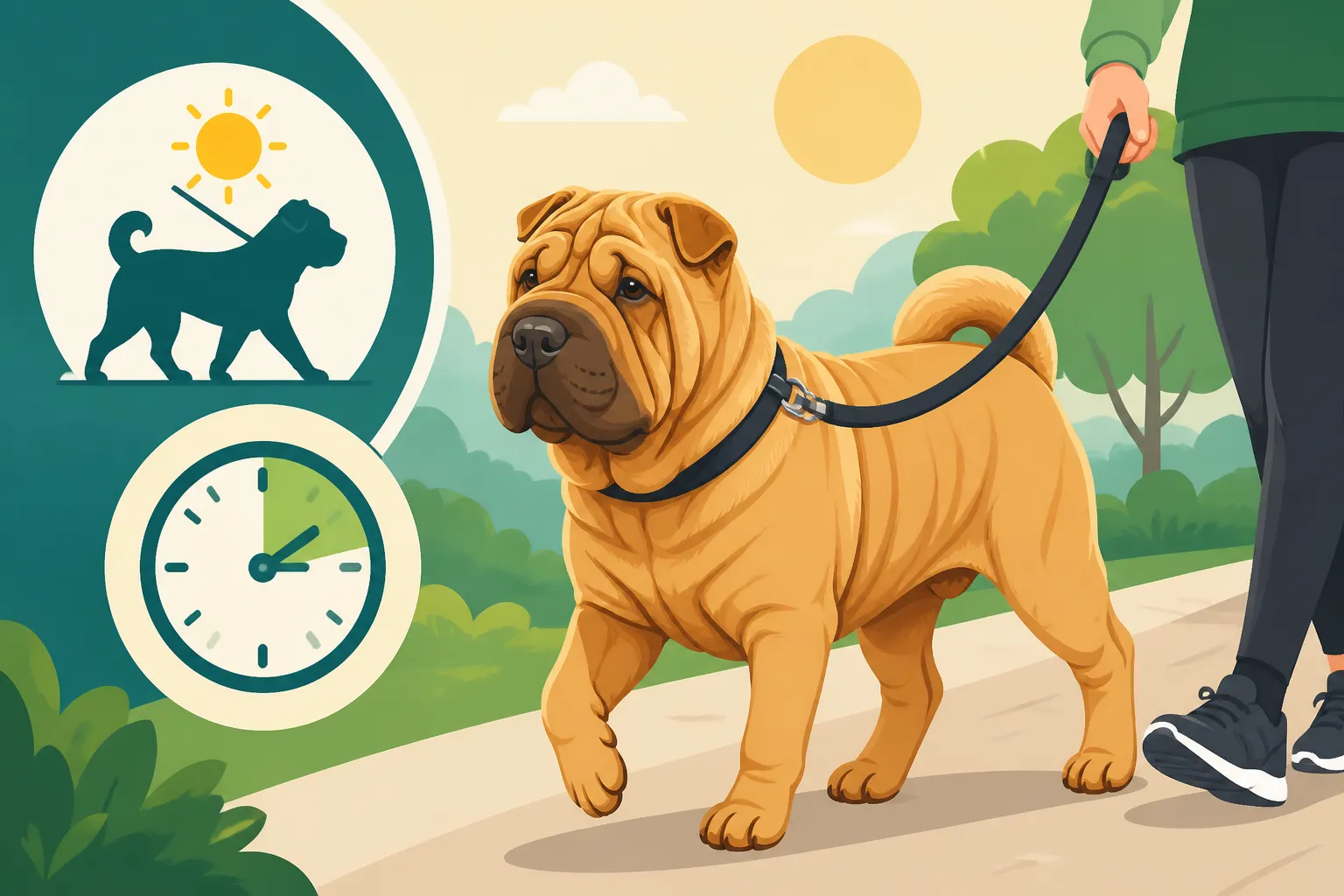
How Far a Shar Pei Should Walk Daily
It's easy to look at a Shar Pei, with their soulful eyes and often tranquil demeanor, and assume they’re content with minimal exercise. Many owners might wonder just how far their wrinkly companion truly needs to walk each day. The truth is, while they might not be built for marathons, a Shar Pei has specific needs that, if neglected, can lead to behavioral issues and even health problems. This guide will help you understand your Shar Pei's exercise requirements and how to build a daily walking routine that keeps them happy, healthy, and well-adjusted.
Understanding the Shar Pei's Unique Exercise Needs
When we talk about how much exercise a Shar Pei needs, it’s not just about getting them out the door; it's about understanding their history, their physical makeup, and their mental drive. These aren't your typical high-energy sporting dogs, but they're far from sedentary.
More Than Just a Couch Potato: The Shar Pei's Active Past
While today's Shar Pei often enjoys a comfortable spot on the sofa, their ancestors were working dogs with a history of diverse roles in rural China. They were watchdogs, guardians of property, and even used for hunting wild boar. This means they possess a natural athleticism and a need for purpose that transcends simply lazing around. They might not chase a ball for hours, but they do have a desire to patrol, explore, and use their senses. This inherent drive contributes to why they still need regular, structured activity, not just occasional backyard romps. You can learn more about What a Shar Pei Was Originally Bred to Do. Neglecting this historical drive can manifest as boredom, destructive chewing, or even increased reactivity.
The Shar Pei's Build and Stamina
A Shar Pei's distinctive appearance — the compact body, sturdy frame, and sometimes ample wrinkles — can sometimes give the impression of a less agile dog. While they are certainly solid, they are not typically built for sustained, high-impact exercise like a Border Collie or a Husky. Their respiratory systems, particularly those with more pronounced "meat mouth" muzzles, can make them prone to overheating, especially in warmer climates. Their unique skin folds, while charming, can also be a point of discomfort if not properly managed during vigorous activity, potentially leading to irritation or skin fold dermatitis. This means that while they need to move, the type and duration of their exercise must be carefully considered to prevent strain or discomfort.
Mental vs. Physical Exercise
It's a common misconception that "exercise" only means physical exertion. For a Shar Pei, mental stimulation is arguably just as important as a brisk walk. These are intelligent, independent thinkers, and a bored Shar Pei is often a mischievous or grumpy Shar Pei. Incorporating activities that challenge their minds can be incredibly fulfilling and can actually reduce their overall need for excessive physical exercise. Think about engaging their strong sense of smell with scent work games around the house or yard. Hiding treats or their favorite toys and letting them sniff them out can be a fantastic way to burn mental energy. Interactive puzzle toys, available widely on platforms like Amazon, can keep them occupied and thinking. Even short, consistent training sessions that reinforce basic obedience, or teach new tricks, can be a great mental workout. Consider an online training program like those offered by BAXTER & Bella, which provides structured learning that you can do at home, engaging your Shar Pei's mind without over-stressing their body. This balance ensures a well-rounded and content companion.
Factors Influencing Your Shar Pei's Daily Walk Distance
Determining the "perfect" walk distance for your Shar Pei isn't a one-size-fits-all equation. Several key factors play a significant role and require careful consideration to ensure their well-being.
Age and Development Stages
A Shar Pei's exercise needs shift dramatically throughout their life. A young puppy, typically under 6 months old, needs very short, frequent outings – perhaps 5-10 minutes several times a day – primarily for socialization, house training, and exploring the world. Their bones and joints are still developing, and over-exercising can lead to long-term orthopedic issues. As they enter adolescence (around 6 months to 2 years), their energy levels might increase, and they can handle longer, more structured walks, but still not excessive distances. Think 20-30 minutes, twice a day. They're still learning self-control and how to navigate the world, so quality of walk over quantity of miles is key. For senior Shar Pei, typically those past the age of seven, their stamina naturally decreases. Arthritis, reduced vision, or other age-related ailments might mean shorter, slower, but still consistent walks are best. Caring for a Shar Pei Past Seven delves deeper into supporting your older companion. It's about maintaining mobility and mental engagement without causing pain or exhaustion.
Health Considerations and Medical Conditions
The Shar Pei breed is, unfortunately, prone to several health issues that can directly impact their ability and desire to exercise. Familial Shar Pei Fever (FSF), a hereditary inflammatory condition, is a major concern. During a fever episode, your dog will be lethargic, sore, and certainly not up for a walk. Familial Shar Pei Fever Is Not an Infection explains more about this condition. Other common Shar Pei ailments include:
- Joint Issues: Conditions like hip and elbow dysplasia can make long walks painful. Watch for limping, stiffness, or reluctance to move.
- Brachycephalic-like features: While not strictly brachycephalic, many Shar Pei have shorter muzzles and dense coats, making them susceptible to overheating. This severely limits their ability to exercise in warm weather.
- Eye Problems: Conditions like entropion, where the eyelid rolls inward, can cause pain and vision impairment, making them hesitant to navigate unfamiliar terrain.
- Skin Fold Dermatitis: Excessive moisture or friction in their deep folds can lead to infection, making physical activity uncomfortable.
Always consult your veterinarian about an appropriate exercise regimen, especially if your Shar Pei has any diagnosed health conditions. They can help tailor a plan that supports their health without exacerbating existing issues.
Environmental Factors: Heat, Humidity, and Cold
Environmental conditions are paramount when planning your Shar Pei's walk. They are simply not built for extreme temperatures.
- Heat and Humidity: This is perhaps the biggest danger. Shar Pei have a dense double coat that provides insulation, and their often-short snouts mean they aren't as efficient at panting to cool down as some other breeds. Walking in midday summer heat or high humidity is a recipe for heatstroke. You can read more about What Temperature Is Too Hot for a Shar Pei. On hot days, walks should be limited to very early mornings or late evenings when temperatures are cooler, and even then, kept short. Carrying water for them is essential. Cooling vests or mats, easily found on Amazon, can offer some relief before or after a walk.
- Cold Weather: While they tolerate cold better than heat thanks to their coat, very low temperatures, icy pavements, or prolonged exposure can still be harmful. Their short legs can sink into deep snow, and salt on sidewalks can irritate their paw pads. A light coat or booties might be beneficial in extreme cold.
Always prioritize your Shar Pei's comfort and safety over sticking to a rigid schedule. If the weather is unsuitable, substitute with indoor mental games.
Individual Personality and Energy Levels
Just like people, every Shar Pei is an individual. While the breed generally falls into a moderate energy category, some individuals are genuinely more spirited, while others are true couch potatoes. Observe your own dog:
- Signs of needing more exercise: Destructive chewing, restlessness, excessive barking, seeking attention aggressively, or pacing.
- Signs of having had enough (or too much) exercise: Lagging behind, excessive panting (beyond normal post-exertion), seeking shade, collapsing, or refusing to move.
A Shar Pei that is well-exercised physically and mentally is generally calmer and more agreeable. Pay attention to their signals. If they're happily trotting along, interested in their surroundings, and not showing signs of distress, they're likely enjoying the walk. If they're dragging their feet or looking uncomfortable, it's time to shorten the outing.
Crafting the Ideal Walking Routine for Your Shar Pei
Once you understand the general needs and influencing factors, you can start building a walking routine that truly works for your Shar Pei. Consistency is key, but flexibility is also vital, especially considering their health predispositions and environmental sensitivities.
Recommended Daily Duration and Frequency
For a healthy adult Shar Pei, a good general guideline is 30 to 60 minutes of moderate exercise per day. This is best broken down into two separate walks. For example, a brisk 20-30 minute walk in the morning and another 20-30 minute walk in the evening. There's a good reason Why Two Short Walks Suit a Shar Pei better than one long one. It helps to:
- Prevent Overheating: Shorter walks reduce the risk of your Shar Pei becoming too hot or exhausted, particularly in warmer climates.
- Maintain Engagement: Two shorter periods of outdoor stimulation can keep them more mentally engaged throughout the day, rather than one long, potentially boring trek.
- Bladder Control: It aligns better with their natural need to relieve themselves.
These walks should be purposeful – a decent pace, allowing for sniffing and exploration, but not necessarily a full-out jog. Consider incorporating short bursts of play, like retrieving a soft toy (if they're into it), into your walk if the weather allows. On days when the weather is extreme, or your Shar Pei isn't feeling 100%, substitute one or both walks with indoor play, puzzle toys, or training sessions.
Safe Walking Practices and Equipment
Proper equipment and safe practices are essential for a comfortable and secure walk with your Shar Pei.
- Leash and Harness: A sturdy, well-fitting harness is often preferable to a collar for a Shar Pei. Their deep necks and sometimes pronounced throat folds mean a collar can rub or put pressure on their windpipe, especially if they pull. A front-clip harness can also help manage a strong puller without causing discomfort. Always ensure the harness doesn't rub against their skin folds, particularly in the armpit area.
- Leash Etiquette: Shar Pei can be independent and sometimes reactive towards other dogs or strangers. Early and consistent leash training is crucial. A well-socialized Shar Pei can still benefit from calm, controlled walks where they learn to ignore distractions rather than react to them. For those with Leash Reactivity in a Shar Pei, a behaviorist might be needed to implement counter-conditioning techniques.
- Pavement Temperature Check: Before heading out, especially in summer, always check the pavement temperature with the back of your hand. If it's too hot for your hand, it's too hot for their paws. Stick to grass or dirt paths if possible, or opt for a different time of day.
- Water Breaks: Always carry fresh water for your Shar Pei, especially on longer walks or in warmer weather. Offer breaks and ensure they stay hydrated. A collapsible water bowl is an inexpensive and useful item to have, easily stored in your dog walking bag.
Beyond the Walk: Enriching Your Shar Pei's Day
While walks are foundational, a truly enriched life for your Shar Pei extends beyond their daily strolls. Think about supplementing their routine with activities that tap into their unique Shar Pei traits.
- Indoor Games and Play: Fetch with soft toys, hide-and-seek with you, or even just rolling a ball for them to chase can be great ways to burn off energy indoors. Tug-of-war is also a favorite for many Shar Pei, providing a good physical and mental release.
- Puzzle Toys and Chews: As mentioned, puzzle toys are fantastic for mental stimulation. Stuffable toys with frozen treats can keep them happily occupied for a good chunk of time. Long-lasting chews also satisfy their natural chewing instinct and help with dental hygiene. You can find a vast array of these on Amazon to keep things interesting.
- Training and Brain Games: Short, positive reinforcement training sessions throughout the day are invaluable. Shar Pei are intelligent, and learning new commands or tricks keeps their minds sharp. Programs like those offered by BAXTER & Bella can provide structured guidance and fun challenges. This also strengthens your bond and reinforces good behavior.
- Controlled Socialization: While some Shar Pei can be aloof with strangers and other dogs, controlled, positive socialization experiences are still important, especially from a young age. When a Shar Pei Puppy Should Meet New People emphasizes the importance of early exposure. This doesn't necessarily mean dog parks (which can be overwhelming or even dangerous for a Shar Pei prone to reactivity) but rather calm encounters with well-behaved dogs or friendly people in a supervised setting.
- Car Rides: Many Shar Pei enjoy car rides, which offer a change of scenery and new smells without requiring physical exertion. Ensure they are safely secured in a crash-tested harness or crate.
By combining structured walks with a variety of mental and physical enrichment activities, you'll be giving your Shar Pei a full and satisfying life, addressing all facets of their complex needs.
| Age/Health Status | Recommended Daily Exercise | Frequency | Key Considerations |
|---|---|---|---|
| Puppy (Under 6 months) | 5-10 minutes per outing | 3-5 times a day | Focus on socialization, short bursts of play, avoid over-exertion. |
| Adolescent (6 months – 2 years) | 20-30 minutes | Twice a day | Gradual increase in duration, continue structured play, reinforce training. |
| Adult (2-7 years) | 30-60 minutes | Twice a day | Moderate pace, mix of walking and mental stimulation, monitor weather/health. |
| Senior (7+ years) | 15-30 minutes | 1-2 times a day | Slower pace, shorter duration, monitor for joint pain, focus on comfort. |
| During FSF Episode | Minimal or None | As needed | Absolute rest, prioritize recovery, consult vet for guidance. |
| Hot/Humid Weather | Very Short (10-15 mins) or None | Early morning/Late evening | Risk of heatstroke is high, substitute with indoor activities. |
Ultimately, how far your Shar Pei should walk daily is a dynamic equation. It requires you, their dedicated owner, to be observant, informed, and adaptable. While the general guidelines provide a great starting point, the most important thing is to listen to your individual dog. Their body language, their energy levels, and their overall health will always be the best indicators of what they need on any given day. Prioritize their comfort, keep them mentally engaged, and you'll have a wonderfully balanced and happy Shar Pei by your side.
Disclaimer
This article is for general informational purposes only and does not constitute professional advice. Laws, prices and regulations vary by location and change over time. Consult a qualified professional for guidance on your specific situation.


