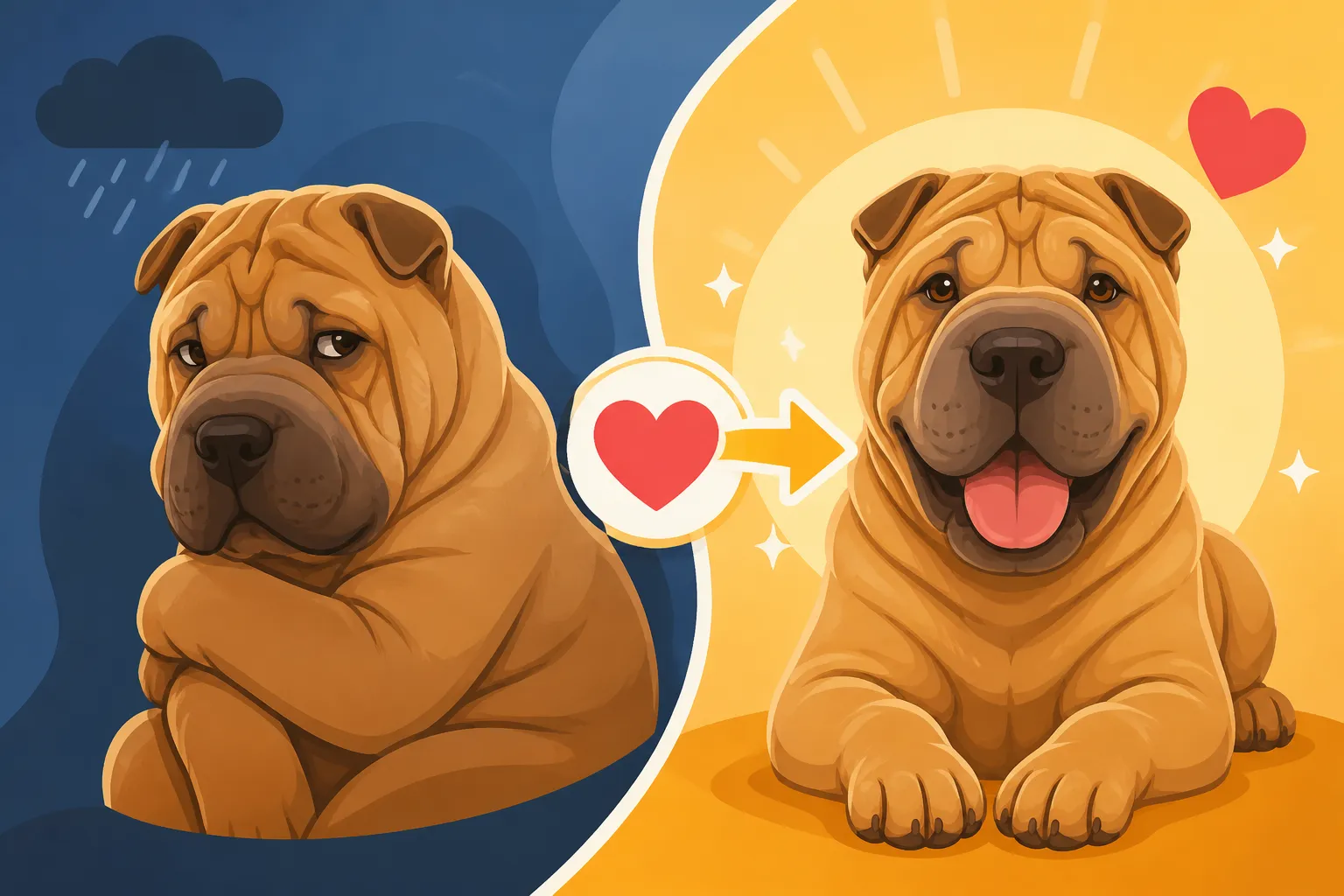
Whether a Shar Pei Warms Up Eventually
It's a common concern for many prospective and current Shar Pei owners: just how much does this famously independent and often aloof breed "warm up" to people, both within their immediate family and with visitors? You might have heard stories about their one-person loyalty, or seen their wary expression and wondered if they ever truly let their guard down. This guide is here to shed light on the unique temperament of the Shar Pei, exploring their journey from cautious observation to deep, albeit selective, affection, and what you can do to foster that connection.
Understanding the Shar Pei Temperament: Why "Warming Up" Isn't Straightforward
When we talk about a dog "warming up," we often imagine a Golden Retriever bounding over, tail wagging, eager for a belly rub. With a Shar Pei, the picture is almost always different. Their inherent nature, shaped by centuries of selective breeding, leans heavily towards independence and a watchful demeanor rather than effusive greetings. It’s not that they can't warm up; it’s that their process is unique and requires a different understanding from their human companions.
The Breed's Instinctive Aloofness with Strangers
The Shar Pei was originally bred for a variety of tasks, including guarding property and livestock. This history has instilled in them a strong sense of territoriality and a natural wariness of strangers. They aren't typically the type to greet everyone with open paws and a sloppy kiss. Instead, they'll often observe newcomers with a calm, almost stoic intensity. They process new people and situations with a quiet discernment, deciding whether a person is a potential threat or simply not worth their energy. This isn't rudeness; it's a deep-seated instinct to protect their home and their chosen family. Understanding this fundamental aspect of their personality is the first step in appreciating how they do warm up. Their affection, when given, feels earned and deeply meaningful precisely because it's not freely distributed. You can read more about their historical roles and how it shapes their modern behavior in A Shar Pei Was Bred to Guard, Not to Greet.
This inherent aloofness means that their "warming up" process is rarely a sudden transformation. It’s more like a gradual thawing, a slow opening of a carefully guarded door. Imagine inviting a new acquaintance to your home; a Shar Pei will assess them much like you might, noting their demeanor, voice, and energy. If the person is calm, respectful, and doesn't push for immediate attention, the Shar Pei is more likely to accept their presence. Any sudden movements or loud noises might cause them to retreat further into their shell. They teach us the value of patience and respecting boundaries, a lesson many dogs don't require.
For many Shar Pei owners, this aloofness is part of their charm. It means that when your dog finally chooses to lean into your leg, offer a soft nudge, or even initiate a brief cuddle, it feels like a profound expression of trust. This isn't a dog that lives to please every person it meets; it lives to protect and be loyal to its own. This selective affection is a hallmark of the breed, and once you understand it, you'll find a deep satisfaction in their particular way of showing love.
How a Shar Pei's Limited Vision Shapes Its Reactions
Another crucial factor in how a Shar Pei perceives and reacts to the world around them, especially new people, is their physical structure, particularly their eyes. Those beautiful, deeply set eyes, often partially obscured by their distinctive wrinkles, mean they have significantly reduced peripheral vision. They quite literally cannot see you coming from the side or behind, which can make them easily startled. This isn't a minor detail; it fundamentally impacts their initial interactions and how quickly they might feel comfortable with someone.
Imagine living in a constant state of mild surprise, where objects and people suddenly appear in your limited field of view. This is often the reality for a Shar Pei. A person approaching them directly might be fine, but a hand reaching out from the side, or someone suddenly appearing when they turn their head, can trigger a defensive or startled reaction. This isn't aggression; it's often a fear response stemming from their inability to anticipate movements. Owners often learn to approach their Shar Pei from the front, speaking softly, to avoid startling them. This physical limitation means that "warming up" often involves teaching people how to interact with the Shar Pei, rather than just waiting for the dog to adjust. If you want to dive deeper into this, check out Why a Shar Pei Startles: It Cannot See You Coming.
This visual limitation is why calm, predictable movements are so important when introducing a Shar Pei to new people. An unfamiliar person who understands to approach slowly, speak gently, and allow the dog to initiate contact will have a far better chance of making a positive impression. They need time to process who you are, what your intentions are, and whether you pose any threat. For a Shar Pei, seeing truly is believing, and when they can't see clearly, they rely on their other senses and a heightened sense of caution. Over time, as they learn to trust a new person, they may become less reactive, but the underlying visual challenge remains.
Reading a Shar Pei's Subtle Cues and Body Language
Because Shar Pei are often quite stoic and don't offer the overt, expressive body language of many other breeds, learning to read their subtle cues is absolutely essential for understanding when they are beginning to "warm up," or indeed, when they are uncomfortable. Their facial wrinkles can obscure typical canine expressions, making it harder to discern their mood. A tight-lipped smile that looks like a grin on another dog might mean stress in a Shar Pei, while a relaxed gaze might indicate comfort.
A Shar Pei's tail, though, is often a reliable indicator. A high, tightly curled tail can signal alertness or anxiety, while a relaxed tail held lower might suggest comfort. Watch their ears, too – pinned back ears usually indicate submission or fear, while forward-facing ears show interest or alertness. Their overall posture is also key: a stiff, rigid body points to discomfort, whereas a relaxed stance, perhaps with a slight lean or a soft stretch, shows a growing sense of ease. These tiny signals are their way of communicating, and it's our job as owners to become fluent in their unique language. Often, "warming up" is indicated by these subtle shifts in their demeanor, rather than grand gestures.
Understanding these nuances helps immensely, especially when new people are interacting with your Shar Pei. You'll be able to tell if an interaction is going well or if it's time to create some space. For example, if a Shar Pei begins to offer a soft, slow blink, or a gentle nudge with their head against your hand, these are huge signs of trust and budding affection. These aren't just polite acknowledgments; they're genuine invitations for interaction on their terms. As they "warm up," these small, voluntary gestures become more frequent, indicating a growing comfort level and a deeper bond. This is their version of a grand welcome, and it’s truly something special to witness.
The Critical Role of Early Socialization in a Shar Pei's Openness
The period from birth to about 16 weeks of age is a crucial window for puppy development, and for a Shar Pei, it's particularly vital for shaping their future social interactions. While their inherent guarding instincts will always be there, extensive and positive early socialization can make a world of difference in how open, confident, and accepting they are of new people and experiences as adults. Neglecting this phase almost guarantees a more reserved, and potentially fearful, dog.
The Narrow Window for Introducing New Experiences
For a Shar Pei puppy, the socialization window is not just important; it's absolutely critical. During these formative weeks, a puppy's brain is like a sponge, soaking up every experience and forming foundational impressions about the world. Positive exposure to a wide variety of sights, sounds, smells, people, and other well-mannered animals during this time helps them develop into well-adjusted adults. If they don't encounter these things positively, or at all, they can grow up to be fearful, overly cautious, or even reactive. When a Shar Pei Puppy Should Meet New People emphasizes just how narrow this window is and why every interaction counts.
Think of it this way: every new person, every new sound, every new texture introduced in a positive way during this period adds a brick to their foundation of confidence. A puppy who meets kind strangers, hears different noises, walks on various surfaces, and has gentle interactions with other dogs is learning that the world is a generally safe place. This doesn't mean they'll become a social butterfly overnight, but it does mean they'll have the tools to cope with new situations without resorting to extreme caution or fear. It's about building resilience and a positive association with novelty.
The consequences of missing this window are profound. A Shar Pei who doesn't experience this early, positive exposure will likely struggle with fear and anxiety when encountering anything unfamiliar later in life. They might develop a deep distrust of strangers, leading to behaviors like excessive barking, growling, or attempts to avoid interaction altogether. This isn't because they're "bad" dogs; it's because they were not given the chance to learn that the world outside their immediate bubble isn't inherently threatening.
The Long-Term Impact of Insufficient Socialization
When a Shar Pei misses out on proper early socialization, the long-term impacts can be significant and challenging to overcome. An undersocialized Shar Pei often grows into an adult who is deeply uncomfortable with anything outside their established routine or trusted circle. This can manifest as shyness, fear, or even aggression towards strangers, new environments, or other dogs. They might bark excessively at visitors, shy away from anyone attempting to pet them, or become highly stressed in public places. This isn't a personality quirk; it's a significant behavioral issue that limits their quality of life and makes managing them incredibly difficult.
Imagine trying to navigate a world that constantly feels threatening because you were never taught how to safely explore it. That’s what it's like for an undersocialized Shar Pei. They may never truly "warm up" to anyone beyond their primary caregiver, and even then, their trust might be fragile. Trips to the vet can become traumatic events, and even a simple walk around the neighborhood can be a minefield of potential stressors. The article What Happens to an Undersocialized Shar Pei goes into detail about these difficulties. It's a heartbreaking situation for both dog and owner, as the dog lives in a state of perpetual anxiety, and the owner struggles to help them.
While adult dogs can certainly learn and improve with dedicated training and desensitization, it’s a much harder road than preventing the issues in puppyhood. It requires immense patience, often professional guidance from a behaviorist, and a commitment to incremental progress. The goal shifts from fostering outgoing friendliness to simply helping the dog feel safe and tolerating new situations. The window for easy "warming up" closes, making any significant shift in their baseline behavior a monumental task.
Safe and Effective Socialization Strategies for Puppies
Effective socialization for a Shar Pei puppy isn't about throwing them into every noisy, chaotic situation imaginable. It’s about controlled, positive, and brief exposures to a wide variety of stimuli, ensuring that each experience is pleasant and builds confidence. The key words here are "positive" and "controlled." You want your puppy to associate new things with good feelings, like tasty treats or gentle praise. For instance, having a few different, calm friends visit your home, giving your puppy treats (perhaps from a brand like Amazon Basics for dog treats or a high-value option), and letting them observe from a distance, is far better than taking them to a crowded, noisy dog park where they might be overwhelmed.
Puppy classes are an excellent way to provide structured socialization. Look for classes that focus on positive reinforcement and have experienced instructors who understand breed-specific nuances. These classes allow your Shar Pei puppy to meet other puppies and people in a safe, supervised environment. Introducing them to novel sounds, textures, and even different types of hats or clothing worn by people, all while rewarding calm curiosity, helps them generalize that new things aren't scary. Utilizing an online puppy program like BAXTER & Bella can also provide a structured approach to at-home socialization, guiding you through exercises and exposures that build confidence gradually.
Beyond formal classes, regular, short outings to quiet, novel places – like a deserted park bench for observation, or a quick trip to a pet-friendly store during off-peak hours – can be incredibly beneficial. Always ensure the experience is positive: bring high-value treats, keep interactions brief, and never force your puppy into a situation where they show signs of fear. The goal is positive association, not overwhelming exposure. Over time, these consistent, positive experiences will teach your Shar Pei puppy that the world is a manageable and even enjoyable place, laying the groundwork for them to eventually warm up to new people and situations with greater ease.
Factors Influencing a Shar Pei's Ability to Form Bonds
While early socialization is paramount, it's not the only factor at play in a Shar Pei's ability to form bonds and "warm up" to people. Their individual past experiences, especially for rescue dogs, and the consistent approach of their human caregivers can significantly shape their capacity for trust and affection. It’s a complex interplay of nature and nurture, where patience and understanding are always at the forefront.
Past Experiences and Rescue Shar Pei
For a Shar Pei adopted from a rescue or shelter, their past experiences can deeply influence how quickly, or even if, they warm up to new people. Many rescue Shar Pei come with unknown histories, and some may have endured neglect, abuse, or simply a lack of proper socialization. These traumatic or deprived beginnings can leave lasting emotional scars, making them inherently more cautious and fearful of new situations and individuals. A dog that has learned that humans are unpredictable or harmful will take a much longer time to trust, if they ever fully do.
When bringing a rescue Shar Pei into your home, it's crucial to understand that their "warming up" journey will be entirely on their terms. They need a safe, predictable environment where they feel no pressure to interact. Provide them with their own space – a crate, a bed in a quiet room – where they can retreat. Let them approach you when they feel ready, and avoid forcing physical contact. Any progress, no matter how small, should be celebrated. A soft gaze, a relaxed sigh, or even choosing to rest in the same room as you are monumental steps for a dog recovering from a difficult past. Understanding How a Rescue Shar Pei Learns to Trust Strangers can provide invaluable insight.
This process can be lengthy and test an owner's patience, but the rewards are immense. Witnessing a once-fearful Shar Pei slowly emerge from their shell and begin to offer tentative affection is incredibly gratifying. These dogs often form incredibly deep bonds with the people who patiently showed them kindness and respect. While they may never be the life of the party, their trust, once earned, is a profound testament to the power of compassionate care.
The Influence of the Owner's Approach and Patience
The owner's approach and level of patience are absolutely foundational to a Shar Pei's ability to warm up and form strong bonds. These dogs are not for the faint of heart or those seeking instant gratification. They thrive on consistency, clear boundaries, and a calm, confident leader. If an owner is inconsistent, easily frustrated, or uses harsh training methods, a Shar Pei will likely retreat further into their independent shell, or even become fearful and reactive. They observe everything, and they learn quickly who they can trust to be fair and predictable.
A truly patient owner understands that building trust with a Shar Pei is a marathon, not a sprint. It involves allowing the dog to initiate contact, reading their subtle cues, and never forcing interactions. This means letting them come to you for pets, not grabbing them for a hug. It means speaking in a calm, reassuring tone, even when they're testing boundaries. A consistent routine – feeding times, walk schedules, training sessions – provides a sense of security that allows a Shar Pei to relax and open up. For example, if you're trying to introduce new commands, using positive reinforcement techniques from a program like BAXTER & Bella can make a huge difference in building a positive association with learning and bonding. The article How a Shar Pei Responds to Harsh Handling further explains why a gentle touch is key.
When an owner consistently demonstrates leadership through positive methods and offers unwavering patience, the Shar Pei begins to understand that this human is a reliable source of safety and comfort. They start to relax their guard, gradually allowing more affection and showing their quirky, loyal personalities. This deep, earned trust forms the bedrock of their bond, and it's something truly special between a Shar Pei and their human. It’s a relationship built on mutual respect and understanding, rather than just obedience.
Health and Comfort as Foundations for Trust
It might seem obvious, but a Shar Pei's physical health and general comfort play an enormous, often overlooked, role in their willingness to "warm up" to people. A dog that is in pain, uncomfortable, or constantly bothered by an itch will be far less tolerant of strangers, and even less outwardly affectionate with their family. Many Shar Pei are prone to specific health issues, such as skin problems, ear infections, or eye conditions like entropion, all of which can cause chronic discomfort. If a dog is feeling unwell, their priority is self-preservation, not making new friends.
Consider a Shar Pei with a painful ear infection, a common ailment due to their narrow ear canals. Every touch near their head might be agonizing, making them wary of anyone reaching out. Similarly, chronic skin irritation from allergies or fold dermatitis can make them constantly itchy and irritable. In such cases, their perceived aloofness or even grumpiness might simply be a manifestation of their physical discomfort. Until these underlying health issues are addressed, their capacity to relax and engage positively with others will be severely limited. Regular vet check-ups, proactive care for their skin and ears, and addressing any pain are crucial. For instance, medicated shampoos or ear cleaners (found on Amazon) might be necessary tools to manage chronic issues and improve their overall comfort.
A comfortable Shar Pei, free from pain and irritation, is a much happier and more open Shar Pei. Once their physical needs are met, and they feel secure in their environment, their true personality can begin to shine through. This doesn't mean they'll instantly become exuberantly friendly, but it removes a major barrier to them showing affection and allowing new people into their guarded world. Prioritizing their health is not just about their longevity; it's about enabling them to live their fullest, most comfortable lives, and in turn, to connect more deeply with their human companions.
Building Trust with a Shar Pei: A Slow and Steady Process
When it comes to a Shar Pei, building trust isn't about grand gestures or overflowing enthusiasm. It's about a consistent, respectful approach that acknowledges their independent nature and their need for personal space. Their trust, once given, is a precious commodity, but it must be earned deliberately, brick by patient brick.
Respecting Their Space and Avoiding Overwhelm
One of the most fundamental rules when interacting with a Shar Pei, especially one you're trying to get to "warm up," is to absolutely respect their personal space. Unlike some breeds that crave constant physical touch and attention, many Shar Pei find direct, intrusive approaches overwhelming and even threatening. This means no sudden hugs, no reaching over their head, and no forcing them into interactions they clearly want to avoid. If they back away, turn their head, or show any subtle signs of discomfort, listen to them. Pushing past these signals can damage trust and make them even more wary in the future.
Allowing a Shar Pei to initiate contact is incredibly important. Instead of reaching for them, try offering a calm hand at your side and letting them approach and sniff you. If they choose to lean in, offer a gentle scratch under the chin or on the chest – areas they typically prefer over the top of the head. Sitting quietly near them, without demanding attention, can also go a long way. They learn that your presence isn't always about interaction, but simply about companionship. This subtle approach communicates respect and helps them understand that they are safe and in control of the interaction. You'll find more insights on their communication in How a Shar Pei Feels About Being Petted.
This respect for their boundaries extends to their living environment too. Ensure they have a quiet place to retreat when they feel overwhelmed, such as a crate or a bed in a less trafficked area of the house. Teaching children or visitors to understand and adhere to these boundaries is also crucial. By consistently respecting their need for space, you teach your Shar Pei that you are a trustworthy and understanding presence, which slowly but surely builds the foundation for them to eventually warm up and offer their unique form of affection.
Positive Reinforcement and Consistent Routines
Shar Pei respond incredibly well to positive reinforcement and thrive on consistent routines. This breed is intelligent and discerning, and they quickly learn what behaviors yield positive outcomes. Harsh corrections, yelling, or physical punishment are not only ineffective but can severely damage their trust and make them retreat. Instead, focus on rewarding the behaviors you want to see, no matter how small. Did they calmly observe a new person from a distance? Toss them a treat. Did they choose to lay near you? Offer quiet praise. These small, positive associations add up over time.
Establishing a predictable routine helps a Shar Pei feel secure and understand the rhythms of their day. Regular feeding times, consistent walk schedules, and predictable play sessions create an environment where they know what to expect. This reduces anxiety and allows them to relax their guard. For instance, if you're trying to encourage a Shar Pei to be more comfortable with a new groomer, a consistent routine of positive experiences, like daily brushings at home followed by treats (maybe even a new grooming brush from Amazon that they associate with good things), will make the professional grooming appointment much less stressful. This consistency tells them that their world is stable and that you are a reliable provider of good things.
Training, approached with positive reinforcement, is also a powerful tool for building trust and a deeper bond. Whether it's basic obedience or teaching fun tricks, the shared experience of learning, coupled with rewards, strengthens your connection. Consider an online platform like BAXTER & Bella for structured, positive training guidance. This method not only teaches them desired behaviors but also builds their confidence and reinforces the idea that interacting with you is a positive experience. Over time, this consistent, positive interaction helps them realize that new people (especially you) are sources of good things, not threats, paving the way for them to warm up.
Recognizing Genuine Affection and Connection
For a Shar Pei, "warming up" doesn't necessarily mean slobbery kisses or constant cuddles. Their expressions of affection are often more subtle, reserved, and incredibly profound when they happen. Learning to recognize these unique signs of connection is key to understanding and appreciating the bond you share. If you're expecting a Golden Retriever's enthusiasm, you might miss the quiet depth of a Shar Pei's love. They communicate their trust and affection in their own distinct way.
A Shar Pei who has warmed up to you might lean against your legs while you're standing, a subtle sign that they feel secure and connected to you. They might follow you quietly from room to room, preferring to be in your presence even if not actively seeking attention. A soft nudge of their head or muzzle into your hand, a contented sigh while resting nearby, or even a slow blink when you make eye contact, are all huge indicators of trust and affection. Some will offer a gentle lick, or even initiate a brief, head-on-lap moment. The article How a Shar Pei Shows Affection delves deeper into these specific gestures.
Their "warming up" is also evident in their relaxed posture around you and their willingness to let down their guard. You might notice them sleeping soundly in the same room, or rolling onto their back for a belly rub – a very vulnerable position that speaks volumes about their comfort level. For an outsider, their affection might still seem minimal, but for the Shar Pei owner, these small, consistent acts of trust are cherished. They confirm that you have indeed earned their loyalty and love, a bond that is truly unique to this dignified and independent breed.
What to Expect as Your Shar Pei Ages: Continued Nuances
Just like with humans, a Shar Pei's personality and how they interact with the world can evolve as they age. While the core of their temperament remains, factors like health, routine, and deepening bonds can bring about subtle, or sometimes more noticeable, shifts in their openness and how they continue to "warm up" to new situations or maintain comfort with familiar ones.
Personality Changes Over Time
As a Shar Pei transitions from puppyhood through adolescence and into adulthood, their personality generally stabilizes. However, minor shifts can still occur, particularly as they mature and become more confident in their role within the family. Some Shar Pei might become more tolerant of respectful strangers once they've established a solid foundation of trust with their primary family. They might learn that not all new people are a threat and simply become more adept at ignoring those they don't wish to engage with, rather than reacting defensively. On the other hand, a Shar Pei who hasn't had consistent, positive exposure might become more set in their ways and less willing to entertain new interactions as they age.
Age can also bring about a deeper sense of security for a Shar Pei. Once they've spent years with a consistent, loving family, their loyalty and affection towards their chosen humans often deepens considerably. They might become more overtly affectionate at home, seeking out cuddles or physical closeness more often than in their younger, more boisterous days. Their "one person streak" can become even more pronounced, solidifying their bond with their primary caregiver. For instance, an older Shar Pei might be more content to simply nap at your feet rather than constantly patrol the house, indicating a settled and trusting nature.
However, health issues often associated with aging can also impact their personality. An older Shar Pei dealing with arthritis, declining eyesight, or hearing loss might become more irritable, less patient, or more prone to being startled. What might seem like a personality change could simply be a manifestation of discomfort or sensory decline. It's vital to recognize these potential factors and consult with your veterinarian if you notice a significant shift in behavior. Caring for an old Shar Pei often involves extra empathy for their changing needs, which in turn helps maintain their comfort and trust.
Managing New Encounters in Adulthood
Even a well-socialized adult Shar Pei will likely maintain a degree of wariness towards new encounters. While they might have "warmed up" considerably to their family and accepted a small circle of trusted friends, they're rarely the type to enthusiastically greet every stranger. Managing these new encounters effectively in adulthood is about understanding their inherent nature and setting them up for success, rather than expecting a radical personality transformation.
When introducing an adult Shar Pei to a new person, continue to employ the same patient, respectful strategies you used when they were younger. Ensure the new person understands to approach calmly, avoid direct eye contact initially, and let the Shar Pei initiate contact. Short, positive interactions are always better than long, forced ones. If you're hosting guests, providing your Shar Pei with a comfortable, quiet retreat space is essential. They should have the option to opt-out of interactions if they feel overwhelmed. This respect for their autonomy reinforces their trust in you and helps them feel secure. How a Shar Pei Greets a Visitor offers excellent guidelines for these situations.
For Shar Pei who might be particularly reserved or reactive, working with a professional trainer or behaviorist can provide invaluable tools and strategies for managing new encounters. They can help you implement desensitization and counter-conditioning techniques that slowly change your dog's emotional response to strangers from apprehension to neutrality or even mild curiosity. Remember, for an adult Shar Pei, "warming up" often means tolerating new people calmly and choosing to remain in their presence, rather than showering them with affection. This calm acceptance is a huge victory and a testament to their established trust.
The Deepening Bond with Their Chosen Family
The true magic of owning a Shar Pei lies in the incredibly deep, unwavering bond they form with their chosen family. While they may be slow to warm up to the world, once you're in their inner circle, you're in. This isn't a casual affection; it's a profound loyalty that often feels like a partnership built on mutual respect and understanding. This bond only deepens with age, time, and shared experiences. They become acutely attuned to your moods, your routines, and your very presence.
Many Shar Pei owners describe their dogs as "velcro dogs" at home, quietly following them from room to room, always wanting to be in the same space, even if not demanding attention. They might rest their head on your lap, lean against you on the couch, or simply watch you with a soft, knowing gaze. These are not just fleeting moments; they are consistent expressions of their deep attachment and comfort with you. This profound loyalty is what makes their initial aloofness so worthwhile to navigate; the reward is a bond unlike any other. The article How a Shar Pei Bonds to Its Family explains the incredible depth of this connection.
Over the years, as you navigate life together, caring for their unique needs, celebrating their quirks, and respecting their boundaries, your Shar Pei's trust and love for you will grow into an unbreakable connection. They may never be the dog that enthusiastically greets every person at the door, but they will be the dog that quietly, fiercely loves and protects you. Their "warming up" journey is a testament to patience and understanding, culminating in a loyalty that truly defines the breed.
Summary of Shar Pei Temperament and Warming Up
To give a clearer picture of what to expect when a Shar Pei "warms up," here’s a quick overview of their typical approach compared to other commonly observed dog behaviors:
| Trait/Behavior | Typical Golden Retriever (for comparison) | Typical Shar Pei | Indicative of "Warming Up" in a Shar Pei |
|---|---|---|---|
| Greeting Strangers | Enthusiastic, tail wagging, seeks petting | Cautious, observant, may ignore or retreat | Calm observation, eventually allowing proximity, a soft gaze |
| Physical Affection | Loves cuddles, leans, licks | Reserved, may tolerate but not seek constant touch | Gentle nudges, leaning, soft head rests on lap, quiet presence |
| Response to Newness | Curious, often fearless | Wary, evaluates situation, may startle due to vision | Tolerant, less reactive, may calmly observe from a distance |
| Patience Required | Low, often warms up quickly | High, earns trust over time | Consistent, positive interactions over weeks/months/years |
| Expressing Joy | Whole-body wiggles, excited barks | Subtle tail wag (if any), relaxed posture, soft eyes | Deep sighs, relaxed sleeping near you, choosing to be in your space |
| Bonding Style | People-pleasing, family-oriented | "One person" dog, deep, fierce loyalty to chosen family | Exclusive, profound, and unwavering loyalty to their inner circle |
Ultimately, a Shar Pei does warm up, but it's on their terms and in their own unique way. It's a journey of patience, respect, and deep understanding, culminating in one of the most loyal and cherished bonds you could ever hope to form.
Disclaimer
This article is for general informational purposes only and does not constitute professional advice. Laws, prices and regulations vary by location and change over time. Consult a qualified professional for guidance on your specific situation.


