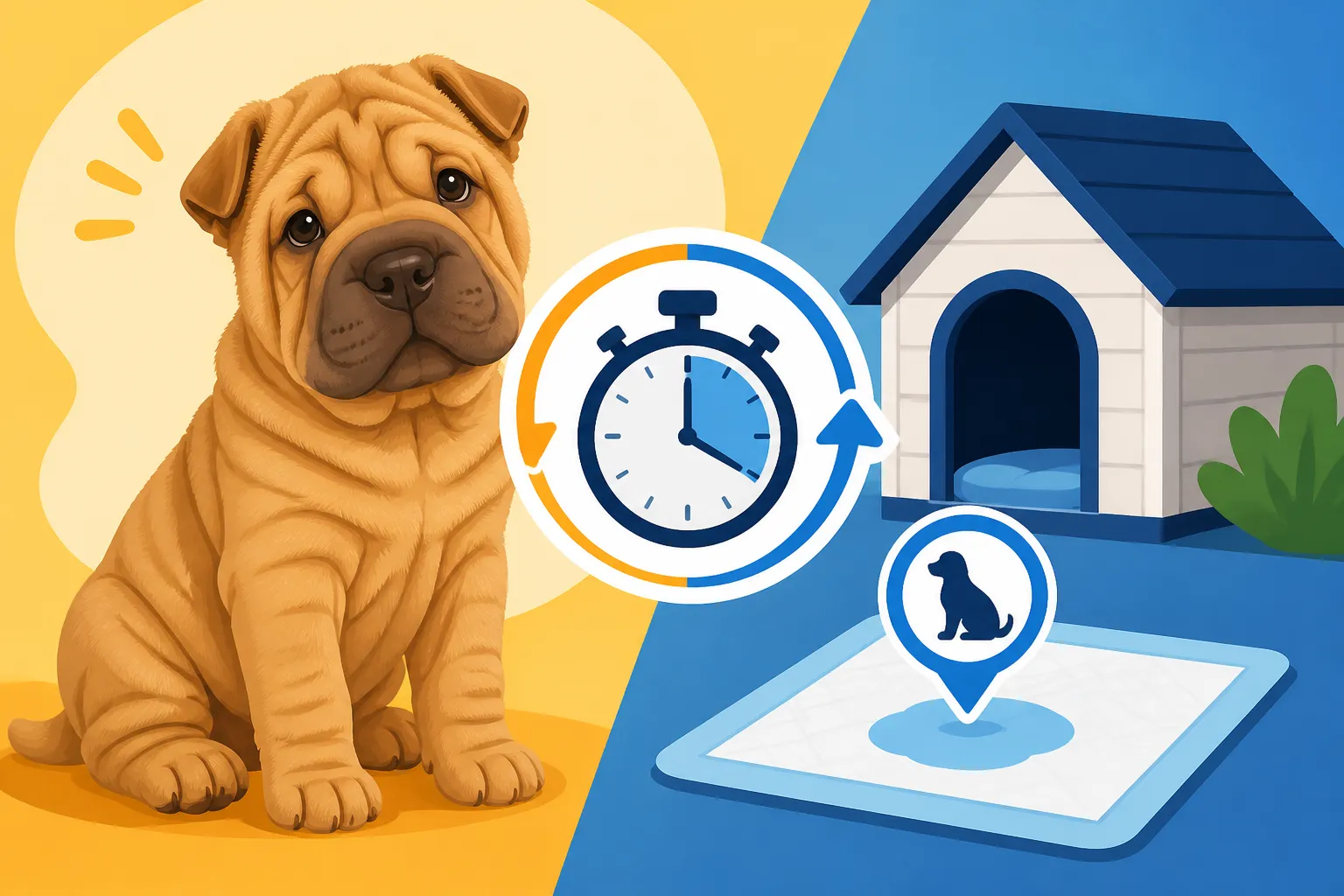
How Long House Training a Shar Pei Puppy Takes
Oh, the joys and sometimes utter frustrations of house training a Shar Pei puppy! It's one of those milestones that every new dog parent looks forward to, but with a breed as unique and independent as our beloved Shar Peis, the journey can feel like a whole different ballgame. Many owners find themselves wondering if their little wrinkly wonder will ever get it, especially when compared to stories from friends with other breeds. This guide is here to shed some light on what to realistically expect when house training a Shar Pei puppy, offering practical advice, and helping you navigate the ups and downs of this essential process.
Understanding the Shar Pei's Unique Approach to Potty Training
When it comes to house training, many dog breeds are eager to please and quick to pick up on cues. Shar Peis, bless their independent hearts, often march to the beat of their own drum. This isn't a flaw in their character; it's simply part of what makes them, them! Their intelligence is undeniable, but it often comes wrapped in a strong-willed package that can make typical training methods feel less effective.
Why "Typical" Timelines Don't Always Apply to Shar Pei
If you’ve heard that most puppies are house trained in a few weeks, or by three to four months old, you might find yourself scratching your head with a Shar Pei. Their deep-seated independence means they don't always feel the immediate urge to comply just because you want them to. They process information, observe patterns, and then, in their own sweet time, decide if it aligns with their personal agenda. This isn't spite; it's just how a thinking, independent breed operates.
For example, a golden retriever puppy might quickly learn that pottying outside earns praise and a treat, and they'll actively seek to repeat that behavior. A Shar Pei puppy, on the other hand, might acknowledge the reward but still think, "Hmm, I could go outside, but this spot by the door is awfully convenient right now." It's not that they don't understand; it's that their motivation structure is often different. They're naturally clean animals, but that inherent cleanliness often applies to their immediate sleeping area, not necessarily the entire house, especially if they haven't been properly guided on what constitutes their "den" versus the wider home environment. This independent streak is part of The Headstrong Streak Nobody Trains Out of a Shar Pei, and it extends to house training.
The Shar Pei's Innate Cleanliness – A Double-Edged Sword
One of the most appealing traits of a Shar Pei is their remarkable cleanliness. Unlike some breeds that seem content to live in their own mess, Shar Peis generally prefer not to soil their den. This natural inclination is a huge advantage in house training, as it forms the basis of effective crate training. However, it can also be a bit of a double-edged sword.
Because they are so fastidious about their sleeping area, they will often hold it for an impressive amount of time within their crate. This is fantastic for preventing accidents inside the crate, but it can lead to massive "release" moments when they finally get outside, sometimes before you've even fully reached the designated potty spot. If you're not quick enough, or if the transition from crate to outdoor potty spot isn't managed perfectly, they might hold it until they're outside the crate but still inside the house, leading to an accident a few feet from the door. It's a testament to their self-control, but it also means owners need to be hyper-vigilant and extremely proactive with potty breaks. Understanding How Easily a Shar Pei House Trains often comes down to leveraging this natural cleanliness without letting their cleverness outsmart your routine.
Setting Your Shar Pei Puppy Up for House Training Success
The key to house training a Shar Pei puppy successfully lies in consistency, patience, and understanding their unique temperament. It's about creating an environment where success is easy and mistakes are difficult. This means being proactive, not reactive, and setting clear, unwavering expectations from day one.
Crate Training as a Cornerstone for Shar Pei Puppies
For a Shar Pei, a crate isn't just a training tool; it's a vital part of their development. Their natural instinct to keep their den clean makes the crate an incredibly powerful ally in house training. When introduced properly, a crate becomes their safe, personal space where they feel secure and are far less likely to have an accident. This method capitalizes on their desire for cleanliness.
Imagine your Shar Pei puppy, fresh from its litter, learning what 'home' means. If its 'home' is a spacious house, it will perceive different areas as acceptable for different functions. But if its 'home' is initially a crate, it quickly learns that this small, den-like space must remain clean. This creates an urgent need to go outside when released. Make sure the crate is appropriately sized – just big enough for them to stand up, turn around, and lie down comfortably. If it's too big, they might use one end as a bed and the other as a bathroom, defeating the purpose. You can find excellent, sturdy crates on platforms like Amazon that come with dividers, allowing you to adjust the size as your puppy grows. For a comprehensive guide, check out Crate Training a Shar Pei Puppy.
Establishing a Consistent Routine and Schedule
Consistency is king when house training a Shar Pei. Puppies thrive on predictability, and Shar Peis, with their structured personalities, particularly benefit from knowing what to expect and when. This means sticking to a rigid schedule for potty breaks, feeding times, and play.
Here's an example of a strict, consistent potty schedule that could work wonders:
| Time Slot | Activity | Notes |
|---|---|---|
| Morning | ||
| 6:00 AM | Wake up, immediately outside to potty | No play, straight out. Reward immediately upon success. |
| 6:15 AM | Breakfast | Serve in crate or designated eating spot. |
| 6:30 AM | Immediately outside after eating | Eating stimulates bowels. |
| 7:00 – 8:00 AM | Playtime/Training/Socialization | Supervised, short bursts of activity. |
| 8:00 AM | Potty break | Even if they just went. |
| 8:15 AM | Crate time/Nap | Helps prevent accidents and teaches them to settle. |
| Daytime | ||
| Every 2-3 hours | Potty break | Wake from naps, immediately outside. After play, immediately outside. |
| After every drink | Potty break | Puppies have small bladders and drink frequently. |
| After every play | Potty break | Excitement can lead to accidents. |
| Evening | ||
| 5:00 PM | Dinner | Last meal of the day to minimize overnight potty needs. |
| 5:15 PM | Immediately outside after eating | Critical potty break. |
| 6:00 – 8:00 PM | Supervised playtime/Family time | Keep an eye out for signals. |
| 8:00 PM | Potty break | Last chance before bedtime. |
| 9:00 PM | Final potty break, then into crate for night | Ensure a calm, quiet exit to the potty spot. |
Remember, every time your Shar Pei puppy is awake and not actively eating, drinking, or playing, they should be taken out to potty. And always, always go out immediately after waking from a nap, after eating or drinking, and after a play session. These are prime times for accidents. Establishing this routine early is a core part of The First Year With a Shar Pei Puppy.
Common Challenges and Troubleshooting for Shar Pei House Training
Even with the best intentions and the most consistent routine, you're going to encounter challenges. Shar Peis are smart, and sometimes their "challenges" are just their way of testing boundaries or communicating something you might be missing. Don't get discouraged; instead, view them as opportunities to refine your approach.
Dealing with Setbacks and Accidents
Setbacks are an inevitable part of house training any puppy, and a Shar Pei is no exception. An accident in the house is not a failure on your part, nor is it a sign your Shar Pei is "untrainable." It's a signal to reassess your routine, your vigilance, or your cleaning methods.
The absolute golden rule for accidents: never punish your Shar Pei for an accident if you didn't catch them in the act. If you walk into a room and find a puddle, cleaning it up calmly is the only appropriate response. Scolding them after the fact will only teach them to fear you or to hide their pottying, making the problem worse. Instead, focus on prevention. Re-evaluate your schedule: are the potty breaks frequent enough? Is your supervision strict enough when they're out of the crate? Are you rewarding enthusiastically enough when they go outside?
For cleaning, invest in a good enzymatic cleaner. Shar Peis have an excellent sense of smell, and if they can smell previous accidents, they'll be drawn back to that spot. Products designed specifically to break down pet odors are crucial here. You can easily find these on Amazon or at any pet supply store. These cleaners don't just mask the scent; they neutralize the enzymes that attract your dog back to the same spot.
Recognizing Subtle Shar Pei Signals
Shar Peis aren't always dramatic communicators. While some dogs might pace, whine, or scratch at the door, a Shar Pei might give much more subtle cues that they need to go out. Their independent nature means they might try to sneak off to a quiet corner rather than overtly asking for permission.
Pay close attention to body language. Are they suddenly sniffing around more intensely? Are they circling in one spot? Are they looking towards the door with a slight shift in their posture or a quick glance? Sometimes, it's a subtle stiffness in their walk or a momentary pause in play. These are all potential signals. Because their facial expressions can sometimes be harder to read due to their wrinkles, observing their whole body and behavior patterns is essential.
One tip is to hang a bell on the door you use for potty breaks. Ring it yourself every time you take your puppy out. Eventually, some Shar Peis will learn to ring the bell themselves. It gives them a clear, easy way to communicate without relying on you to interpret subtle cues. This type of positive association and clear communication is often What Motivates a Shar Pei best. They appreciate clear rules and consistent outcomes.
Realistic Expectations and When to Seek Help
House training a Shar Pei is a journey, not a sprint. There's no magical day when it's suddenly "done." It's a gradual process of building habits and understanding. Patience is your most valuable asset.
The Average Timeline and Individual Variations
While some unicorn Shar Peis might grasp house training in a few weeks, it's more realistic to expect a solid foundation to take anywhere from 3 to 6 months. And even then, occasional accidents can happen, especially during adolescence (around 6-18 months) when they might test boundaries or during periods of stress or change.
Factors that influence the timeline include:
- Age of the puppy: Younger puppies have less bladder control.
- Consistency of your routine: Any deviation can set them back.
- Past experiences: If a puppy came from a less-than-ideal situation where they were forced to live in their own waste, it can take longer to undo those ingrained habits.
- Your vigilance: How closely are you watching your puppy when they're not crated?
- Motivation: How exciting are your rewards for outdoor pottying?
Remember, every dog is an individual. Don't compare your Shar Pei's progress directly to another dog's. Celebrate every success, learn from every accident, and keep a positive, consistent attitude. If you're wondering how much 'work' you should be putting in, think of it in short, positive bursts; How Long a Shar Pei's Training Session Should Be applies to potty training too – frequent, short, successful outings are better than long, drawn-out, confusing ones.
When Professional Guidance Becomes Essential
If you've been diligently following a consistent routine for several months, using a crate, cleaning up accidents properly, and still feel like you're not making progress, or if your Shar Pei seems to be regressing, it might be time to seek professional guidance. This isn't a sign of failure but a smart move to get tailored advice for your specific situation.
A certified professional dog trainer or a veterinary behaviorist can observe your routines, your puppy's behavior, and identify any underlying issues. Sometimes there can be medical reasons for persistent accidents, such as a urinary tract infection, which a vet can diagnose. If medical issues are ruled out, a behaviorist can offer advanced strategies. Online training platforms, such as BAXTER & Bella, can also provide structured programs and one-on-one coaching that might offer the fresh perspective you need. They can help you decode your Shar Pei's unique communication style and tailor a training plan that truly resonates with their independent spirit. Don't be afraid to ask for help; it shows you're committed to your Shar Pei's well-being and to fostering a strong, respectful relationship with them.
Disclaimer
This article is for general informational purposes only and does not constitute professional advice. Laws, prices and regulations vary by location and change over time. Consult a qualified professional for guidance on your specific situation.


