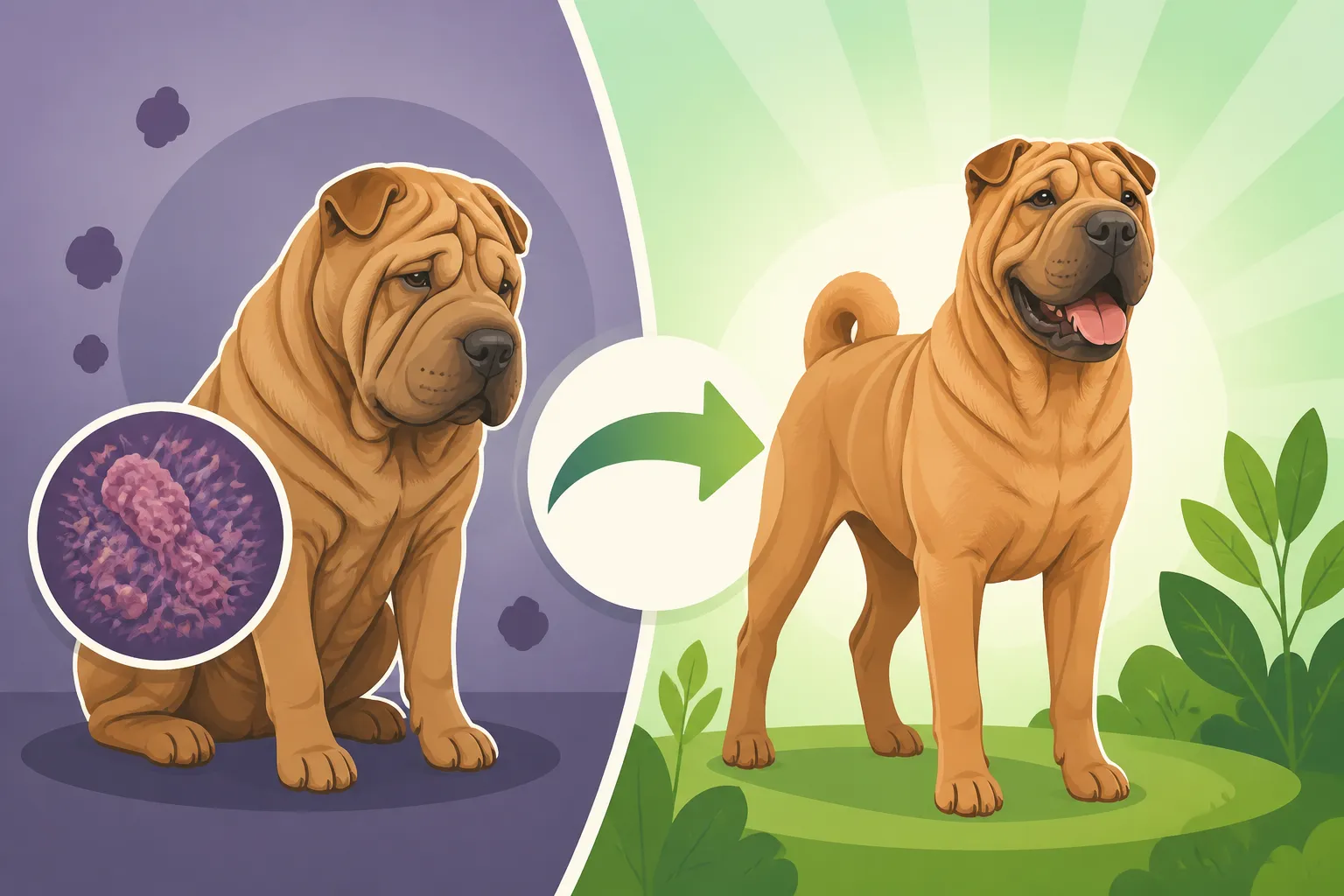
Whether Amyloidosis Can Be Reversed in a Shar Pei
The devastating news of a Shar Pei amyloidosis diagnosis can stop any owner cold. It's a moment filled with fear, confusion, and often, a desperate search for hope – particularly the burning question of whether this terrible condition can somehow be turned around. While it's incredibly painful to hear, the stark reality is that, currently, amyloidosis in Shar Pei cannot be reversed. This guide will walk you through what that truly means, why reversal isn't an option, and critically, what you can do to manage the condition and give your beloved companion the best possible quality of life despite this challenge.
Unpacking the Truth About Shar Pei Amyloidosis
To truly grasp why reversal isn't on the table, we first need to understand the enemy we're facing. Amyloidosis isn't a simple infection or a tumor that can be removed. It's a systemic problem rooted deep within the breed's unique genetic makeup, often linked to the very wrinkles that make them so distinctive.
What Amyloidosis Actually Is
At its core, amyloidosis is a disease characterized by the abnormal deposition of a specific protein called amyloid in various organs and tissues. Think of amyloid as a sticky, insoluble substance. In Shar Pei, the most common form is AA amyloidosis, which is often a consequence of the inflammatory episodes seen in Familial Shar Pei Fever (FSF). When a Shar Pei experiences a fever episode, their body produces acute phase proteins as part of the inflammatory response. In dogs genetically predisposed to amyloidosis, these proteins don't get cleared away properly. Instead, they misfold and accumulate, forming insoluble amyloid fibrils.
These fibrils don't just float around harmlessly; they start to build up, forming dense plaques within the organs. Imagine tiny, microscopic shards of glass accumulating in vital structures, slowly but surely disrupting their normal function. This is why it's so critical to understand that Familial Shar Pei Fever Is Not an Infection itself, but rather a syndrome that can lead to this disastrous protein accumulation. The connection between the fever and the subsequent amyloidosis is a grim reality for many Shar Pei owners, highlighting the importance of managing every fever episode vigilantly.
How Amyloid Damages a Shar Pei's Kidneys
While amyloid can theoretically deposit in any organ, the kidneys are overwhelmingly the primary target and the most severely affected organ in Shar Pei with amyloidosis. These vital organs are essentially the body's filtration system, tirelessly working to remove waste products and toxins from the blood. When amyloid starts to accumulate in the glomeruli – the tiny filtering units within the kidneys – it's like clogging the drains. Initially, the kidney tissue becomes inflamed and scarred around these deposits. This insidious buildup gradually chokes off the kidney's ability to filter blood effectively.
As more and more amyloid builds up, the filtering units become irreparably damaged. This leads to a cascade of problems, including protein leaking into the urine, which is a key early indicator of kidney trouble, and eventually, the inability of the kidneys to remove waste. This progressive damage ultimately culminates in kidney failure, which is what actually kills a Shar Pei suffering from this condition. It's a slow, relentless process where the kidney's functionality diminishes over time, and sadly, this is often the organ that fails first, although the liver and other organs can also be affected, albeit less commonly to the point of clinical failure. This progressive nature is why Why a Shar Pei's Kidneys Need Watching From Two Years Old, as early intervention, even if not a cure, can make a significant difference.
The Harsh Reality: Why Reversal Isn't Possible
It's natural to hope for a miraculous cure or a way to undo the damage, but with Shar Pei amyloidosis, the scientific consensus is clear: reversal, in the sense of completely removing the deposited amyloid and restoring full organ function, is not currently achievable.
Why Reversal Is Not an Option
The main reason we can't reverse amyloidosis comes down to the nature of the amyloid deposits themselves. Once these misfolded proteins aggregate and form those sticky, insoluble fibrils, they are incredibly stable and resistant to the body's natural breakdown mechanisms. Think of it like a concrete foundation: once it's poured and set, you can't just "un-set" it. You might be able to chip away at it or prevent more from being poured, but removing the existing structure entirely is a monumental, if not impossible, task for the body's delicate biological machinery.
Existing amyloid deposits are stubborn. The body lacks the specific enzymes or cellular processes to effectively dissolve and clear these well-established plaques. While research is ongoing in human medicine for various forms of amyloidosis, a breakthrough for canine AA amyloidosis, specifically for reversal, has yet to emerge. This isn't to say science isn't trying, but for now, the focus must shift from undoing damage to preventing further harm and supporting remaining function.
Focusing on Management, Not Cure
Given that reversal isn't an option, the entire strategy for a Shar Pei with amyloidosis pivots to management. This means slowing the progression of the disease, minimizing further amyloid deposition, and supporting the function of the affected organs for as long as possible. This approach is paramount for extending your dog's comfortable life. When a Shar Pei spikes a fever, it's not just an uncomfortable episode; it's a potential catalyst for more amyloid deposition. Therefore, diligently managing each fever, reducing inflammation, and preventing future episodes becomes a cornerstone of treatment.
This is where proactive, long-term care becomes absolutely vital. Medications like Colchicine, which we'll discuss more, are not about reversing the damage, but about interfering with the inflammatory pathways that lead to amyloid formation. Similarly, dietary changes and other supportive therapies aim to lighten the load on struggling organs, not fix them. This long-term commitment to care highlights why having a comprehensive pet insurance plan, such as one from Healthy Paws, can be an incredible lifeline. It allows owners to pursue every available treatment option without being crippled by the financial burden, ensuring consistent, high-quality care throughout their Shar Pei's journey.
Strategies for Slowing Progression and Supporting Your Shar Pei
Even without the possibility of reversal, there's a lot you can do to manage amyloidosis and significantly improve your Shar Pei's prognosis and quality of life. The key is a multi-faceted approach focusing on early detection, careful monitoring, and consistent medical and dietary interventions.
Early Detection and Monitoring
The earlier amyloidosis is identified, the better your chances of slowing its progression. This means being incredibly proactive with your Shar Pei's veterinary care. Regular check-ups are essential, but for a Shar Pei, specific diagnostic tests should be a part of their routine, especially from a young age. A key indicator of early kidney damage in Shar Pei is proteinuria – the presence of excess protein in the urine. This often occurs before there are any changes in blood values like creatinine or BUN, which only rise significantly when about 75% of kidney function is already lost.
The most sensitive and important test for early detection is a urine protein:creatinine (UPC) ratio. This simple urine test measures how much protein is being lost through the kidneys. A rising UPC ratio, particularly when consistently above normal, is a strong warning sign. Your veterinarian should be checking this regularly, perhaps yearly, especially in Shar Pei prone to fever episodes. In fact, many vets specializing in Shar Pei recommend starting these checks as early as two years old. This vigilance is crucial because Which Test Catches a Shar Pei's Kidney Damage Early, and catching it early can buy you valuable time to implement protective measures. You’ll also need to monitor bloodwork, including kidney values, electrolytes, and packed cell volume, as part of a comprehensive health picture. How Often a Shar Pei's Kidney Values Should Be Checked typically increases as they age or if signs of disease appear.
Here’s a quick overview of key kidney health indicators:
| Test Name | What it Measures | Normal Range (approx.) | Significance for Shar Pei Amyloidosis |
|---|---|---|---|
| Urine Protein:Creatinine (UPC) Ratio | Amount of protein leaking into the urine relative to creatinine (a waste product). | < 0.2 (ideally < 0.5) | Most important early indicator. High values mean protein is leaking, indicating kidney damage. Aim for <0.2. |
| Creatinine (CREA) | Waste product from muscle metabolism, filtered by kidneys. | 0.5 – 1.6 mg/dL | Rises significantly when ~75% of kidney function is lost. Not an early indicator. |
| Blood Urea Nitrogen (BUN) | Waste product from protein breakdown, filtered by kidneys. | 10 – 30 mg/dL | Rises with kidney disease, but also with dehydration or diet. Less specific than CREA. |
| Phosphorus | Mineral balanced by kidneys. | 2.5 – 6.0 mg/dL | Can rise in later stages of kidney disease, contributing to secondary issues. |
| Specific Gravity (USG) | Concentration of urine. | 1.015 – 1.040 (dog) | Low values indicate kidneys are not concentrating urine well, even if other values are normal. |
Always consult your veterinarian for exact normal ranges and interpretation for your individual dog.
Medication and Dietary Management
Once amyloidosis is diagnosed, a combination of medication and specialized diet becomes the cornerstone of treatment. The primary medication used for Shar Pei with Familial Shar Pei Fever and suspected amyloidosis is Colchicine. This drug doesn't reverse existing damage, but it's believed to interfere with the production and deposition of new amyloid proteins by reducing inflammation and altering the transport of precursor proteins. It’s given orally, usually twice a day, and is a long-term commitment. Many owners wonder Whether Colchicine Helps a Shar Pei, and the answer is yes, primarily by slowing the progression of amyloid deposition, especially when started early. However, it's not without potential drawbacks, and it's important to be aware of Whether Colchicine Has Side Effects in a Shar Pei, which can include gastrointestinal upset.
Beyond Colchicine, supportive care often includes specific dietary modifications. A kidney-friendly diet aims to reduce the workload on the compromised kidneys. This typically means a diet lower in protein (but with high-quality protein to maintain muscle mass), lower in phosphorus, and often supplemented with omega-3 fatty acids to help reduce inflammation. These specialized diets are not always the tastiest, and getting a Shar Pei to transition can be a challenge. Your vet will guide you on Whether a Shar Pei Needs a Special Diet for Its Kidneys and which specific formulation would be best. In more advanced stages, fluid therapy, either intravenously at the vet's office or subcutaneously at home, might be necessary to help flush toxins and maintain hydration. The ongoing nature of these treatments and medications underscores the financial aspect of managing the disease. This is where having pet insurance like Healthy Paws can truly make a difference, covering a significant portion of prescription costs, specialized vet visits, and diagnostic testing.
Living with a Shar Pei with Amyloidosis
A diagnosis of amyloidosis is heartbreaking, but it's not an immediate death sentence. Many Shar Pei can live comfortably for a significant period with dedicated management, and focusing on their comfort and well-being becomes paramount.
Maintaining Quality of Life
The goal of all management strategies is to ensure your Shar Pei maintains the best possible quality of life for as long as possible. This means keeping them comfortable, happy, and as free from pain and nausea as possible. Regular veterinary check-ups, potentially more frequent than for a healthy dog, are crucial to monitor kidney function and adjust medications as needed. This proactive monitoring allows your vet to intervene before issues become severe. Beyond medical care, daily life adjustments can make a huge difference. Provide a low-stress environment, as stress can sometimes trigger inflammatory responses. Gentle, consistent exercise tailored to their energy levels is important, but avoid overexertion, especially in warmer weather, as kidney dogs can sometimes struggle with temperature regulation.
Ensure they always have access to fresh water, encouraging them to drink to support kidney function. Soft, comfortable bedding is important, and managing any other concurrent health issues, such as skin fold dermatitis or ear infections, becomes even more critical, as additional infections can put further strain on their system. While it's tough, understanding What Most Shar Pei Die Of —often kidney failure from amyloidosis—helps you prepare mentally and ensure their comfort in their final stages. This focus on comfort, rather than a desperate pursuit of a cure, allows you to cherish the time you have.
Emotional Support for Owners
Let's be honest, living with a Shar Pei facing a chronic, progressive illness like amyloidosis is incredibly taxing emotionally. You’re not just managing a disease; you’re navigating the deep love and concern you have for your furry family member. It’s okay to feel overwhelmed, sad, frustrated, or even angry. These feelings are valid, and it’s important not to bottle them up. Reach out to your veterinary team; they’ve seen this before and can offer practical advice and emotional support. They are partners in your pet’s care.
Consider connecting with other Shar Pei owners who have experienced or are currently managing amyloidosis. Online forums, breed-specific groups on social media, or local Shar Pei clubs can be invaluable resources for shared experiences, tips, and simply a safe space to vent. Knowing you’re not alone in this journey can make a world of difference. As your Shar Pei ages, especially if they are among the resilient ones who reach their senior years, the challenges shift. Caring for a Shar Pei Past Seven often means managing multiple age-related conditions alongside their amyloidosis. Lean on your support network and remember that providing love, comfort, and consistent care is the greatest gift you can give your dog, especially when faced with an incurable condition. And again, while money can't buy a cure, having a strong insurance policy, like one from Healthy Paws, can significantly reduce financial stress, allowing you to pour all your energy into loving and caring for your Shar Pei without the added burden of prohibitive vet bills.
Disclaimer
The information provided in this article is for general informational purposes only and is not a substitute for professional veterinary advice. Always consult with a qualified veterinarian for diagnosis, treatment, and all health-related concerns regarding your Shar Pei.


