Whether a Shar Pei Tolerates Nail Trimming
If you're a Shar Pei owner, the thought of trimming your dog's nails probably conjures images of wrestling matches, frustrated yelps, and maybe even a few nicks – for both of you. It's a common struggle, and you're definitely not alone in finding this routine chore challenging. Our beautiful, independent Shar Pei can be incredibly particular about being handled, especially when it comes to their paws, which can make something as simple as a nail trim feel like an impossible task. But with patience, the right approach, and a deep understanding of your Shar Pei's unique nature, you absolutely can turn this dreaded experience into a much calmer, more cooperative part of their regular care.
Understanding the Shar Pei's Perspective on Handling and Touch
Before we even talk about clippers or grinders, it's crucial to understand why your Shar Pei might balk at having their paws handled. This isn't usually out of malice; it's often rooted in their instincts, their physical traits, and any past experiences they've had.
Why Your Shar Pei Might Resist Being Handled
Shar Pei are truly unique dogs, and their personality traits, while endearing, can sometimes make routine care a bit of a hurdle. For starters, they are known for their independent and often aloof nature. This means they're not always keen on being told what to do, especially if it involves a perceived invasion of their personal space or an uncomfortable restraint. When you hold their paw firmly, to them, it might feel like you're asserting control in a way they instinctively resist. They were, after all, originally bred as guard dogs and property protectors, not necessarily as cuddly lap dogs who relish being manipulated. A Shar Pei Was Bred to Guard, Not to Greet
Then there's the physical aspect. Shar Pei have limited peripheral vision due to their deeply set eyes and prominent facial folds. This means they can be easily startled by unexpected movements, particularly if your hand or a tool comes into their field of vision suddenly or from an angle they can't easily track. Imagine someone reaching for your feet without you seeing them coming – it's unsettling, right? For a Shar Pei, this visual limitation means you need to be very intentional and predictable in your movements. Why a Shar Pei Startles: It Cannot See You Coming
Perhaps the biggest factor is past experience. Just one negative encounter – a nail trimmed too short (known as "quicking"), a paw held too roughly, or even an accidental pinch – can create a profound and lasting aversion. Our Shar Pei are smart, and they remember. If they associate the clippers or the sound of the dremel with pain or discomfort, they will naturally resist. This isn't defiance; it's self-preservation. Some Shar Pei are known for holding a grudge, and a bad nail trim can certainly fall into that category. How Long a Shar Pei Holds a Grudge The unique texture of their skin can also make them more sensitive to touch in certain areas.
The Importance of Early and Positive Conditioning
The absolute golden rule for any routine care with a Shar Pei, and especially for nail trimming, is early and positive conditioning. If you have a Shar Pei puppy, you have a critical window of opportunity that you really shouldn't miss. From the moment they come home, start handling their paws gently and frequently. Don't wait until their nails actually need trimming. Simply touch their paws, hold them for a few seconds, rub their pads, and touch each toe. As you do this, offer a continuous stream of high-value treats and calm, soothing praise. The goal is to create a positive association: "Paws handled = delicious treats and happy human."
These sessions should be incredibly short – just a few seconds at first – and always end on a good note. Gradually introduce the tools. Let them see and sniff the clippers or dremel. Turn the dremel on briefly in another room so they hear the sound without direct pressure. Then, bring it closer, still pairing it with treats. The sound and vibration of a dremel can be particularly alarming if introduced abruptly, so slow desensitization is key. Think about making it a game: "Oh, look at this funny noisy thing! Have a treat!" You're essentially building a foundation of trust and tolerance that will pay dividends for years to come. This kind of foundational work is critical during The First Year With a Shar Pei Puppy, setting them up for a lifetime of more relaxed handling.
Strategies for a Calmer Nail Trimming Experience
Even if you have an adult Shar Pei who already has a strong aversion to nail trims, all hope is not lost. It will take more patience and consistency, but you can still make significant progress by employing the right strategies.
Choosing the Right Tools and Environment
The tools you use and the setting where you use them can make a huge difference.
- Clippers vs. Dremel: This is often the first big decision.
- Nail clippers (guillotine or scissor-style) are quick, and if you have a dog that tolerates them, they can get the job done efficiently. However, the risk of cutting into the quick (the pink, sensitive part of the nail with blood vessels and nerves) is higher, especially with dark nails, which are common in Shar Pei. One quicked nail can set your progress back weeks or months.
- Dremel grinders (like those you can find on Amazon or Chewy, often marketed specifically for pets) offer more control. You grind down the nail gradually, reducing the chance of hitting the quick. They also leave a smoother edge, which is nice for your floors and your skin. The downside is the noise and vibration, which some dogs find alarming. This is where desensitization is absolutely paramount. Whether a Dremel Suits a Shar Pei's Nails
- High-Value Treats: Forget the regular kibble. For nail trims, you need the good stuff. Think peanut butter (xylitol-free!), cream cheese on a lick mat, small pieces of cooked chicken, or even some of that fresh food you might get from a brand like Ollie. The treat needs to be so good that your Shar Pei is willing to tolerate a little discomfort for it.
- Styptic Powder: This is non-negotiable. Always have it within arm's reach. Even with the best intentions, accidents happen, and this powder will quickly stop the bleeding if you nick the quick. Don't just know it's there; have it open and ready.
- Quiet, Familiar Space: Choose a calm area in your home where your Shar Pei feels safe and comfortable. Minimize distractions. Turn off the TV, ask family members to give you space, and make sure there's no sudden foot traffic. Some owners find a grooming table helpful, while others prefer sitting on the floor with their dog.
Step-by-Step Approach to Nail Trimming
Once you have your tools and a calm environment, here's how to approach the task:
- Short, Frequent Sessions: This is perhaps the most important tip. Don't try to do all twenty nails (don't forget the dewclaws!) in one sitting, especially if your Shar Pei is already anxious. Start with one nail, or even just touching one paw, giving a treat, and stopping. Build up gradually. Two nails a day, every day, is far better than a traumatic full-set trim once a month.
- Positive Reinforcement is Key: Every single interaction with the clippers or dremel, no matter how small, should be followed by a reward. Touch a paw? Treat. Touch the clipper to a nail? Treat. Snip one nail? Jackpot of treats! If your Shar Pei remains calm, even just for a few seconds, acknowledge and reward that calm. How a Shar Pei Shows Affection when they trust you implicitly, they might tolerate a lot more, but you need to earn that trust.
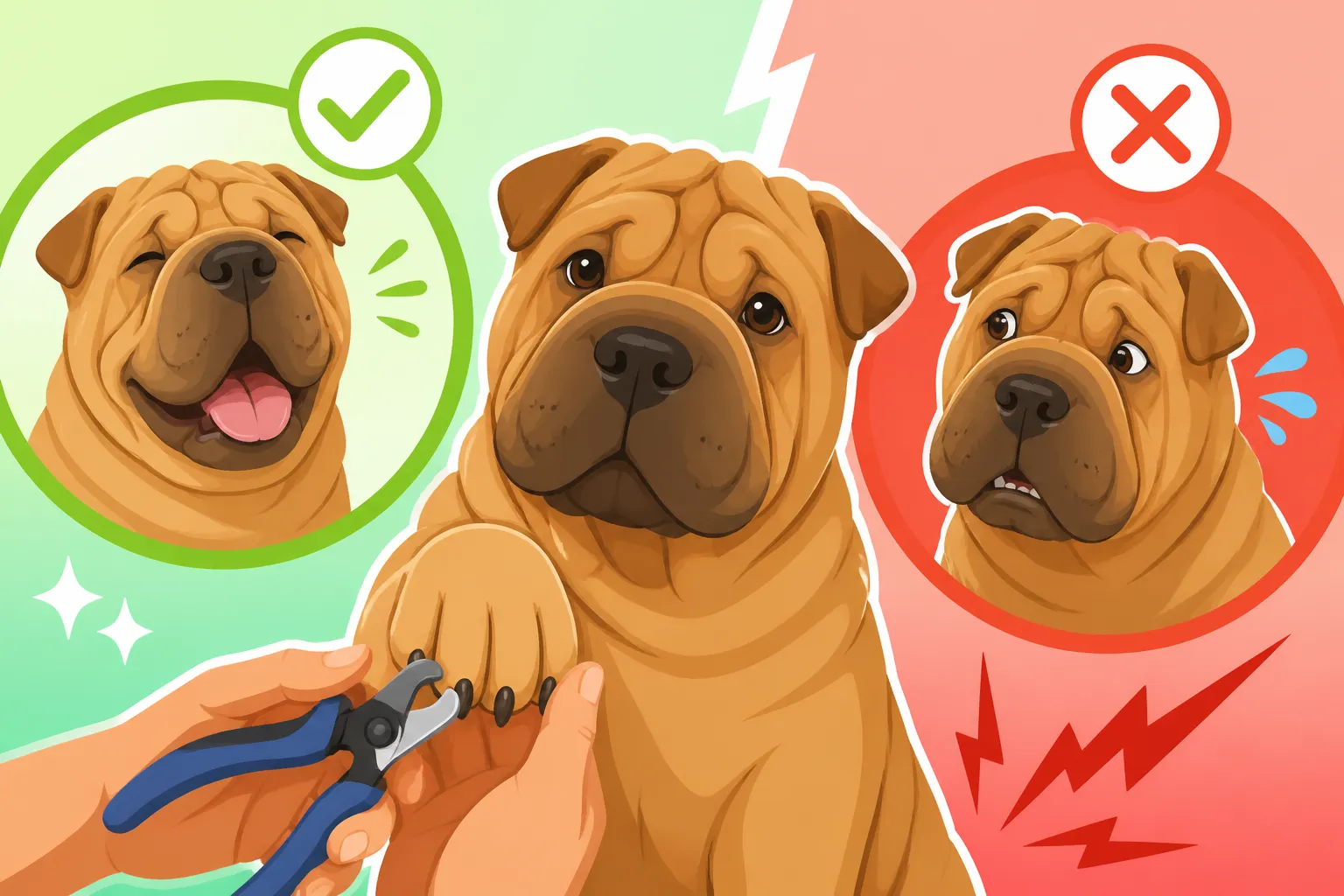
- Read Their Body Language: Your Shar Pei will tell you when they're uncomfortable. Look for signs like lip licking, yawning, turning their head away, tensing their body, pulling their paw away, or low growls. If you see these, stop. Push no further. Trying to force it will only reinforce their fear and make future sessions harder. Take a break, restart with easier steps, and try again later or another day.
- Gradual Introduction:
- Start by simply holding their paw, giving treats.
- Next, touch the clipper or dremel to a nail, then treat.
- If using a dremel, turn it on briefly, away from the paw, and treat. Then touch the inactive dremel to the nail. Then, turn it on and touch it to the very tip of one nail for a split second, then treat.
- When you do trim, aim for tiny slivers. It's better to take off too little than too much. Remember, How Often a Shar Pei's Nails Need Trimming suggests that frequency is more important than taking off a lot at once.
- Proper Handling Techniques: Support the paw gently but firmly. Avoid pulling or twisting their leg. Some dogs do better lying down, others standing, others sitting in your lap. Find what makes your individual Shar Pei most comfortable. For their front paws, try resting their elbow on your leg while they are standing. For back paws, you can lift their leg slightly, supporting it well.
When to Seek Professional Help
Sometimes, despite your best efforts, a Shar Pei's anxiety or reactivity around nail trimming is too severe for you to manage alone. This is not a failure on your part; it's recognizing their individual needs.
- Severe Anxiety or Aggression: If your Shar Pei becomes truly aggressive (snapping, biting) or severely anxious (panting, shaking, vocalizing) during attempts to trim their nails, it's time to call in the experts. Pushing through this can be dangerous for both of you and will only deepen their fear.
- Vet or Professional Groomer: A skilled vet technician or professional groomer often has specialized techniques and tools, as well as experience with challenging breeds like the Shar Pei. They can sometimes get the job done quickly and efficiently. Don't be shy about asking if your vet offers "cooperative care" training or low-stress handling appointments. This is also why many Shar Pei might need sedation for other sensitive procedures, like an ear exam. Whether a Shar Pei Needs Sedation for an Ear Exam
- Sedation as a Last Resort: For some Shar Pei, mild sedation from your veterinarian might be the kindest option. This isn't ideal for every trim, but if it allows a stress-free experience, it can be beneficial. It helps break the negative association and can be part of a larger desensitization plan. Discuss this thoroughly with your vet to weigh the pros and cons.
Maintaining Nail Health Beyond the Trim
Trimming isn't just about avoiding painful quicks; it's about the overall health and comfort of your Shar Pei. Consistent attention to their nails prevents a host of other problems.
The Importance of Regularity and Consistency
Keeping your Shar Pei's nails short is vital for their physical comfort and long-term health. Overgrown nails can cause pain in their paws, lead to splayed toes, and even affect their posture and gait, contributing to joint issues over time. Imagine walking with shoes that are too small, constantly pushing your toes back – that's what long nails can feel like for a dog.
Regular, even if very short, trimming sessions are far more effective and less stressful than infrequent, extensive ones. Aim for a schedule that keeps their nails from touching the ground when they stand. For many Shar Pei, this might mean a quick trim or dremel session every week or two. This consistency also reinforces the positive associations you're trying to build. A predictable routine reduces anxiety because your Shar Pei knows what to expect.
Beyond the actual trimming, getting into the habit of daily paw handling, even if it's just a quick rub, helps maintain their comfort with touch and allows you to check for any other issues. Remember, Nails, Teeth and the Small Jobs on a Shar Pei are all part of responsible ownership and can save you bigger headaches (and vet bills) down the line.
Recognizing and Preventing Issues
Part of successful nail care is knowing what to look out for.
- The Quick: For Shar Pei with dark nails, locating the quick can be challenging. Shine a flashlight through the nail to try and see it, or look for the slight change in texture or color in the cross-section of the trimmed nail – a darker, more opaque center indicates you're getting close to the quick. Err on the side of caution and trim tiny amounts.
- Overgrown Nails: If nails are allowed to grow too long, the quick itself will lengthen, making it even harder to trim them back without causing pain. This can lead to the dog's toes splaying, putting pressure on their joints, and potentially even causing the nails to grow into the paw pads, leading to painful infections.
- Splitting and Cracking: If you notice your Shar Pei's nails are splitting, cracking, or becoming brittle, it could be a sign of an underlying health issue, such as a nutritional deficiency or a fungal infection. Always bring this to your vet's attention.
- Dewclaws: These are the "thumb" nails located higher up on the inside of the leg. Many dogs have them. Since they don't touch the ground, they don't wear down naturally and can easily grow in a circle and into the paw pad, causing immense pain. Always remember to check and trim these.
- Paw Pad Health: While you're doing nails, take a moment to check your Shar Pei's paw pads. Look for any cuts, abrasions, or unusual dryness. Due to their predispositions, it's always good to be mindful of any skin issues, including between the toes. Skin Is the Shar Pei's Largest Problem by Surface Area might manifest in subtle ways on their paws too.
By integrating regular, positive, and knowledgeable nail care into your Shar Pei's routine, you're not just maintaining their physical health; you're also strengthening the bond of trust between you. It might be a challenge, but with patience and persistence, it's one you can certainly conquer together.
| Nail Trimming Method | Pros | Cons | Ideal for |
|---|---|---|---|
| Traditional Clippers | Quick and efficient if dog is cooperative. | High risk of cutting the quick, potential for fear. Can leave sharp edges. | Experienced handlers, dogs with light-colored nails, calm dogs. |
| Dremel Grinder | Reduces risk of quicking, creates smooth edges, more control. | Noise and vibration can be frightening. Takes more time. | Anxious dogs, dogs with dark nails, desensitized dogs. |
| Scratch Board | No direct handling of paws, self-training for dog. | Only works for front nails, may not be suitable for all dogs/personalities. | Dogs that tolerate paw touching but resist clippers/grinders, enrichment. |
Disclaimer
This article is for general informational purposes only and does not constitute professional advice. Laws, prices and regulations vary by location and change over time. Consult a qualified professional for guidance on your specific situation.