Whether a Shar Pei Needs Its Anal Glands Expressed
It’s natural to worry when you see your beloved Shar Pei scooting across the carpet or constantly licking at their rear end. Our wrinkly friends often have unique health quirks, and it’s easy to jump to conclusions, wondering if this new behavior means yet another trip to the vet for something routine, like anal gland expression. This guide is here to demystify anal glands in Shar Pei, helping you understand what they are, when they actually need attention, and what you can do to support your dog’s comfort.
Understanding Your Shar Pei's Anal Glands
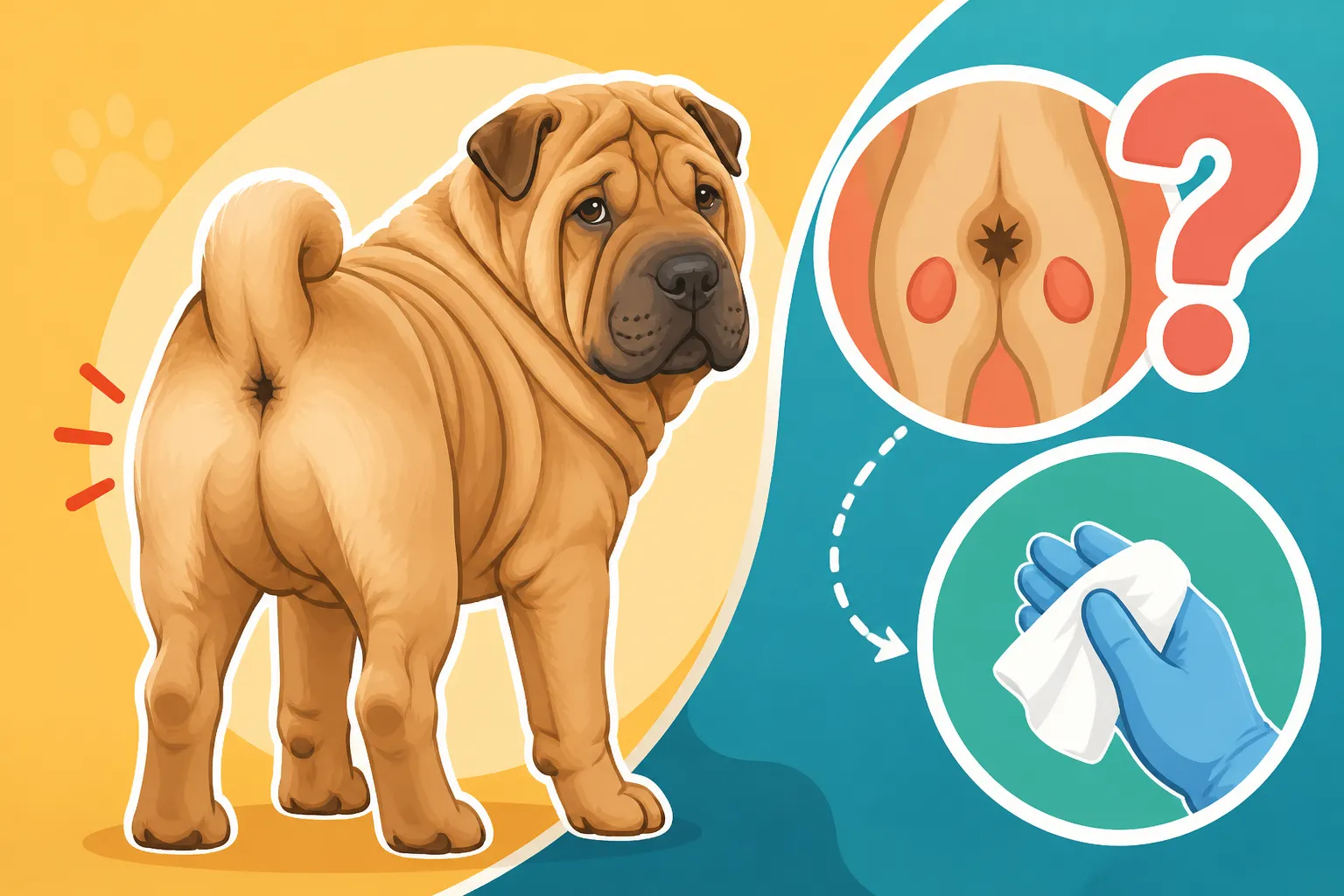
First, let's get a handle on what these little glands even are. Every dog, including our distinctive Shar Pei, has two small scent glands located just inside their anus, around the four and eight o’clock positions. These aren't just random bits of anatomy; they serve a distinct, albeit sometimes messy, purpose in the canine world.
What Anal Glands Are and Their Natural Function
Think of anal glands as nature's calling cards. Each gland contains a strong-smelling, oily fluid, the consistency of which can vary from thin and watery to thick and pasty. When your Shar Pei has a bowel movement, especially a firm one, the pressure of the stool passing through the rectum should naturally squeeze these glands, releasing a tiny bit of this fluid. This potent scent is part of how dogs communicate and mark their territory, leaving a unique signature that tells other dogs a whole story about who passed through. It’s their equivalent of a fingerprint or a business card! For most dogs, this process happens without a hitch, and you'd never even know it was occurring. They simply do their business, and the glands take care of themselves.
Why Some Dogs Encounter Anal Gland Issues
Unfortunately, for some dogs, this natural emptying process doesn't always go according to plan. There are several reasons why a dog might develop issues with their anal glands. Diet often plays a huge role; if your Shar Pei consistently produces soft or loose stools, there might not be enough pressure to express the glands naturally. Imagine trying to squeeze a tube with no resistance – it’s just not going to happen effectively. Genetics and individual anatomy can also be factors, with some dogs simply having smaller ducts or glands that don't empty as efficiently. Overweight dogs might also struggle, as excess fat can sometimes obstruct the glands or reduce the muscle tone needed for proper expression. It's a common problem in many breeds, and while not specific to the Shar Pei's signature wrinkles, it's certainly something any Shar Pei owner might encounter.
Is Anal Gland Expression a Routine Shar Pei Requirement?
The short answer is: generally, no. Anal gland expression should not be a routine part of your Shar Pei’s grooming or veterinary care if they are otherwise healthy and showing no signs of discomfort. It’s a common misconception that all dogs need this done regularly, but in most cases, it’s best left alone unless there’s a problem.
The Myth of Routine Expression
For years, it was common practice for groomers and even some vets to routinely express anal glands during baths or annual check-ups. The thinking was, "better safe than sorry." However, modern veterinary understanding has shifted. We now know that routine, unnecessary expression can actually cause problems rather than prevent them. When healthy glands are expressed, especially manually without proper lubrication from natural stool, it can lead to irritation, inflammation, and even scarring over time. This scarring can, ironically, make it harder for the glands to empty naturally in the future, creating a cycle of dependency and potential chronic issues. Nails, Teeth and the Small Jobs on a Shar Pei are important, but anal glands are a different beast.
When Manual Expression Becomes Necessary
Manual expression by a professional is absolutely necessary when your Shar Pei's anal glands become impacted or infected. Impaction happens when the fluid inside the glands thickens or the ducts become blocked, preventing them from emptying. This leads to a build-up of fluid, which can be incredibly uncomfortable and even painful for your dog. If left untreated, impacted glands can become infected, leading to an abscess which is a painful, pus-filled swelling. This is a serious situation that requires immediate veterinary attention. So, while not routine, it's crucial to know the signs that your Shar Pei might genuinely need help with their anal glands.
Recognizing the Signs of Anal Gland Trouble in Your Shar Pei
Our Shar Pei are notorious for being stoic, often hiding discomfort until a problem becomes quite advanced. This makes it extra important for us as owners to be vigilant and know what to look for when it comes to their health, including anal gland issues.
The Classic "Scooting" and Other Visible Clues
The most well-known sign of anal gland discomfort is "scooting" – your Shar Pei dragging their rear end across the floor, carpet, or even the grass. They're trying to relieve the pressure or itch caused by full or irritated glands. It's not just a funny quirk; it's a clear signal that something is bothering them. You might also notice excessive licking or biting at their hindquarters, under their tail, or around their anus. Some dogs become restless, have difficulty sitting, or even chase their tail in an attempt to alleviate the discomfort. If you see these behaviors, especially consistently, it's time to investigate further.
Odor, Swelling, and Changes in Behavior
Beyond visible actions, there are other clues. A strong, fishy, or foul odor coming from your Shar Pei’s rear end, especially after they scoot or lick, is a definite indicator that their anal glands might be impacted or leaking. The fluid has a very distinct, unpleasant smell that’s hard to ignore. In more severe cases, you might even notice swelling or redness around the anus, which could indicate an infection or abscess forming.
Behavioral changes can also be a tell-tale sign. Your usually calm Shar Pei might become irritable, reluctant to let you touch their rear, or show signs of pain when sitting or defecating. They might strain to poop or pass small, hard stools. Any of these signs should prompt a call to your vet, as ignoring them can lead to much more serious complications. What a Shar Pei's Skin Tells You Before Its Behavior Does is usually an early warning system, and it applies here too!
Here’s a quick comparison of what you might observe:
| Symptom Category | Signs of Healthy Anal Glands | Signs of Problematic Anal Glands |
|---|---|---|
| Behavior | No scooting, no excessive licking of hindquarters, comfortable sitting and defecating. | Scooting, excessive licking/biting at rear, difficulty sitting, chasing tail, restlessness, pain when touched. |
| Odor | No noticeable foul odor. | Strong, fishy, or foul odor, especially after scooting or licking. |
| Appearance | No redness or swelling around the anus. | Redness, swelling, or a visible lump near the anus. |
| Stool | Normal, firm stool consistency. | Straining to defecate, small or hard stools, or occasional leakage of fluid. |
| Temperament | Normal, happy demeanor. | Irritable, reluctant to be handled around the rear, general discomfort. |
Managing Anal Gland Health for Your Shar Pei
If you suspect your Shar Pei is having anal gland issues, the first step is always a visit to your veterinarian. They can accurately diagnose the problem and provide appropriate treatment. However, there are also proactive steps you can take to support their anal gland health, often starting with their diet.
The Role of Diet and Fiber
A cornerstone of healthy anal glands is consistent, firm stool. This is where diet comes in. Feeding your Shar Pei a high-quality, balanced diet that supports healthy digestion is paramount. Look for dog foods with adequate fiber content. Fiber helps create bulk in the stool, which, in turn, provides the necessary pressure to naturally express the anal glands.
If your Shar Pei frequently has soft stools or recurring anal gland issues, your vet might recommend a specific dietary change or a fiber supplement. Sometimes simply adding a tablespoon of plain canned pumpkin (not pie filling!) or a veterinarian-approved psyllium husk supplement to their food can make a world of difference. Brands like Chewy and Amazon offer a variety of fiber supplements and high-fiber dog foods that might be helpful. For some dogs, a fresh, whole-food diet, like those offered by Ollie, can also promote better stool consistency and overall gut health. Always consult your vet before making significant changes to your dog's diet or adding supplements. Feeding a Shar Pei That Reacts to Its Food can also be a sign that diet needs review.
Professional Expression and Veterinary Care
If your Shar Pei is indeed showing signs of anal gland trouble, do not attempt to express them yourself unless you’ve been thoroughly instructed by a veterinarian. Improper technique can cause more harm than good, leading to rupture, infection, or severe pain. A professional vet or trained veterinary technician knows the correct way to express the glands safely and hygienically.
For recurrent problems, your vet might want to investigate further. They may check for allergies, as skin and food allergies can sometimes manifest as anal gland issues or itchy rear ends. They might also suggest dietary trials, anti-inflammatory medications, or even, in very rare and severe chronic cases, surgical removal of the glands (anal sacculectomy) if all other treatments fail and the dog's quality of life is significantly impacted. Regular check-ups are also crucial for a Shar Pei, as their unique health needs often mean higher yearly vet totals (Whether a Shar Pei's Yearly Vet Total Is Higher Than Average) anyway, so addressing these things early can save you stress and your dog pain.
Preventing Future Anal Gland Problems
Preventing anal gland issues is largely about maintaining overall health and being observant. It’s about creating an environment where your Shar Pei’s body can function as it’s designed to, with minimal intervention.
Maintaining Optimal Weight and Exercise
Just like with us, a healthy weight and regular exercise are vital for your Shar Pei's well-being. Overweight dogs can sometimes have more trouble with natural anal gland expression due to reduced muscle tone and potential fat deposits around the rectal area. Keeping your Shar Pei at a healthy weight ensures their body can function efficiently, including the natural processes of defecation and gland expression.
Regular exercise also promotes good bowel motility, helping to ensure consistent and firm stools. A good, solid daily walk or playtime can contribute significantly to digestive health. While Shar Pei aren't marathon runners and need care with An Hour a Day Suits a Shar Pei, and Heat Cuts It Short, consistent moderate activity is key.
Regular Monitoring and Early Intervention
The best way to prevent severe anal gland problems is through vigilant monitoring. Pay attention to your Shar Pei's habits. How often do they defecate? What does their stool look like? Are they licking or scooting more than usual? A quick check of their rear end during grooming sessions can also help you spot any redness or swelling early.
If you notice any of the warning signs, don't wait. Early intervention is always better. A swift trip to the vet when you first notice scooting or an odor can prevent a minor impaction from escalating into a painful abscess that requires more invasive treatment. Being proactive and knowledgeable about your Shar Pei's unique needs, and generally understanding Caring for a Shar Pei Past Seven can make all the difference in their comfort and long-term health.
Disclaimer
This article is for general informational purposes only and does not constitute professional advice. Laws, prices and regulations vary by location and change over time. Consult a qualified professional for guidance on your specific situation.