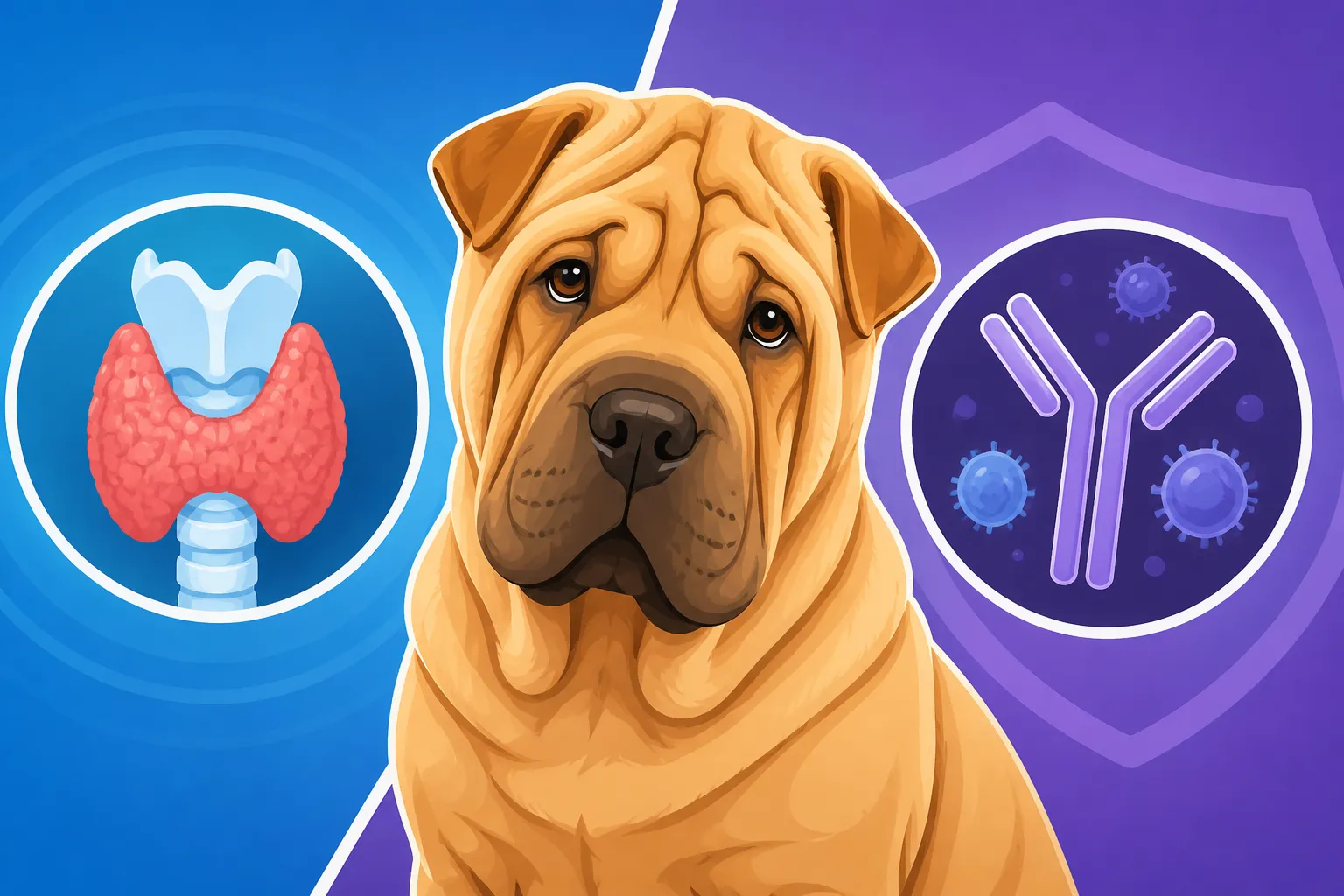
Hypothyroidism and IgA Deficiency in a Shar Pei
It's incredibly disheartening when your beloved Shar Pei starts to show signs of being unwell, especially when those symptoms are vague and could point to so many different issues. We pour our hearts into these wrinkly wonders, and the thought of them battling chronic health problems like hypothyroidism or IgA deficiency can feel overwhelming and isolating. This guide is here to walk you through understanding these specific challenges, offering insights, practical advice, and a sense of shared experience in navigating your Shar Pei's unique health journey.
Understanding Hypothyroidism in Shar Pei
Hypothyroidism, an underactive thyroid gland, is a condition that affects many breeds, and our Shar Pei are certainly not immune. It's often overlooked because its symptoms can creep up slowly and mimic other less serious ailments, making it a real head-scratcher for even the most attentive owners. When your dog's thyroid isn't producing enough hormones, it impacts their entire metabolic system, leading to a cascade of changes that can significantly diminish their quality of life.
What Hypothyroidism Means for Your Shar Pei
At its core, hypothyroidism means your Shar Pei's metabolism is running in slow motion. The thyroid gland, located in the neck, produces hormones (primarily T3 and T4) that regulate almost every bodily function, from how quickly they burn calories to the health of their skin and coat, and even their mood. When these hormones are insufficient, everything slows down. Imagine trying to run a race with half the energy you normally have; that's a bit like what your Shar Pei is experiencing internally. This metabolic slowdown can affect their energy levels, their ability to regulate body temperature, and even the functioning of their heart and other organs over time. It’s not just about being a little sluggish; it’s a systemic issue that needs careful attention. Owners often feel frustrated when their once-lively companion becomes listless, and it can be hard to pinpoint why.
Recognising the Subtle Signs of Low Thyroid
Catching hypothyroidism early in a Shar Pei can be tricky because the initial signs are often so subtle they're easily dismissed as just "getting older" or a phase. Many owners report a gradual change, not an overnight one. You might notice your Shar Pei seems tired all the time, even after a good night's rest, preferring to nap rather than play. They might start gaining weight despite no changes in their diet or exercise routine – a common and frustrating symptom, as we explore in whether a hypothyroid Shar Pei gains weight. Their beautiful, sometimes coarse, coat might become dry, brittle, or start thinning, especially on their flanks or tail. Sometimes, the skin itself becomes flaky, thickened, or develops what's often described as a "tragic" expression due to muscle changes around the face. They might also seem unusually cold, seeking out warm spots or shivering more often. Other, less obvious signs can include a slower heart rate, recurrent skin infections, or even changes in behavior like increased irritability or anxiety. These are not always clear-cut, which is why diligent observation is key.
Diagnosing Hypothyroidism Accurately
Getting an accurate diagnosis for hypothyroidism in Shar Pei involves more than just a quick blood test. It's a process, and frankly, it can be a bit frustrating because results aren't always straightforward. Your vet will likely start with a basic blood panel, looking at general health markers, but the key is a specific thyroid panel. This usually includes testing total T4 (thyroxine) and TSH (thyroid-stimulating hormone). A low T4 combined with a high TSH is a strong indicator of primary hypothyroidism. However, it's not always that simple. Other illnesses, certain medications (like steroids), or even stress can temporarily suppress thyroid hormone levels, leading to what's called "euthyroid sick syndrome." This means your Shar Pei might have normal thyroid function but tests low because of another underlying condition. This is where your vet's experience and a comprehensive approach come in. They might recommend additional tests, such as free T4 by equilibrium dialysis (fT4 ED), which is considered more accurate as it measures the unbound, active form of the hormone, or a thyroid autoantibody test to check for autoimmune thyroiditis, the most common cause of hypothyroidism in dogs. Don't be afraid to ask for a full workup; it’s crucial for getting a clear picture of what’s truly going on with your beloved companion.
Managing Your Shar Pei's Hypothyroidism
Once a diagnosis of hypothyroidism is confirmed, the good news is that it’s a very manageable condition. While it requires lifelong treatment, the improvements you'll see in your Shar Pei's health and happiness are usually profound and swift. It’s a relief to finally have an answer and a path forward after all the worry and uncertainty.
Treatment Options and Medications
The primary treatment for canine hypothyroidism is straightforward: hormone replacement therapy, typically in the form of a synthetic thyroid hormone called levothyroxine (L-thyroxine). This medication is usually given orally, once or twice a day, for the rest of your Shar Pei’s life. The dosage is highly individual and will be carefully determined by your veterinarian based on your dog's weight, the severity of their symptoms, and follow-up blood test results. It's not a one-size-fits-all approach. You'll likely start on a specific dose, and then your vet will want to recheck blood levels within a few weeks to a couple of months to ensure the medication is working effectively and the dosage is correct. This initial adjustment period is critical. It’s important to give the medication consistently, ideally at the same time each day, and to not skip doses, as this can lead to fluctuations in hormone levels and a return of symptoms. Brands like Nutramax's Thyro-Tabs are commonly prescribed and have a good track record.
Long-Term Monitoring and Adjustments
Treating hypothyroidism isn't just about the initial prescription; it's a marathon, not a sprint. Long-term monitoring is absolutely essential to ensure your Shar Pei remains stable and healthy. After the initial dosage is established, your vet will likely recommend regular blood tests – often every six to twelve months, or as needed if symptoms reappear or change. This is critical because your dog's metabolic needs can shift over time, and the dosage might need to be adjusted. Factors like age, weight changes, or the development of other health conditions can all influence how much levothyroxine your Shar Pei needs. It's also important to remember that certain medications, like phenobarbital for seizures or even some supplements, can interfere with thyroid hormone absorption or metabolism, so always keep your vet informed of any other treatments your dog is receiving. We discussed the importance of yearly checks in whether a Shar Pei's thyroid should be tested yearly, emphasizing that consistent monitoring is key to their well-being.
Lifestyle and Dietary Considerations
While medication is the cornerstone of treating hypothyroidism, supporting your Shar Pei's overall health with appropriate lifestyle and dietary choices can make a significant difference. For Shar Pei who have gained weight due to low thyroid function, a controlled diet and moderate exercise are crucial to help them shed those extra pounds. Obesity can exacerbate other breed-specific issues, so getting their weight in check is a huge win. Talk to your vet about a balanced diet that supports their needs, perhaps one lower in calories but rich in essential nutrients. Some commercial diets are specifically formulated for weight management. Additionally, a comfortable, warm environment can help a hypothyroid Shar Pei who struggles with temperature regulation. While no specific "thyroid diet" exists to cure the condition, ensuring a high-quality, balanced diet free from allergens that might cause other issues is always a good idea. Keep an eye on their skin and coat, too; once hormone levels normalize, you should see improvements, but continued regular grooming is important for all Shar Pei.
Delving into IgA Deficiency in Shar Pei
Beyond thyroid issues, another significant concern for Shar Pei owners is IgA deficiency. This isn't a widely recognized condition in all breeds, but it holds particular relevance for our wrinkly friends. It points to a more complex immune system challenge that can make life quite uncomfortable for affected dogs, leading to a frustrating cycle of infections.
What is Selective IgA Deficiency?
Selective IgA deficiency, sometimes part of a broader immune system dysfunction known as SPAID (Shar Pei Autoinflammatory Disease), means that your Shar Pei's body isn't producing enough Immunoglobulin A (IgA). IgA is a crucial antibody that acts as a frontline defender, primarily found in mucous membranes like those lining the respiratory tract, gastrointestinal tract, and urogenital tract, as well as in tears and saliva. Think of IgA as the "local police force" of the immune system, constantly patrolling and neutralizing threats right at the entry points of the body. When there isn't enough IgA, these surfaces become more vulnerable to bacteria, viruses, and fungi. This makes it harder for your Shar Pei to fight off common pathogens, leaving them open to recurrent infections that other dogs might shrug off easily. It’s a frustrating situation because your dog might appear perfectly healthy otherwise, but constantly battling these localized infections. This delves into what IgA deficiency means for a Shar Pei and its profound impact.
How IgA Deficiency Manifests in Shar Pei
The manifestations of IgA deficiency in Shar Pei are varied and often involve the very systems where IgA is meant to protect. Because IgA is crucial in mucous membranes, common signs often involve the skin, ears, and respiratory and gastrointestinal tracts. Owners might notice their Shar Pei suffers from chronic or recurrent ear infections, which, as we know, are already a major concern for the breed due to their unique ear canal structure. Similarly, skin infections, including pyoderma (bacterial skin infection) or yeast infections, especially in their deep skin folds, can become a persistent problem. Respiratory issues like recurring kennel cough or bronchitis are also common. Furthermore, gastrointestinal problems such as chronic diarrhea, inflammatory bowel disease, or persistent vomiting can indicate a compromised gut immune system. These are not isolated incidents but a recurring pattern that signals a deeper immunological vulnerability. Seeing your dog constantly struggling with these issues can be incredibly disheartening.
The Link Between IgA and Recurrent Infections
The direct link between low IgA levels and recurrent infections is straightforward but devastating for affected Shar Pei. Without adequate IgA patrolling the mucous membranes, opportunistic pathogens have a much easier time establishing themselves and causing disease. For example, in the ears, bacteria or yeast that would normally be kept in check by IgA can multiply rapidly, leading to painful and difficult-to-treat ear infections. In the gut, IgA helps to maintain a healthy balance of gut flora and prevents harmful bacteria from adhering to the intestinal lining. A deficiency can lead to dysbiosis (an imbalance of gut bacteria) and increased permeability of the gut lining, contributing to chronic digestive upset and potentially food sensitivities. The frequent need for antibiotics for these recurring infections can also create a vicious cycle, sometimes leading to antibiotic resistance and further disruption of the natural microbiome. This emphasizes whether a Shar Pei gets repeated infections from IgA deficiency, showing how pervasive the problem can be.
Living with IgA Deficiency
Living with a Shar Pei diagnosed with IgA deficiency requires patience, vigilance, and a proactive approach to their care. It’s about understanding their vulnerability and implementing strategies to minimize their exposure to pathogens and bolster their overall health.
Diagnostic Approaches for IgA Deficiency
Diagnosing IgA deficiency in a Shar Pei primarily involves blood tests to measure the levels of immunoglobulins, specifically IgA, IgG, and IgM. Your veterinarian will send a serum sample to a specialized veterinary laboratory that can quantify these immunoglobulin levels. While a low IgA level is indicative, it's essential to rule out other conditions that might cause secondary immune suppression. Sometimes, vets might also recommend biopsies of affected tissues (e.g., gut or skin) to look for a lack of IgA-producing plasma cells. It’s worth noting that IgA levels can fluctuate, and sometimes a single low reading might warrant a repeat test. The challenge is often that many vets aren’t specifically looking for IgA deficiency, so owners often need to be proactive in discussing this possibility, especially if their Shar Pei has a history of recurrent, unexplained infections. This ties into the broader discussion of what SPAID means for a Shar Pei, as IgA deficiency is often a component of this complex syndrome.
Managing and Preventing Infections
The cornerstone of managing IgA deficiency is meticulous infection prevention and aggressive, targeted treatment of any infections that do arise. This means being incredibly proactive about hygiene. For skin folds, regular cleaning with medicated wipes or solutions is paramount to prevent bacteria and yeast from taking hold. For ears, a consistent cleaning schedule with vet-prescribed ear cleaners is non-negotiable, and you might need to use preventative ear drops even when there isn't an active infection. Good environmental hygiene, including regular cleaning of bedding and living areas, can also reduce pathogen exposure. When an infection does occur, prompt veterinary attention is crucial. This often involves bacterial cultures and sensitivity testing to ensure the correct antibiotic is used, rather than just guessing. Long-term, you might work with your vet to develop a rotating schedule for topical treatments to keep skin and ear flora balanced. For gastrointestinal issues, a sensitive stomach diet, possibly a limited ingredient or hydrolyzed protein food, can help reduce irritation and support gut health.
Supportive Care and Immune Boosting Strategies
Beyond infection control, supportive care and strategies to bolster your Shar Pei’s overall immune system are vital. While you can't "cure" an IgA deficiency, you can help fortify their defenses. High-quality nutrition is paramount; a diet rich in essential fatty acids (like omega-3s from fish oil) and antioxidants can support skin barrier function and overall immune health. Probiotics and prebiotics can be beneficial for gut health, especially if your Shar Pei experiences chronic digestive issues or has been on repeated courses of antibiotics. Your vet might suggest specific supplements known to support immune function. Minimizing stress is also important, as stress can suppress the immune system. Providing a calm, consistent routine and adequate mental and physical enrichment can contribute to their well-being. Regular check-ups are more important than ever, and a good pet insurance plan from providers like Healthy Paws can be a lifesaver when dealing with the recurring vet visits and medication costs associated with chronic conditions like these.
The Interplay Between Hypothyroidism and IgA Deficiency
When a Shar Pei is grappling with one chronic condition, it's already a significant challenge. But sometimes, these conditions don't exist in isolation; they can influence each other, creating a complex web of symptoms and management strategies. Understanding this potential interplay is crucial for holistic care.
Can One Condition Influence the Other?
The relationship between hypothyroidism and IgA deficiency in Shar Pei isn't always a direct cause-and-effect, but there are definitely ways they can influence each other, potentially exacerbating symptoms or complicating diagnosis. Hypothyroidism, as we've discussed, slows down the entire metabolic system, including aspects of the immune response. A dog with an underactive thyroid might have a generally weakened immune system, making them even more susceptible to infections that an IgA-deficient dog already struggles with. This means that an IgA-deficient Shar Pei who also develops hypothyroidism might find their recurrent infections become more frequent, more severe, or harder to clear. The sluggish healing associated with low thyroid function could also mean that skin infections take longer to resolve. Conversely, chronic inflammation and stress from persistent infections due to IgA deficiency could potentially put a strain on the endocrine system, though this link is less direct. It's often a situation where one problem compounds the other, making your Shar Pei feel even worse.
Comprehensive Care for Dual Diagnosis
When your Shar Pei is diagnosed with both hypothyroidism and IgA deficiency, it requires a truly comprehensive and integrated approach to their care. Managing one condition effectively can positively impact the other. For instance, getting the thyroid levels regulated with medication will improve overall metabolism and immune function, which might, in turn, reduce the severity or frequency of infections caused by IgA deficiency. However, it's unlikely to eliminate the IgA-related issues entirely, as the underlying deficiency remains. This means a multi-pronged strategy. You’ll need to continue the daily levothyroxine for hypothyroidism while also being diligent about preventing and treating infections related to IgA deficiency. This could involve combining systemic thyroid medication with regular topical treatments for skin folds and ears, specific diets for gut health, and potentially immune-supportive supplements. Close communication with your vet is paramount, and they might even recommend consulting with a veterinary internal medicine specialist or a dermatologist to ensure all aspects of their complex health needs are addressed. Remember, managing their health is a journey, and consistent tracking of symptoms and treatments is a big part of it.
Proactive Health Management and Advocacy
Owning a Shar Pei is an incredibly rewarding experience, but it comes with a commitment to understanding and managing their unique health challenges. Being proactive, informed, and a strong advocate for your dog's needs is perhaps the most important role you play.
Partnering with Your Veterinarian
Your veterinarian is your most important ally in your Shar Pei's health journey. However, not all vets have extensive experience with the breed-specific nuances of Shar Pei health. It's crucial to find a vet who is either knowledgeable about Shar Pei or, at the very least, willing to learn and research alongside you. Don't be afraid to ask questions, bring research you've found, and discuss your concerns openly. A good vet will welcome your input and collaborate with you. For complex cases like dual diagnoses, your vet might recommend specialists – a veterinary dermatologist for skin and immune issues, or an internal medicine specialist for endocrine problems. These experts can offer advanced diagnostics and treatment plans tailored to your Shar Pei's specific needs. Building a trusting, communicative relationship with your veterinary team is foundational to successful long-term management. We've often discussed how a Shar Pei owner should travel to a specialist if needed, highlighting the value of expert care.
The Importance of a Detailed Health Log
When dealing with chronic conditions like hypothyroidism and IgA deficiency, keeping a detailed health log is invaluable. Your memory, no matter how good, simply can't capture all the subtle changes and patterns that emerge over time. This log should include dates of any symptoms (e.g., lethargy, itching, diarrhea, ear discharge), how severe they were, what you did to address them (e.g., cleaned ears, applied ointment), any medications given (dosage and time), and the results of vet visits or diagnostic tests. If your Shar Pei experiences fevers, a record of what temperature a feverish Shar Pei reaches is crucial. This comprehensive record allows you and your vet to track trends, identify triggers, assess the effectiveness of treatments, and make informed decisions about future care. It can be particularly helpful when discussing whether a Shar Pei owner should keep a fever log or for charting the frequency of infections related to IgA deficiency. When you have an insurance plan with a provider like Healthy Paws, having detailed records can also streamline claims processing.
Advocating for Your Shar Pei's Unique Needs
Being a Shar Pei owner means being their fiercest advocate. Because these dogs can present with such unique and sometimes complex health issues, you may encounter situations where a vet unfamiliar with the breed might not immediately recognize a problem or might suggest a standard protocol that isn't ideal for a Shar Pei. Educate yourself about common Shar Pei ailments, understand the genetic predispositions, and don't hesitate to seek second opinions if something doesn't feel right. Remember that you know your dog best. If your gut tells you something is off, push for further investigation. This advocacy extends to understanding their comfort levels, managing their environment to prevent issues (like keeping them cool to avoid overheating, which can trigger other stress responses), and ensuring they receive consistent, loving care. Your dedication to their well-being truly makes all the difference in helping your unique and wonderful Shar Pei live their happiest, healthiest life. Looking into their potential costs is important, as whether a Shar Pei is an expensive breed to own directly relates to these ongoing care needs.
Disclaimer
This article is for general informational purposes only and does not constitute professional advice. Laws, prices and regulations vary by location and change over time. Consult a qualified professional for guidance on your specific situation.


