Whether a Shar Pei Puppy’s Eye Tacking Hurts
It’s absolutely heartbreaking to see your tiny Shar Pei puppy struggling with their eyes, and the thought of them being in pain, especially from a procedure meant to help them, is something no loving owner wants to face. Many new Shar Pei parents find themselves agonizing over whether eye tacking will hurt their precious little one, worried sick about discomfort and stress. This guide is here to walk you through exactly what eye tacking involves, how veterinarians ensure your puppy's comfort, and what you can do to manage any post-procedure soreness, putting your mind at ease.
Understanding Entropion in Shar Pei Puppies
Before we even get to the procedure itself, it's crucial to understand why a Shar Pei puppy might need eye tacking in the first place. This isn't just a cosmetic fix; it's a vital intervention for a serious health issue called entropion, which is unfortunately all too common in our wrinkly friends.
Why Entropion Is a Serious Concern
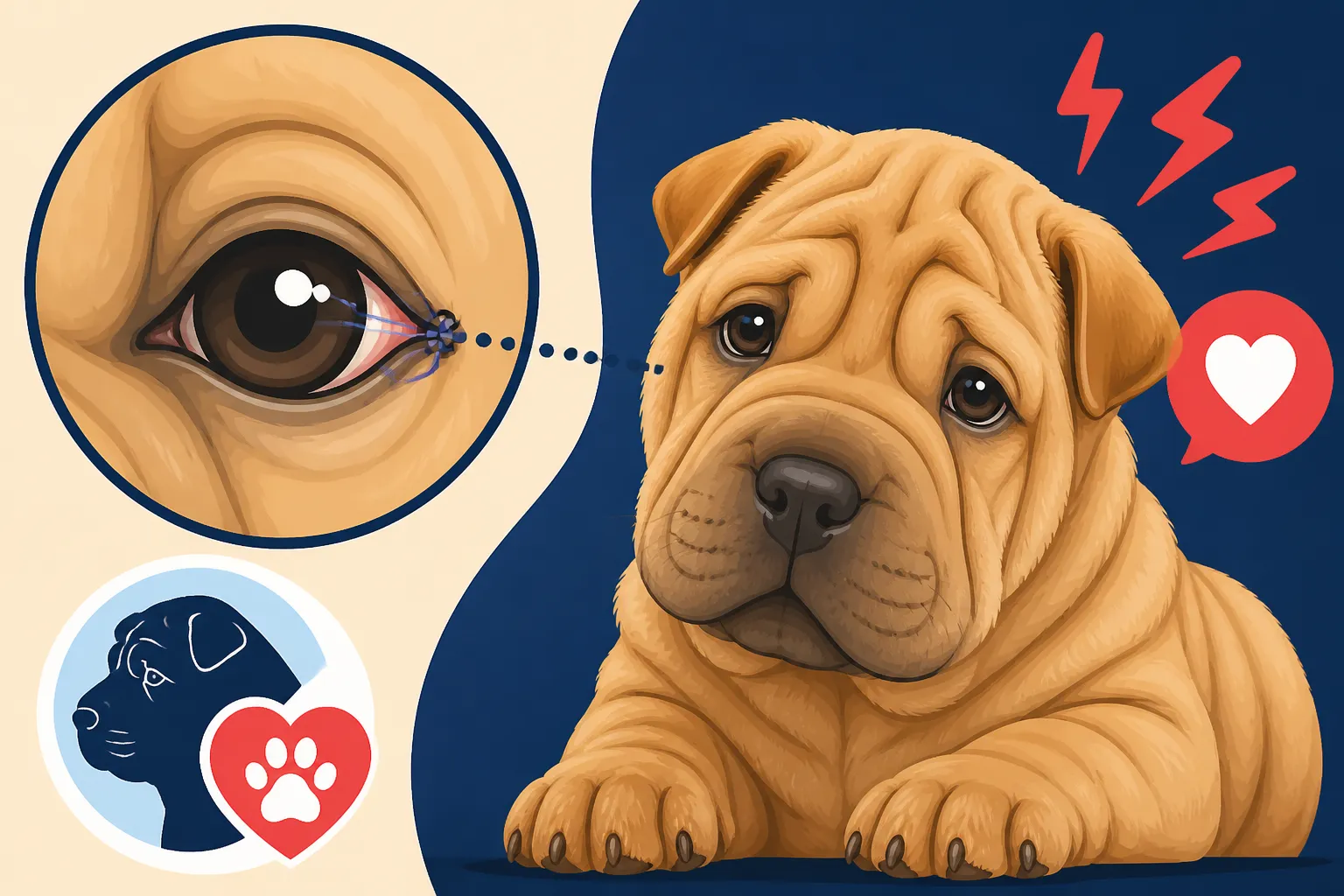
Entropion in a Shar Pei puppy means that their eyelid, usually the lower one, rolls inward. Because Shar Pei are known for their magnificent wrinkles, sometimes that extra skin and muscle around the eyes can cause the lid margin and the eyelashes to rub directly against the delicate surface of the cornea. Think about having a stray eyelash in your eye, but magnified a hundred times, and constantly. It's incredibly irritating and painful for the puppy.
Without intervention, this constant rubbing can lead to severe complications. It causes chronic irritation, excessive tearing, and squinting. More seriously, it can result in corneal ulcers, which are open sores on the eye's surface. These ulcers are not only excruciatingly painful but can also become infected, leading to permanent scarring or even blindness if left untreated. This is why Entropion in a Shar Pei Puppy Is an Emergency, Not a Cosmetic Issue. You might notice Signs a Shar Pei Puppy Cannot Open Its Eyes or excessive discharge, which are clear indicators something is wrong and warrants immediate veterinary attention.
When Eye Tacking Becomes Necessary
Typically, Shar Pei puppies show signs of entropion early in life, often between two and eight weeks of age. This is The Age a Shar Pei Puppy Shows Entropion. It’s often during those first few weeks that you’ll notice them squinting, holding an eye partially or fully closed, or having watery eyes. Breeders who prioritize health often monitor their puppies closely for these signs, as early intervention can prevent much suffering.
Eye tacking is usually a temporary solution, designed to provide relief while the puppy grows and their facial structure matures. As a puppy grows, their skull and facial muscles develop, and sometimes the entropion resolves on its own. Tacking simply holds the eyelid in a more outward position, preventing the eyelashes from scratching the cornea. It’s a bridge to either natural resolution or, if necessary, permanent eyelid surgery later in life once the dog is fully grown and its facial structure is stable.
The Eye Tacking Procedure: What to Expect
The idea of your puppy undergoing any procedure can be anxiety-inducing, and naturally, you want to know everything about it, especially if there will be pain involved. Rest assured, veterinary professionals prioritize pain management and comfort during eye tacking.
Minimizing Discomfort During the Procedure
The good news is that eye tacking itself is typically not a painful procedure because your puppy will be under proper sedation and local anesthesia. When you ask, "Whether a Shar Pei Puppy Needs Anesthesia for Tacking," the answer is almost always yes, at least in the form of heavy sedation combined with local anesthetic. This ensures your puppy is relaxed, still, and doesn't feel what's happening. The local anesthetic numbs the area around the eye where the sutures will be placed, so even if they were to stir a little, they wouldn't experience sharp pain.
A vet will typically administer a mild sedative to help your puppy relax and stay calm. This reduces stress for the puppy and allows the veterinarian to work safely and precisely. Then, a local anesthetic is injected around the eyelid, completely numbing the area. This means that during the actual placement of the sutures, your puppy will not feel pain. The procedure itself is quite quick and involves carefully placing a few temporary sutures in the skin of the eyelid to gently roll the lid outward. What Eye Tacking Involves for a Shar Pei is relatively straightforward, but requires a skilled hand due to the delicate nature of the eye and the puppy's small size.
The Role of Sutures in Preventing Pain
The sutures used for tacking are typically made of a non-absorbable material, meaning they will need to be removed later. They are strategically placed to pull the eyelid slightly away from the eye, ensuring the eyelashes no longer rub against the cornea. These sutures are thin and designed to be minimally invasive. They simply provide tension to correct the eyelid's position.
Think of it like a temporary "lift" for the eyelid. The immediate relief for the puppy is immense because that constant, irritating scratching is gone. While the presence of the sutures themselves might feel a bit odd or itchy to the puppy, it's a far cry from the sharp, continuous pain of entropion. Veterinary staff will often apply an ophthalmic ointment or drops to the eye after the procedure to lubricate and protect the cornea, further enhancing comfort. Throughout this process, your vet will discuss any potential costs, and having pet insurance like Healthy Paws can certainly help manage these unexpected expenses that often arise with Shar Pei puppies.
Pain Management and Recovery
Once the procedure is done, your puppy will wake up from the sedation. This is often when owners start to worry about pain, and it’s a valid concern. The good news is that post-operative pain is very manageable with the right care.
Immediately After the Procedure
As the sedation wears off, your puppy might feel a little disoriented or groggy, but actual pain from the tacking site is usually mild. Your veterinarian will typically prescribe pain medication, often an anti-inflammatory, to be given for a few days after the procedure. This is crucial for keeping your puppy comfortable and reducing any swelling around the eye. Follow these instructions religiously. Administering the medication on schedule prevents pain from escalating and helps your puppy recover smoothly.
It’s not uncommon for puppies to rub at their eyes or face, especially as the local anesthetic wears off and they feel something new. To prevent them from dislodging the sutures or causing injury, your vet will likely send your puppy home with an Elizabethan collar, or "cone of shame." While puppies universally despise these, they are absolutely essential for protecting the eyes and allowing the sutures to do their job without interference. Keep it on, even if they look pitiful! This vigilance is part of Caring for a Shar Pei Past Seven as well, where similar care might be needed for other age-related issues.
The Recovery Period and Suture Removal
The sutures typically stay in for a period of two to three weeks, or sometimes longer, depending on your vet’s assessment of how the puppy's eyes are developing. This helps the eyelids "learn" to stay in the correct position. How Long Eye Tacking Sutures Stay In a Shar Pei can vary, so it's vital to follow your vet's specific timeline. During this time, you’ll need to monitor the eyes for any signs of infection (redness, increased discharge, swelling) and keep the area clean as instructed by your vet. You might also need to continue applying any prescribed eye drops or ointments.
When it's time for suture removal, it’s generally a quick and relatively painless process. Usually, the vet can simply snip and remove the sutures without needing additional sedation, especially if your puppy is cooperative. At this point, the aim is to see if the entropion has resolved. If not, don’t despair; sometimes, a repeat tacking might be needed, or further discussion about permanent surgical options once the puppy is older. Knowing this upfront can help you plan, and having pet insurance like Healthy Paws can make those follow-up appointments less stressful financially.
Here’s a quick overview of pain management and expected comfort levels during the tacking process:
| Phase of Procedure | Pain Level (Puppy Experience) | Pain Management Methods | Owner Action |
|---|---|---|---|
| Pre-Procedure | High (from entropion) | Initial examination, topical numbing agents if tolerated | Seek immediate vet care, follow pre-op instructions |
| During Procedure | None | Sedation, local anesthetic injection | Entrust to vet, provide full medical history |
| Immediately Post-Op | Mild to Moderate (discomfort) | Oral pain medication (anti-inflammatories), Elizabethan collar | Administer medication strictly, ensure cone is worn |
| Active Recovery (Days 1-7) | Mild (decreasing) | Oral pain medication, eye drops/ointments, careful monitoring | Monitor for complications, prevent rubbing, keep clean |
| Later Recovery (Weeks 2-3) | Minimal (itching/awareness) | Continued monitoring, occasional topical treatment | Prepare for suture removal, assess eye progress |
| Suture Removal | Minimal to None | Quick removal by vet, often no additional medication needed | Ensure puppy is calm, follow post-removal instructions |
Long-Term Comfort and Prevention
While eye tacking provides immediate relief and allows your puppy a chance to grow out of entropion, it's important to think about the long-term picture for your Shar Pei's eye health.
When Permanent Surgery Might Be Needed
For some Shar Pei puppies, entropion unfortunately doesn't resolve with growth and temporary tacking. In these cases, once the dog is fully mature—usually around 6-12 months of age—permanent eyelid surgery might be considered. This procedure, known as blepharoplasty, involves surgically removing a small wedge of skin from the eyelid to permanently roll it outward. This is a more definitive solution but is only performed once the facial structure is no longer changing. You can learn more about When a Shar Pei Needs Permanent Eyelid Surgery as your puppy grows.
The decision for permanent surgery is made after careful evaluation by your vet, sometimes in consultation with a veterinary ophthalmologist. While it sounds more daunting, it is also performed under general anesthesia, with meticulous post-operative pain management to ensure your Shar Pei's comfort. Recovering from this surgery is similar to tacking, involving cones and medication, but with a longer healing period. This is another area where a comprehensive pet insurance plan from providers like Healthy Paws can be incredibly beneficial, as surgical costs can be substantial.
Choosing Responsible Breeders and Ongoing Care
While tacking and potential surgeries address the symptoms, it’s worth a moment to consider the root cause. The excessive wrinkles that make Shar Pei so unique are also linked to their health challenges, including entropion. What Entropion Does to a Shar Pei Puppy's Eye is a direct consequence of these breed-specific traits.
Responsible breeders are actively working to breed Shar Pei with healthier facial structures, aiming for fewer exaggerated wrinkles around the eyes while still preserving the breed's distinct look. When looking for a puppy, choosing a reputable breeder who screens for health issues and offers health guarantees can make a significant difference in your Shar Pei's long-term well-being and reduce the likelihood of needing multiple medical interventions. Ask breeders about their history with entropion in their lines, and whether they tack puppies before they go to new homes. Knowing What a Shar Pei Puppy Costs and Which Breeders to Avoid can help you make an informed decision that prioritizes health.
Even with the best breeding, ongoing eye care is important for Shar Pei. Regularly checking your dog's eyes for redness, discharge, or squinting, and promptly addressing any concerns with your veterinarian, can prevent small issues from becoming big problems. For some Shar Pei, having Whether Eye Tacking Has to Be Repeated is a reality, as their growth pattern might require another temporary fix. It’s a commitment, but one that ensures your beloved wrinkled companion lives a comfortable, pain-free life.
Disclaimer
The information provided in this article is for general informational purposes only and is not a substitute for professional veterinary advice. Always consult with a qualified veterinarian for any health concerns or before making any decisions related to your pet's health or treatment.


