Whether a Puffy Shar Pei Puppy Has Mucinosis
It’s a common sight: that adorable, marshmallow-soft Shar Pei puppy waddling around, a bundle of loose skin and rolls. Owners often find themselves wondering, "Is this just normal puppy puffiness, or could something more serious be going on, like mucinosis?" The worry is real, as many Shar Pei health issues can mimic benign characteristics of the breed. This guide is here to unravel the mystery, helping you understand the difference between a perfectly healthy, albeit wrinkly, puppy and one that might be showing early signs of a specific skin condition.
Understanding Mucinosis: The Genetic Link and Appearance
When you look at a Shar Pei, their most defining characteristic is undoubtedly their wrinkles and loose skin. This distinctive look, however, is a double-edged sword, stemming from a genetic mutation that also predisposes them to certain health conditions. Understanding mucinosis starts with understanding this genetic background.
What is Cutaneous Mucinosis?
Cutaneous mucinosis is a skin condition unique to the Shar Pei breed, directly linked to the very genes responsible for their cherished wrinkles. At its core, it’s about an overproduction and accumulation of a substance called mucin (specifically hyaluronic acid) in the skin. This isn't just a cosmetic issue; it's a biochemical imbalance. You see, normal Shar Pei wrinkles are caused by an excess of hyaluronic acid in the dermal layer of the skin. This isn't usually problematic on its own, but some dogs produce an exaggerated amount, leading to mucinosis. This fascinating link means that the gene responsible for the breed's signature look – the one that gave the Shar Pei its wrinkles – also contributes to conditions like Shar Pei fever and mucinosis.
Unlike a simple rash, mucinosis presents as clear, fluid-filled blisters (called vesicles) or a general thickening and gelatinous texture of the skin. It’s a direct consequence of the same genetic machinery that drives their wrinkly appearance. For an even deeper dive into this fascinating connection, you might want to read our article on Why Hyaluronic Acid Makes a Shar Pei Wrinkle. When a puppy develops mucinosis, it's not just a bit of extra fat or baby fluff; it's literally an excess of this gel-like substance under their skin.
The Appearance of Mucinosis vs. Normal Puppy Wrinkles
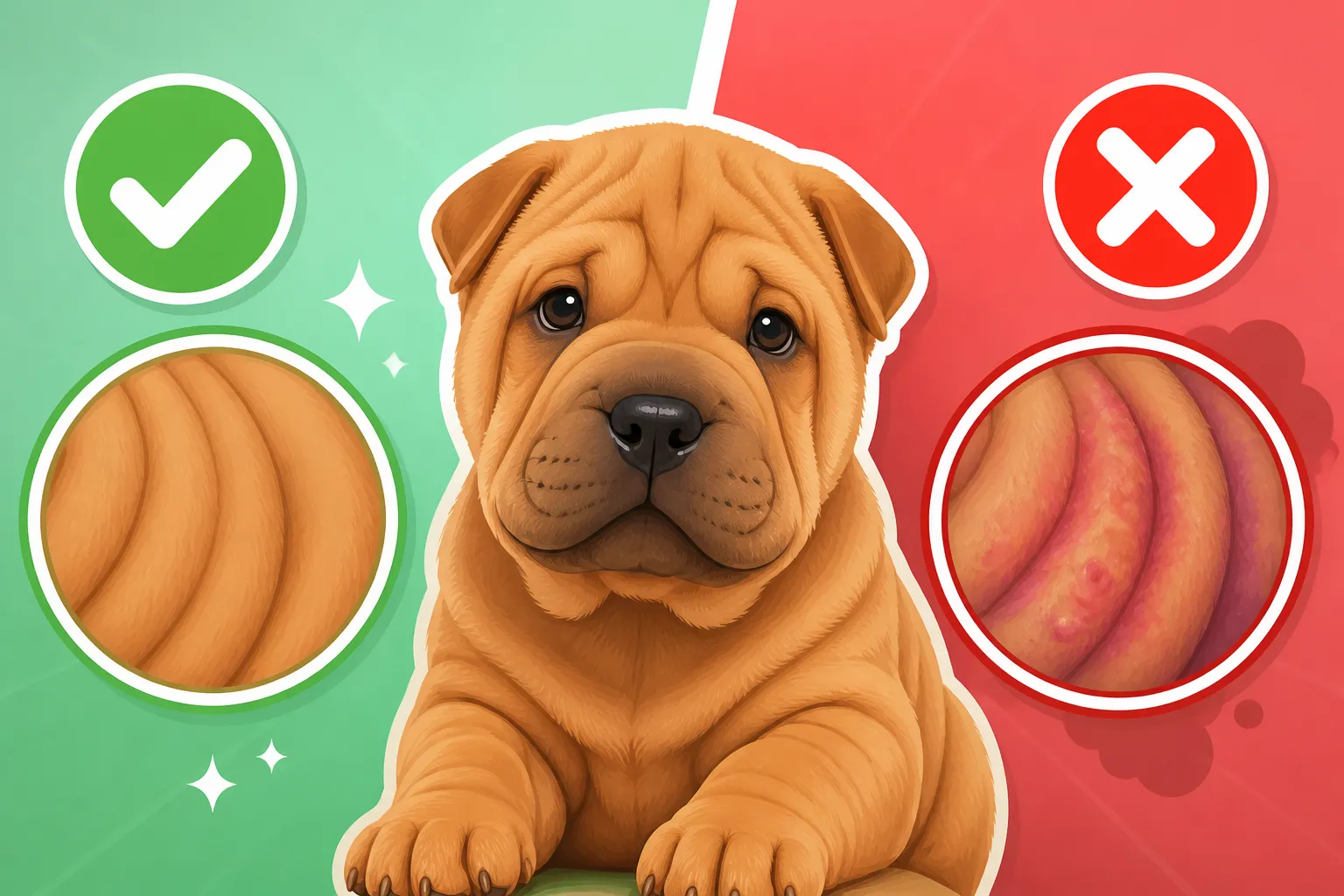
Distinguishing between a normally puffy Shar Pei puppy and one with mucinosis can be tricky, especially for first-time owners. A healthy Shar Pei puppy, particularly a "meat mouth" type, will naturally have a generous amount of loose skin and wrinkles. This puppy puffiness is often soft and pliable, allowing you to gently gather and release the skin without much resistance. Their skin might feel a bit thick, but it’s uniform and smooth, with visible wrinkles mostly concentrated around the head, neck, and sometimes the shoulders. They are growing so fast, and their skin is still catching up, which contributes to that adorable, oversized look. To get a sense of typical development, consider how a Shar Pei puppy should grow.
In contrast, mucinosis often presents with a different texture and pattern. Instead of uniformly loose skin, you might notice specific areas with a thicker, doughy, or almost gelatinous feel. The most tell-tale sign of mucinosis are the small, clear to yellowish fluid-filled blisters, known as mucin vesicles. These often appear on the neck, chest, hocks (the dog's ankles), or in the armpits. If you gently press on the skin over these areas, it might feel squishy or even like pressing on a water balloon, rather than just soft tissue. The skin itself can appear shiny or translucent in affected areas, and the folds might seem more pronounced and "inflated" than usual. It’s this specific, often blister-like manifestation, that differentiates true mucinosis from the endearing, normal puffiness of a growing Shar Pei.
Distinguishing Normal Puffiness from Mucinosis Symptoms
Navigating the nuances of Shar Pei skin can be a challenge. While a certain degree of "puffy" is normal for these pups, recognizing the specific signs that point to mucinosis requires a keen eye and understanding of what to look for beyond general wrinkliness.
Physical Manifestations of Mucinosis
When cutaneous mucinosis is present, the signs are generally quite specific. The most common physical manifestation you'll observe are those distinctive mucin vesicles. Imagine tiny, clear to slightly yellowish bubbles or blisters just under the skin. These aren't like pimples; they usually don't have a red base unless they've become irritated or infected. They are essentially pockets of excess mucin. You'll most frequently find these vesicles forming in areas of naturally loose skin, such as along the neck, under the chin, across the chest, around the hocks, or in the folds of the armpits. Sometimes, the skin in these areas might also take on an overall thickened, almost gelatinous or doughy texture, which feels distinctively different from healthy, albeit loose, skin.
In some cases, the skin can even appear somewhat translucent or unusually shiny where the mucin has accumulated heavily. While mucinosis itself doesn't always cause discomfort, if these vesicles rupture (which can happen from scratching, rubbing, or even just pressure), they can become open sores. These open areas are then prone to secondary bacterial or yeast infections, leading to itching, redness, inflammation, and discomfort for your puppy. This is often when owners first notice something is truly amiss beyond normal puppy rolls. It’s important to understand what cutaneous mucinosis is so you can recognize these specific signs rather than dismissing them as just more wrinkles.
Behavioral and General Health Indicators
A tricky aspect of mucinosis is that, in its mildest forms, it might not cause any direct pain or discomfort. A puppy with mild mucinosis might still be playful, have a good appetite, and exhibit normal energy levels. This can make it even harder for owners to realize that the puffiness they are observing is more than just typical puppy rolls. However, if the mucinosis is severe, or if it leads to secondary complications like infection, your puppy's behavior can certainly change.
You might notice increased scratching or rubbing at affected areas, which indicates irritation. If vesicles rupture and become infected, your puppy could show signs of pain, lethargy, a decreased appetite, or reluctance to move certain parts of their body. For instance, if the hocks are severely affected, they might walk stiffly. Any sudden changes in your puppy's demeanor, energy, or eating habits should always prompt a call to your veterinarian, whether you suspect mucinosis or another issue. While mucinosis itself doesn't typically cause a fever, if a secondary infection takes hold, you might see an elevated temperature alongside other signs of illness. Keeping a close watch on both their physical appearance and their overall well-being is crucial for early detection of any health concerns.
Seeking a Diagnosis and Navigating Treatment Options
If you suspect your Shar Pei puppy might have mucinosis, or if you're just unsure about their level of "puffy," the best course of action is always to consult with your veterinarian. They have the expertise to properly evaluate your dog's skin and guide you through the next steps.
When to Seek Veterinary Advice
Don't hesitate to contact your vet if you notice anything unusual about your Shar Pei puppy's skin. This includes:
- Persistent or exaggerated puffiness: If the "rolls" seem unusually thick, firm, or gelatinous to the touch, especially in areas beyond the typical head and neck wrinkles.
- Clear or yellowish blisters (vesicles): These are a strong indicator of mucinosis and should prompt immediate veterinary attention.
- Redness, itching, or inflammation: These signs suggest irritation or a secondary infection, which require treatment regardless of the underlying cause.
- Changes in skin texture: If the skin appears abnormally shiny, translucent, or unusually thick in localized areas.
- General signs of discomfort: Any scratching, rubbing, lethargy, or loss of appetite associated with the skin changes.
Your vet will perform a thorough physical examination, paying close attention to the skin. Often, the diagnosis of mucinosis can be made based on clinical signs alone, especially if the characteristic vesicles are present. However, to confirm the diagnosis and rule out other conditions, your vet might recommend additional tests. These could include a fine needle aspirate (FNA) of a vesicle to examine the fluid, or a skin biopsy. A skin biopsy involves taking a small tissue sample under local anesthesia and sending it to a lab for histopathological examination, which can definitively identify the presence of excess mucin in the skin layers. This is a crucial step to ensure an accurate diagnosis and appropriate management plan. Getting an early diagnosis is vital, and a good pet insurance plan like Healthy Paws can help manage the costs associated with these diagnostic tests and subsequent treatments.
Treatment and Long-Term Outlook
The good news is that not all cases of mucinosis require aggressive treatment, and for many, it's a manageable condition. For mild mucinosis, particularly if there are no ruptured vesicles or secondary infections, your vet might recommend a "wait and see" approach, as some puppies can outgrow the most severe puffiness as their skin matures. However, regular monitoring is essential.
When treatment is necessary, the primary goal is to reduce the amount of mucin accumulating in the skin. The most common treatment involves corticosteroids, such as prednisone, which help decrease hyaluronic acid production. These medications can be given systemically (orally) or, in some localized cases, topically. The dosage and duration of treatment will depend on the severity of the condition and your puppy's response. It's crucial to follow your vet's instructions precisely, as corticosteroids can have side effects if not managed properly. If secondary bacterial or yeast infections are present, antibiotics or antifungal medications will also be prescribed.
Diet typically doesn't directly cause mucinosis, but some vets may recommend hypoallergenic or limited ingredient diets to reduce overall inflammation in the body and minimize potential skin irritation from other sources. Maintaining good skin hygiene, including regular, gentle bathing with appropriate shampoos, is also important to prevent secondary infections, especially in skin folds. Our article, Whether Mucinosis in a Shar Pei Needs Treatment, offers more detailed information on treatment protocols. For chronic or recurrent cases, a referral to a veterinary dermatologist might be recommended for specialized care. The prognosis for Shar Pei with mucinosis is generally good with proper management, allowing them to lead comfortable, happy lives. Investing in a robust pet insurance policy, like one from Healthy Paws, can provide peace of mind by covering a significant portion of these ongoing veterinary expenses, making consistent care more accessible.
| Feature | Normal Shar Pei Puppy Puffiness | Cutaneous Mucinosis (Puffy Type) |
|---|---|---|
| Appearance | Soft, pliable, uniform skin folds. | Thickened, doughy, or gelatinous skin; often with clear to yellowish vesicles (blisters). |
| Texture | Soft, yielding, easily moved. | Squishy, sometimes firm, like pressing a water balloon. |
| Location | Generalized, esp. head, neck, body. | Specific areas: neck, chest, hocks, armpits, often localized vesicles. |
| Skin Color | Normal for breed. | Can appear shiny, translucent, or sometimes inflamed if infected. |
| Discomfort | None. | Usually none unless vesicles rupture and become infected, causing itching or pain. |
| Associated Signs | Healthy, playful, normal appetite. | May have secondary infections, lethargy, scratching if uncomfortable. |
Responsible Breeding and Ongoing Care for Your Shar Pei's Skin
Understanding mucinosis also brings into focus the importance of responsible breeding practices and the diligent daily care required for this unique breed's skin.
Breeder Responsibility and Genetic Testing
The genetic predisposition to mucinosis is a critical factor that responsible Shar Pei breeders consider. Since the condition is linked to the same gene duplication that causes the breed's characteristic wrinkles, breeders strive to produce dogs that meet the breed standard without exhibiting extreme over-wrinkling or clinical signs of mucinosis. While there isn't a single, direct genetic test specifically for mucinosis in the way there is for certain other conditions, breeders can assess the "copy number variant" (CNV) of the HAS2 gene, which is associated with wrinkle severity and the risk of developing conditions like Shar Pei fever. A higher copy number is linked to more wrinkles and a higher risk of these related health issues. Therefore, reputable breeders often select breeding stock that doesn't have an excessively high copy number, aiming for a healthier, moderately wrinkled dog.
They also carefully evaluate the health history of their breeding lines, looking for any incidence of mucinosis or other skin conditions. A good breeder will be transparent about the health of their puppies' parents and will actively work to improve the health of the breed. They will also educate prospective owners about potential health concerns. You might find it interesting to learn about How Copy Number Changes a Shar Pei's Risk in more detail. Choosing a puppy from a breeder who prioritizes health and temperaments over extreme features can significantly reduce the likelihood of encountering severe mucinosis or other genetic health issues. For more insights on selecting a healthy puppy, consider reading What a Shar Pei Puppy Costs and Which Breeders to Avoid. Ultimately, the goal is to breed for a Shar Pei that is both true to type and structurally sound, with manageable skin. This often means aiming for a dog that is a less wrinkled Shar Pei, which is generally considered healthier overall.
General Skin Care and Monitoring
Living with a Shar Pei means committing to proactive and consistent skin care, whether they have mucinosis or not. Their unique skin, with its numerous folds and relatively thick texture, makes them particularly prone to various dermatological issues. Regular inspection is your first line of defense. Get into the habit of gently parting the fur and examining all their skin folds – especially around the face, neck, and under the tail – for any signs of redness, moisture, odor, or the tell-tale mucin vesicles. Remember, every fold on a Shar Pei is a place something grows, so vigilance is key.
Appropriate bathing with a veterinarian-recommended shampoo is crucial. The frequency will depend on your individual dog's needs and activity level, but generally, a bath every few weeks to once a month is a good starting point. Always ensure you thoroughly rinse all shampoo and, most importantly, completely dry your Shar Pei, paying extra attention to drying deep within their skin folds. Dampness is a breeding ground for bacteria and yeast, which can quickly lead to painful infections. If your Shar Pei has existing mucinosis, your vet might recommend specific medicated shampoos or topical treatments. Beyond bathing, a healthy, balanced diet can contribute to overall skin health. Omega-3 fatty acid supplements, like fish oil, can also be beneficial in reducing inflammation and promoting a healthy skin barrier. Regular vet check-ups are also vital, as your vet can catch subtle changes you might miss and provide guidance on the best skin care regimen for your individual Shar Pei. This consistent care helps to manage potential issues and contributes to your Shar Pei's overall well-being, acknowledging that Skin Is the Shar Pei's Largest Problem by Surface Area.
Disclaimer
The information provided in this article is for educational purposes only and is not intended to be a substitute for professional veterinary advice, diagnosis, or treatment. Always seek the advice of your veterinarian or other qualified health provider with any questions you may have regarding a medical condition. Never disregard professional veterinary advice or delay in seeking it because of something you have read in this article.


