What a Shar Pei’s First Year Costs
Bringing a Shar Pei puppy into your home is an incredibly exciting time, full of adorable wrinkles and puppy breath, but many new owners quickly find themselves overwhelmed by the financial realities that extend far beyond the initial purchase price. The truth is, the first year with a Shar Pei can be surprisingly expensive, laying the groundwork for a lifetime of care that this unique breed demands. This guide will walk you through the various costs you can realistically expect during your Shar Pei's crucial first year, helping you budget wisely and provide the best start for your wrinkly companion.
The Upfront Investment: Getting Your Shar Pei Puppy
The journey begins with the initial cost of acquiring your puppy, which can fluctuate wildly depending on where you source your new family member. It’s not just about the price tag; it's about the health and temperament foundation you’re investing in.
Purchase Price and Breeder Expectations
When you first start looking for a Shar Pei puppy, you'll see a range of prices that might make your head spin. A well-bred Shar Pei from a reputable breeder, one who prioritizes health testing, genetic screening, and proper socialization for their puppies, will naturally come with a higher price tag. This isn't just a premium for the breed; it's an investment in a puppy that has the best possible start, reducing the likelihood of expensive health issues down the line. Reputable breeders often provide initial veterinary checks, first vaccinations, deworming, and a health guarantee, giving you peace of mind. They’re transparent about their breeding lines and the health history of the parents, aiming to produce healthy, well-adjusted puppies. You can often ask them directly What a Shar Pei Puppy Costs From a Health Testing Breeder.
On the other hand, puppies from backyard breeders or pet stores might seem more affordable upfront. However, these puppies often come from parents who haven't undergone necessary health screenings, meaning they could carry genetic predispositions to common Shar Pei ailments. This "saving" in the beginning can quickly turn into astronomical vet bills as your puppy grows, making the seemingly cheaper option far more costly in the long run. It's truly a case of "you get what you pay for" when it comes to the foundation of your dog's health.
Initial Supplies and Setup Costs
Once you’ve found your perfect wrinkly companion, the next wave of costs hits: setting up their new home. You'll need a starter kit of essentials to ensure your puppy is safe, comfortable, and begins to learn good habits. This includes a crate – a vital tool for house-training and creating a safe den for your pup. Choose one that's appropriately sized for your Shar Pei's adult stature, with a divider to adjust for puppy growth. Comfortable bedding, food and water bowls (stainless steel is often recommended for hygiene and durability), a leash and collar, and a variety of durable toys are also absolute must-haves.
These initial supplies can add up quickly. A good quality crate alone can be a significant expense, and you'll want to invest in sturdy toys that can stand up to a Shar Pei's chewing power. Consider items like puzzle toys for mental stimulation, which are fantastic for independent breeds like the Shar Pei. You'll also need a supply of high-quality puppy food, as their nutritional needs are different from adult dogs. Many new owners find themselves making frequent trips to pet supply stores or browsing online retailers like Chewy to stock up on all these necessities, often underestimating the cumulative cost until they see the receipt.
First Vet Visits and Vaccinations
The first year of a Shar Pei's life involves a series of crucial veterinary visits to ensure they are protected against common diseases and growing properly. Puppies typically need a series of vaccinations over several weeks to build their immunity, usually starting around 6-8 weeks of age and continuing until about 16 weeks. This initial vaccination series protects against distemper, parvovirus, adenovirus, and parainfluenza, often combined into a single shot. Your vet will also advise on rabies vaccination, which is typically given around 12-16 weeks. These visits will also include deworming treatments to eliminate common internal parasites that puppies are susceptible to.
Beyond vaccinations and deworming, your vet will conduct thorough physical examinations at each visit to monitor your puppy's growth, check for any congenital issues, and ensure they are developing normally. Microchipping is another common early cost, providing a permanent form of identification should your Shar Pei ever get lost. Lastly, many breeders and rescues require a spay or neuter agreement, and while the surgery itself might happen later in the first year or early in the second, some will collect a deposit upfront. The cost of What a Shar Pei's Puppy Vaccinations Cost and initial health checks can be a few hundred dollars, depending on your vet’s pricing and your location, but it's an absolutely non-negotiable expense for your puppy's health and safety.
Essential Healthcare: The Shar Pei's Unique Needs
Shar Peis, with their distinctive features, come with a particular set of health considerations that owners must be prepared for, especially in the first year. Understanding these breed-specific needs upfront can save you significant stress and expense.
Proactive Eye Care
One of the most common and often urgent issues in Shar Pei puppies is entropion. This condition causes the eyelids to roll inward, leading the eyelashes and hair to rub against the delicate surface of the eye. It's not just uncomfortable; it can cause corneal ulcers, pain, and even permanent blindness if left untreated. Many Shar Pei puppies exhibit signs of entropion early on, sometimes even before they leave the breeder. Intervention often involves a procedure called "eye tacking," where sutures are temporarily placed to roll the eyelids back into a normal position. This might need to be repeated as the puppy grows, and it's something you should budget for. What Eye Tacking Costs on a Shar Pei Puppy can vary, but it's a critical, often immediate expense.
If temporary tacking doesn't resolve the issue as the puppy matures, or if the entropion is severe, your Shar Pei might require permanent surgical correction. This surgery, performed by a veterinary ophthalmologist, reshapes the eyelid to prevent it from rolling inward. It's a more involved procedure and, understandably, comes with a higher price tag than tacking. The costs for What Permanent Entropion Surgery Costs on a Shar Pei can be substantial, often ranging into the thousands, making it one of the most significant potential first-year veterinary expenses for many Shar Pei owners. Early detection and treatment are paramount to protect your puppy’s vision and comfort.
Managing Skin and Ear Health
The very wrinkles that make Shar Peis so endearing are also magnets for skin issues. Skin fold dermatitis is common, particularly in deep folds around the face, neck, and tail. These warm, moist environments are perfect breeding grounds for bacteria and yeast, leading to redness, itching, odor, and infection. Regular cleaning and preventative care are essential, but even with the best efforts, infections can flare up, requiring medicated shampoos, topical treatments, or even oral antibiotics from your vet. This means ongoing costs for specialized products and potential vet visits.
Similarly, Shar Peis are notoriously prone to ear infections. Their ear canals are exceptionally narrow, making them difficult to clean and prone to trapping moisture and debris. This anatomy creates an ideal environment for yeast and bacteria to thrive, leading to frequent and often chronic ear infections. You’ll need specific ear cleaning solutions and might face repeated vet visits, ear cultures, and prescription ear drops. For many Shar Pei owners, ear care truly feels like Ear Infections Are a Subscription With a Shar Pei. Companies like Chewy offer a wide range of medicated shampoos and ear cleaners designed for sensitive skin, but always consult your vet before introducing new products, especially if an infection is present.
Preparing for Familial Shar Pei Fever (FSF)
Familial Shar Pei Fever (FSF) is a hereditary inflammatory condition unique to the breed, characterized by recurrent episodes of fever, lethargy, swollen hocks, and abdominal pain. While a puppy might not experience its first fever episode until later in its first year or even beyond, it's crucial for owners to understand this predisposition and be prepared for potential costs. An FSF episode can come on suddenly, and without prompt veterinary attention to rule out other serious conditions and manage symptoms, it can be incredibly frightening. What One Shar Pei Fever Episode Costs can vary wildly depending on the severity of the episode and whether it requires an emergency vet visit, diagnostics, or an overnight stay.
Being prepared at home is key. Every Shar Pei owner should have a reliable rectal thermometer to accurately monitor their dog’s temperature, as well as a fever reducer recommended by their vet (never give human pain relievers without veterinary guidance). Knowing what to do and when to seek emergency care can make a huge difference, both for your dog's health and your wallet. While the immediate costs of FSF are for managing acute episodes, the long-term concern is the potential development of amyloidosis, a fatal kidney disease linked to FSF, which underscores the importance of being vigilant and proactive about any fever episodes.
Food, Training, and Ongoing Wellness
Beyond the initial setup and breed-specific health concerns, a significant portion of your first-year budget will be dedicated to daily sustenance, essential training, and routine care that ensures your Shar Pei grows into a well-adjusted, healthy adult.
Nutritional Requirements and Food Costs
Feeding a growing Shar Pei puppy correctly is vital for their development, but it can also be a considerable ongoing expense. Puppies need specific nutrition for their rapid growth, transitioning from puppy formulas to adult dog food typically between 12-18 months, depending on the individual dog and breed size. Shar Peis, unfortunately, can be prone to sensitive stomachs and food allergies, which might require you to explore specialized or limited-ingredient diets. This often means trying a few different brands or protein sources to find what works best, adding to the initial cost.
The price of dog food varies greatly, from economical kibble to premium grain-free options, raw diets, or fresh-cooked meal services. Brands like Ollie offer fresh, human-grade food that can be excellent for sensitive pups, but they come at a higher price point. If your Shar Pei develops allergies or digestive upset, a prescribed therapeutic diet from your vet can be even more expensive. It's a good idea to research What Feeding a Shar Pei Costs Monthly and factor in that these costs will be ongoing and potentially increase if special dietary needs arise. High-quality food is an investment in your dog's long-term health, so choosing wisely can pay dividends in fewer vet visits for digestive issues.
Socialization and Training Expenses
Shar Peis are intelligent but can also be notoriously independent and strong-willed, making early and consistent training and socialization absolutely critical. Their natural guarding instincts and often cautious nature towards strangers and other dogs mean that a structured approach from a young age is not just beneficial, but essential for them to become well-mannered companions. Without proper socialization, they can become withdrawn, fearful, or even reactive, leading to more significant behavioral issues later on. You should really Socialize a Shar Pei Before Twelve Weeks or Pay for It Later.
The costs here can include puppy classes, which provide a controlled environment for your Shar Pei to learn basic obedience and interact positively with other puppies and people. Private training sessions might be necessary for specific behavioral challenges or if you prefer one-on-one guidance. Additionally, investing in durable chew toys and enrichment items is crucial for mental stimulation and to redirect destructive chewing. High-value training treats will also be a staple in your budget, as positive reinforcement is the most effective training method for this intelligent breed. These expenses are an investment in your dog's temperament and your peace of mind, preventing potentially more expensive behavioral rehabilitation down the road.
Grooming and Hygiene
While Shar Peis have a short coat, their unique skin structure means they're not a "wash and wear" breed. Regular grooming and hygiene are essential to prevent the various skin and ear problems they are prone to. This means frequent bathing with appropriate shampoos, meticulous drying of all folds, and regular ear cleaning. You’ll need to stock up on gentle dog shampoo, specialized ear cleaning solutions, and plenty of soft towels. For dogs prone to fold dermatitis, medicated wipes or solutions might become a daily necessity.
Your Shar Pei's nails will also need regular trimming, often every 2-4 weeks. Neglected nails can cause pain, affect their gait, and even lead to infections. While you can learn to do this at home, many owners opt for professional nail trims, especially during puppyhood. If your Shar Pei is particularly resistant to ear cleaning or nail trims, your vet might recommend sedation for these procedures, adding to the cost. Keeping their folds clean is paramount; ignoring it can lead to foul odors and painful infections. Budgeting for What a Shar Pei's Fold Cleaning Supplies Cost and potentially professional assistance is a necessary part of their first-year care.
Planning for the Unexpected: Insurance and Emergency Funds
Even with the best preventative care and a healthy start, life with a Shar Pei can throw unexpected curveballs. Planning for these possibilities is a crucial part of responsible ownership and can save you from difficult financial decisions during a crisis.
The Value of Pet Insurance
Considering the Shar Pei's predisposition to several health conditions, pet insurance can be an invaluable investment, especially during the first year and beyond. While it's an additional monthly or annual cost, it can provide significant financial relief if your dog faces an unexpected illness, accident, or develops one of the breed-specific conditions like severe entropion, frequent ear infections, or Familial Shar Pei Fever. Many policies cover accidents, illnesses, emergency care, surgery, hospitalization, and even some diagnostic tests. For a breed with known health challenges, having coverage can make the difference between being able to afford life-saving treatment and facing heartbreaking choices.
It's important to research different providers and policy types carefully, paying close attention to deductibles, reimbursement percentages, and annual limits. Some insurers, like Healthy Paws, offer comprehensive coverage, but it's crucial to understand what is considered a "pre-existing condition" and if certain breed-specific ailments are covered. Enrolling your Shar Pei when they are a young puppy, before any conditions manifest, is often the best strategy to ensure broader coverage. You should seriously consider Insuring a Shar Pei Against a Mutation It Was Bred For, as this breed carries inherent genetic predispositions. While premiums are an ongoing cost, the peace of mind and potential savings during a health crisis are often well worth it for Shar Pei owners.
Building an Emergency Fund
While pet insurance is a fantastic tool, it doesn't cover everything, and there's often a deductible or a reimbursement percentage that you'll still be responsible for. This is where a dedicated emergency fund becomes critical. Life happens, and despite your best efforts, your Shar Pei might encounter an unforeseen accident, ingest something they shouldn't, or develop a sudden illness that requires immediate and expensive care. Having a readily accessible fund for these situations ensures you can act quickly without added financial stress.
Aim to set aside at least a few hundred to a couple of thousand dollars specifically for your Shar Pei's emergencies. This fund acts as a safety net, covering everything from emergency vet visits outside of your insurance coverage, unexpected diagnostics, or even a higher deductible on a major procedure. For Shar Pei owners, it's not just "whether you'll need an emergency fund," but rather "when." Knowing that you have financial resources available can make a huge difference in critical moments, allowing you to focus on your dog's health rather than worrying about the bill. Whether a Shar Pei Owner Needs an Emergency Fund is almost always a resounding "yes" from experienced owners.
First-Year Shar Pei Cost Estimates
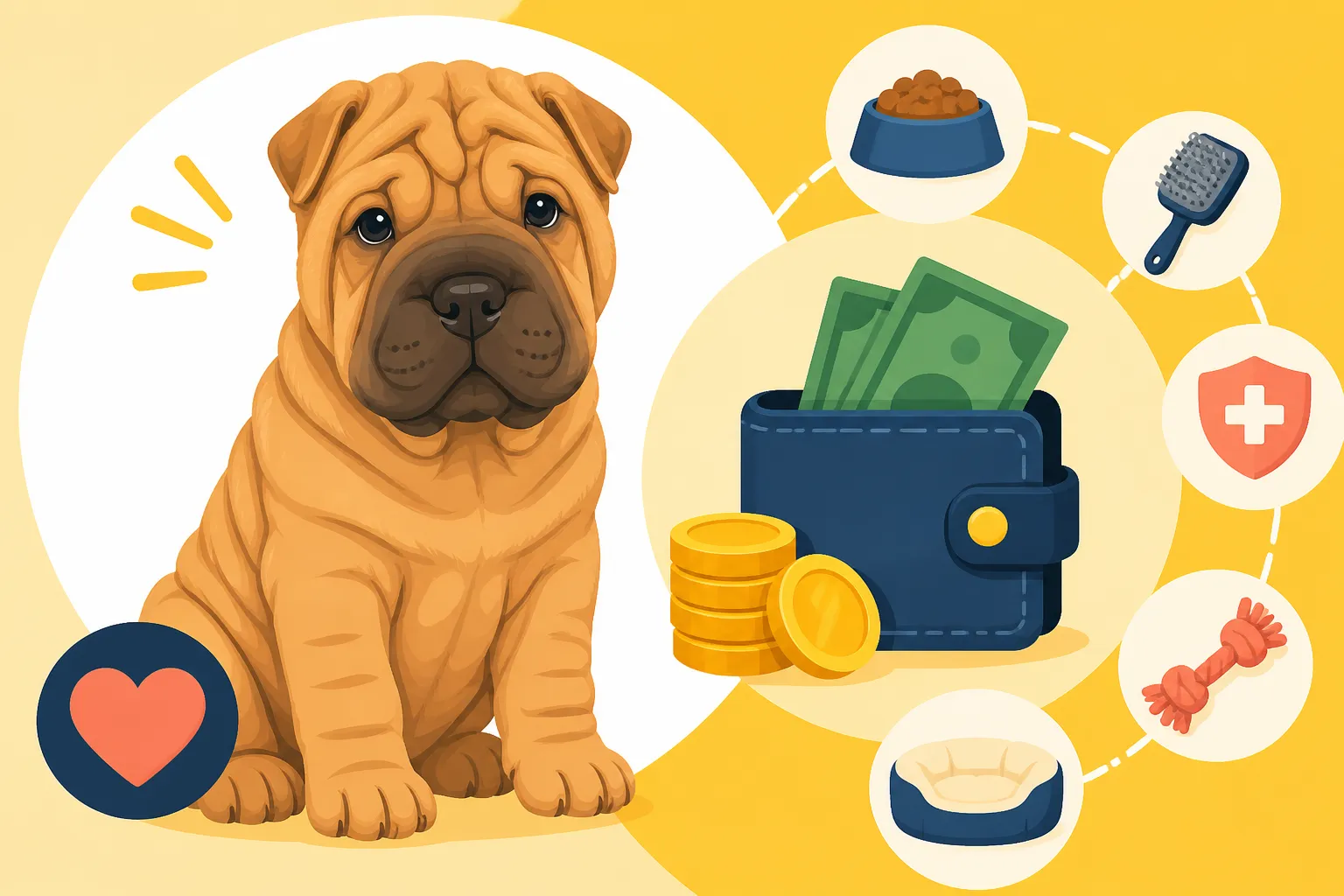
Here’s a general overview of what you might expect to spend in your Shar Pei's first year. Remember, these are estimates and can vary significantly based on location, breeder choice, health issues, and your specific lifestyle.
| Category | Estimated Cost Range (First Year) | Notes |
|---|---|---|
| Initial Acquisition | ||
| Puppy Purchase Price | $1,500 – $4,000+ | Varies by breeder reputation, health testing, and lineage. |
| Initial Supplies | $300 – $800 | Crate, bowls, leash, collar, toys, bedding. |
| Veterinary Care | ||
| Puppy Vaccinations | $150 – $350 | Series of shots, deworming, microchip. |
| Initial Vet Check-ups | $100 – $250 | Routine wellness exams. |
| Eye Tacking (if needed) | $200 – $800 per eye | Temporary procedure for entropion; may need repetition. |
| Entropion Surgery | $1,000 – $3,000+ per eye | Permanent surgical correction if tacking is insufficient. |
| Spay/Neuter | $300 – $800 | Can be done late in the first year or early second year. |
| Ongoing Expenses | ||
| Food | $400 – $1,200 | Depends on brand, type (kibble, fresh food like Ollie), and dietary needs. |
| Treats & Chews | $100 – $300 | Training treats, dental chews. |
| Training Classes/Tools | $200 – $600 | Puppy classes, private sessions, training aids. |
| Grooming Supplies | $100 – $300 | Shampoos, ear cleaner, nail clippers, wipes for folds, brushes. |
| Preventative Meds | $300 – $700 | Flea, tick, and heartworm prevention. |
| Contingency | ||
| Pet Insurance Premiums | $400 – $1,000 | Annual cost, varies by coverage and provider like Healthy Paws. |
| Emergency Fund | (Recommended $500 – $2,000+) | Savings for unexpected health issues, not a direct "cost" but crucial to have. |
| Total Estimated First-Year Costs (Excluding Major Surgery) | $3,850 – $9,900+ | This range is broad due to variables in breeder choice and health needs. |
This table excludes potential costs for unexpected illnesses like severe FSF episodes, or chronic skin/ear infections requiring specialist care, which could easily add hundreds or thousands more. Additionally, we haven't even touched on things like toys, bedding replacements, boarding if you go on vacation, or unexpected repairs to your home from puppy antics!
The Long-Term Financial Commitment: Beyond the First Year
While the first year with a Shar Pei is undoubtedly the most expensive due to initial purchases and crucial foundational vet care, it's vital to recognize that the financial commitment extends throughout their entire lifespan. Many of the breed's unique health challenges are ongoing, requiring continued vigilance and budgeting.
Lifelong Monitoring and Care for Breed-Specific Conditions
Even if your Shar Pei sails through its first year without major health crises, the predispositions remain. For instance, the risk of Familial Shar Pei Fever and its potential progression to amyloidosis means that regular kidney monitoring might become a part of your routine. Vets often recommend starting annual or bi-annual urine protein-creatinine ratio tests (UPC) and bloodwork from as early as two years old to catch any kidney issues early. How Often a Shar Pei Needs Kidney Testing can influence your ongoing vet bills significantly. Should FSF episodes occur, managing them effectively with medication like colchicine can also become a recurring expense.
Similarly, skin and ear issues rarely disappear completely. Many Shar Peis require lifelong maintenance with special shampoos, ear cleaners, and potentially ongoing medication to keep infections at bay. This isn't just a cost of supplies; it's the time and effort invested in consistent care. Owners often find themselves developing a comprehensive daily or weekly routine to keep their Shar Pei comfortable and healthy, which becomes a standard part of their household budget. These aren't one-time fixes but rather an ongoing commitment to managing the breed's unique needs.
Regular Wellness and Preventative Care
Beyond breed-specific concerns, your Shar Pei will still need routine wellness care every year. This includes annual or bi-annual veterinary check-ups, booster vaccinations, ongoing parasite prevention (flea, tick, and heartworm medications are crucial year-round), and dental care. Just like humans, dogs need regular dental cleanings to prevent periodontal disease, which can lead to serious health issues if ignored. A professional dental cleaning, often requiring anesthesia, can be a significant annual expense.
As your Shar Pei ages, their healthcare needs may evolve. Senior Shar Peis, typically considered senior around 7 years old, may require more frequent vet visits, specialized diets, and blood tests to monitor organ function. These preventative measures are essential for detecting age-related conditions early, ensuring a higher quality of life for your beloved companion. While these costs are standard for any dog owner, for Shar Peis, they often come on top of managing their inherent breed challenges, underscoring the importance of continuous financial planning.
Bringing a Shar Pei into your life is a profound joy, but it's a decision that comes with a significant, long-term financial commitment, especially during that crucial first year. From the initial purchase and setup costs to essential veterinary care for their unique health predispositions, and ongoing expenses for food and training, the numbers can add up quickly. By understanding these realistic costs upfront and planning accordingly, whether through saving for an emergency fund or investing in pet insurance from a provider like Healthy Paws, you're better equipped to provide your wrinkly companion with a happy, healthy, and fulfilling life. It’s an investment of time, love, and money, but for those of us who adore this incredible breed, it's undoubtedly worth every penny.
Disclaimer
This article is for general informational purposes only and does not constitute professional advice. Laws, prices and regulations vary by location and change over time. Consult a qualified professional for guidance on your specific situation.