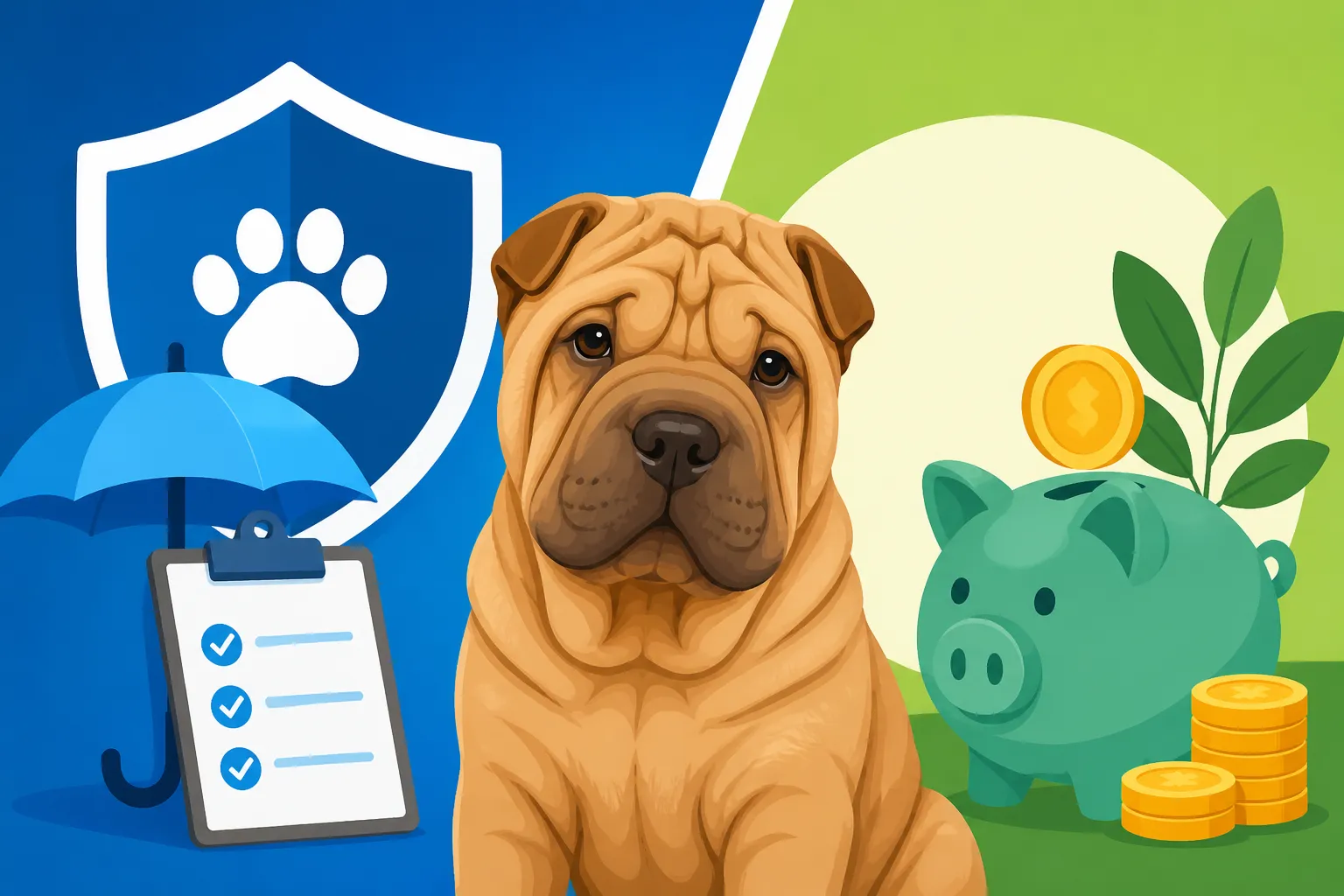
Whether a Shar Pei Owner Should Self Insure Instead
One of the biggest anxieties for any Shar Pei owner, new or experienced, often circles back to money. You fall in love with those wrinkles, that stoic personality, and then the reality of their unique health needs starts to sink in. Many people grapple with the idea of pet insurance, wondering if it's truly worth the monthly premium, or if they'd be better off just saving that money themselves in a dedicated fund. This guide is all about tackling that very question: whether you, as a Shar Pei owner, should embark on the journey of self-insurance, or if the safety net of a traditional pet insurance policy is the smarter play.
Understanding the Real Costs of Shar Pei Ownership
Before we can even talk about how to pay for your Shar Pei's care, we need to get real about what that care actually costs. It’s not just kibble and cuddles; owning a Shar Pei comes with a distinct set of financial considerations that differ from many other breeds.
The Predictable Expenses
Every dog, regardless of breed, has a baseline of predictable expenses. These are the things you can typically budget for month to month or year to year.
This includes high-quality food, which for a Shar Pei, might sometimes mean a limited-ingredient diet if they show sensitivities. You'll also have routine veterinary check-ups, which are absolutely crucial for a breed like ours to catch potential issues early. Then there's preventative care: vaccinations, flea and tick treatments, and heartworm medication. Don't forget grooming supplies—shampoo, ear cleaner, nail clippers—even if you do most of it yourself. Beds, toys, leashes, collars, and training treats also add up. Many owners find themselves stocking up on these essentials from online retailers like Chewy, which can help manage costs but they are still recurring. These are the expected costs, the ones you mostly know are coming.
The Unpredictable, Breed-Specific Expenses
Here’s where Shar Pei ownership can really differ from, say, a Labrador. Our wrinkly friends come with a genetic predisposition to several health conditions that can be costly and arise unexpectedly. This is precisely why the self-insurance versus traditional insurance debate becomes so pressing for Shar Pei parents.
One of the most well-known is Familial Shar Pei Fever (FSF). These fever episodes can strike suddenly, leaving your dog lethargic, in pain, and often needing immediate veterinary attention. While some milder fevers can be managed at home, many require emergency visits, diagnostics, and supportive care. You might be surprised to learn What One Shar Pei Fever Episode Costs, and these costs can accumulate if episodes recur. Then there are the eyes. Entropion, where the eyelids roll inward, is common in puppies and often requires "eye tacking" to prevent corneal damage. If left untreated, it can lead to painful ulcers and even blindness, requiring permanent surgery later. Entropion in a Shar Pei Puppy Is an Emergency, Not a Cosmetic Issue is something every owner needs to understand from day one.
Beyond fevers and eyes, our Shar Pei are prone to a host of skin issues like allergies, skin fold dermatitis, and cutaneous mucinosis. These can manifest as constant itching, infections, and discomfort, leading to ongoing vet visits, specialized shampoos, antibiotics, and allergy medications. Their unique ear canals, often narrow and prone to moisture retention, make them highly susceptible to chronic ear infections. A Shar Pei Has the Narrowest Ear Canals of Any Breed, and repeated infections can lead to costly treatments, sometimes even requiring surgery. Finally, and perhaps most concerningly, is the risk of amyloidosis, a severe complication linked to FSF that can lead to kidney failure. Watching a Shar Pei's kidneys from a young age is paramount, and the costs associated with ongoing monitoring and potential treatment for kidney disease can be substantial. The Cost of Watching a Shar Pei's Kidneys for Its Whole Life is a stark reality that every Shar Pei owner should be aware of. These unpredictable, often expensive, health issues are the core of the financial planning challenge for this breed.
What Exactly is "Self-Insurance" for a Pet?
The concept of self-insurance for your Shar Pei isn't about ignoring the risks; it's about taking full personal responsibility for managing them financially. It means you are, in essence, becoming your own insurance company.
Setting Up Your Pet's Emergency Fund
The most concrete step in self-insuring is establishing a dedicated emergency fund. This isn't just your regular savings account that you dip into for car repairs or a new sofa. This fund needs to be specific to your dog's potential medical needs, and you need to treat it as such. Start by calculating what a reasonable "worst-case scenario" might cost – a major surgery, a multi-day emergency hospital stay, or long-term medication for a chronic illness. For a Shar Pei, given their breed-specific issues, this figure should be substantial. Many experts suggest aiming for anywhere from $5,000 to $10,000, but even more might be prudent depending on where you live and the typical costs of vet care in your area.
Once you have a target, set up an automatic transfer from your checking account into this dedicated savings account every single month. Treat it like a bill you absolutely have to pay. The amount you transfer should ideally be comparable to what a pet insurance premium would cost, perhaps even a bit more to build it up faster. The goal is to accumulate a significant sum over time, ready and waiting for when the unexpected happens. This fund is your primary line of defense against those sudden, high-cost vet bills.
The Philosophy Behind Self-Insurance
At its heart, self-insurance is about a proactive, disciplined approach to financial planning for your pet. It stems from a belief that you can manage the financial risk of pet ownership more effectively and flexibly than a third-party insurer. This philosophy often appeals to individuals who are already good savers, feel comfortable with managing their own money, and perhaps have had negative experiences with insurance companies in the past (e.g., denied claims, rising premiums, or extensive exclusions).
You’re betting on yourself – that you’ll save diligently, that you’ll make wise financial decisions when faced with a vet bill, and that your cumulative savings will cover any significant health events your Shar Pei might encounter. It requires a strong sense of personal responsibility and the ability to resist dipping into that fund for anything other than its intended purpose. For some, this control and direct access to their funds feel empowering, allowing them to prioritize care decisions based purely on their pet's needs rather than navigating insurance policy limitations.
The Case For Self-Insuring Your Shar Pei
When considering how to best financially prepare for your Shar Pei's well-being, the idea of self-insurance has some compelling advantages, especially for those who are financially disciplined.
Flexibility and Control
One of the biggest draws of self-insurance is the complete freedom and control it gives you over your funds. With pet insurance, you're bound by their policy terms, deductibles, reimbursement percentages, and annual limits. There might be conditions they don't cover, or specific treatments deemed "experimental" that you're left to pay for out of pocket.
With your own dedicated savings fund, there are no such restrictions. If your Shar Pei needs a specialized treatment, a unique diagnostic test, or an alternative therapy that a traditional insurer might balk at, the money is there, and it's yours to decide how to spend it. You don't need to wait for claims to be processed or fight for reimbursement. This immediate access and autonomy can be incredibly reassuring, especially when you're facing a stressful medical decision for your beloved companion. You control the narrative, not an insurance company's fine print.
Avoiding Premium Hikes and Exclusions
Pet insurance premiums aren't static. They often increase as your Shar Pei ages, reflecting the higher likelihood of health issues in senior dogs. What starts as an affordable monthly payment can escalate over the years, sometimes significantly. Furthermore, the dreaded "pre-existing condition" clause is a major hurdle for many pet owners. If your Shar Pei develops a condition before you get insurance, or even during a policy's waiting period, that condition will almost certainly be excluded from coverage for life. This is particularly relevant for Shar Pei, given their genetic predispositions. Imagine your dog having a fever episode before you get insurance; Whether a Shar Pei's Fever Counts as Pre Existing is a critical question, and the answer is usually not favorable. If you've been self-insuring, those funds are always available for any condition, regardless of when it arose.
Moreover, certain breed-specific issues, even if not pre-existing, might be subject to stricter scrutiny or higher deductibles by some insurers. For example, while many policies cover amyloidosis if it develops after enrollment, the fact that it's a known Shar Pei risk might influence premiums or coverage specifics. Whether an Insurer Covers Shar Pei Amyloidosis is something you'd need to thoroughly investigate with any provider. With self-insurance, every dollar you save is available for any health concern, without the fear of an exclusion clause or a sudden premium hike making your chosen coverage unaffordable.
Potential Savings for Healthy Pets (Initially)
In an ideal world, your Shar Pei would sail through life with minimal health issues. If you happen to have one of those rare, exceptionally healthy Shar Pei, then self-insuring could potentially save you money in the long run. The total amount you contribute to your savings fund might end up being less than the cumulative premiums you would have paid to an insurance company over your dog's lifetime, especially if they have few costly medical events.
For example, if your Shar Pei only needs routine care and perhaps a minor skin issue here or there, the money you've diligently saved remains yours. You could even use some of it for other pet-related expenses, like high-quality food (maybe even from a service like Ollie, if you wanted to explore fresh food options) or specialized training classes. This is the gamble of self-insurance: you're hoping that your pet's medical needs won't exceed your saved amount, allowing you to retain more of your own capital. However, it's crucial to acknowledge that for a Shar Pei, "exceptionally healthy" is often the exception, not the rule, when it comes to long-term costs.
The Risks and Downsides of Self-Insuring a Shar Pei
While self-insurance offers appealing control, it's vital to look at the other side of the coin, especially when you consider the unique health profile of a Shar Pei. The risks involved can be substantial if not fully prepared for.
The Sheer Scale of Shar Pei Medical Bills
Let's be brutally honest: Shar Pei can be incredibly expensive to keep healthy. Their breed-specific conditions aren't just minor inconveniences; they can be chronic, complex, and demand significant financial outlay. A single emergency visit for a severe fever episode can easily run into hundreds or even thousands of dollars, particularly if diagnostics, IV fluids, and overnight stays are needed. Imagine that happening a few times in a year. How Many Fevers a Shar Pei Has in a Year varies, but multiple episodes aren't uncommon.
Then consider the potential for kidney disease, a silent killer linked to those fevers. Monitoring a Shar Pei's kidneys from two years old, as many vets recommend, involves regular blood work and urine protein tests. If kidney disease progresses, treatment can involve special diets, medications, and even subcutaneous fluids administered at home. These are not one-off costs but ongoing expenses that can truly add up. You should familiarize yourself with The Cost of Watching a Shar Pei's Kidneys for Its Whole Life to grasp the potential long-term financial commitment. A catastrophic event, like a major surgery for an unrelated issue, could easily wipe out years of carefully accumulated savings in a single bill, leaving you vulnerable to the next health crisis.
The "What If" Scenarios
Life with a Shar Pei, as wonderful as it is, means living with a higher-than-average "what if" factor when it comes to health. What if your perfectly healthy 2-year-old Shar Pei suddenly develops severe amyloidosis and needs extensive, ongoing care that costs tens of thousands? What if they require multiple entropion surgeries over their lifetime? What if they develop chronic, severe allergies that require expensive, lifelong medication and specialist veterinary care? What if an unforeseen accident, like being hit by a car, leads to massive emergency and surgical bills?
These scenarios, while hopefully rare, are not outside the realm of possibility for any dog, and particularly for a breed with known health vulnerabilities. If your self-insurance fund isn't robust enough to cover these truly catastrophic events, you could find yourself in an impossible position: choosing between your dog's life and immense personal debt, or even having to make the heartbreaking decision to forgo treatment you simply cannot afford. This is the profound emotional and financial risk you take when you choose to self-insure without an absolutely massive safety net.
Discipline and Consistency Required
The success of self-insurance hinges entirely on your unwavering financial discipline. It's not enough to set up an account; you must consistently contribute to it, month after month, year after year, without fail. Life happens: your car breaks down, your roof leaks, or you face an unexpected personal expense. It's incredibly tempting in these moments to "borrow" from your pet's emergency fund, promising yourself you'll pay it back later.
However, that "later" often never comes, or it comes too slowly. When your Shar Pei suddenly spikes a high fever at 2 AM, and you rush them to the emergency vet, you don't want to be staring at a depleted savings account. Self-insurance demands a level of commitment that many people overestimate they possess. You need to treat that fund as sacred, untouchable for anything other than your Shar Pei's health, and always ensure it's growing, keeping pace with rising veterinary costs and your dog's increasing age. Without this ironclad discipline, self-insurance becomes a false sense of security.
When Pet Insurance Might Be the Better Option for Shar Pei Owners
Given the specific health challenges a Shar Pei can face, traditional pet insurance often emerges as a very sensible, if not essential, component of responsible ownership for many families.
Peace of Mind for Major Incidents
For many, the biggest advantage of pet insurance isn't about saving money in the long run (though it can be), but about the profound peace of mind it offers. Knowing that if a major accident or severe illness strikes your Shar Pei, you won't be solely responsible for a bill that could climb into the tens of thousands, is invaluable. This is especially true for catastrophic events like a serious injury requiring complex surgery, or a sudden, severe illness leading to hospitalization.
With a good policy, you can focus entirely on your Shar Pei's treatment and recovery, rather than agonizing over every dollar. This emotional buffer can significantly reduce stress during an already difficult time. While monthly premiums might feel like an ongoing expense, they can be seen as an investment in your emotional well-being and your ability to provide the best possible care without financial limitations during a crisis. For example, some companies like Healthy Paws are known for comprehensive accident and illness plans that could cover a wide array of significant medical events for your Shar Pei.
Covering Breed-Specific Conditions
While pre-existing conditions are a common exclusion, a carefully chosen pet insurance policy can be a lifeline for covering the breed-specific conditions that often plague Shar Pei, provided these conditions manifest after your policy's waiting period. Things like new occurrences of Familial Shar Pei Fever, amyloidosis, entropion surgeries, chronic skin issues, or recurring ear infections that develop once your policy is active could be eligible for coverage.
This is where the real value lies for a Shar Pei owner. Instead of facing hundreds or thousands of dollars for diagnostics, medications, or even surgery for these common ailments, your insurance policy could cover a significant percentage of those costs after your deductible. You should carefully review policy details from various providers to understand exactly what is covered and what isn't, especially concerning hereditary and congenital conditions. What Insuring a Shar Pei Costs Monthly can vary widely based on coverage and deductible choices, so research is key.
Budgeting Predictability
For many households, the predictability of a fixed monthly premium is much easier to manage than the sudden, unpredictable shock of a multi-thousand-dollar vet bill. Pet insurance essentially converts large, intermittent financial risks into smaller, regular, and manageable payments. This makes it easier to budget for your Shar Pei's care alongside your other household expenses.
Instead of needing a massive, liquid emergency fund sitting ready (and needing to maintain the discipline not to touch it for other things), you pay a consistent fee, and the insurance company takes on the bulk of the risk. This budgeting simplicity is a huge relief for families who might not have the capacity to quickly build up a large savings fund, or who prefer to allocate their savings to other long-term goals. It allows you to plan your finances with a clearer picture of your pet care costs over the course of a year.
Hybrid Approaches: Combining Strategies
Sometimes, the best solution isn't one extreme or the other, but a smart combination of both. For Shar Pei owners, a hybrid approach can offer the best of both worlds: the safety net of insurance for the huge unexpected costs, and the flexibility of a personal fund for smaller, more manageable ones.
High-Deductible Insurance with a Smaller Fund
One popular hybrid strategy is to opt for a pet insurance policy with a higher deductible. A higher deductible typically means a lower monthly premium, making the insurance more affordable. The idea is that you use your personal savings fund to cover that deductible should a major incident occur. For example, if you have a $1,000 deductible on your policy, you ensure your personal emergency fund always has at least that much (and ideally more) readily available.
This approach means you're still protected against catastrophic expenses that far exceed your deductible – the ones that could truly break the bank. For example, if your Shar Pei needs an $8,000 surgery, you pay the first $1,000 from your fund, and the insurance covers a high percentage of the remaining $7,000. This avoids the risk of draining your entire fund on one massive bill, while still keeping your monthly insurance costs lower than a zero or low-deductible plan. It's a strategic way to manage risk, making insurance more accessible while still retaining some financial control.
Self-Insuring for Routine, Insuring for Catastrophic
Another effective blend is to use your personal savings for all the expected, routine costs and minor issues, while relying on insurance for the truly catastrophic. This might mean you pay for regular check-ups, vaccinations, routine ear cleanings, and maybe even a mild skin infection or two directly out of your pocket or a smaller, dedicated savings pot. Many wellness plans offered by pet insurance companies often have limited benefits and can feel like you're paying for things you could easily cover yourself.
By reserving your insurance policy for the big stuff – a broken leg, a sudden internal illness, ongoing treatment for severe autoimmune disease, or, heaven forbid, amyloidosis – you optimize where your insurance dollars go. This strategy typically involves choosing an accident and illness policy (which is usually more comprehensive for major health events) and skipping any optional wellness add-ons. You manage your smaller, predictable expenses, and the insurance acts as a critical backup for the expenses that would otherwise be financially devastating. This approach requires you to have a decent understanding of what a Shar Pei's routine care costs annually, as well as the potential price tags for those larger, unexpected events. For example, if you're managing a specific diet or specialized fresh food options from a provider like Ollie, you'd budget for that food separately while letting insurance handle the emergencies.
| Feature | Self-Insurance | Pet Insurance |
|---|---|---|
| Initial Cost | Zero (but requires immediate saving) | Monthly/Annual Premiums |
| Payment Structure | Out-of-pocket for all expenses, reimbursed by you | Pay vet, submit claim, get reimbursed (minus deductible/copay) |
| Coverage Scope | Unlimited, based on funds saved | Defined by policy, subject to exclusions/limits |
| Pre-Existing Conditions | Not applicable; all conditions covered by your fund | Usually excluded |
| Premium Hikes | None; your contributions are consistent | Can increase with pet's age or claims |
| Deductibles | None | Yes, chosen by you, resets annually or per incident |
| Reimbursement Rate | 100% of your saved funds | Typically 70-90% after deductible |
| Peace of Mind | High, if fund is substantial | High for major incidents |
| Financial Discipline | Absolutely essential | Less critical for individual incidents |
| Catastrophic Event | Fund may be depleted or insufficient | Large expenses mostly covered |
| Flexibility | Total control over spending | Limited by policy terms |
| Administrative Burden | Minimal, just managing your savings | Claims process, understanding policy |
Ultimately, the decision to self-insure or opt for pet insurance for your Shar Pei is deeply personal and depends on your financial situation, risk tolerance, and peace of mind. Shar Pei, with their unique health challenges, undeniably present a higher financial risk than many other breeds. While self-insurance offers unparalleled control and can be beneficial for the highly disciplined, it demands a robust fund capable of weathering multiple, potentially massive, medical storms. Pet insurance, on the other hand, offers the invaluable safety net for those catastrophic "what if" scenarios, converting unpredictable huge bills into manageable monthly payments. Many owners find a hybrid approach to be the most prudent, blending the strengths of both strategies. No matter your choice, proactive financial planning is non-negotiable for ensuring your beloved Shar Pei lives the healthiest, happiest life possible.
Disclaimer
This article is for general informational purposes only and does not constitute professional advice. Laws, prices and regulations vary by location and change over time. Consult a qualified professional for guidance on your specific situation.


