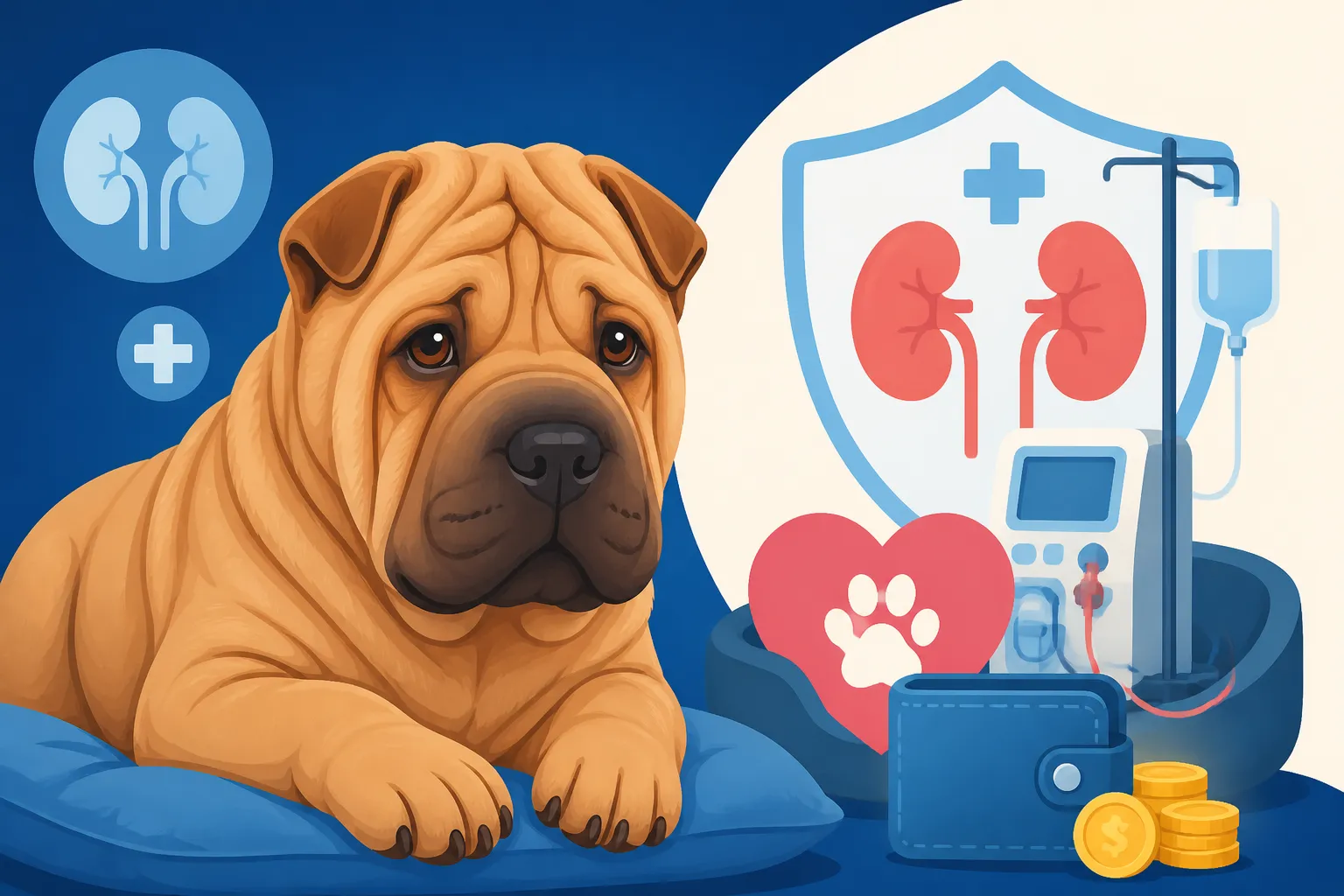
What a Shar Pei’s End Stage Kidney Care Costs
The emotional and financial toll of a Shar Pei grappling with end-stage kidney disease can feel absolutely overwhelming, leaving devoted owners feeling helpless and heartbroken. This guide aims to shed light on the various costs associated with providing comfort and care during this incredibly difficult time, so you can better understand the journey ahead and make informed decisions for your beloved companion.
Understanding the Prognosis and the Inevitable Costs
When a Shar Pei reaches the end stage of kidney disease, it’s a devastating diagnosis. Unlike some other conditions, kidney failure, particularly the kind often seen in Shar Pei due to amyloidosis, isn't something that can be reversed. It's a progressive disease, and at this advanced stage, our focus shifts entirely to managing symptoms, maintaining comfort, and maximizing the quality of life for whatever time remains. This shift in care brings with it a unique set of financial considerations, many of which can catch owners by surprise even if they've been monitoring their dog's kidneys for years. Amyloidosis Is What Actually Kills a Shar Pei and Why a Shar Pei's Kidneys Need Watching From Two Years Old are crucial reads for understanding the progression.
The reality is that end-stage care isn't about a cure; it's about making each day as good as it can be. This often means more frequent veterinary visits, a cocktail of medications, and specialized care that becomes increasingly intensive. It’s a period fraught with difficult choices, and understanding the financial implications beforehand can, at the very least, alleviate some of the stress when you're already stretched thin emotionally. It’s not just one big bill, but a series of ongoing, often escalating, expenses that accumulate over weeks or months.
Breaking Down the Daily and Weekly Expenses
Once your Shar Pei is diagnosed with end-stage kidney disease, much of the cost revolves around daily management to keep them comfortable. This isn't just about big hospital bills; it's about the relentless drip-drip of medications, special foods, and at-home treatments that quickly add up. These are the expenses you'll face week in and week out.
Prescription Renal Diets
One of the cornerstones of kidney disease management, even in the late stages, is a specialized diet. These foods are formulated with controlled protein and phosphorus levels to reduce the workload on the failing kidneys. They aren't your typical off-the-shelf kibble and can be significantly more expensive. Your vet will recommend specific prescription brands, which you might purchase directly from their clinic or often find online through pet supply retailers. Ordering prescription renal diets or subcutaneous fluid supplies from retailers like Chewy can sometimes offer convenience or slight cost savings compared to clinic markups.
The challenge isn't just the price tag; it's getting a sick Shar Pei to eat it. Dogs with advanced kidney disease often experience nausea, poor appetite, and general malaise. You might find yourself buying several different brands or formats (wet, dry, canned) just to find something palatable, leading to wasted food and even more expense. This can be incredibly frustrating when you know they need to eat, but they simply refuse.
Medications for Symptom Management
A Shar Pei in end-stage kidney failure will likely be on a host of medications designed to manage symptoms and support remaining kidney function. These typically include phosphorus binders, which prevent the absorption of excess phosphorus from food, antinausea medications to stimulate appetite and prevent vomiting, and often blood pressure medications. Some dogs might also need medications for anemia or appetite stimulants.
Each of these medications, while vital for your dog's comfort, comes with its own cost. They are often prescription-only and might need to be given multiple times a day. Trying to keep track of dosages and administration times, all while watching your beloved pet decline, can be emotionally draining. You might find yourself refilling prescriptions every few weeks, adding another recurring bill to your budget. Whether Colchicine Has Side Effects in a Shar Pei is a related read, though Colchicine is for fever, not direct renal failure treatment.
Subcutaneous Fluid Therapy at Home
Many Shar Pei with kidney failure eventually benefit from subcutaneous (SQ) fluid therapy, where fluids are administered under the skin to help rehydrate them and flush toxins from their system. While this can initially be done at the vet's office, most owners learn to do it at home to save money and reduce stress on their dog. This is often an essential part of keeping your Shar Pei feeling better.
The supplies – bags of sterile fluids, IV lines, and needles – need to be purchased regularly. Your vet will typically prescribe these, and while the individual items might not seem exorbitant, the cumulative cost over weeks or months can be substantial. Learning to administer fluids can feel intimidating at first, but it's a profound way to contribute to your dog's comfort and can extend their quality time with you. What Subcutaneous Fluids Cost for a Shar Pei will give you more specific details.
Veterinary Consultations and Advanced Interventions
Beyond the daily home care, a Shar Pei with end-stage kidney disease will require regular veterinary oversight, which often means more frequent and sometimes urgent visits. These visits are essential for monitoring their progress, adjusting medications, and addressing any acute crises.
Routine Check-ups and Bloodwork
Even in the end stages, regular veterinary check-ups are vital. These visits allow your vet to assess your Shar Pei's overall condition, listen to their heart and lungs, and check for any new symptoms. More importantly, they will frequently recommend blood and urine tests to monitor kidney function, electrolyte balance, and red blood cell counts. These tests help determine if medications need to be adjusted or if new issues are arising.
While not as frequent as during initial diagnosis, these monitoring tests still carry a significant cost. A full blood panel, urinalysis, and perhaps a urine protein-creatinine ratio (UPC) can easily run into the hundreds of dollars each time. Knowing What a Urine Protein Test Tells a Shar Pei Owner is key, as is understanding How Often a Shar Pei's Kidney Values Should Be Checked. These costs are part of the ongoing assessment to ensure your Shar Pei is receiving the most appropriate palliative care.
Emergency Visits and Hospitalization
The unpredictable nature of end-stage kidney disease means that sudden downturns are always a possibility. Your Shar Pei might experience acute vomiting, severe lethargy, collapse, or even seizures due to toxin buildup. These situations often necessitate emergency veterinary visits, which are inherently more expensive than scheduled appointments, especially if they occur after hours or on weekends.
If your Shar Pei needs intensive care, hospitalization can be incredibly costly. This might involve intravenous fluids, constant monitoring, further diagnostics, and emergency medications. A single overnight stay, especially in an emergency clinic, can quickly climb into the thousands of dollars, placing an immense financial strain on owners already dealing with the emotional burden. This is where pet insurance, if acquired early enough from providers like Healthy Paws, could potentially make a difference, although many policies have exclusions for pre-existing conditions.
The Ultimate Cost: Quality of Life and End-of-Life Decisions
This is perhaps the hardest part of caring for a Shar Pei with end-stage kidney disease. The discussions around quality of life and the eventual decision for euthanasia are emotionally gut-wrenching, but they also come with their own financial considerations.
Assessing Quality of Life
As the disease progresses, there will come a point where treatment provides diminishing returns, and your Shar Pei's bad days start to outnumber the good ones. This is a deeply personal and painful assessment. Your vet can provide guidance, but ultimately, you know your dog best. It involves observing their appetite, energy levels, pain, comfort, and engagement with the family. The goal is always to prevent suffering.
There isn't a direct financial cost to assessing quality of life, but it informs all the other financial decisions. Are you spending money on treatments that are no longer improving their well-being, but merely prolonging suffering? This ethical and emotional dilemma is intertwined with the financial choices you'll face. It's a heavy burden, and many owners wish they had invested in a good pet insurance policy, like those offered by Healthy Paws, early on to ease some of these financial pressures during such a critical time. How Fast Amyloidosis Progresses in a Shar Pei can help you understand the timeline.
Euthanasia and Aftercare
Making the decision to euthanize is one of the most difficult a pet owner will ever face. It's a final act of love to prevent further suffering. The cost of euthanasia itself varies depending on whether it's performed at the veterinary clinic or if you opt for a home euthanasia service, which many prefer for its comfort and privacy. Home euthanasia is often more expensive but offers a peaceful setting your Shar Pei knows and loves.
Beyond the procedure, there are choices for aftercare, such as cremation (private or communal) and memorial items like urns or paw prints. These decisions, while small compared to the preceding medical bills, are an important part of the grieving process and represent the very last costs you will incur for your beloved companion. Knowing What Home Euthanasia Costs for a Shar Pei can help you plan for this final, compassionate step.
It’s clear that owning a Shar Pei can be an expensive journey, and kidney disease adds significant financial strain. For more context, consider reading What a Shar Pei Is an Expensive Breed to Own.
Here's a breakdown of the typical costs you might encounter during end-stage kidney care:
| Service/Item | Description | Estimated Cost Range (Per Instance/Monthly) | Notes |
|---|---|---|---|
| Veterinary Consultations | Scheduled follow-ups, emergency visits for acute symptoms | $75 – $300+ (per visit) | Emergency/specialist visits are on the higher end. Frequent checks are needed. |
| Bloodwork & Urinalysis | Monitoring kidney values, electrolytes, red blood cell count | $150 – $400+ (per test session) | Often needed every 2-4 weeks. |
| Prescription Renal Diet | Specialized food low in protein and phosphorus | $60 – $120 (per month) | Costs vary by brand, size, and wet/dry format. Can be purchased from Chewy. |
| Medications (e.g., Phosphorus Binders) | Antinausea, appetite stimulants, blood pressure meds, binders | $50 – $200+ (per month) | Depending on the number and type of medications required. |
| Subcutaneous Fluid Supplies | Bags of fluid, IV lines, needles for home administration | $40 – $100+ (per month) | Costs depend on frequency of administration. Can also be purchased from Chewy. |
| Hospitalization | Intensive care for acute crises (IV fluids, constant monitoring) | $1,000 – $5,000+ (per stay) | Can be extremely expensive, especially for multiple nights or specialized care. |
| Euthanasia (Clinic) | Humane end-of-life procedure at the vet's office | $150 – $400 | Typically includes the procedure itself, sometimes cremation is separate. |
| Euthanasia (Home Service) | Humane end-of-life procedure in your home | $300 – $600+ | Higher cost for the convenience and peace of home setting. |
| Cremation/Aftercare | Communal or private cremation, urns, memorial items | $50 – $500+ | Costs vary greatly based on options chosen. |
This table provides a general idea, but remember that prices fluctuate based on your location, your specific veterinary clinic, and the individual needs of your Shar Pei. Preparing an emergency fund or looking into pet insurance options early in your dog's life is always advisable, as conditions like Familial Shar Pei Fever Is Not an Infection often lead to Amyloidosis Is What Actually Kills a Shar Pei, which then progresses to kidney failure. What a Shar Pei Owner Should Bank for Kidney Failure offers more insights into financial preparation.
Disclaimer
This article is for general informational purposes only and does not constitute professional advice. Laws, prices and regulations vary by location and change over time. Consult a qualified professional for guidance on your specific situation.


